Best Bid Management Software in 2026: 8 Tools Compared
Find the best bid management software in 2026. We compare 8 tools for bid invites, leveling, subcontractor networks and plan rooms for contractors now.
- Editor's choice
 BuildingConnected
Mid to large commercial GCs
Starts atSee websiteVisit buildingconnected.comFull review - Great alternative
 Procore Bid Management
GCs already on Procore
Starts atSee websiteVisit procore.comFull review - Also consider
 SmartBid
Mid-size GC bid teams
Starts atSee websiteVisit smartbid.coFull review
TL;DR:
- BuildingConnected and Procore lead for commercial general contractors that need a deep subcontractor network and structured bid leveling.
- SmartBid and PlanHub suit smaller bid teams that want invites, leveling and a plan room without enterprise pricing.
- Pricing is often quote-based, so ask for per-seat cost, project limits and onboarding fees in writing before you sign.
- A strong subcontractor network matters as much as software features, since coverage decides how many competitive bids you receive.
- Bid leveling, addendum tracking and a clear audit trail separate serious bid tools from a shared drive and email.
Quick comparison
| Tool | Best for | Starts at | Free plan? | |
|---|---|---|---|---|
| BuildingConnected | Mid to large commercial GCs | See website | No | Visit |
| Procore Bid Management | GCs already on Procore | See website | No | Visit |
| SmartBid | Mid-size GC bid teams | See website | No | Visit |
 ConstructConnect | GCs sourcing subs at scale | See website | No | Visit |
 PlanHub | Small GCs and subs | Free | Yes | Visit |
 BidNet Direct | Public sector bidding | See website | No | Visit |
 PipelineSuite | Focused bid leveling teams | See website | No | Visit |
 Buildertrend | Residential GCs with bids | See website | Free trial | Visit |
The best bid management platforms
We compared official feature pages, subcontractor networks, bid leveling tools, plan rooms and pricing models for construction bid work in October 2026. The best bid management tools cover the full cycle: finding subs, sending invitations, sharing plans, collecting bids, leveling them side by side, and awarding work with a clear record.
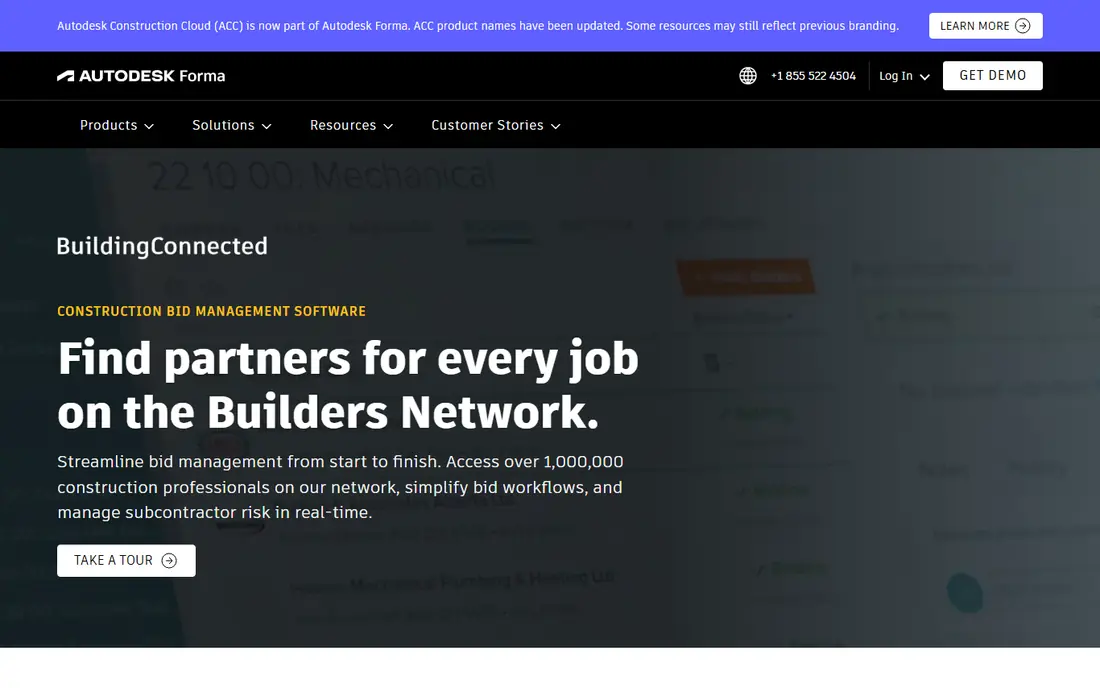
BuildingConnected, part of Autodesk, is a strong default for commercial general contractors. The bid board centralizes invites, deadlines and assignments, while the subcontractor network lets you filter by trade, location and capacity. TradeTapp adds prequalification and risk profiles, which helps estimators judge whether a low bid is also a safe bid.
Pricing requires a sales conversation, and published marketplace figures vary, so get a written quote tied to your project volume. The web interface is also less smooth on phones, which matters for estimators in the field. If you run commercial work and need coverage plus risk screening in one place, BuildingConnected is hard to ignore.
- Large subcontractor network
- TradeTapp prequalification
- Bid leveling and plan room
- Quote-based pricing
- Mobile experience is weaker than desktop
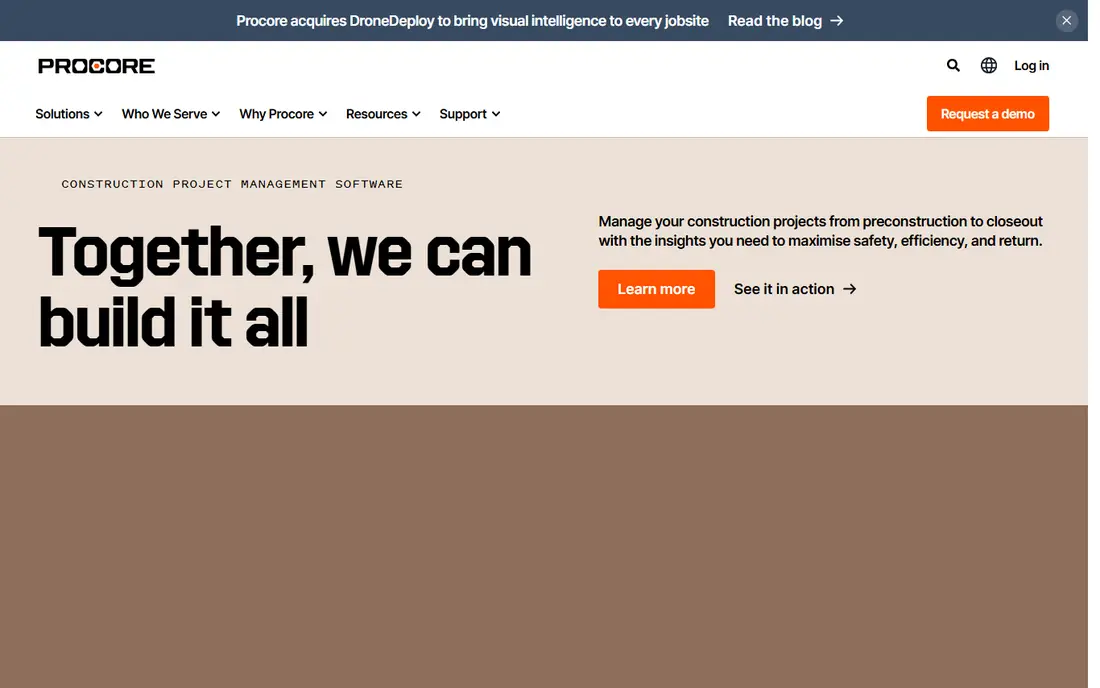
Procore Bid Management fits teams already standardized on Procore for project management. Bid invitations, subcontractor lists and leveling sit close to budgets, drawings and communications, so awarded bids flow into project work with less re-entry. The interface is familiar to many commercial teams, and support and training resources are extensive.
If you do not already use Procore, buying the whole platform just for bids is a large commitment. Pricing is quote-based and scales with construction volume, and onboarding can take weeks. For a Procore shop, though, keeping bids in the same system reduces duplicate work and keeps a single record from invite to award.
- Ties bids to Procore projects
- Strong bid leveling
- Wide industry adoption
- Full value needs Procore
- Enterprise pricing and onboarding take time
SmartBid targets mid-size general contractors that want bid work done well without an enterprise suite. Invitations, bid leveling, subcontractor tracking and document sharing are the core, and the workflow is easier to learn than larger platforms. Teams that bid often but do not need full project management will appreciate the focus.
The subcontractor network is not as deep as BuildingConnected or ConstructConnect, so coverage in a new market may need manual outreach. Pricing is also handled through sales, so compare the quote against your bid volume. SmartBid suits a bid team that values a clear, focused tool over a broad platform.
- Focused bid invitations and leveling
- Sub tracking
- Simpler setup than enterprise suites
- Network is smaller than BuildingConnected
- Pricing is not fully public
ConstructConnect combines project leads with bid management, which helps general contractors find both work and subcontractors. The data network covers many markets and trades, and bid invitations can draw on that coverage. Plan rooms, specs and project details sit alongside bid tools, so estimators spend less time hunting for documents.
The product range is broad, and pricing depends on which modules you buy, so a quote can be hard to compare at first glance. Smaller teams may also find the interface dense. For a GC that bids across regions and needs lead data as well as bid tools, ConstructConnect offers reach that narrower tools cannot match.
- Large project lead database
- Bid network reach
- Plan and spec access
- Pricing varies by product
- Interface can feel dense for small teams
PlanHub is notable because general contractors can use core bid features free, which lowers the barrier for small firms. You can post projects, invite subs, share plans and collect bids without a large upfront cost. Subcontractors pay for premium access, which is a common model in this market.
Advanced leveling, analytics and enterprise controls are thinner than in BuildingConnected or Procore. PlanHub fits a small GC getting organized, or a sub looking for bid opportunities, rather than a large commercial team running complex leveling. Test it with a live project to see whether its leveling depth meets your needs.
- Free for general contractors
- Simple bid invites
- Plan sharing
- Subcontractor plans are paid
- Fewer advanced leveling features
BidNet Direct serves a different side of bid management: public sector work. Agencies post solicitations, and vendors receive notifications matched to their categories and regions. For suppliers and contractors chasing government, school and municipal work, that notification stream is the main value.
Private commercial general contractors will find BidNet less useful as a day-to-day bid leveling tool. It is best used alongside a commercial bid platform, not instead of one. If public work is a real part of your pipeline, BidNet helps you see opportunities early and respond before deadlines pass.
- Public bid notifications
- Government RFP workflows
- Broad agency coverage
- Less suited to private commercial GC work
- Vendor plans are paid
PipelineSuite keeps its focus on the bid itself. Invitations, tabulation sheets, addendum tracking and a plan room cover the core job, and subs can download files as a single zip, which reduces missed documents. The workflow is clear, and teams that level many bids will like the side-by-side comparison.
Pricing is per user in many quotes, so a larger estimating team pays more, and integrations are narrower than BuildingConnected or Procore. Mobile use also draws mixed feedback. PipelineSuite suits a bid team that wants strong leveling without paying for a full project platform.
- Strong bid tabulation
- Addendum management
- Plan room with bulk download
- Per-user pricing can grow
- Integration set is narrower than rivals
Buildertrend is a residential construction platform that includes bidding alongside estimates, scheduling, budgets and client communication. For a home builder or remodeler, keeping bids in the same system as the rest of the job avoids juggling tools. Clients can also see progress in one place, which helps with trust.
For large commercial bidding, Buildertrend is not the strongest choice. Its subcontractor network and leveling depth trail commercial specialists, and pricing is quote-based. Residential GCs that bid as one step in a wider job workflow will get good value. Commercial GCs should start with BuildingConnected, Procore or ConstructConnect.
- Bids sit with estimates, schedules and client tools
- Good for residential work
- Bid network is thinner than commercial tools
- Less depth for large commercial bids
How we picked these
We compared official product pages, bid feature lists, subcontractor network descriptions, plan room tools and pricing models in October 2026. We kept only tools that support bid invitations, document sharing and bid comparison for construction work, and that are live in the US today. We favored tools with a clear audit trail, addendum handling and coverage in the trades they serve, and we flagged quote-based pricing wherever a public price was not available.
What to check before you buy bid software
Start with coverage in your markets. Ask how many active subs exist in your trades and regions, and test an invitation to a real list before you sign. A polished leveling sheet means little if only a few subs bid. Next, run a full bid cycle on a trial or demo: invite, addendum, bid receipt, leveling and award. Watch for scope gaps, missed documents and how easily you can compare bids side by side.
Then get total cost in writing. Ask about per-seat fees, project limits, plan room storage, onboarding and support, and whether subcontractors pay. Check integrations with your accounting, estimating and project tools, since retyping bid data wastes the time the software should save. Finally, confirm who owns bid history if you leave, and how you export it.
FAQ
What are the best bid management platforms for small contractors?
PlanHub and SmartBid are good starting points for small contractors, with PlanHub offering free core use for general contractors. Buildertrend suits residential builders who want bids inside a wider job system. Compare leveling depth and sub coverage in your market before you choose.
What are the best bid management tools for commercial general contractors?
BuildingConnected, Procore Bid Management and ConstructConnect lead for commercial work because of network depth, leveling and plan rooms. Procore fits teams already on Procore, while BuildingConnected and ConstructConnect suit teams that need coverage first. All three are quote-based, so request comparable quotes.
How much does bid management software cost?
Costs vary widely, from free core plans to enterprise quotes that scale with project volume and users. Some tools publish starting prices, while larger platforms quote by sales conversation. Ask for per-user cost, project limits and onboarding fees, and compare total annual cost at your bid volume.
Do subcontractors have to pay to use bid software?
It depends on the platform. Some tools are free for subs, some charge subs for premium access or lead features, and some charge only the general contractor. Check this early, since sub fees can affect how many bids you receive.
Can bid software replace email and spreadsheets?
For most teams, yes, once the workflow is adopted. Bid software centralizes invites, plans, addenda and leveling, which reduces missed documents and version confusion. Keep email for relationship messages, but let the platform hold the official bid record so nothing is lost in an inbox.