Automated Pentesting Tools in 2026: The 5 Best Options Side by Side
Compare 5 best automated pentesting tools, with prices, free plans and who each fits. Each profile ends with a plain caveat. Reviewed in November 2026.
- Editor's choice
 Cymulate
Continuous exposure validation and control optimization
Starts atPricing on requestVisit cymulate.comFull review - Great alternative
 Tenable Nessus
Wide vulnerability assessment scanning
Starts atPricing on requestVisit tenable.comFull review - Also consider
 XM Cyber
Attack path mapping to critical assets
Starts atPricing on requestVisit xmcyber.comFull review
Direct answer
Start with Cymulate if you need continuous exposure validation and control optimization. Alternatives: Tenable Nessus for wide vulnerability assessment scanning, and XM Cyber for attack path mapping to critical assets. Free plan facts and limits for all 5 tools follow. None of these vendors publish plan prices, so pricing is on request for every option.
TL;DR:
- The list opens with Cymulate, aimed at continuous exposure validation and control optimization.
- One limit worth knowing about Pentera: needs production access considerations.
- No starting price is shown for any of the 5 tools, Cymulate and SafeBreach included, so plan time for sales calls.
- Cymulate, SafeBreach and the 3 others all need a premium plan or a trial, since no free plan is listed.
Last checked November 2026. Pricing on request: vendors did not publish plan prices when this guide was last checked (November 2026), so ask each vendor for a written quote.
Quick comparison
| Tool | Best for | Starts at | Free plan? | |
|---|---|---|---|---|
| Cymulate | Continuous exposure validation and control optimization | Pricing on request | Not stated | Visit |
| Tenable Nessus | Wide vulnerability assessment scanning | Pricing on request | Not stated | Visit |
| XM Cyber | Attack path mapping to critical assets | Pricing on request | Not stated | Visit |
 Pentera | AI-driven adversarial testing in production | Pricing on request | Not stated | Visit |
| SafeBreach | Enterprise CTEM with adversarial exposure validation | Pricing on request | Not stated | Visit |
Every option for automated pentesting tools explained
Choosing automated pentesting tools usually comes down to price, fit and limits. This LinkVetted guide sets 5 tools side by side on those three points, with the facts kept short and checkable.
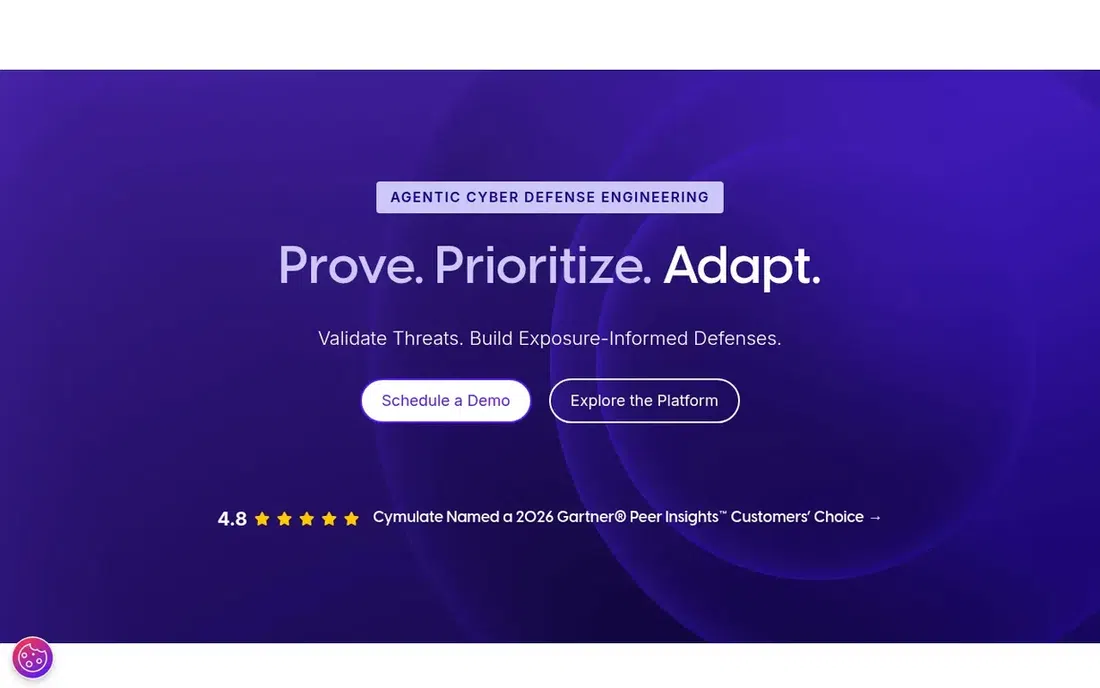
Cymulate is a good fit for continuous exposure validation and control optimization. Cymulate describes itself as an AI-powered exposure validation product built around agentic cyber defense engineering.
It handles continuous exposure validation, automatic security testing, threat validation, and security control optimization. Beyond that, consider other choices if your focus is strictly attack path analysis or production exploit validation instead of control optimization. This comparison lists no price for Cymulate; ask the vendor. Trial and free access: Not stated.
Where it is weaker: Wide scope may need tuning.
- Agentic cyber defense engineering
- Security control optimization focus
- Overlaps with other validation products
Where Tenable Nessus fits: wide vulnerability assessment scanning. Teams seeking automatic pentesting should pair it with a validation product or choose a dedicated tool. Tenable Nessus is a vulnerability scanner positioned as a trusted standard for vulnerability assessment and aimed at modern attack surfaces.
Trade-offs to know: Not an automatic exploitation system.
It is used by many organizations to identify weaknesses across networks and systems. In practice, consider other choices if your primary need is proving exploitability rather than scanning. No starting price is listed for Tenable Nessus here; confirm pricing on the vendor site. As for free access: Not stated.
- Well-known assessment workflow
- Widely adopted vulnerability scanner
- Needs interpretation of findings
For attack path mapping to critical assets, XM Cyber is a natural candidate. This is well suited to teams that want to understand how an attacker could chain weaknesses to reach high-value systems. Organizations prioritizing attack path analysis over wide automatic exploitation may find it a solid fit.
The main drawbacks: Needs asset context to be effective.
The attack path focus means some teams may still need separate tools for wide vulnerability scanning or production exploit validation. In daily use, consider other products if your primary need is continuous control testing instead of path mapping. No starting price is listed for XM Cyber here; confirm pricing on the vendor site. Free plan details: Not stated.
- Illuminates attack paths
- Handles cloud and on-premises
- Narrower validation scope than some peers
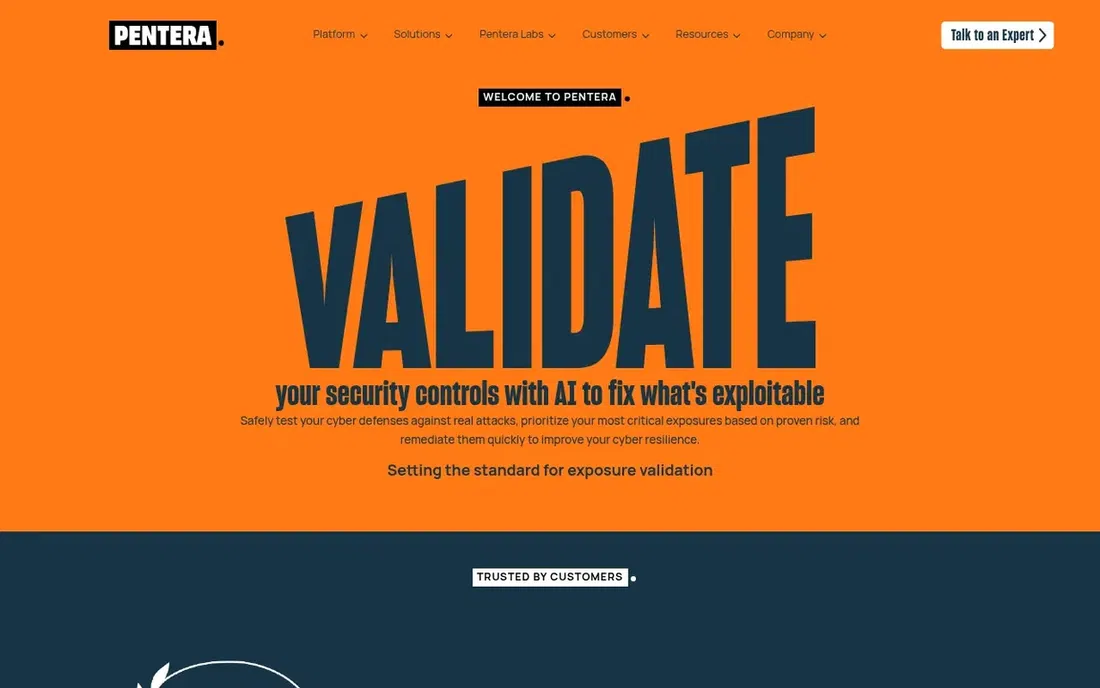
Pentera is a good fit for AI-driven adversarial testing in production. Pentera is an exposure validation product that executes AI-driven adversarial testing in production. Its stated goal is to validate exploitability, prioritize remediation, and cut exposure.
The main drawbacks: Needs production access considerations.
Choose a different tool if your priority is agentic CTEM missions or attack path mapping instead of production exploit validation. Also, since testing runs in production, teams should plan governance and change windows carefully. As for the details, Pentera is not a substitute for a full vulnerability scanner if you need wide asset inventory. Pentera shows no starting price here, so confirm the cost on the vendor site. Free options: Not stated.
- Prioritizes remediation based on exposure
- Validates exploitability in production
- May overlap with vulnerability scanners
SafeBreach
Best for: Enterprise CTEM with adversarial exposure validation
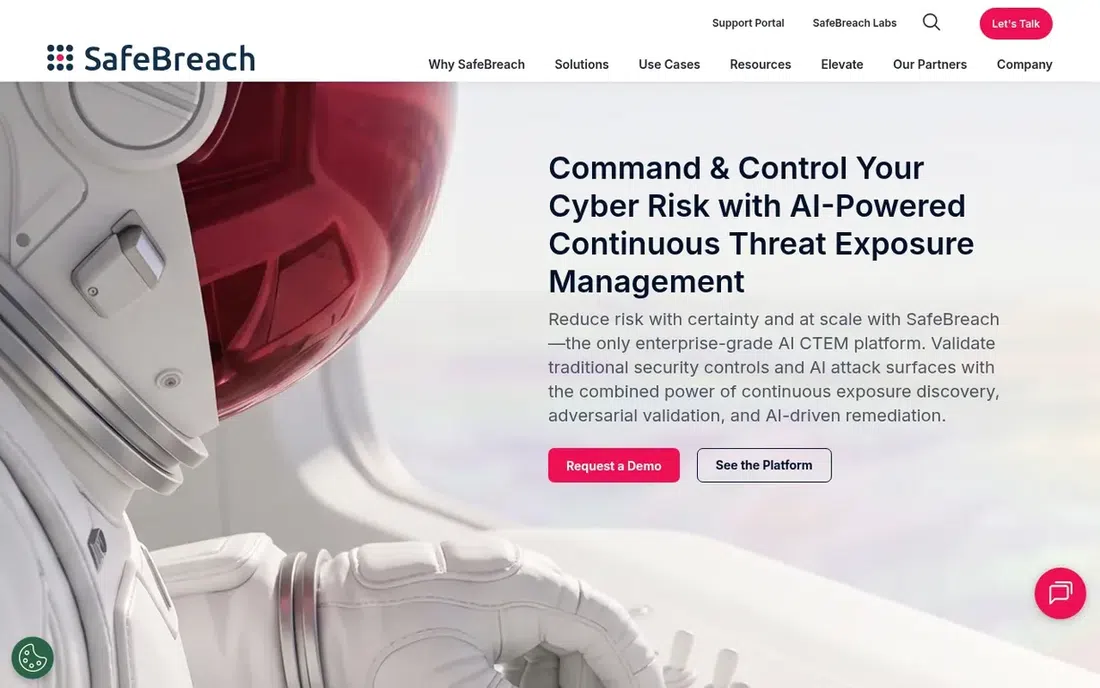
Choose SafeBreach for enterprise CTEM with adversarial exposure validation. SafeBreach presents itself as an AI CTEM system for the enterprise, grounded in adversarial exposure validation. SafeBreach is not an entry-level scanner, so organizations seeking straightforward vulnerability enumeration should look elsewhere.
Evaluate integration requirements with existing tools before committing. The enterprise positioning means smaller teams may find the scope heavier than needed. This comparison lists no price for SafeBreach; ask the vendor. Free access: Not stated.
Points against: May need integration planning.
- CTEM system positioning
- Aims to prioritize and prove risk
- Enterprise-oriented scope
How we chose
LinkVetted used vendor pricing pages and product documentation as the base, then compared plans, free access and documented limits for 5 tools. Plan names, prices and limits change often. Treat the figures here as a starting point and verify them with the vendor. The order reflects how well each tool fits the most common buying scenario for automated pentesting tools, then price clarity, then free plan access. It is a starting point, not a verdict.
Questions to settle before buying
- Ask each vendor, from Cymulate to SafeBreach, for a written quote; none of them publishes a starting price.
- Read the limits listed for Cymulate first: wide scope may need tuning.
- The entry price of Cymulate is only the starting point; model the full cost with seats and extras.
- Pick one real project and run it in Tenable Nessus first; a small pilot shows fit faster than a checklist.
- Ask whether XM Cyber integrates with your current software, and whether that comes standard or as an add-on.
FAQ
How are the tools for automated pentesting tools ordered?
Cymulate sits first and SafeBreach last because the order follows typical fit for automated pentesting tools, then price clarity and free access. It is a judgement call, so read each profile for fit and limits.
Is Cymulate the right pick for everyone comparing automated pentesting tools?
No single tool suits every team. Cymulate comes first because it fits continuous exposure validation and control optimization, while Tenable Nessus suits broad vulnerability assessment scanning and XM Cyber suits attack path mapping to critical assets. Match the tool to your own size, budget and workflow before deciding.
What is the difference between automatic pentesting and vulnerability scanning?
Vulnerability scanning identifies known weaknesses across assets, whereas automatic pentesting attempts to validate exploitability and test defenses through simulated attacks. Tools like Tenable Nessus focus on scanning, whereas Pentera and SafeBreach emphasize adversarial validation.
Do these tools publish their prices?
No. None of the tools, from Cymulate to SafeBreach, shows a fixed starting price here, so budget time for quotes.
Does any tool for automated pentesting tools here have a free plan?
No tool in this list, Cymulate and SafeBreach included, has a permanent free plan. Trials and quotes are the usual route, so plan a short evaluation period.
Sources
- https://cymulate.com
- https://www.tenable.com/products/nessus
- https://xmcyber.com
- https://pentera.io
- https://safebreach.com