Top 5 Asset Tracking Software for Retail Stores for 2026 (Prices and Free Plans)
5 best asset tracking software for retail stores, compared on pricing, free plans and best-fit use. The catches are listed up front. Updated November 2026.
- Editor's choice
 Fishbowl Inventory
Inventory and warehouse control with accounting links
Starts at$229 a monthVisit fishbowlinventory.comFull review - Great alternativeWasp Barcode Technologies Asset Tracking
Barcode-based asset and inventory tracking
Starts at$108 a monthVisit waspbarcode.comFull review - Also consider
 Asset Panda
Mobile-first asset lifecycle management
Starts atSee websiteVisit assetpanda.comFull review
Direct answer
Our first pick is Fishbowl Inventory, best for Inventory and warehouse control with accounting links. Listed starting prices: Fishbowl Inventory from $229 a month, Wasp Barcode Technologies Asset Tracking from $108 a month and Sortly from $24 per month. Alternatives: Wasp Barcode Technologies Asset Tracking for Barcode-based asset and inventory tracking, and Asset Panda for mobile-first asset lifecycle management. All 5 tools are compared below on price, free plan and limits.
TL;DR:
- This list starts with Fishbowl Inventory, which is built for Inventory and warehouse control with accounting links.
- Wasp Barcode Technologies Asset Tracking comes with a trade-off: Barcode focus may limit RFID-heavy needs.
- For RFID and barcode retail operations, Zebra Asset Tracking is worth a look.
- Sortly is the only tool of the 5 with a free plan.
Last checked November 2026. Prices and plan details were read from the vendors' own pages in November 2026; vendors change plans often, so confirm the current price on the vendor site before you buy.
Quick comparison
| Tool | Best for | Starts at | Free plan? | |
|---|---|---|---|---|
| Fishbowl Inventory | Inventory and warehouse control with accounting links | $229 a month | Not stated | Visit |
| Wasp Barcode Technologies Asset Tracking | Barcode-based asset and inventory tracking | $108 a month | Not stated | Visit |
| Asset Panda | Mobile-first asset lifecycle management | See website | Not stated | Visit |
 Sortly | Straightforward visual inventory for small retail teams | $24 per month | Yes | Visit |
| Zebra Asset Tracking | RFID and barcode retail operations | See website | Not stated | Visit |
5 asset tracking software for retail stores in detail
If you are comparing asset tracking software for retail stores, this page covers 5 tools in one place: what each is best for, what it costs to start, whether it has a free plan, and the main limit to know about.
Fishbowl Inventory
Best for: Inventory and warehouse control with accounting links
Fishbowl Inventory is designed for Inventory and warehouse control with accounting links. Fishbowl Inventory is inventory management software made for tracking stock, automating reorders, and managing warehouses, with integration for QuickBooks and Xero.
Downsides: May need training for full use.
Also, Fishbowl is inventory-first, so fixed-asset lifecycle and maintenance tracking are not its core focus. More specifically, keeps needing in-depth asset audits or RFID may have to pair it with another tool or choose a dedicated asset system. Price to start with Fishbowl Inventory: $229 per month. Free access: Not stated.
- Warehouse management features
- Capable inventory and reorder automation
- Asset tracking is secondary to inventory
Wasp Barcode Technologies Asset Tracking
Best for: Barcode-based asset and inventory tracking
Wasp Barcode Technologies Asset Tracking works best for Barcode-based asset and inventory tracking. It suits retail keeps that want to label and scan assets and stock, keeping records accurate without complicated configuration.
Also consider whether you need full ERP integration or maintenance features, which may call for a broader product. Price to start with Wasp Barcode Technologies Asset Tracking: $108 per month. Free options: Not stated.
Where it falls short: Barcode focus may limit RFID-heavy needs.
- Suited to practical retail environments
- Merges asset and inventory management
- Software depth varies by edition
Asset Panda is built with mobile-first asset lifecycle management in mind. Asset Panda handles the full asset lifecycle, from tracking and inspections to audits and compliance, with a mobile-first design and no coding required. If you only need entry-level inventory counts, a more straightforward tool may be enough.
Honest limits: May be overkill for very small keeps.
For lifecycle and audit needs, Asset Panda is a capable candidate. The breadth of features means setup and customization can take effort, which may not suit a very small shop. Asset Panda shows no starting price here, so confirm the cost on the vendor site. Free plan details: Not stated.
- Mobile-first with no coding required
- Handles tracking, inspections, audits
- Customization can take time to set up
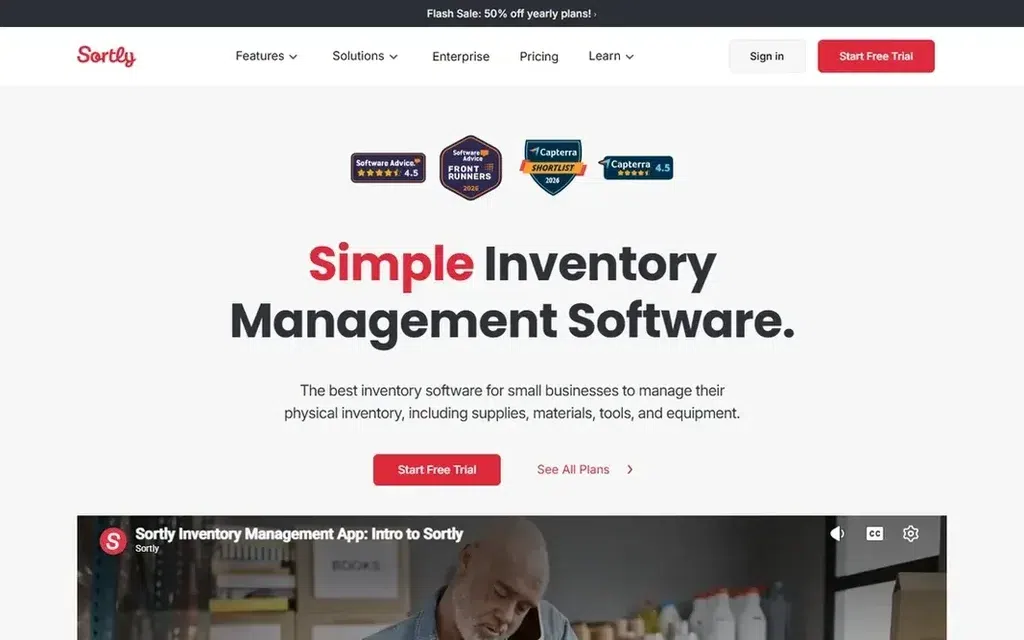
In short, Sortly is for straightforward visual inventory for small retail teams. If you need depreciation schedules, work orders, or deep ERP integration, a more specialized asset or ERP system may be a better fit.
Entry price for Sortly: $24 per month. A free plan is available with Sortly.
Limits to weigh: May not scale to complicated multi-store ERP needs.
- Visual inventory with photos
- Simple system for people and locations
- Restricted advanced asset lifecycle features
Zebra Asset Tracking
Best for: RFID and barcode retail operations
Zebra Asset Tracking makes the most sense for RFID and barcode retail operations. Choose Zebra when RFID and rugged mobile devices are core to your tracking strategy instead of a pure software-only approach.
Points against: Hardware-centric approach may need integration.
The hardware and software combination supports live visibility across locations. For everyday use, Zebra Asset Tracking centers on mobile computers, scanners, printers, and RFID to digitize and automate operations. This comparison lists no price for Zebra Asset Tracking; ask the vendor. Free options: Not stated.
- Live tracking via RFID and scanners
- Capable for store-floor asset visibility
- Less centred on fixed-asset accounting
How we chose
Selection started from tools commonly considered for asset tracking software for retail stores, then narrowed to 5 that have clear pricing information or a clear quote process. Prices and plan limits come from vendor pages and can change, so confirm them on the vendor site before you buy. Tools are placed by general fit for asset tracking software for retail stores, with price clarity and free access as tie-breakers. A different team can reasonably rank them differently.
What to check before you buy
- Ask Asset Panda and Zebra Asset Tracking for a written quote, since no starting price is shown.
- Test the free plan from Sortly against your real workload before relying on it.
- Before choosing Fishbowl Inventory, weigh its main limit: Asset tracking is secondary to inventory.
- Add up seats, add-ons and usage charges for Sortly before comparing it with cheaper entries.
- A short pilot of Asset Panda with your real workflow tells you more than a feature table.
FAQ
Is Fishbowl Inventory the right pick for everyone comparing asset tracking software for retail stores?
No single tool suits every team. Fishbowl Inventory comes first because it fits Inventory and warehouse control with accounting links, while Wasp Barcode Technologies Asset Tracking suits Barcode-based asset and inventory tracking and Asset Panda suits mobile-first asset lifecycle management. Match the tool to your own size, budget and workflow before deciding.
How does asset tracking differ from inventory management?
Asset tracking generally spans durable items like fixtures, tools, and IT equipment, including lifecycle and maintenance. Inventory management concentrates on stock for sale, including quantities, reordering, and warehouse movement. Some tools combine both.
How are the tools for asset tracking software for retail stores ordered?
Fishbowl Inventory sits first and Zebra Asset Tracking last because the order follows typical fit for asset tracking software for retail stores, then price clarity and free access. It is a judgement call, so read each profile for fit and limits.
What should a retail store look for in asset tracking software?
Focus on the asset types you have to track, for example fixed assets, inventory, or equipment, and whether barcode or RFID is required. Also check mobile access, integration with accounting or POS systems, and reporting for audits.
Can asset tracking software manage several store locations?
Plenty of tools support several locations with role-based access and location tagging. Confirm that the software lets you to segment assets by store and roll up reporting across locations if needed.
Do these tools publish their prices?
Not all of them. Asset Panda and Zebra Asset Tracking publish no starting price, so expect a quote request for those. The rest, Fishbowl Inventory included, show a starting price, though seats and billing terms still change the final cost.
Sources
- https://www.fishbowlinventory.com
- https://www.waspbarcode.com
- https://www.assetpanda.com
- https://www.sortly.com
- https://www.zebra.com