Best Asset Tracking Software for Ecommerce Brands for 2026: Our 6 Vetted Picks
Best asset tracking software for ecommerce brands in 2026: 6 tools with starting prices, free plans and limits. Caveats come with every verdict. Quick to scan.
- Editor's choiceKatana Cloud Inventory
Product brands running production
Starts atSee websiteVisit katanamrp.comFull review - Great alternative
 NetSuite
Large brands wanting AI cloud ERP
Starts atSee websiteVisit netsuite.comFull review - Also consider
 Odoo Inventory
Modular warehouse and stock tracking
Starts atSee websiteVisit odoo.comFull review
Direct answer
Katana Cloud Inventory is the first pick on this list for product brands running production. Listed starting prices: Cin7 Core from $349 a month and Fishbowl Inventory from $229 a month. For a different need, NetSuite covers large brands wanting AI cloud ERP and Odoo Inventory covers modular warehouse and stock tracking. Prices, free plans and limits for all 6 tools follow.
TL;DR:
- Top of the list is Katana Cloud Inventory, which targets product brands running production.
- SAP Business One fits midsize brands consolidating core operations.
- The lowest published monthly entry price here is $229 per month, from Fishbowl Inventory.
- Check the limits for NetSuite before you commit: enterprise scope can overwhelm small teams.
Last checked November 2026. Prices and plan details were read from the vendors' own pages in November 2026; vendors change plans often, so confirm the current price on the vendor site before you buy.
Quick comparison
| Tool | Best for | Starts at | Free plan? | |
|---|---|---|---|---|
| Katana Cloud Inventory | Product brands running production | See website | Yes | Visit |
| NetSuite | Large brands wanting AI cloud ERP | See website | Not stated | Visit |
| Odoo Inventory | Modular warehouse and stock tracking | See website | Not stated | Visit |
 Cin7 Core | Inventory plus small business ERP | $349 a month | No | Visit |
 Fishbowl Inventory | QuickBooks and Xero users tracking stock | $229 a month | Not stated | Visit |
 SAP Business One | Midsize brands consolidating core operations | See website | Not stated | Visit |
The full asset tracking software for ecommerce brands list
This LinkVetted guide covers 6 asset tracking software for ecommerce brands. Each profile lists a starting price, free plan details, strengths and drawbacks, so you can drop poor fits quickly.
Katana Cloud Inventory
Best for: Product brands running production
Katana Cloud Inventory was built for product brands running production. It suits ecommerce brands that assemble or manufacture goods and have to see materials, finished stock and orders together instead of tracking production separately from sales.
Upsides: Stock.
On top of that, the production emphasis is less relevant for brands that only resell finished goods, where more straightforward stock tools may be enough. Katana Cloud Inventory shows no starting price here, so confirm the cost on the vendor site. Katana Cloud Inventory includes a free tier.
Honest limits: Live system demands accurate continuing data entry.
- Orders and production on one live system
- Fits product firms that also manufacture
- Production focus may exceed pure reseller needs
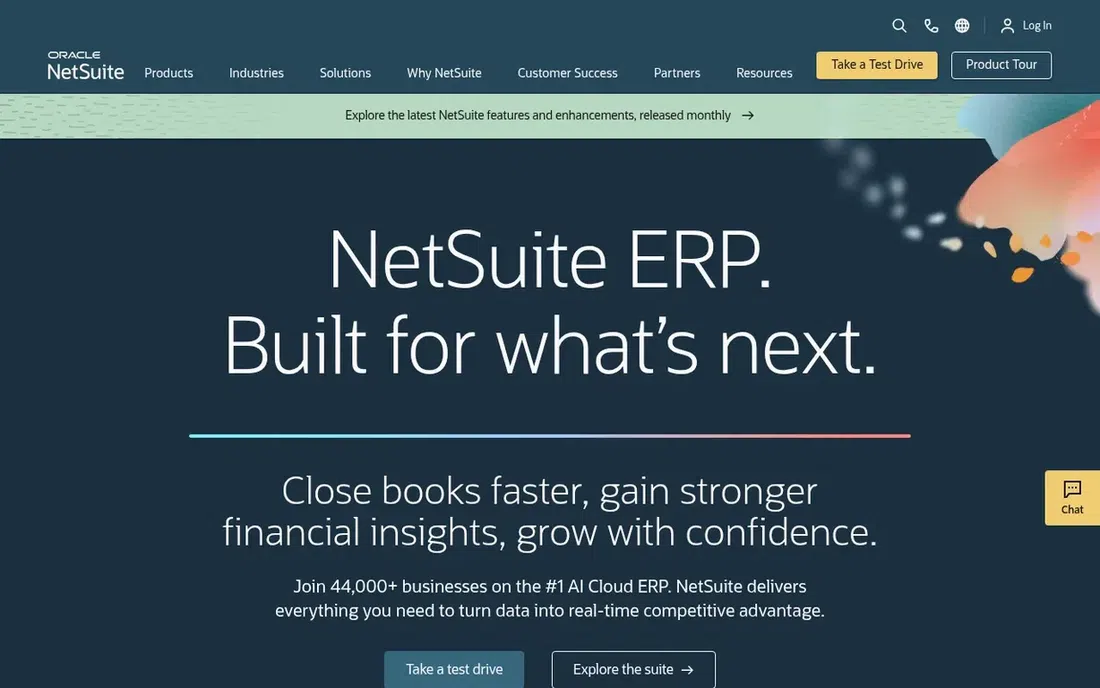
Choose NetSuite for large brands wanting AI cloud ERP. NetSuite presents itself as an AI cloud ERP that brings financials, CRM, accounting and inventory management together.
Limits to weigh: Enterprise scope can overwhelm small teams.
If your operation is still compact, a focused inventory tool will likely be simpler to run. Choose NetSuite when cross-department visibility matters more than fast, narrow deployment. Pricing for NetSuite is not stated here, so ask the vendor for current figures. Free access: Not stated.
- CRM and inventory
- Single system for plenty of business functions
- Implementation demands planning and resources
Odoo Inventory serves modular warehouse and stock tracking. The modular model means configuration choices multiply as you add apps, which can slow down a team that just wants tracking running rapidly.
Points against: Numerous modules can complicate configuration.
Beyond that, Odoo Inventory is the vendor's inventory and tracking system for warehouse management, offered as part of a broader modular app suite. Odoo Inventory does not show a starting price in this comparison, so check the vendor site for current pricing. Free plan details: Not stated.
- Modular approach lets you add features
- Extends into other business apps
- Needs decisions about which apps to use
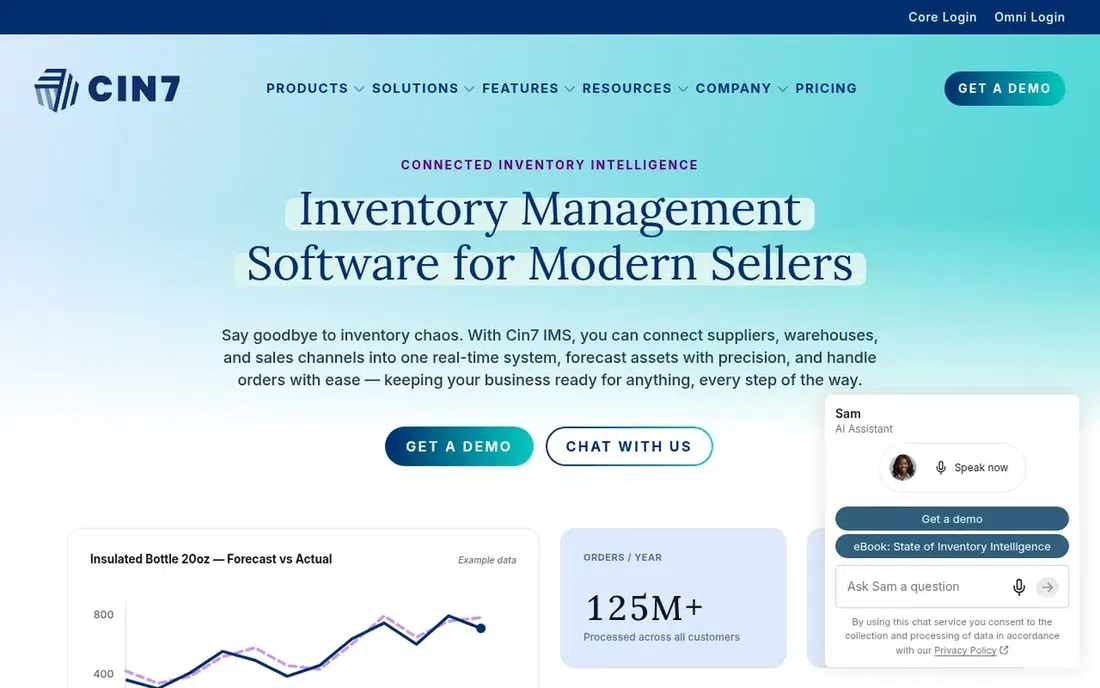
Where Cin7 Core fits: Inventory plus small business ERP. It suits ecommerce brands that have outgrown spreadsheets and want stock, purchasing and core business processes handled in one connected system instead of multiple disconnected tools.
Cin7 Core cost at the entry level: $349 per month. Cin7 Core has no free plan.
Limits to weigh: Wide feature set takes time to learn.
- Targeted at small and growing companies
- Simplifies stock handling across sales channels
- May be more than a straightforward tracker needs
Where Fishbowl Inventory fits: QuickBooks and Xero users tracking stock. Fishbowl Inventory is positioned by its vendor as inventory management software for QuickBooks and Xero, with stock tracking, automatic reorders and warehouse management.
Watch-outs: Accounting-centric focus may not fit every stack.
It fits ecommerce brands already running their books in either accounting system and wanting inventory records to stay close to financial data without rebuilding their accounting process. Starting cost for Fishbowl Inventory: $229 per month. Free options: Not stated.
- Handles stock tracking and warehouse management
- Built around QuickBooks and Xero workflows
- Warehouse features can be more than small sellers need
SAP Business One was built for midsize brands consolidating core operations. As an ERP, it assumes a level of process discipline.
Trade-offs to know: May feel formal for very small sellers.
So a young brand with straightforward tracking needs may find it heavier than necessary. Check the vendor site for SAP Business One pricing; none is listed in this comparison. As for free access: Not stated.
- One complete system for core processes
- Made for small and midsize firms
- Structured setup needs planning
How we built this list
Questions to settle before buying
- Confirm the entry price on the vendor page. For Katana Cloud Inventory, NetSuite, Odoo Inventory and SAP Business One that means a quote rather than a fixed price.
- Look at the free plan from Katana Cloud Inventory closely: its caps decide whether it is usable for real work.
- Before choosing Katana Cloud Inventory, weigh its main limit: production focus may exceed pure reseller needs.
- Involve the people who will use Odoo Inventory daily; a short pilot beats a long feature checklist.
- Ask Fishbowl Inventory how an export works before you move any records in; an easy exit lowers the risk.
FAQ
Do these tools publish their prices?
Not all of them. Katana Cloud Inventory, NetSuite, Odoo Inventory and SAP Business One publish no starting price, so expect a quote request for those. The rest, Cin7 Core included, show a starting price, though seats and billing terms still change the final cost.
What should an ecommerce brand look for in asset tracking software?
Focus on how the tool tracks stock across your sales channels and warehouses, and whether it links to your accounting system. Also check order and shipping handling, since ecommerce tracking normally spans sales flow as much as stored inventory.
Can these tools work alongside QuickBooks or Xero?
Fishbowl Inventory is specifically positioned for QuickBooks and Xero users, with stock tracking and warehouse management around those accounting systems. For other tools, confirm accounting integration straight with the vendor before deciding.
How are the tools for asset tracking software for ecommerce brands ordered?
Katana Cloud Inventory sits first and SAP Business One last because the order follows typical fit for asset tracking software for ecommerce brands, then price clarity and free access. It is a judgement call, so read each profile for fit and limits.
Is Katana Cloud Inventory the right pick for everyone comparing asset tracking software for ecommerce brands?
No single tool suits every team. Katana Cloud Inventory comes first because it fits product brands running production, while NetSuite suits large brands wanting AI cloud ERP and Odoo Inventory suits modular warehouse and stock tracking. Match the tool to your own size, budget and workflow before deciding.
Do I need full ERP software or just inventory tracking?
ERP systems like NetSuite or SAP Business One make sense when purchasing, accounting and inventory have to be managed together across teams.
Sources
- https://katanamrp.com
- https://www.netsuite.com
- https://www.odoo.com/app/inventory
- https://www.cin7.com
- https://www.fishbowlinventory.com
- https://www.sap.com/products/erp/business-one.html