6 Best AR Platform Brands for 2026, Vetted and Compared
Need the best AR platform brands? We compare 6 tools on cost, free access and who each suits. Trade-offs are spelled out for each entry. Decide faster.
- Editor's choiceZappar
Brand AR with creative and hardware
Starts atSee websiteVisit zappar.comFull review - Great alternativeARKit
Native AR on Apple devices
Starts atSee websiteVisit developer.apple.comFull review - Also consider
 8th Wall
Browser-based AR and 3D
Starts atSee websiteVisit 8thwall.comFull review
Direct answer
If you need brand AR with creative and hardware, Zappar is the first tool to look at here. Listed starting prices: Unity MARS from $210.00 a month. Look at ARKit for native AR on Apple devices, and at 8th Wall for browser-based AR and 3D. The other 3 tools in the list cover narrower or pricier cases.
TL;DR:
- Zappar takes the first slot, best suited to brand AR with creative and hardware.
- A fair warning about Zappar: less engine-like for game teams.
- Zappar, Unity MARS and the 4 others all need a premium plan or a trial, since no free plan is listed.
- Starting prices begin at $210.00 per month with Unity MARS.
Last checked November 2026. Prices and plan details were read from the vendors' own pages in November 2026; vendors change plans often, so confirm the current price on the vendor site before you buy.
Quick comparison
| Tool | Best for | Starts at | Free plan? | |
|---|---|---|---|---|
| Zappar | Brand AR with creative and hardware | See website | Not stated | Visit |
| ARKit | Native AR on Apple devices | See website | Not stated | Visit |
| 8th Wall | Browser-based AR and 3D | See website | Not stated | Visit |
| ARCore | Android and cross-device AR development | See website | Not stated | Visit |
 Vuforia Engine | Enterprise AR tracking and options | See website | Not stated | Visit |
| Unity MARS | AR inside a full game engine | $210.00 a month | Free trial | Visit |
6 AR platform brands in detail
If you are comparing AR platform brands, this page covers 6 tools in one place: what each is best for, what it costs to start, whether it has a free plan, and the main limit to know about.
Zappar
Best for: Brand AR with creative and hardware
Where Zappar fits: brand AR with creative and hardware. Zappar describes itself as an augmented reality options provider helping brands, firms and creators through an in-house creative studio plus product and hardware offerings. Zappar is oriented toward options and creative services, so pure engineering teams wanting raw framework control may find native SDKs or Unity more direct.
On top of that, evaluate whether you need the studio and hardware layer or just tracking tools. More specifically, choose Zappar when brand campaigns and guided AR delivery are the priority. Zappar shows no starting price here, so confirm the cost on the vendor site. As for free access: Not stated.
Watch-outs: Less engine-like for game teams.
- In-house creative studio
- Product plus hardware options
- Solution-oriented instead of DIY-first
ARKit
Best for: Native AR on Apple devices
Choose ARKit for native AR on Apple devices. Pick ARKit when your audience is on Apple devices and you want native integration instead of an engine layer. Also, ARKit does not include Android, so cross-platform products need a second framework or an engine like Unity.
It also assumes familiarity with Apple's development environment. Also, ARKit is Apple's framework for building augmented reality experiences on iOS and iPadOS, described by Apple as among the biggest AR products. It hands native access to device cameras and sensors through Apple's developer tools, which fits teams already shipping iPhone and iPad apps. Check the vendor site for ARKit pricing; none is listed in this comparison. On free options: Not stated.
Limits to weigh: Apple systems only.
- Apple developer tooling
- Native performance path
- Needs Apple development setup
8th Wall is designed for browser-based AR and 3D. Pick 8th Wall when frictionless web access and open source adaptability matter most.
It suits web developers who want AR layered onto existing sites and digital content. This comparison lists no price for 8th Wall; ask the vendor. As for free access: Not stated.
Trade-offs to know: Needs web development skills.
- Interactive 3D experiences
- Web AR delivery
- Web performance constraints
ARCore
Best for: Android and cross-device AR development
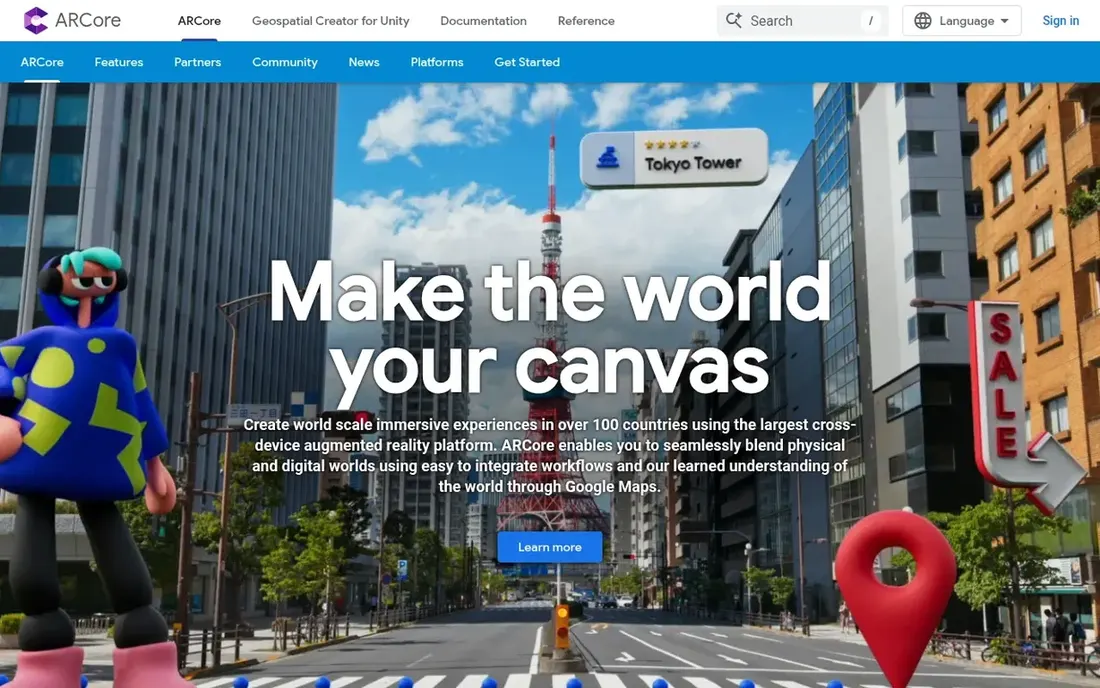
ARCore is designed for Android and cross-device AR development. ARCore is Google's augmented reality system for building world-scale, immersive experiences that blend digital and physical content. On top of that, choose ARCore when Android reach and Google's developer resources are the priority for your AR app.
The developer site links to getting-started resources, making it a natural entry point for Android and cross-device AR work. It also assumes coding and build tooling knowledge. No starting price is listed for ARCore here; confirm pricing on the vendor site. On free options: Not stated.
Honest limits: Android-focused ecosystem.
- Blends digital and physical worlds
- World-scale immersive AR
- Needs developer setup

Vuforia Engine is aimed squarely at enterprise AR tracking and options. Since it is framed around enterprise options, the system can feel involved for hobbyists or straightforward consumer apps.
In practice, Vuforia Engine is PTC's enterprise augmented reality software, positioned for organizations building AR options that transform business operations. Vuforia Engine shows no starting price here, so confirm the cost on the vendor site. Free plan details: Not stated.
Watch-outs: Less suited to casual app AR.
- Expansive enterprise AR capabilities
- Capable tracking focus
- Enterprise-oriented complexity
Unity MARS
Best for: AR inside a full game engine
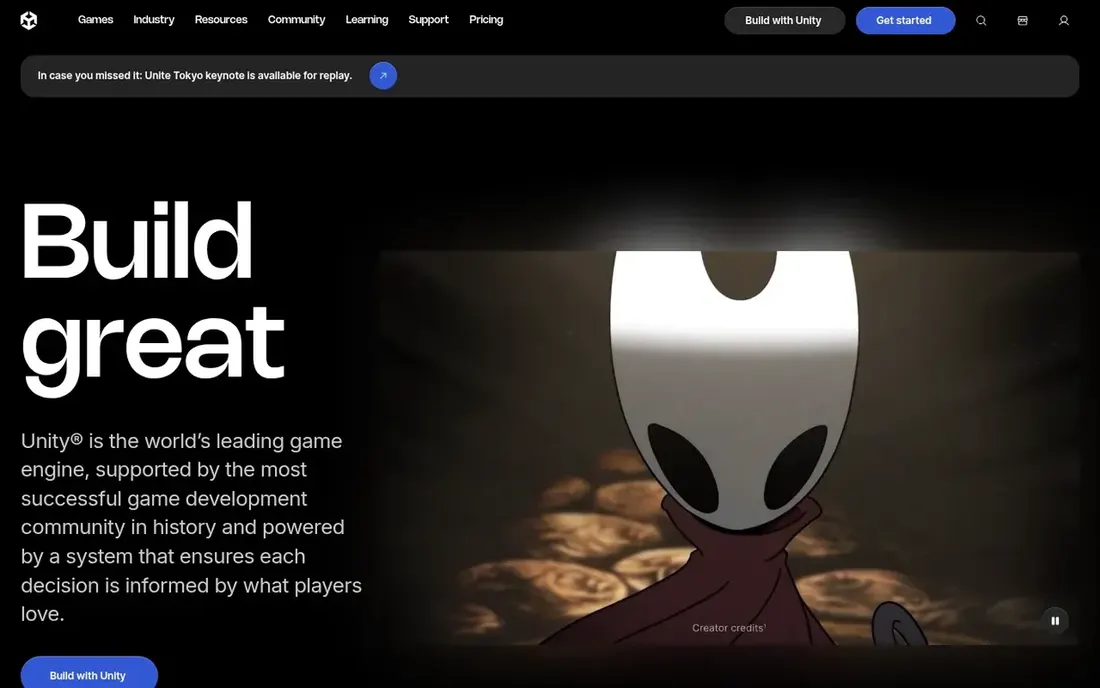
Unity MARS is a good fit for AR inside a full game engine. If your goal is a light AR feature inside an existing iOS or Android app, a native framework is frequently more straightforward. On top of that, teams that already build in Unity can author AR experiences alongside other interactive content, reusing assets and workflows.
Limits to weigh: Needs Unity familiarity.
Highlights: Supports mobile, PC; console and XR.
Unity MARS is an AR toolset built on the Unity engine, which the vendor describes as a 3D engine for mobile, PC, console, XR and industrial applications. Choose Unity MARS when AR is part of a broader live 3D pipeline. The tradeoff is that MARS assumes comfort with Unity and its editor, so small native app teams may find it heavier than needed. Entry price for Unity MARS: $210.00 per month. Free plan details: Free trial.
- Cross-platform AR authoring
- Links up with Unity workflows
- Heavier setup than native SDKs
What went into this list
LinkVetted looked at what each vendor publishes: pricing, plan limits, feature coverage for AR platform brands and stated drawbacks. No hands-on testing is claimed. Plan names, prices and limits change often. Treat the figures here as a starting point and verify them with the vendor. We ordered the tools by general fit, then by how clearly pricing is shown, then by free access. A buyer with unusual needs may reorder them.
A buyer's checklist
- Get a written quote from Zappar, ARKit, 8th Wall and others; the list shows no starting price for them.
- Run a trial of Unity MARS with real work before paying for a year; your own workflow is the best test.
- Read the limits listed for Zappar first: less engine-like for game teams.
- A short pilot of Unity MARS with your real workflow tells you more than a feature table.
- The entry price of 8th Wall is only the starting point; model the full cost with seats and extras.
FAQ
Can I build one AR experience for both iOS and Android?
Yes, but it normally takes either a cross-platform engine like Unity MARS or a web approach like 8th Wall. Using ARKit and ARCore separately means maintaining two codebases.
Is Zappar the right pick for everyone comparing AR platform brands?
No single tool suits every team. Zappar comes first because it fits brand AR with creative and hardware, while ARKit suits native AR on Apple devices and 8th Wall suits browser-based AR and 3D. Match the tool to your own size, budget and workflow before deciding.
Can I try these tools before paying?
Often, yes. Unity MARS offers a free trial. Use your own data and a real task during the test, and check what the free tier or trial limits before you rely on it.
What is the cheapest option for AR platform brands in this list?
On published monthly entry prices, Unity MARS is the lowest here at $210.00 per month. Entry price is only part of the cost, because seats, add-ons and billing terms can change the total.
Do these tools publish their prices?
Not all of them. Zappar, ARKit, 8th Wall and others publish no starting price, so expect a quote request for those. The rest, Unity MARS included, show a starting price, though seats and billing terms still change the final cost.
Sources
- https://www.zappar.com
- https://developer.apple.com/augmented-reality
- https://www.8thwall.com
- https://developers.google.com/ar
- https://www.ptc.com/en/products/vuforia
- https://unity.com