8 Best Apps to Learn Dutch for 2026
Compare the best apps to learn Dutch for beginners, travelers, and serious learners, with prices, speaking practice, and honest limits for all levels in 2026.
- Editor's choice
 Duolingo
Beginners who need a daily habit and a free start
Starts atFree, Super from $12.99 per monthVisit duolingo.comFull review - Great alternative
 Babbel
Learners who want structured lessons with grammar in context
Starts atFrom about $8.95 per monthVisit babbel.comFull review - Also consider
 Rosetta Stone
Learners who prefer immersion without translation
Starts atFrom $11.99 per monthVisit rosettastone.comFull review
TL;DR:
- Duolingo suits daily habit building, while Babbel and Busuu suit learners who want clearer grammar and structure.
- Pimsleur and italki suit speaking first learners, with audio drills or live tutors rather than screen only lessons.
- Rosetta Stone suits immersion fans, but learners who want grammar explanations may prefer Babbel or LingQ.
- No app alone makes you fluent, so pair app study with listening, reading, and real conversation in Dutch.
- Dutch courses vary by app, so check depth for your level before paying for a full year.
Quick comparison
| Tool | Best for | Starts at | Free plan? | |
|---|---|---|---|---|
| Duolingo | Beginners who need a daily habit and a free start | Free, Super from $12.99 per month | Yes | Visit |
| Babbel | Learners who want structured lessons with grammar in context | From about $8.95 per month | No | Visit |
| Rosetta Stone | Learners who prefer immersion without translation | From $11.99 per month | No | Visit |
 Pimsleur | Commuters and speaking first learners who prefer audio | From $19.95 per month | No | Visit |
 Busuu | Learners who want lessons plus corrections from native speakers | From about $8.99 per month | Yes, limited | Visit |
 Memrise | Vocabulary building with videos of real native speakers | From about $24.99 per month | Yes, limited | Visit |
 LingQ | Intermediate learners who want to read and listen to real Dutch | From $14.99 per month | Yes, limited | Visit |
 italki | Learners who want live Dutch conversation with a tutor | From about $4 per lesson | No | Visit |
The best apps to learn Dutch

Duolingo is the easiest way to start Dutch. Lessons are short, the Dutch course covers basic vocabulary and sentence patterns, and streaks help many learners keep going past the first week. The free tier covers the core course with ads, so you can test whether daily Dutch study fits your routine before paying. Super removes ads and adds offline lessons and extra practice options. The limit shows up after the beginner stage. Grammar is taught mostly through patterns, not clear rules, and conversation practice stays simple. Duolingo works best as a habit builder and vocabulary base, paired later with a tutor, a podcast, or a reading app. If you want deep grammar from day one, start with Babbel instead and use Duolingo as a second daily drill.
- Free core course, gamified streaks, short lessons that fit busy days
- Grammar explanations are thin, and speaking practice is limited
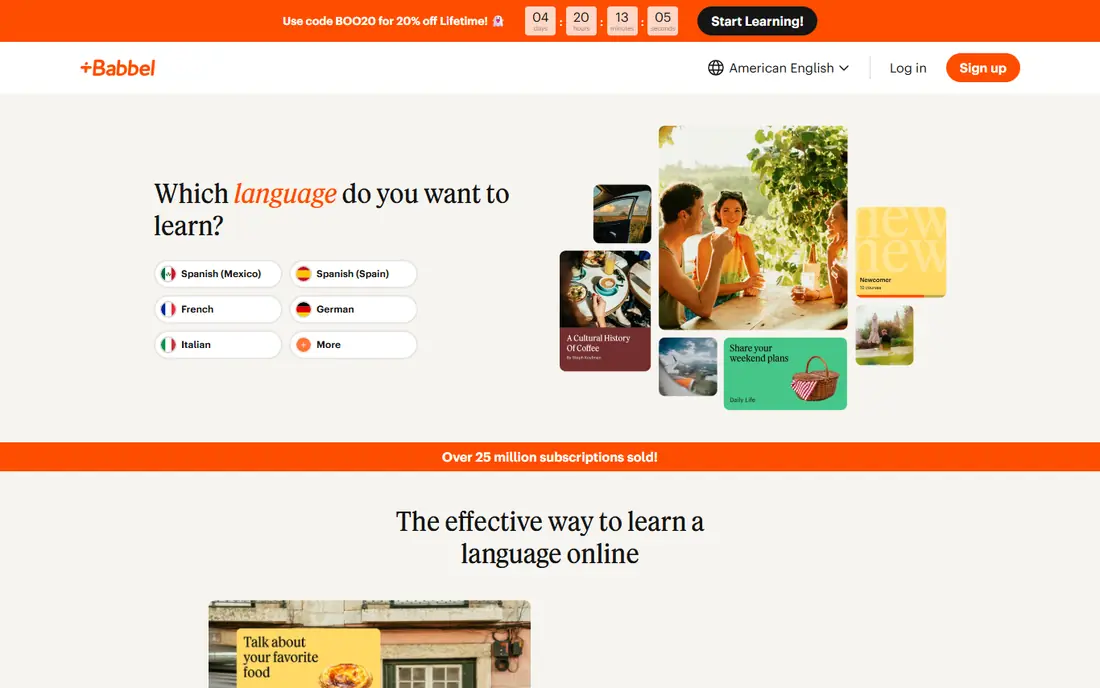
Babbel treats Dutch as a language to use, not just to memorize. Lessons introduce phrases for travel, work, and daily life, then explain the grammar behind them in short, clear notes. Speech recognition gives basic pronunciation feedback, and review sessions bring back words before you forget them. That structure suits learners who get frustrated by apps that never explain why a sentence works. Course depth is the trade-off. Babbel offers fewer Dutch lessons than it offers for its largest languages, so advanced learners may finish the core path sooner than expected. It still covers a strong beginner to intermediate base, especially for speaking in shops, at work, and on trips. Pair Babbel with Dutch media once you can follow simple conversations.
- Lessons built by language experts, clear grammar notes, conversation focused phrases
- Dutch course depth is smaller than for larger languages like Spanish

Rosetta Stone teaches Dutch through pictures, audio, and matching tasks, with little or no English translation. That immersion style helps learners connect Dutch words directly to meaning, and the TruAccent speech tool gives feedback on pronunciation at a detailed level. A lifetime option for one language can appeal to learners who plan to study Dutch for years. The same design can frustrate learners who want a quick grammar rule or a translation for a tricky word. Progress can also feel slow, since each lesson repeats patterns before moving on. Rosetta Stone fits best for patient learners who like visual immersion and speaking practice, and who are happy to look up grammar elsewhere when needed.
- Image based immersion, pronunciation feedback, lifetime option for one language
- No translations by design, and grammar rules are rarely explained
Pimsleur is built for the car, the walk, and the gym. Each Dutch lesson is about 30 minutes of listen and respond audio, with spaced recall that brings back phrases at growing intervals. You speak from the start, which builds confidence for real conversations faster than screen tapping alone. That audio focus suits travelers who need to order, ask directions, and handle simple chats in the Netherlands or Belgium. Reading, spelling, and grammar study get less time than in Babbel or Duolingo. Pimsleur also costs more per month than many rivals, so it fits best as a focused speaking tool rather than a sole course. Use it for a daily audio habit, then add reading and writing practice with another app or a simple Dutch book.
- 30 minute audio lessons, speaking from the first lesson, hands-free learning
- Higher monthly price, and reading and writing get less attention
Busuu combines a structured Dutch course with a community that can correct your written and spoken exercises. That feedback loop is valuable, since a native speaker can catch word order, article use, and tone that an automated checker may miss. Lessons cover grammar, vocabulary, and conversation topics in a clear order, and reviews help lock in new words. Community size matters. Dutch has fewer active correctors than Spanish or French, so feedback may take longer. The free tier also limits some features, though it still lets you test the course style. Busuu fits best for learners who will actually submit exercises and use feedback, not just tap through lessons. If you want faster feedback, add a tutor on italki for weekly conversation.
- Structured courses, community corrections, grammar and vocabulary reviews
- Dutch community size is smaller than for major languages
Memrise stands out for listening. Short videos of real Dutch speakers show how phrases sound in natural speech, including speed, rhythm, and informal forms that textbook audio can miss. Spaced repetition then tests those words until they stick, which helps for travel phrases and everyday vocabulary. The app suits learners who already know some basics and want to expand what they can understand. Grammar teaching is thinner than in a full course, and the monthly price is high compared with annual plans from rivals. Memrise works best as a vocabulary and listening booster alongside a structured course. Check the annual price before subscribing, since monthly billing costs far more over a year.
- Native speaker video clips, spaced repetition, useful phrase collections
- Monthly price is high, and grammar structure is thinner than Babbel
LingQ is for learners who are ready to move beyond set lessons. You can read Dutch articles, listen to podcasts, import your own texts, and tap unknown words to save them for review. That real content approach builds vocabulary in context and helps you understand Dutch as it is actually used, from news to stories to everyday blogs. It suits intermediate learners who can already follow simple Dutch. Beginners may struggle, since LingQ does not guide you through a fixed grammar path. It works best after Duolingo or Babbel has built a base, or alongside a tutor who can explain grammar from your reading. If you enjoy reading and want Dutch to feel less like a school subject, LingQ is a strong next step.
- Real articles, podcasts, and books, word tracking, import your own content
- Less structured than a course, so beginners may feel lost
italki is not a course app in the usual sense. It connects you with Dutch tutors for live video lessons, priced per lesson rather than by subscription. That live practice is the fastest way to fix pronunciation, learn natural phrasing, and build confidence for real talks. You can choose a professional teacher for structured lessons or a community tutor for conversation practice, and set a schedule that fits your week. Cost adds up with regular lessons, so italki works best as a weekly or biweekly complement to an app, not as a daily replacement for self study. Prepare a topic or a set of questions before each lesson, and ask the tutor to correct you in a way you can review later. One live session a week, plus daily app practice, often beats app study alone.
- Real tutors, flexible scheduling, lessons matched to your level and goals
- Pay per lesson, so regular tutoring costs more than a subscription
How we picked these
We chose apps with a current Dutch course or Dutch tutor offering, a working homepage, and a clear learning method. We mixed gamified apps, structured courses, audio tools, immersion tools, reading tools, and live tutoring, so readers can build a stack rather than relying on one app for every skill. We weighted Dutch course depth, speaking practice, and price clarity. Some apps offer less Dutch content than for larger languages, and we noted that where it matters. We did not rank apps by download counts, since popularity does not show whether a Dutch course covers your level or learning style.
How to build a Dutch study routine that lasts
Start with 15 to 20 minutes a day, not an hour that fades after a week. Use one main app for structure, such as Babbel or Duolingo, and add one speaking habit, such as Pimsleur audio or a weekly italki lesson. That mix covers reading, listening, and speaking without making study feel like a second job. Add real Dutch as soon as you can follow simple sentences. Try a slow Dutch podcast, a news article with LingQ, or a short video with subtitles. Keep a small list of phrases you actually need, for travel, work, or family, and review them weekly. Progress in Dutch comes from steady, small sessions plus real use, not from finishing every lesson in one app.
FAQ
What is the best app to learn Dutch?
Babbel suits many learners for structured grammar and conversation, while Duolingo suits beginners who need a free daily habit. The best app to learn Dutch depends on your goal. For speaking fast, add Pimsleur or italki. For reading real Dutch, add LingQ after a beginner base.
Can I learn Dutch for free?
Yes, at a basic level. Duolingo offers a free Dutch course, and Busuu, Memrise, and LingQ offer limited free tiers. Free apps cover vocabulary and simple sentences well. Paid plans or tutoring become useful for grammar depth, speaking feedback, and intermediate content.
How long does it take to learn Dutch with an app?
Basic travel Dutch can take a few months of daily study, while comfortable conversation often takes a year or more of steady practice. Time depends on daily minutes, prior language experience, and live practice. Apps build a base, but regular listening and speaking speed up progress more than extra lessons alone.
Is Dutch hard to learn for English speakers?
Dutch shares many words and structures with English, which helps beginners, but pronunciation, word order, and articles take practice. Apps with speech feedback and live tutors help with sounds that do not exist in English. Consistent speaking practice matters more than memorizing long word lists.
Should I use Duolingo or Babbel for Dutch?
Use Duolingo if you want a free, gamified daily habit and are happy to learn grammar through patterns. Use Babbel if you want clearer grammar notes and conversation lessons in a set order. Many learners use both, with Duolingo for daily drills and Babbel as the main course.
Do I need a tutor to learn Dutch?
Not at first, but a tutor helps a lot once you can form simple sentences. A weekly italki lesson can fix pronunciation, explain grammar from your own mistakes, and give you real conversation practice. If tutoring is out of budget, language exchange partners and Dutch media can add similar speaking and listening practice.
Sources
https://www.duolingo.com https://www.babbel.com https://www.rosettastone.com https://www.pimsleur.com https://www.busuu.com https://www.memrise.com https://www.lingq.com https://www.italki.com