Best Apps to Learn Polish in 2026: 8 Apps Compared
Compare the best app to learn polish in 2026, with grammar support, speaking practice, vocabulary tools, prices, and free plans for learners. Check our guide.
- Editor's choice
 Duolingo
Free daily Polish habit
Starts atFreeVisit duolingo.comFull review - Great alternative
 Babbel
Structured Polish lessons with grammar
Starts atSee websiteVisit babbel.comFull review - Also consider
 Mondly
Playful Polish practice with speech
Starts atSee websiteVisit mondly.comFull review
TL;DR:
- Duolingo is the best free starting point for a daily habit, but its grammar explanations are light for Polish.
- Babbel suits learners who want structured lessons and clearer grammar for Polish cases and verb forms.
- Pimsleur and Preply-style speaking practice suit learners who want to speak, though this list focuses on apps with full courses.
- Mondly, Memrise, and Drops suit vocabulary and short daily practice alongside a main course.
Quick comparison
| Tool | Best for | Starts at | Free plan? | |
|---|---|---|---|---|
| Duolingo | Free daily Polish habit | Free | Yes | Visit |
| Babbel | Structured Polish lessons with grammar | See website | Free trial | Visit |
| Mondly | Playful Polish practice with speech | See website | Yes | Visit |
 Rosetta Stone | Immersive Polish without translation | See website | Free trial | Visit |
 Pimsleur | Audio-first Polish speaking | See website | Free trial | Visit |
 Memrise | Vocabulary and video-based Polish | See website | Yes | Visit |
 LingQ | Reading and listening in Polish | See website | Yes | Visit |
 Drops | Five-minute Polish vocabulary sessions | See website | Yes | Visit |
The best apps to learn Polish
We compared Polish courses by grammar support, speaking practice, vocabulary, and price, because Polish cases, gender, and verb aspect punish a thin course more than many other languages do.
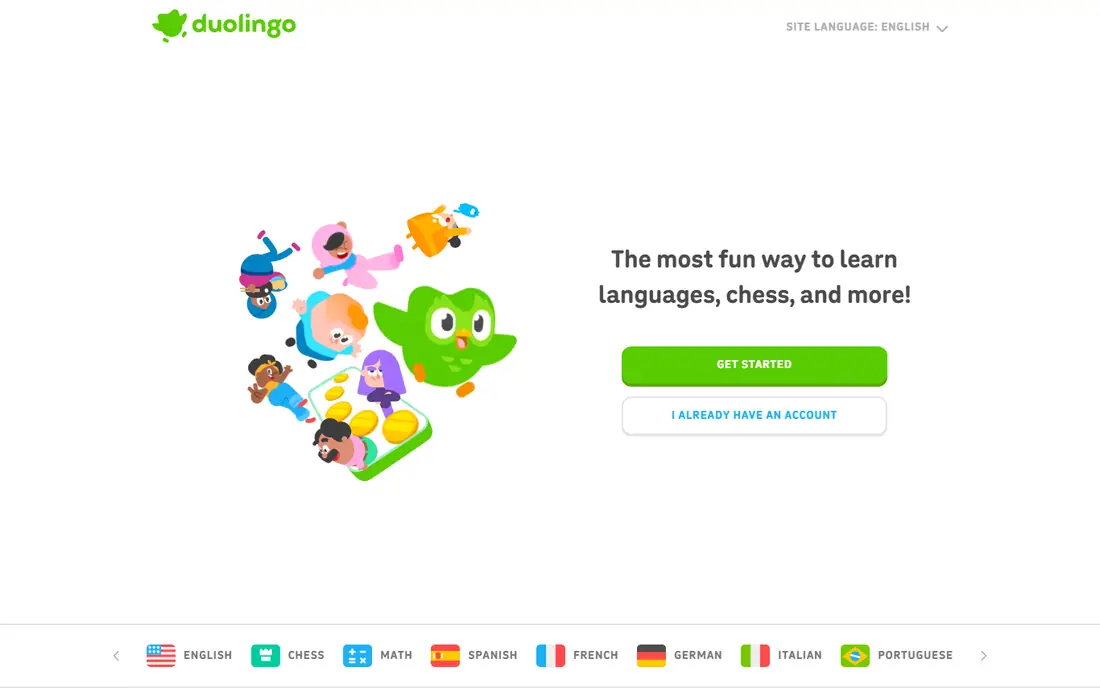
Duolingo is the best place to start for free because short lessons make a daily Polish habit easy to keep. If you need free daily polish habit, Duolingo keeps the core workflow close at hand, with a layout that is easy to learn on a first session and clear enough to return to after a break. Its main strength is how directly it serves that use case. You will build basic vocabulary and sentence patterns quickly, though you will likely need a grammar resource for cases and verb aspect as you advance. That focus also explains its main trade-off, because a tool built for one job will not cover every related job as well as a wider platform can. Check the free plan limits and the starting price on the vendor site before you commit, and test it on a real task from your own routine, such as a shop, a project, or a session with friends, to see if the limits matter to you.
- Free full course
- Short gamified lessons
- Streaks and leagues
- Light grammar explanations
- Hearts limit free practice
- Polish course depth is uneven
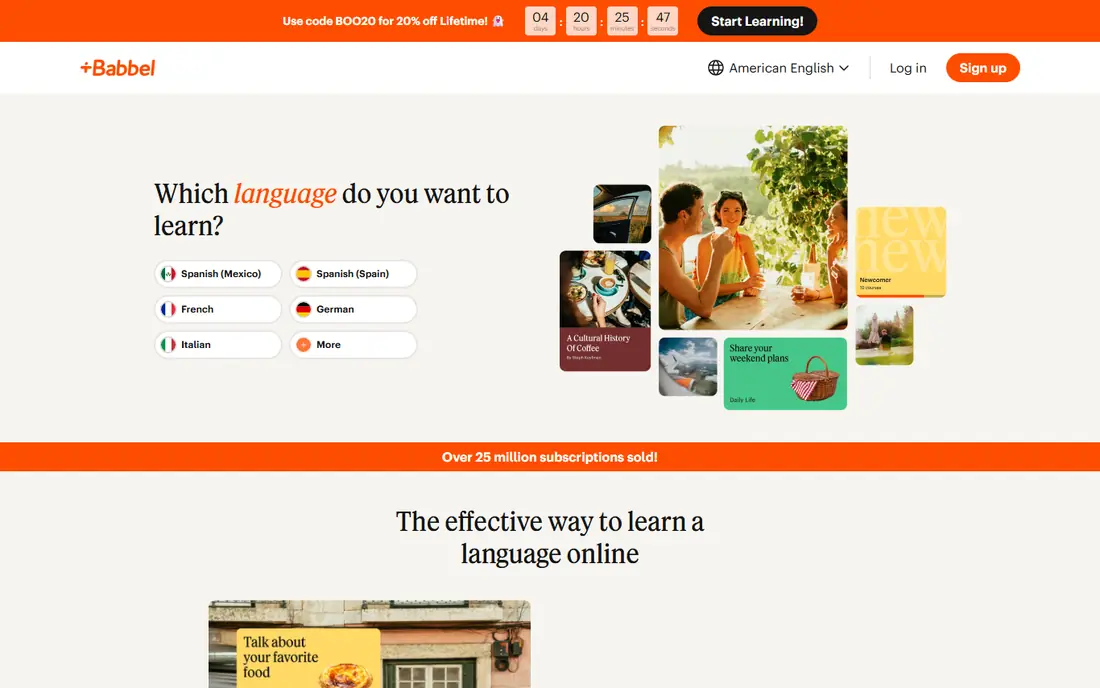
Babbel suits learners who want a classroom-style path through Polish rather than guessing rules from examples. This one suits structured polish lessons with grammar, Babbel keeps the core workflow close at hand, with a layout that is easy to learn on a first session and clear enough to return to after a break. Its main strength is how directly it serves that use case. Lessons are 10 to 15 minutes, cover practical topics, and explain grammar in a way that helps with Polish cases, which is a real advantage over gamified apps. That focus also explains its main trade-off, because a tool built for one job will not cover every related job as well as a wider platform can. Check the free plan limits and the starting price on the vendor site before you commit, and test it on a real task from your own routine, such as a shop, a project, or a session with friends, to see if the limits matter to you.
- Structured lessons
- Grammar explanations
- Real-life dialogues
- No permanent free tier beyond first lessons
- Fewer languages than Duolingo
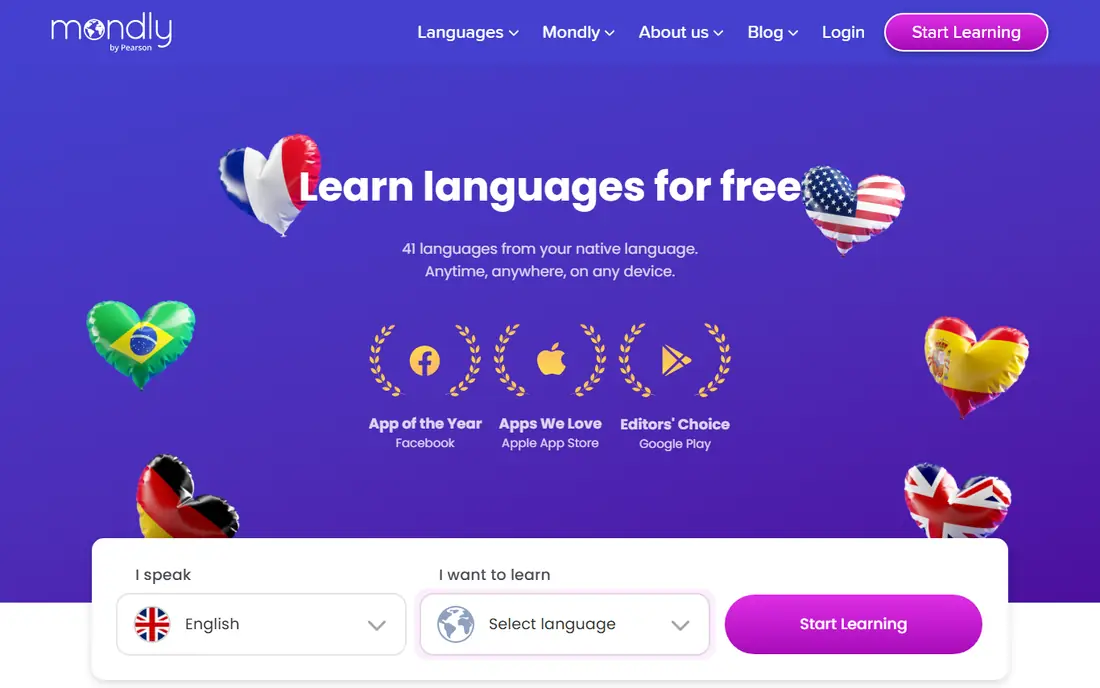
Mondly fits learners who want playful, interactive Polish practice and regular speaking prompts. We found playful polish practice with speech, Mondly keeps the core workflow close at hand, with a layout that is easy to learn on a first session and clear enough to return to after a break. Its main strength is how directly it serves that use case. Its chat-style exercises and speech checks help you practise pronunciation, and the free tier is enough to test whether the style suits you. That focus also explains its main trade-off, because a tool built for one job will not cover every related job as well as a wider platform can. Check the free plan limits and the starting price on the vendor site before you commit, and test it on a real task from your own routine, such as a shop, a project, or a session with friends, to see if the limits matter to you.
- Interactive lessons
- Speech recognition
- Augmented reality and chatbot features on some plans
- Free tier is limited
- Grammar depth is lighter than Babbel
Rosetta Stone suits learners who prefer learning Polish through images and context rather than English explanations. For users who prefer immersive polish without translation, Rosetta Stone keeps the core workflow close at hand, with a layout that is easy to learn on a first session and clear enough to return to after a break. Its main strength is how directly it serves that use case. The immersive method can build strong listening and reading habits, though many learners pair it with a grammar guide for Polish cases. That focus also explains its main trade-off, because a tool built for one job will not cover every related job as well as a wider platform can. Check the free plan limits and the starting price on the vendor site before you commit, and test it on a real task from your own routine, such as a shop, a project, or a session with friends, to see if the limits matter to you.
- Immersive image-based learning
- Speech recognition
- Structured units
- No translation or grammar explanations
- Higher price than app rivals
Pimsleur fits learners who want to speak Polish on walks, drives, or commutes without looking at a screen. When you want audio-first polish speaking, Pimsleur keeps the core workflow close at hand, with a layout that is easy to learn on a first session and clear enough to return to after a break. Its main strength is how directly it serves that use case. Each lesson builds on spoken phrases and prompts you to respond, which helps pronunciation and recall for travel and conversation. That focus also explains its main trade-off, because a tool built for one job will not cover every related job as well as a wider platform can. Check the free plan limits and the starting price on the vendor site before you commit, and test it on a real task from your own routine, such as a shop, a project, or a session with friends, to see if the limits matter to you.
- Audio lessons for speaking
- Spaced repetition
- Hands-free learning
- Audio focus means less reading and writing
- Subscription cost is higher
Memrise suits learners who want to hear real Polish speakers and build vocabulary fast. A good fit for vocabulary and video-based polish, Memrise keeps the core workflow close at hand, with a layout that is easy to learn on a first session and clear enough to return to after a break. Its main strength is how directly it serves that use case. Short video clips show how words sound in real speech, which helps with listening, and spaced repetition keeps older words in rotation. That focus also explains its main trade-off, because a tool built for one job will not cover every related job as well as a wider platform can. Check the free plan limits and the starting price on the vendor site before you commit, and test it on a real task from your own routine, such as a shop, a project, or a session with friends, to see if the limits matter to you.
- Video clips from native speakers
- Spaced repetition
- Vocabulary focus
- Course depth varies
- Full features need a paid plan
LingQ fits intermediate learners who want to read and listen to real Polish content at their level. If your priority is reading and listening in polish, LingQ keeps the core workflow close at hand, with a layout that is easy to learn on a first session and clear enough to return to after a break. Its main strength is how directly it serves that use case. You can import articles, look up words in context, and track known words, which is useful once basic grammar is in place. That focus also explains its main trade-off, because a tool built for one job will not cover every related job as well as a wider platform can. Check the free plan limits and the starting price on the vendor site before you commit, and test it on a real task from your own routine, such as a shop, a project, or a session with friends, to see if the limits matter to you.
- Large reading library
- Click-to-translate words
- Listening and vocabulary tracking
- Interface can feel busy for beginners
- Full features need a paid plan
Drops suits busy learners who want a short, visual vocabulary habit alongside a main Polish course. For shoppers who want five-minute polish vocabulary sessions, Drops keeps the core workflow close at hand, with a layout that is easy to learn on a first session and clear enough to return to after a break. Its main strength is how directly it serves that use case. Five-minute sessions focus on words and pictures, so it is easy to fit in a day, but you will need another app for grammar and sentences. That focus also explains its main trade-off, because a tool built for one job will not cover every related job as well as a wider platform can. Check the free plan limits and the starting price on the vendor site before you commit, and test it on a real task from your own routine, such as a shop, a project, or a session with friends, to see if the limits matter to you.
- Short visual vocabulary sessions
- Beautiful word illustrations
- Daily habit focus
- Free sessions are time-limited
- Not a full grammar course
How we picked these
We compared official feature pages, pricing pages, app store listings, and privacy pages for each product, and we focused on whether the product exists and works today, in October 2026. We checked free plans, starting prices, and the main limits that affect everyday use, rather than relying on marketing claims alone. We also compared products against each other on the same points: who it fits, what it does well, and where it falls short. That side-by-side view helps you see trade-offs clearly, such as a simple app with fewer features versus a detailed app with a steeper learning curve. Prices can vary by region and plan, so check the vendor site before you subscribe.
How to pick a Polish app for your level
Start with the job you need done most often, then check the free limits that affect that job. A tool that is free for occasional use can become costly if you need it daily, so test the free tier for a week before paying. Next, check device support, export options, and how your data is handled, because those details matter more than a feature list. Read the pricing page and privacy page on the vendor site before you sign up. Our pick for most people is the tool that covers the core job well on the free tier, with a paid plan that adds clear value rather than removing basic features. If two tools tie, keep the one with the simpler layout, because you will use it more often.
FAQ
What are the best apps to learn polish for beginners?
Duolingo is the best free beginner app, Babbel is best for structured lessons, and Mondly is best for playful practice. For speaking, Pimsleur is a strong audio option. Most learners do well pairing one main course with Drops or Memrise for vocabulary.
Is Polish hard to learn with an app?
Polish is harder than many European languages for English speakers because of cases, gender, and verb aspect. A good app should explain grammar, not just show examples. Babbel and a grammar guide help most, while Duolingo alone can feel thin at intermediate level.
Can I learn Polish for free?
Yes, Duolingo offers a full free Polish course, and Mondly, Memrise, LingQ, and Drops offer free tiers. Free tiers include ads, limits, or fewer features. A free app is enough to start, and a paid plan helps when you want unlimited practice and deeper lessons.
Which app is best for speaking Polish?
Pimsleur is best for audio speaking practice, Mondly offers speech recognition, and Memrise uses native speaker video. For live conversation, a tutor platform can help, but these apps build the speaking base first. Practise out loud daily, even for five minutes.
How long does it take to learn Polish with an app?
Progress depends on daily time, prior language experience, and practice outside the app. A daily 15-minute habit can build basic conversation in months, while confident intermediate Polish usually takes a year or more. Consistency matters more than the app you pick.