5 Best API Gateway Platforms for Enterprise for 2026, Vetted and Compared
Compare 5 picks for the best API gateway platforms for enterprise, with prices, free plans and who each fits. Pros and cons for every tool. Updated for 2026.
- Editor's choice
 NGINX Plus
High-performance load balancing and API gateway
Starts atSee websiteVisit f5.comFull review - Great alternative
 AWS API Gateway
Completely managed APIs inside AWS
Starts atSee websiteVisit aws.amazon.comFull review - Also consider
 Azure API Management
Securing and monitoring APIs across Azure environments
Starts atSee websiteVisit azure.microsoft.comFull review
Direct answer
If you need high-performance load balancing and API gateway, NGINX Plus is the first tool to look at here. Listed starting prices: Kong Gateway from $25 per month plus usage. Alternatives: AWS API Gateway for completely managed APIs inside AWS, and Azure API Management for Securing and monitoring APIs across Azure environments. Prices, free plans and limits for all 5 tools follow.
TL;DR:
- NGINX Plus takes the first slot, best suited to high-performance load balancing and API gateway.
- For hybrid, multi-cloud and AI-ready API connectivity, Kong Gateway is worth a look.
- None of the 5 tools, from NGINX Plus to Kong Gateway, has a free plan, so budget for a subscription or use a trial.
- What to know about Apigee first: most solid fit inside the Google Cloud ecosystem.
- The lowest published monthly entry price here is $25 per month plus usage, from Kong Gateway.
Last checked November 2026. Prices and plan details were read from the vendors' own pages in November 2026; vendors change plans often, so confirm the current price on the vendor site before you buy.
Quick comparison
| Tool | Best for | Starts at | Free plan? | |
|---|---|---|---|---|
| NGINX Plus | High-performance load balancing and API gateway | See website | Not stated | Visit |
| AWS API Gateway | Completely managed APIs inside AWS | See website | Not stated | Visit |
| Azure API Management | Securing and monitoring APIs across Azure environments | See website | Not stated | Visit |
 Apigee | Full API lifecycle management on Google Cloud | See website | Not stated | Visit |
| Kong Gateway | Hybrid, multi-cloud and AI-ready API connectivity | $25 per month plus usage | Free trial | Visit |
Every option for API gateway platforms for enterprise explained
LinkVetted compared 5 tools for API gateway platforms for enterprise. The goal is a practical shortlist: published prices, free plan facts, best-fit use cases and honest limits for every entry.
Pick NGINX Plus if this describes you: high-performance load balancing and API gateway. NGINX Plus from F5 is presented as an enterprise option for delivering modern applications, combining high-performance load balancing, API gateway and web server capabilities.
Also, choose NGINX Plus when performance and a proven traffic layer matter most and API gateway needs are closely tied to application delivery. Beyond that, since gateway functionality is one facet of a broader application delivery product, teams needing deep API lifecycle governance may pair it with other tooling. Pricing for NGINX Plus is not stated here, so ask the vendor for current figures. Trial and free access: Not stated.
Watch-outs: Gateway features are one part of a broader product.
- API gateway capabilities in the same product
- High-performance load balancing and web serving
- Policy management may need complementary tooling
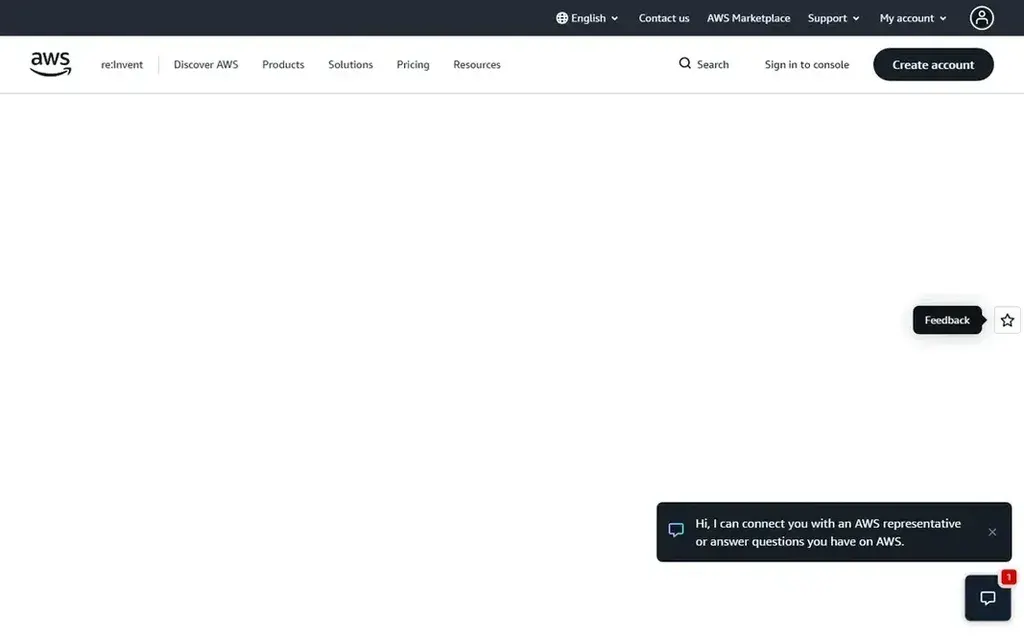
AWS API Gateway targets completely managed APIs inside AWS. Amazon API Gateway is a completely managed service for building HTTP, REST and WebSocket APIs. In daily use, teams with significant investments outside AWS may find the integration story less compelling and multi-cloud portability harder.
Also, pick AWS API Gateway when AWS is the primary product and managed operations outweigh cross-cloud adaptability. Beyond that, very specialized gateway policies may also require workarounds. AWS API Gateway does not show a starting price in this comparison, so check the vendor site for current pricing. Free plan details: Not stated.
Trade-offs to know: Deep AWS integration can complicate multi-cloud portability. Strengths: reducing infrastructure upkeep; REST and WebSocket APIs.
- Supports HTTP
- Completely managed
- Best value when workloads already live in AWS
Azure API Management
Best for: Securing and monitoring APIs across Azure environments
Azure API Management makes the most sense for Securing and monitoring APIs across Azure environments. Azure API Management is an advanced API management product for securing, scaling and monitoring APIs across environments, positioned to ease API delivery.
Strengths: scaling and monitoring.
Where it is weaker: Most natural inside the Azure ecosystem. Teams without Azure foundations should weigh the integration benefits carefully. No starting price is listed for Azure API Management here; confirm pricing on the vendor site. Trial and free access: Not stated.
- Suits organizations standardized on Azure
- Eases API delivery across environments
- Cross-cloud setups need additional architecture work
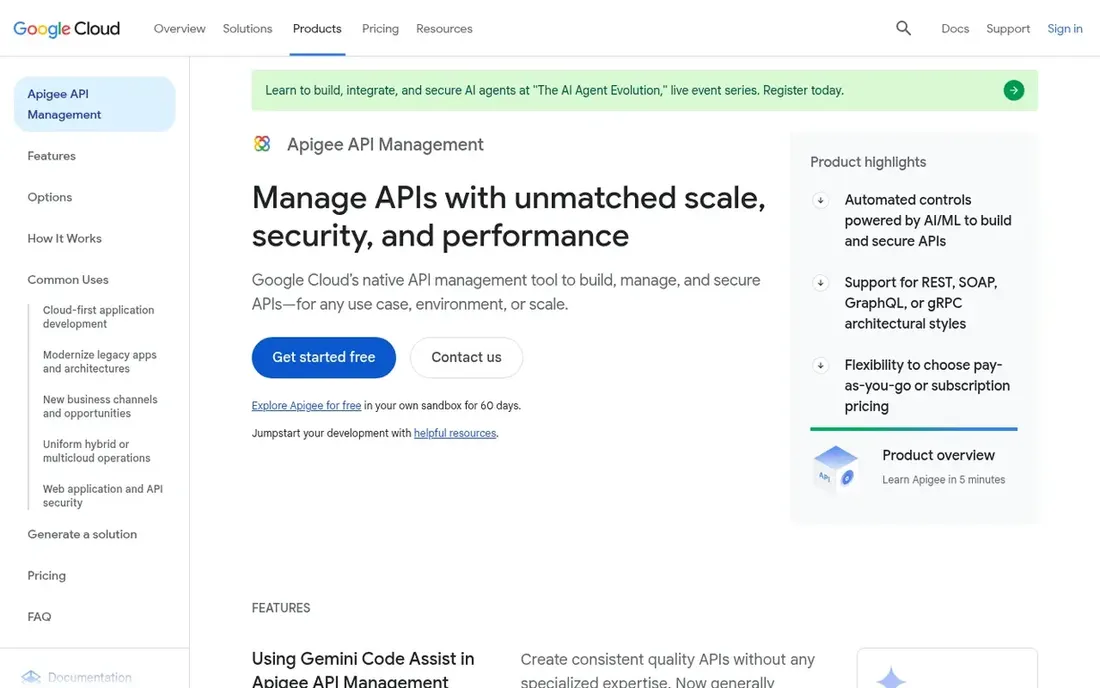
Pick Apigee if this describes you: full API lifecycle management on Google Cloud. Apigee is Google Cloud's API management option for building, managing and securing APIs for any use case, environment or scale. It is targeted at operating APIs with high performance and handles the management layer around publishing, security and monitoring.
What to check first: Most solid fit inside the Google Cloud ecosystem.
What Apigee does well: Build.
For everyday use, teams running primarily on other clouds may prefer a gateway that sits closer to their existing provider. Choose Apigee when API governance and lifecycle management are central to the program and Google Cloud is an acceptable anchor. No starting price is listed for Apigee here; confirm pricing on the vendor site. Free access: Not stated.
- Meant to operate APIs at high performance
- Works across environments and scale levels
- Full lifecycle tooling can be complicated to adopt
Kong Gateway
Best for: Hybrid, multi-cloud and AI-ready API connectivity
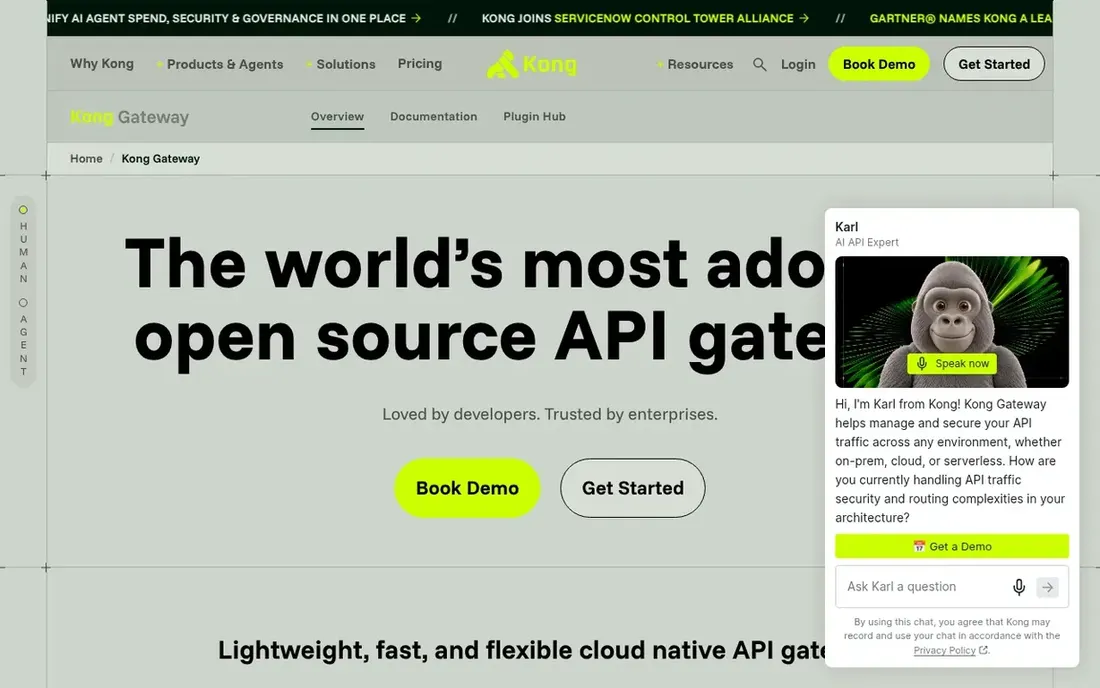
Kong Gateway works best for hybrid, multi-cloud and AI-ready API connectivity. Kong Gateway is described as an API connectivity foundation for AI, delivering quick and adaptable API connectivity for hybrid, multi-cloud and AI-ready architectures.
Consider Kong when portability across environments matters more than tight integration with a single vendor's product. The starting price for Kong Gateway: $25 per month plus usage. As for free access: Free trial.
Trade-offs to know: Configuration depth can add operational overhead.
- Automation and security features built in
- Positioned for AI-ready architectures
- Plugin ecosystem needs governance discipline
Selection criteria
Each tool was reviewed on what its vendor publishes: price, plan limits, core features and stated drawbacks. We did not run hands-on tests. Where a vendor does not publish a price, the entry says quote. Where a price depends on seats or billing term, the entry says so. We ordered the tools by general fit, then by how clearly pricing is shown, then by free access. A buyer with unusual needs may reorder them.
What to check before you buy
- Ask NGINX Plus, AWS API Gateway, Azure API Management and Apigee for a written quote, since no starting price is shown.
- Take the trial from Kong Gateway and push a live task through it before you pay.
- Before choosing NGINX Plus, weigh its main limit: Gateway features are one part of a broader product.
- Look at the help docs and support options for Kong Gateway before you commit.
- Pick one real project and run it in AWS API Gateway first; a small pilot shows fit faster than a checklist.
FAQ
How do API management platforms differ from plain gateways?
A gateway deals with traffic routing, security and policy enforcement at runtime. API management products add lifecycle features for example design, publishing, developer portals and analytics.
How are the tools for API gateway platforms for enterprise ordered?
The order follows typical fit for API gateway platforms for enterprise, with NGINX Plus first and Kong Gateway last, then price clarity and free access. It is editorial judgement, not a score, so another team could rank the tools differently.
Does any tool for API gateway platforms for enterprise here have a free plan?
No tool in this list, NGINX Plus and Kong Gateway included, has a permanent free plan. Kong Gateway offer a trial. Trials and quotes are the usual route, so plan a short evaluation period.
Can I try these tools before paying?
Often, yes. Kong Gateway offers a free trial. Use your own data and a real task during the test, and check what the free tier or trial limits before you rely on it.
When is a cloud-native gateway the better choice?
They cut infrastructure upkeep but can make multi-cloud portability harder, so weigh that tradeoff against your long-term architecture.
What should enterprises prioritize in an API gateway?
Then weigh policy and identity integration, observability, and lifecycle governance. A gateway that suits your existing platform normally costs less to operate than one that needs new infrastructure.
Sources
- https://www.f5.com/products/nginx
- https://aws.amazon.com/api-gateway
- https://azure.microsoft.com/en-us/products/api-management
- https://cloud.google.com/apigee
- https://konghq.com/products/kong-gateway