Best AI Tools for Enhancing Visibility in 2026: 8 Tools Compared
Best ai tools for enhancing visibility compared for search, AI answers, and content, with pricing and honest limits in 2026. now compared side by side
- Editor's choice
 Semrush
All in one SEO and AI visibility
Starts at$139 per monthVisit semrush.comFull review - Great alternative
 Ahrefs
Backlinks and keyword research
Starts at$29 per monthVisit ahrefs.comFull review - Also consider
 Surfer
Content optimization scoring
Starts at$49 per monthVisit surferseo.comFull review
TL;DR:
- Semrush and Ahrefs lead on research, while Surfer, Frase, and Clearscope lead on content scoring.
- AI visibility needs its own tracking, since classic rankings do not show AI citations.
- Start with one job, such as research, drafting, or monitoring, before buying a suite.
Quick comparison
| Tool | Best for | Starts at | Free plan? | |
|---|---|---|---|---|
| Semrush | All in one SEO and AI visibility | $139 per month | Yes | Visit |
| Ahrefs | Backlinks and keyword research | $29 per month | Yes | Visit |
| Surfer | Content optimization scoring | $49 per month | No | Visit |
 Frase | Affordable briefs and drafting | $49 per month | Free trial | Visit |
 Clearscope | Editorial content grading | $129 per month | Free trial | Visit |
 MarketMuse | Enterprise content strategy | See website | Yes | Visit |
 Jasper | On brand AI drafting | $69 per seat per month | Free trial | Visit |
 Profound | AI search visibility monitoring | See website | Free trial | Visit |
The best AI tools for enhancing visibility
We compared tools on search research, AI search monitoring, content optimization, and drafting. The list mixes suites with focused tools, so a solo creator and a large marketing team can both build a workable stack.
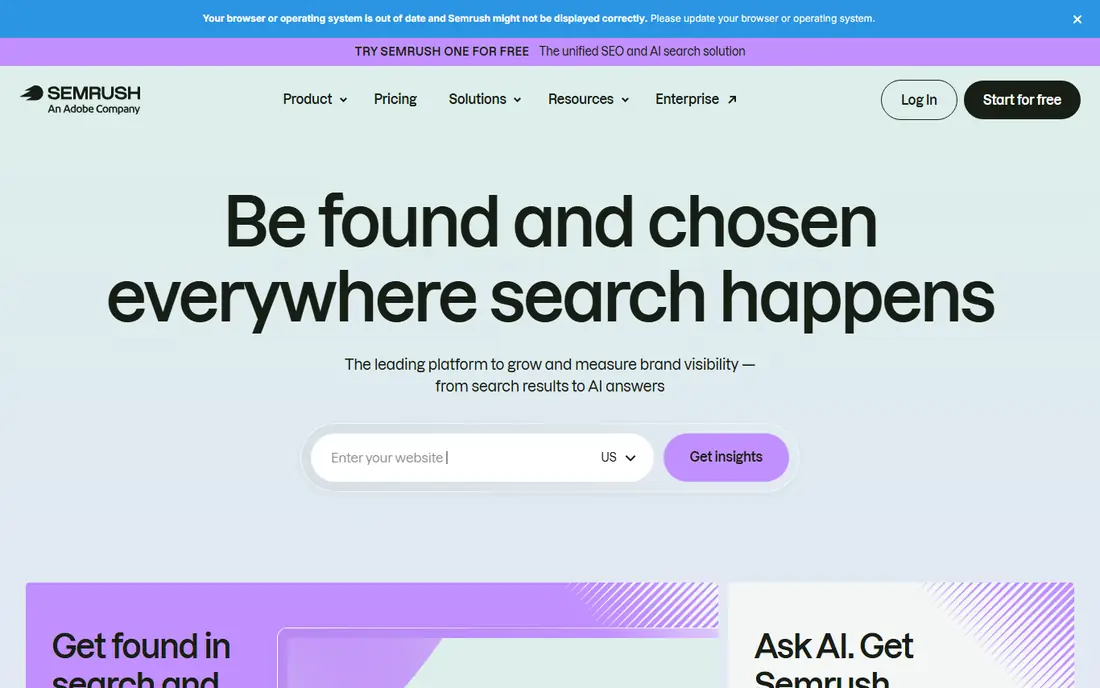
Semrush suits teams that run SEO, paid search, and content from one login. It fits buyers who want a clear fit for that need without sorting through vague claims, and it works best when the buyer knows what outcome matters most before signing up.
Its database depth helps teams find keywords, audit sites, and track AI search mentions in one place. In practice, that strength shows up in day to day use, where clear limits, honest pricing pages, and a support path matter more than a long feature list.
The catch is cost and complexity, since small teams may use only a fraction of the toolkit. Even so, the right choice depends on budget, team size, and how much help is wanted after the first month, so compare the terms on the official site before committing.
- Very wide toolkit
- Keyword and competitor data
- AI visibility tracking on higher plans
- Price rises fast
- AI visibility not on entry plan
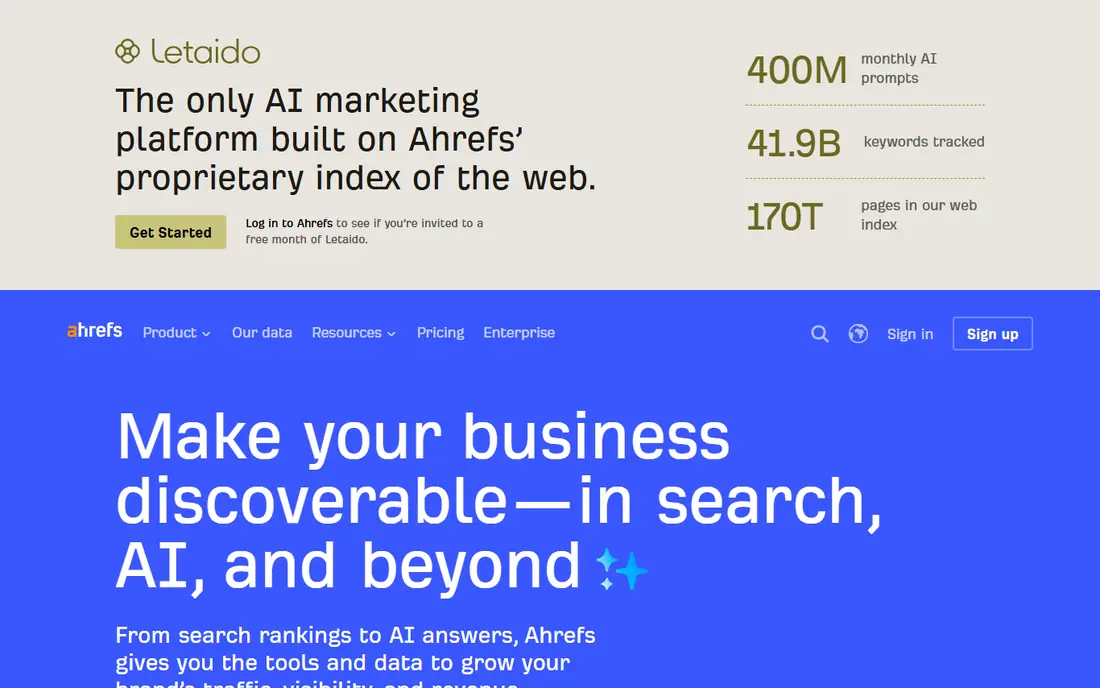
Ahrefs suits teams that need trusted link and keyword data above all else. It fits buyers who want a clear fit for that need without sorting through vague claims, and it works best when the buyer knows what outcome matters most before signing up.
Its Site Explorer and keyword tools give a clear view of why competitors rank and where links come from. In practice, that strength shows up in day to day use, where clear limits, honest pricing pages, and a support path matter more than a long feature list.
The limit is content optimization, which needs a second tool or a paid add on for full workflows. Even so, the right choice depends on budget, team size, and how much help is wanted after the first month, so compare the terms on the official site before committing.
- Excellent backlink index
- Clear keyword data
- Brand Radar for AI citations
- Content tools are add ons
- Entry plan limits are tight

Surfer suits editors who want a live score while drafting or refreshing an article. It fits buyers who want a clear fit for that need without sorting through vague claims, and it works best when the buyer knows what outcome matters most before signing up.
Its editor compares a draft to ranking pages and highlights missing terms, structure, and length signals. In practice, that strength shows up in day to day use, where clear limits, honest pricing pages, and a support path matter more than a long feature list.
The catch is that a high score is not proof of quality, so editors must still check facts and reader intent. Even so, the right choice depends on budget, team size, and how much help is wanted after the first month, so compare the terms on the official site before committing.
- Live content editor scoring
- Audit tools
- Clear brief structure
- Document caps on lower plans
- Thin on backlink strategy
Frase suits small teams and solo creators who want briefs without a suite price. It fits buyers who want a clear fit for that need without sorting through vague claims, and it works best when the buyer knows what outcome matters most before signing up.
Its workflow moves from research to outline to draft in one place, which saves time on routine articles. In practice, that strength shows up in day to day use, where clear limits, honest pricing pages, and a support path matter more than a long feature list.
The limit is scale, since larger teams will hit seat and article caps quickly. Even so, the right choice depends on budget, team size, and how much help is wanted after the first month, so compare the terms on the official site before committing.
- Low entry price
- Research, briefs, and drafting in one workflow
- CMS options
- Starter limits seats and sites
- Smaller backlink data
Clearscope suits editorial teams that need one clean grader for many writers. It fits buyers who want a clear fit for that need without sorting through vague claims, and it works best when the buyer knows what outcome matters most before signing up.
Its reports focus on intent and coverage, which helps editors give consistent feedback across writers. In practice, that strength shows up in day to day use, where clear limits, honest pricing pages, and a support path matter more than a long feature list.
The catch is price, since solo creators may find Frase or Surfer better value. Even so, the right choice depends on budget, team size, and how much help is wanted after the first month, so compare the terms on the official site before committing.
- Clean grading reports
- Unlimited users on plans
- Strong for team editing
- Expensive for solo use
- Draft limits on standard plans
MarketMuse suits large content teams that need a strategy layer, not only a draft score. It fits buyers who want a clear fit for that need without sorting through vague claims, and it works best when the buyer knows what outcome matters most before signing up.
Its topic modeling helps teams prioritize clusters and find gaps across a whole site. In practice, that strength shows up in day to day use, where clear limits, honest pricing pages, and a support path matter more than a long feature list.
The limit is access, since smaller teams may find the free query limit too small and paid pricing opaque. Even so, the right choice depends on budget, team size, and how much help is wanted after the first month, so compare the terms on the official site before committing.
- Deep topical modeling
- Site inventory
- Personalized difficulty scores
- Paid pricing is quote based
- Enterprise focus
Jasper suits marketing teams that need on brand drafts at volume. It fits buyers who want a clear fit for that need without sorting through vague claims, and it works best when the buyer knows what outcome matters most before signing up.
Its brand voice and templates help teams keep tone consistent across product and editorial copy. In practice, that strength shows up in day to day use, where clear limits, honest pricing pages, and a support path matter more than a long feature list.
The catch is accuracy, since every draft still needs fact checks against approved sources. Even so, the right choice depends on budget, team size, and how much help is wanted after the first month, so compare the terms on the official site before committing.
- Brand voice controls
- Marketing templates
- Team workflows
- Needs research tools beneath it
- Per seat pricing adds up
Profound suits brands that need to know how AI answers mention them. It fits buyers who want a clear fit for that need without sorting through vague claims, and it works best when the buyer knows what outcome matters most before signing up.
Its focus on AI search prompts and citations fills a gap that classic rank trackers miss. In practice, that strength shows up in day to day use, where clear limits, honest pricing pages, and a support path matter more than a long feature list.
The limit is scope, since it does not replace keyword research, audits, or content editing tools. Even so, the right choice depends on budget, team size, and how much help is wanted after the first month, so compare the terms on the official site before committing.
- Focused AI visibility reporting
- Prompt and citation tracking
- Brand monitoring
- Quote based pricing
- Not a full SEO suite
How we picked these
We compared official pricing pages, product documentation, and public tool comparisons, and we favored tools with clear AI visibility or content features in 2026. We noted where AI tracking sits on higher plans, since that detail changes the real cost. We did not claim hands-on testing.
How to choose a visibility tool
Pick the job first. Research tools help you choose topics and keywords, optimization tools help you improve drafts, and monitoring tools show whether AI answers cite your brand. Buying a suite for all three jobs can waste money if you only need one job well done.
Run a real test on your own content. Take one existing article, improve it with the tool, and check ranking, traffic, and AI citation changes over a month. Keep only tools that change a result you care about, not only a score inside the tool.
FAQ
What are the best ai platforms for enhancing visibility?
Semrush and Ahrefs are the broadest platforms, while Profound focuses on AI search visibility. Surfer, Frase, and Clearscope focus on content quality. The best platform depends on whether you need research, editing, or monitoring most.
Do AI visibility tools replace SEO tools?
No, they add a layer. Classic SEO tools still cover keywords, links, and technical audits, while AI tools add prompt and citation tracking. Most teams need both, or a suite that includes both.
How much should a small business spend?
A focused tool from 29 dollars to 49 dollars per month often covers research or editing for a small site. Suites from 129 dollars to 139 dollars per month suit teams with wider needs. Start low and upgrade only when limits bite.
Can AI tools guarantee higher rankings?
No tool can guarantee rankings, since search and AI systems change often. Tools can improve coverage, structure, and monitoring, but quality content and trusted sources still matter most.