Best AI-Powered Data Protection Platforms in 2026: 8 Platforms Compared
best ai-powered data protection platforms compared: discovery, classification, DSPM and privacy tools for sensitive data in 2026. with prices and free plans.
- Editor's choice
 BigID
AI discovery across large estates
Starts atSee websiteVisit bigid.comFull review - Great alternative
 Varonis
Access control and data security
Starts atSee websiteVisit varonis.comFull review - Also consider
 Cyera
Cloud-native DSPM
Starts atSee websiteVisit cyera.comFull review
TL;DR:
- BigID and Cyera lead for AI discovery and classification across large, messy data estates, including cloud, SaaS and unstructured files.
- Varonis stands out when the main risk is excessive access, since it pairs discovery with permissions cleanup and remediation.
- OneTrust and Securiti suit privacy and governance programmes that need consent, requests and assessments alongside discovery.
- Most enterprise pricing is quote-based, so run a pilot on your messiest systems and demand a written cost model before signing.
Quick comparison
| Tool | Best for | Starts at | Free plan? | |
|---|---|---|---|---|
| BigID | AI discovery across large estates | See website | No | Visit |
| Varonis | Access control and data security | See website | No | Visit |
| Cyera | Cloud-native DSPM | See website | No | Visit |
 OneTrust | Privacy and governance at scale | See website | No | Visit |
 Microsoft Purview | Data governance in Microsoft 365 | See website | Free trial | Visit |
 Sentra | Cloud data security posture | See website | No | Visit |
 Concentric AI | Semantic data discovery | See website | No | Visit |
 Securiti | Privacy intelligence and governance | See website | No | Visit |
The best ai-powered data protection platforms
We compared official feature pages, pricing pages, app listings and public reviews to shortlist these 8 options for best ai-powered data protection platforms. Our pick for most people is the first option in the list, but the best choice depends on your team size, budget and daily workflow, so read the trade-offs for each option before you decide.
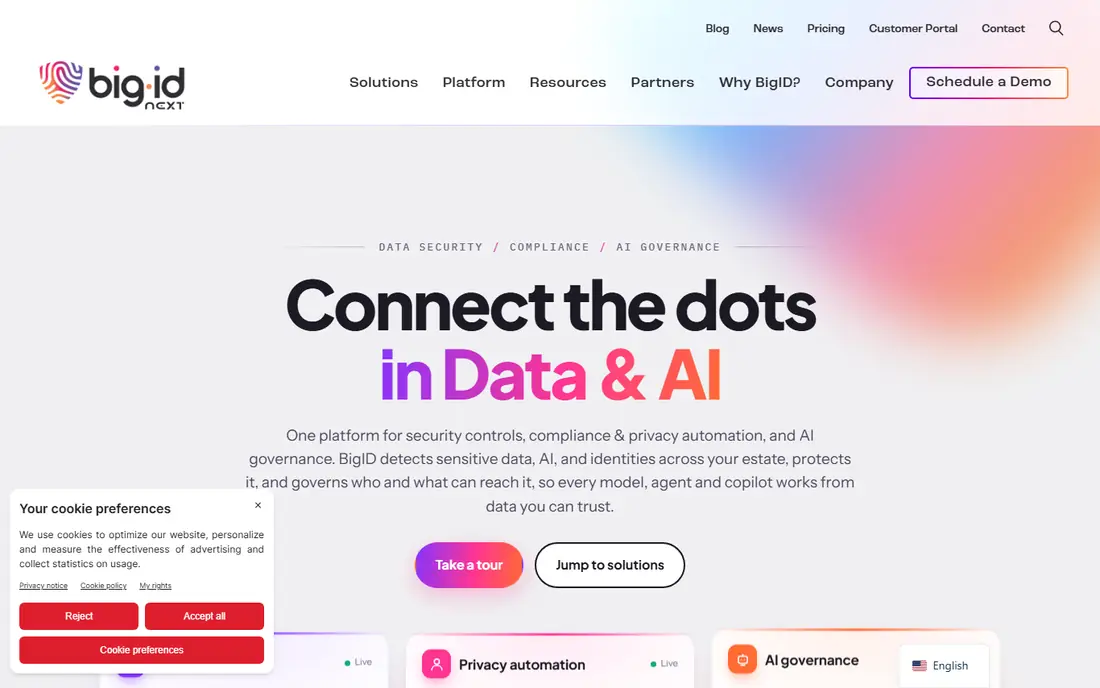
BigID is a strong pick for large organisations with data spread across cloud, SaaS, warehouses and file stores. Its AI discovery and classification aim to find sensitive data in context, link it to identities and support remediation. That depth matters when a simple pattern scan misses copies, derivatives and messy unstructured files.
The trade-off is complexity and cost. Pricing is quote-based and scales with sources and scope, and deployment needs skilled owners. Smaller teams may find it more than they need. For a large estate with regulatory exposure, BigID is a leading shortlist candidate.
- Deep discovery and classification
- Identity correlation
- Remediation workflows
- Quote-based pricing
- Implementation can be complex
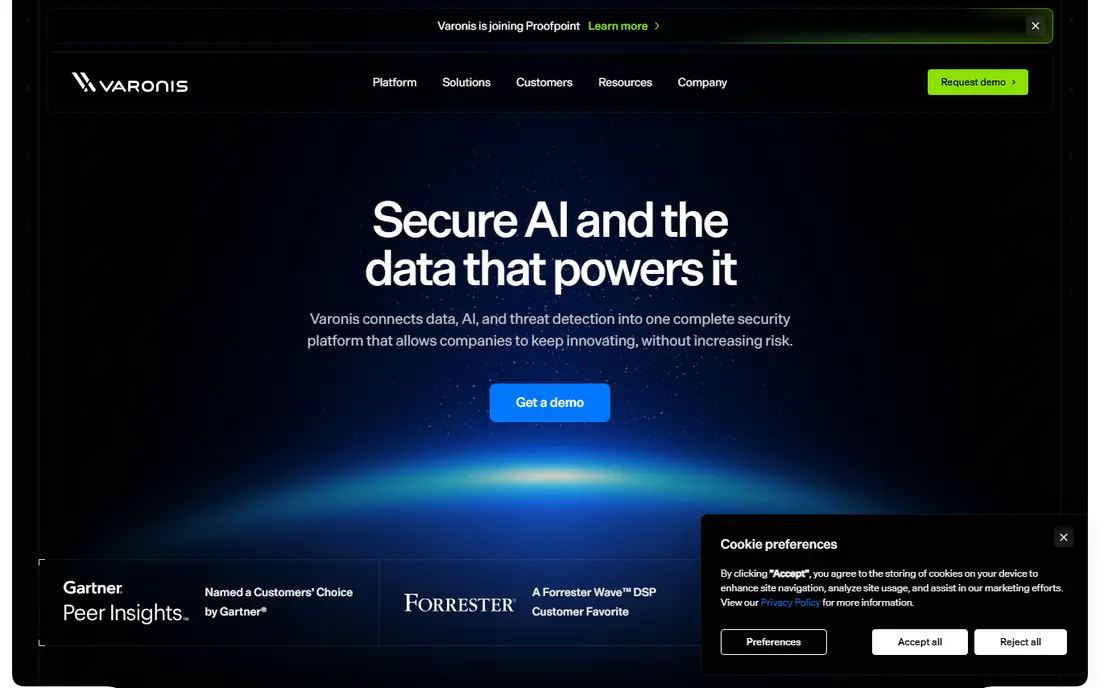
Varonis stands out when the problem is not just finding data, but fixing who can reach it. It maps permissions across file, cloud and SaaS systems, flags excessive access and helps teams remove it safely. Threat detection and audit trails add security value beyond discovery alone.
Its breadth takes time to learn, and pricing is quote-based, so budgeting needs a vendor quote and a clear scope. Teams that only need a one-time scan may find it heavy. For organisations with collaboration sprawl and insider risk, Varonis is a practical choice.
- Permissions visibility
- Least-privilege remediation
- Threat detection
- Quote-based pricing
- Breadth needs time to master
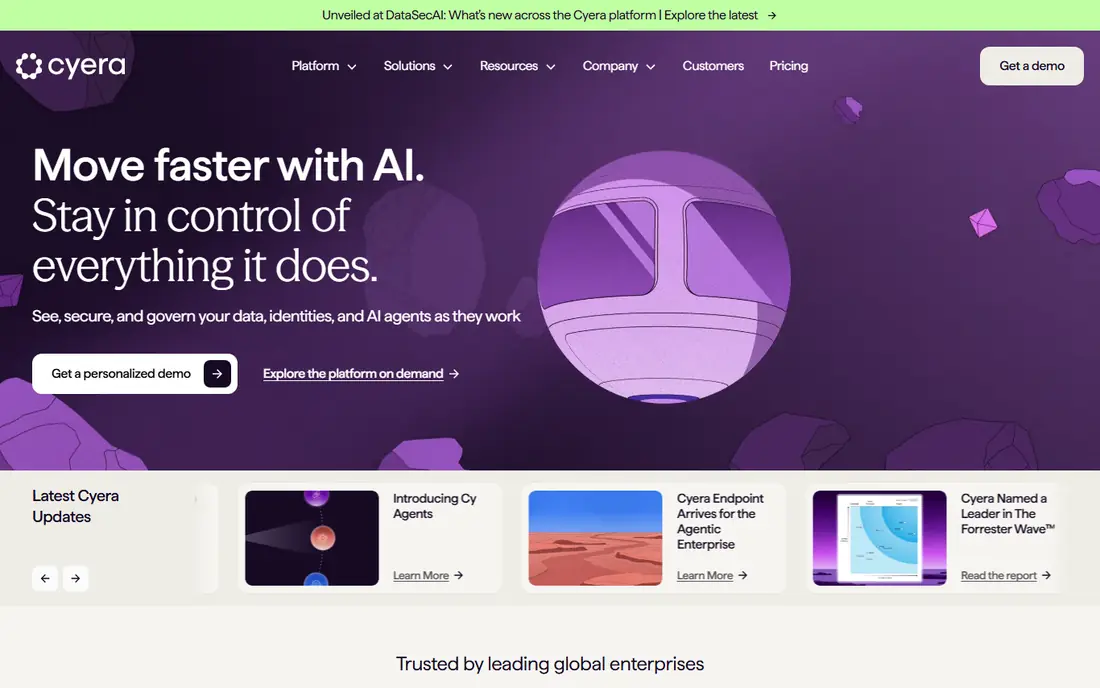
Cyera suits cloud-first teams that want fast, agentless scanning across cloud and SaaS data. Its identity correlation links data to people and access, which helps prioritise real exposure over raw counts. AI-related mapping, including training data copies, is a useful addition for teams adopting AI tools.
Direct enterprise pricing is quote-based, although marketplace tiers give a rough anchor. Teams with large on-premises estates may need to check coverage carefully. For cloud velocity and clear exposure scoring, Cyera is a strong contender.
- Cloud-native scanning
- Identity correlation
- AI training data mapping
- Quote-based for direct deals
- Marketplace tiers still need scoping
OneTrust suits large privacy programmes that need more than discovery alone. It covers consent, data subject requests, assessments, vendor risk and regulatory intelligence in a modular platform. That breadth helps teams manage privacy operations across many jurisdictions from one programme.
Modularity is also a cost risk, since each module adds to the total. Implementation needs clear owners for privacy, legal and IT, or the platform can become a reporting tool rather than a working system. For mature programmes, OneTrust offers depth that point tools cannot match.
- Consent and requests
- Assessments
- Vendor risk
- Modular platform
- Modular pricing adds up
- Setup needs governance ownership
Microsoft Purview is the natural first check for organisations already centred on Microsoft 365 and Azure. It offers data mapping, classification, labelling and DLP that work closely with Teams, SharePoint and Exchange. Teams can often start with existing licences before buying a separate DSPM tool.
Its strength drops outside the Microsoft estate, where other platforms offer deeper SaaS and cloud coverage. Licensing also varies by Microsoft plan, so check what your current agreement already includes. For Microsoft-heavy teams, Purview gives strong value before adding a specialist tool.
- Deep Microsoft 365 integration
- Labelling and DLP
- Data map
- Strongest inside Microsoft estate
- Broader coverage needs other tools
Sentra focuses on cloud data security with discovery, classification and guided remediation across cloud stores and SaaS. Its cloud-native design suits teams that want quick scanning without heavy agents. Guided remediation helps owners fix findings rather than only viewing a dashboard.
As a newer vendor, its ecosystem and reference base are smaller than BigID or Varonis. Pricing is quote-based, so teams need a scoped pilot to compare costs. For cloud-first estates that want a focused DSPM tool, Sentra is worth evaluating.
- Cloud-native discovery
- Sensitive data classification
- Guided remediation
- Quote-based pricing
- Newer vendor than leaders
Concentric AI stands out for unstructured data, using semantic understanding to classify contracts, IP and sensitive documents where context matters more than a fixed pattern. That helps legal, product and research teams whose risk sits in documents, not only in databases. Remediation actions help owners act on findings.
Its structured warehouse coverage is lighter than some rivals, so data-heavy teams may need a second tool for lakes and warehouses. Pricing is quote-based. For document-heavy risk, Concentric AI offers a distinct and useful approach.
- Semantic classification
- Unstructured data strength
- Remediation actions
- Quote-based pricing
- Structured warehouse depth is lighter
Securiti pairs data discovery with privacy workflows, covering consent, data subject requests and AI governance alongside classification. That combination suits teams that need to prove compliance, not just find data. Its data intelligence layer helps link sensitive data to owners and obligations.
The platform is broad, so teams should scope the modules they actually need and avoid paying for unused breadth. Pricing is quote-based and implementation needs privacy ownership. For governance-led buyers, Securiti is a strong enterprise option.
- Data discovery plus privacy workflows
- Consent and requests
- AI governance
- Quote-based pricing
- Platform breadth needs scoping
How we picked these
We started with the topic and the products that genuinely fit it, then checked official vendor pages for features, pricing and access rules. We removed products that were discontinued, that did not fit the topic, or whose official homepage could not be verified. We compared strengths and weaknesses from documentation, pricing pages and public user feedback, and we favoured products with clear safety, privacy and support practices where those mattered.
We did not claim hands-on testing we did not do. Instead, we compared what vendors publish, what reviewers report and what pricing pages show in October 2026. Where a vendor does not publish a price, we wrote See website rather than guessing a number. That approach keeps the comparison honest, even when it means less detail for quote-based enterprise tools.
Before you shortlist, note the limits of any comparison. Vendor pages show best-case features, and public reviews skew toward very happy or very unhappy users. That is why we weigh official pricing and documentation most heavily, use reviews only for recurring themes, and flag quote-based pricing instead of inventing a figure. If a feature matters to your workflow, confirm it in a trial or demo with your own data and your own team, since a checklist match does not always mean a good daily fit.
How to choose an AI data protection platform
Start with your riskiest data, not with a feature checklist. Map where sensitive data lives, who can access it and which regulations apply, then test finalists on those systems. Seed known sensitive records, including awkward formats, and score recall and false positives. A discovery tool that teams distrust will sit unused, however strong its marketing looks.
Check remediation, not just reporting. The best platforms can revoke excessive access, label files, quarantine copies or route findings to owners. Ask how AI training copies are found, how models handle context, and how findings feed into DLP and access controls. Demand clear pricing by data volume, source count or user count, and confirm support for your cloud and SaaS estate.
Before you pay, run a short trial with real work and real users, not just a demo dataset. Set a clear success measure, such as time saved, tickets deflected, errors found or conversion improved, and review it after two to four weeks. Check onboarding help, support response times and export options, since switching later is often more costly than the first subscription. If two options look close, choose the one your team actually enjoys using, because adoption decides whether the tool delivers value.
FAQ
What is DSPM?
Data security posture management finds sensitive data across cloud, SaaS and on-premises systems, maps who can access it and flags risky exposure. It helps teams fix over-permissioned data before a breach, rather than only detecting attacks.
How does AI help data protection?
AI improves classification by reading context, not just matching patterns. It can spot sensitive data in varied formats, link identities to data, and prioritise risks. Human review still matters, especially for borderline cases and regulated decisions.
Do these tools replace DLP?
No, they complement it. Discovery and posture tools show where sensitive data sits and who can reach it. DLP controls movement and sharing. The strongest setups connect discovery findings to DLP policies and access remediation.
Why is pricing usually quote-based?
Cost depends on data volume, source count, deployment model and modules. Vendors rarely publish a single price that fits every estate. A pilot and a written cost model help you compare finalists fairly.
Can small teams use these platforms?
Some can, especially with cloud-only estates and focused use cases. Many platforms here target larger enterprises, so smaller teams should check minimums, implementation effort and whether a simpler privacy tool fits better.