AI Lead Generation Software Buyer's Guide: 5 Tools for 2026
Best AI lead generation software in 2026: 5 tools with starting prices, free plans and limits. The weak spots sit next to the strengths. Compare quickly.
- Editor's choice
 Clay
RevOps teams building custom enrichment workflows
Starts atSee websiteVisit clay.comFull review - Great alternative
 Cognism
EMEA prospecting with compliance covered
Starts atSee websiteVisit cognism.comFull review - Also consider
 6sense
Intent-driven account prioritization
Starts atSee websiteVisit 6sense.comFull review
Direct answer
This list puts Clay first for RevOps teams building custom enrichment workflows. Cognism is better for EMEA prospecting with compliance covered, and 6sense is better for intent-driven account prioritization. All 5 tools are compared below on price, free plan and limits.
TL;DR:
- This list starts with Clay, which is built for RevOps teams building custom enrichment workflows.
- For all-in-one prospecting and outbound execution, Apollo is worth a look.
- Clay, Apollo and the 3 others all sell by quote; expect sales conversations before you see a price.
- A fair warning about Cognism: premium pricing compared to US-focused tools.
Quick comparison
| Tool | Best for | Starts at | Free plan? | |
|---|---|---|---|---|
| Clay | RevOps teams building custom enrichment workflows | See website | Not stated | Visit |
| Cognism | EMEA prospecting with compliance covered | See website | Not stated | Visit |
| 6sense | Intent-driven account prioritization | See website | Not stated | Visit |
 Lusha | Small teams that want straightforward contact data | See website | Not stated | Visit |
 Apollo | All-in-one prospecting and outbound execution | See website | Yes | Visit |
5 options for AI lead generation software in detail
If you are comparing AI lead generation software, this page covers 5 tools in one place: what each is best for, what it costs to start, whether it has a free plan, and the main limit to know about.

Clay works best for RevOps teams building custom enrichment workflows. You start with a list of businesses or people, then layer on enrichment steps from dozens of data providers, AI research agents that read websites and job posts, and your own first-party data.
Trade-offs to know: Steeper learning curve than plug-and-play prospecting tools.
Clay is less a database and more a workbench. Pricing for Clay is not stated here, so ask the vendor for current figures. On free options: Not stated.
- Merges 100+ data providers and AI research in one table
- Very adaptable waterfall enrichment boosts match rates
- Costs can climb rapidly once you run large volumes through premium data sources
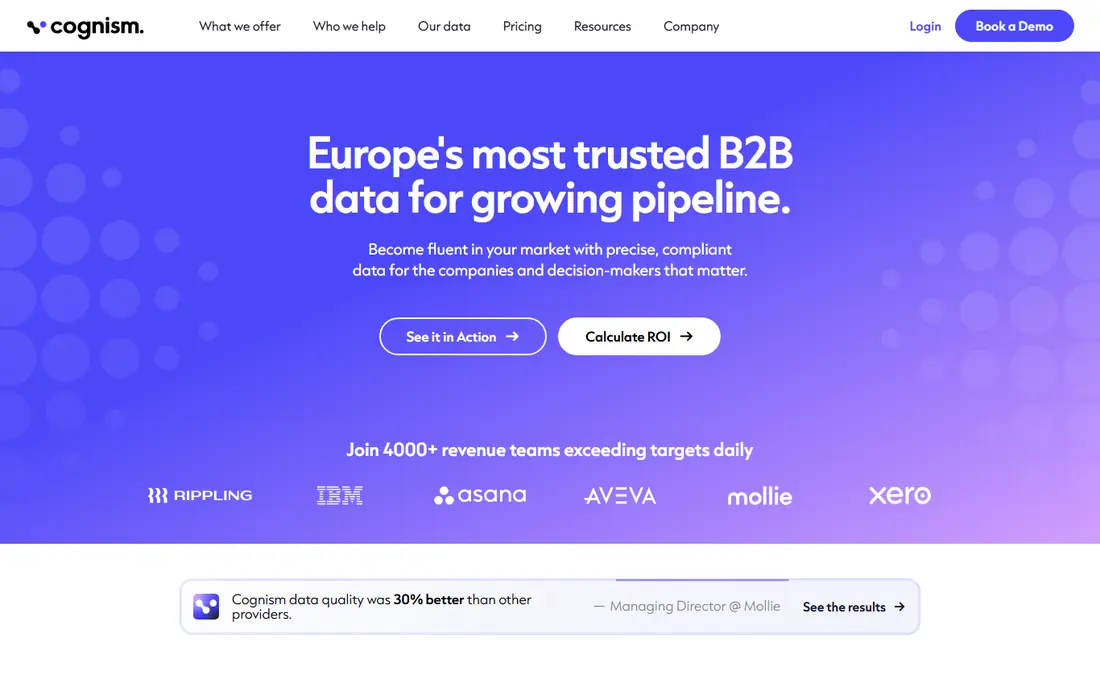
Cognism works best for EMEA prospecting with compliance covered. Cognism built its reputation on a hard problem: compliant, accurate mobile numbers for European prospects. For EMEA-first teams, though, it is frequently the default shortlist pick.
Downsides: Premium pricing compared to US-focused tools.
More specifically, for teams selling into the UK, DACH, or the Nordics, its Diamond Data verification and do-not-call screening address the two things that keep sales leaders up at night, link rates and compliance risk. Cognism sits at the premium end of the market, and teams prospecting largely in the US may get better value elsewhere. It is also worth confirming coverage for your exact target countries during the trial, since European data depth varies by market. Beyond that, you pay for that specialization. No starting price is listed for Cognism here; confirm pricing on the vendor site. Free access: Not stated.
- Intent data add-on for prioritization
- Solid mobile number coverage in Europe
- Smaller database outside Europe and North America
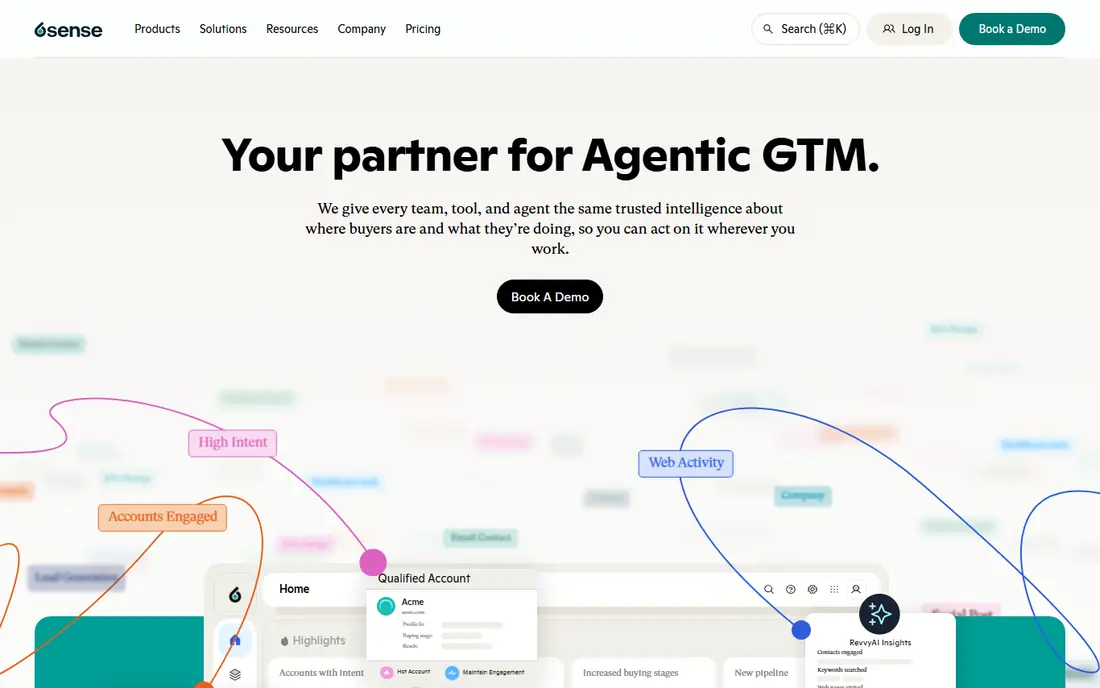
Choose 6sense for intent-driven account prioritization. Pricing is quote-based and usually annual, implementation takes weeks of CRM and data work, and small teams will not use half the product.
The main drawbacks: Enterprise pricing and implementation effort.
But for B2B businesses with long sales cycles and a defined target account list, intent-based prioritization consistently beats spraying more emails. Rather than helping reps find individual contacts, it spots which accounts are actively researching options like yours, scores them, and orchestrates plays across ads, email, and sales outreach. Pricing for 6sense is not stated here, so ask the vendor for current figures. Free options: Not stated.
- Capable buyer intent data and predictive scoring
- Ad systems
- Overkill for teams that just need contact lists
Lusha makes the most sense for small teams that want straightforward contact data. For teams of one to twenty that just need steady contact details quick, that trade is normally worth it. Setup takes minutes, and reps usually need no training to start pulling contacts.
Where it falls short: Advanced features like intent and engagement are thinner than enterprise rivals.
More specifically, the simplicity has edges. And if you later want intent data, deep technographics, or complicated routing, you will outgrow it. Lusha does not show a starting price in this comparison, so check the vendor site for current pricing. Trial and free access: Not stated.
- Handy prospecting filters without enterprise complexity
- Accurate direct dials for its price level
- Credit allowances on lower plans run out rapidly
Apollo targets all-in-one prospecting and outbound execution. Teams that prospect in bursts can burn through credits quick, whereas steadier teams get better value. In practice, credits are the currency for revealing emails, phone numbers, and AI-researched data, they are pooled across the team, and unused credits expire each billing cycle.
The main drawbacks: Data accuracy varies by region and industry.
Data quality is capable in the US tech sector and thinner in some international markets, so spot-check a sample of your target accounts before committing to an annual plan. In practice, the trade-off is the credit system. You can build a list, enrich it, write sequences with AI assistance, and dial, all without switching tabs. This comparison lists no price for Apollo; ask the vendor. You can start on Apollo without paying.
- Large B2B contact database with buying signals
- Built-in email sequencing and dialer cut the need for additional tools
- Credit system can be confusing and credits do not roll over
Our selection method
Each tool was reviewed on what its vendor publishes: price, plan limits, core features and stated drawbacks. We did not run hands-on tests. Treat prices as a snapshot: vendors change plans often, so check the vendor site for the figure that applies today. The order reflects how well each tool fits the most common buying scenario for AI lead generation software, then price clarity, then free plan access. It is a starting point, not a verdict.
Things to verify first
- Confirm the entry price with every vendor: no tool from Clay to Apollo shows a fixed starting price.
- Look at the free plan from Apollo closely: its caps decide whether it is usable for real work.
- Before choosing Clay, weigh its main limit: steeper ramp-up time than plug-and-play prospecting tools.
- Involve the people who will use Apollo daily; a short pilot beats a long feature checklist.
- Confirm the exact Lusha plan that includes your must-have features.
FAQ
Can I try these options before paying?
Often, yes. Apollo has a free plan. Use your own data and a real task during the test, and check what the free tier or trial limits before you rely on it.
Which options for AI lead generation software have a free plan?
Apollo is the only tool in this list with a free plan. Free plans usually cap users, projects or features, so check the limits on the vendor page.
Do these tools publish their prices?
No. None of the tools, from Clay to Apollo, shows a fixed starting price here, so budget time for quotes.
How do credits usually work?
Credits are the unit you spend to reveal or enrich data. Credits are normally pooled across your team, granted monthly, and expire if unused, so understanding the burn rate is essential before you commit.
Is Clay the right pick for everyone comparing AI lead generation software?
No single tool suits every team. Clay comes first because it fits RevOps teams building custom enrichment workflows, while Cognism suits EMEA prospecting with compliance covered and 6sense suits intent-driven account prioritization. Match the tool to your own size, budget and workflow before deciding.