Best Adtech Companies in 2026: 8 Companies Compared
We compared the best adtech companies on buy side, sell side, identity and verification, so advertisers and publishers can shortlist the right platforms.
- Editor's choice
 The Trade Desk
Independent DSP buying
Starts atSee websiteVisit thetradedesk.comFull review - Great alternative
 Google Display and Video 360
Google ecosystem buying
Starts atSee websiteVisit displayvideo360.comFull review - Also consider
 Amazon DSP
Retail media buying
Starts atSee websiteVisit advertising.amazon.comFull review
TL;DR:
- The Trade Desk is the leading independent demand side platform, while Google DV360 leads inside the Google ecosystem and Amazon DSP leads on retail shopper data.
- Magnite and PubMatic lead independent sell side supply, with Magnite strongest in connected TV and PubMatic strong in open web display.
- Criteo suits commerce and retargeting, StackAdapt suits mid market buyers, and DoubleVerify and LiveRamp cover verification and identity.
- Most adtech pricing is based on media spend, revenue share or quote, not a simple monthly subscription, so compare total cost on your spend level.
- Privacy rules and cookie loss make identity and first party data more important than raw reach, so test identity options before you commit.
Quick comparison
| Tool | Best for | Starts at | Free plan? | |
|---|---|---|---|---|
| The Trade Desk | Independent DSP buying | See website | No | Visit |
| Google Display and Video 360 | Google ecosystem buying | See website | No | Visit |
| Amazon DSP | Retail media buying | See website | No | Visit |
 Magnite | Connected TV sell side | See website | No | Visit |
 PubMatic | Open web sell side | See website | No | Visit |
 Criteo | Commerce and retargeting | See website | No | Visit |
 StackAdapt | Mid market programmatic | See website | No | Visit |
 DoubleVerify | Verification and brand safety | See website | No | Visit |
The best adtech companies
Adtech is the software behind digital advertising, covering how advertisers buy ads, how publishers sell space, how audiences are identified, and how ads are checked for viewability and fraud. The eight companies below are the established names in October 2026, split across buy side, sell side, commerce, identity and verification, since no single platform does everything well.
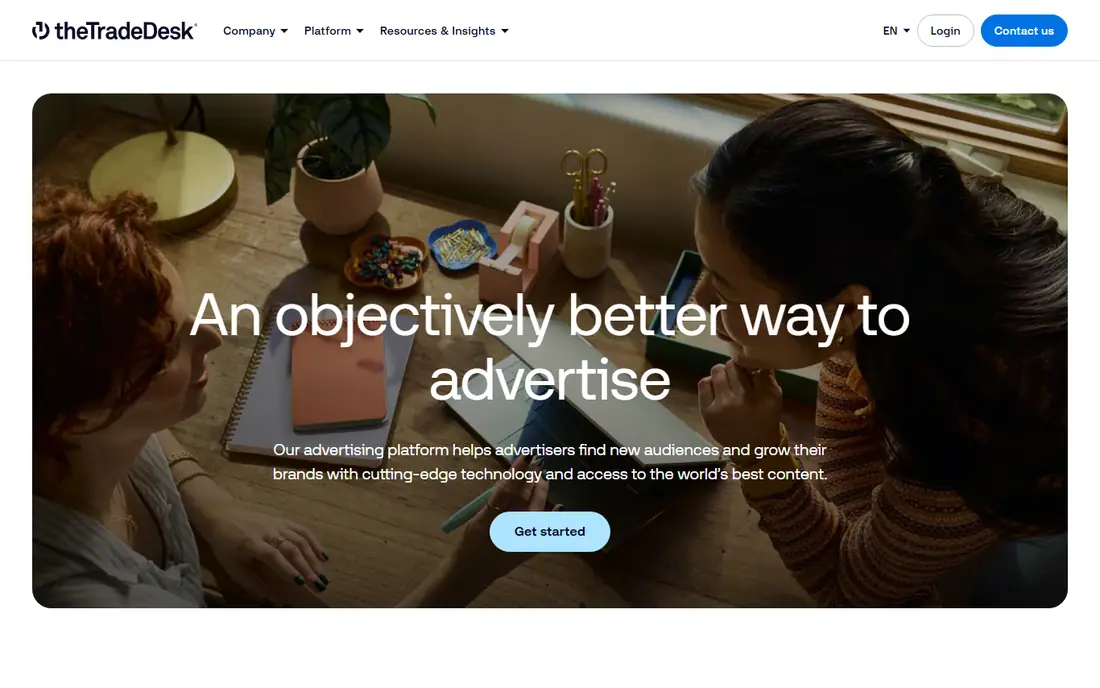
The Trade Desk is our pick for most independent advertisers and agencies that want programmatic buying without being tied to one media owner. It buys across display, video, audio and connected TV, and its UID 2.0 identity framework is one of the two practical post cookie identifiers used widely in the open web. Third party summaries put its revenue above 2.4 billion dollars in 2024, which reflects its scale as the largest independent DSP.
The catch is skill and spend. The Trade Desk works best with an experienced trader or agency, and pricing is tied to media spend rather than a flat subscription, so small advertisers should check minimums through an agency. For serious programmatic buyers, though, its independence and CTV strength are hard to match.
- Largest independent DSP
- Strong connected TV and omnichannel buying
- UID 2.0 identity framework
- Pricing is based on media spend and quote
- Needs agency or in house programmatic skill to run well
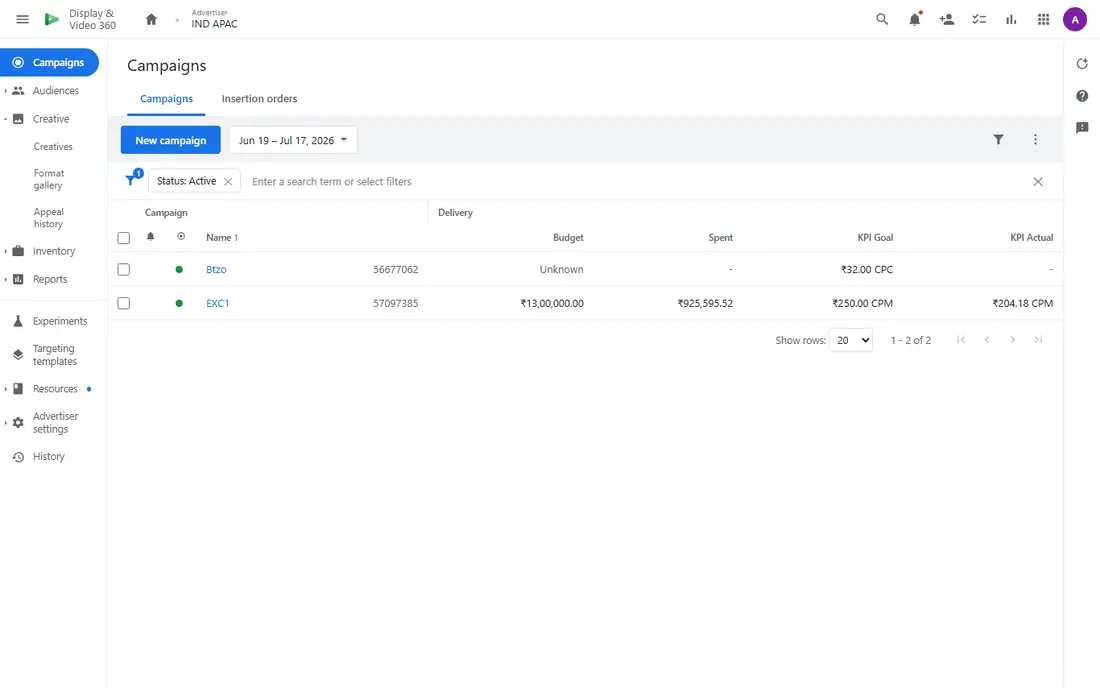
Google Display and Video 360, known as DV360, suits advertisers already invested in Google Analytics, YouTube and Google Ads. Its reach through Google owned inventory and the broader exchange network is unmatched, and its audience tools integrate cleanly with first party data from Google products. Machine learning optimization helps scale campaigns across channels without manual bid changes for every placement.
The trade off is independence. DV360 works best inside Google, and advertisers who want full transparency or who prioritize independent measurement may prefer The Trade Desk or StackAdapt alongside it. Many large advertisers run both, using DV360 for Google reach and an independent DSP for the open web.
- Largest reach through Google inventory and YouTube
- Deep audience integration with Google tools
- Strong machine learning optimization
- Tied to the Google ecosystem
- Transparency concerns for advertisers who want full log level data
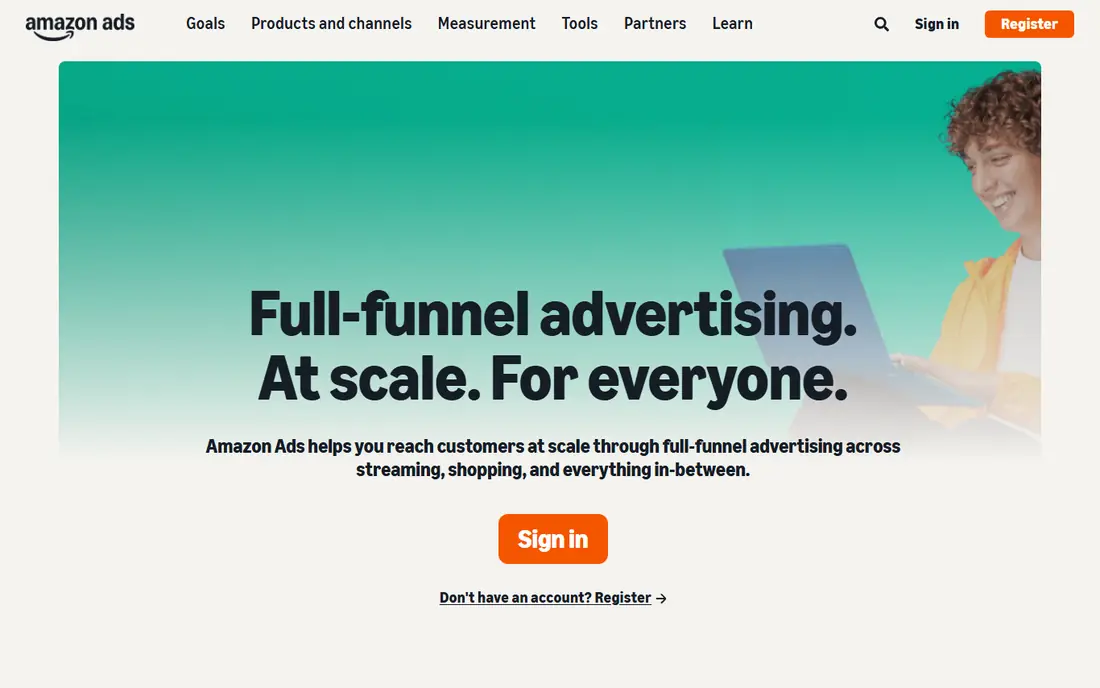
Amazon DSP fits brands where shopping data matters more than broad reach. Its first party shopper signals, from searches and purchases on Amazon, let advertisers target people based on actual buying behavior rather than inferred interests, and it buys both on Amazon properties and across the wider web. For e-commerce and consumer brands, that commerce signal is a real advantage.
The limit is scope. Brands that do not sell on Amazon get less value from its shopper data, and its measurement is strongest inside the Amazon ecosystem. Amazon DSP works best as part of a mix, paired with a general DSP for brand and prospecting campaigns.
- Access to Amazon first party shopper data
- Strong retail media and commerce measurement
- On and off Amazon inventory
- Best for brands that sell on Amazon
- Pricing and minimums are quote based
- Measurement is strongest inside Amazon
Magnite is the pick for publishers and for advertisers who care about connected TV supply. Formed from the Rubicon and Telaria merger, it is the leading independent sell side platform, with particular strength in CTV inventory from major media owners. Publishers use Magnite to manage auctions, set price floors and maximize yield across demand sources.
Advertisers do not usually buy directly from Magnite, since they reach its supply through DSPs such as The Trade Desk or DV360. That indirect path is normal in programmatic, but it means you should ask your DSP about Magnite CTV access and private deals rather than expecting a direct Magnite login.
- Leading independent sell side platform
- Strong connected TV supply
- Formed from Rubicon and Telaria scale
- Publisher focused, so advertisers access it through DSPs
- Revenue share model varies by deal
PubMatic suits publishers and networks that monetize open web display and video. It is a long standing sell side platform with yield management tools, header bidding support and a focus on verified, fraud free supply. For advertisers, PubMatic supply is reached through DSPs, and its open web inventory complements Magnite CTV strength in a balanced media plan.
The catch is CTV scale. PubMatic is strong in display, but Magnite leads in connected TV, so a CTV heavy plan should weigh Magnite supply more heavily. As with all sell side platforms, pricing is revenue share based and varies by deal, so publishers should compare net yield, not headline take rates.
- Trusted sell side platform for publishers
- Strong open web display and video
- Fraud free supply focus
- Publisher focused
- Smaller scale than Magnite in CTV
- Revenue share varies by deal
Criteo fits e-commerce brands and retailers that want performance advertising tied to shopping behavior. Its commerce media network connects retailers, brands and publishers, and its retargeting heritage makes it strong at bringing back shoppers who viewed products but did not buy. For direct to consumer and retail brands, that performance focus translates into measurable sales outcomes.
Privacy change is the honest catch. Cookie loss and platform rules limit classic retargeting, and Criteo has had to shift toward commerce audiences and first party data. Brands should test Criteo on commerce outcomes with current privacy settings, not on historical retargeting performance alone.
- Commerce media and retargeting at scale
- Large retailer and brand network
- Performance focused for e-commerce
- Retargeting faces privacy limits as cookies fade
- Best for commerce, less for pure brand campaigns
StackAdapt is our pick for mid market advertisers and agencies that want programmatic without enterprise complexity. It offers native, display, video, connected TV and audio buying in one platform, with contextual targeting that works well as cookie based targeting fades. Third party comparisons often name it the best mid market option with CTV access, which matches its positioning.
The trade off is scale. StackAdapt does not match The Trade Desk on inventory depth or advanced identity features, and larger advertisers with complex data needs may outgrow it. For mid market teams that need a usable DSP with real CTV access, StackAdapt hits the right balance.
- Mid market friendly DSP with CTV access
- Native, display, video and audio in one platform
- Contextual targeting strength
- Smaller scale than The Trade Desk
- Minimums and pricing are quote based
DoubleVerify suits any advertiser that wants independent proof that ads were viewable, brand safe and served to real people. Along with Integral Ad Science, it forms a near duopoly in verification, and its tags are accepted across most major platforms and publishers. For brand advertisers spending serious money, verification is less a luxury than a basic control.
The catch is that DoubleVerify does not buy media, so it adds cost and complexity to a campaign rather than replacing a DSP. Budget for verification as a share of media spend, agree on viewability and safety thresholds before launch, and use its reporting to block poor inventory rather than just to report on it after the fact.
- Near duopoly position in verification with IAS
- Viewability, brand safety and fraud detection
- Widely accepted by agencies and publishers
- Verification is a cost on top of media
- It measures quality, it does not buy media itself
How we picked these
We compared vendor product pages, programmatic platform comparisons and adtech market summaries current in October 2026. We kept only companies with a live, scaled offering in buy side, sell side, commerce, identity or verification, and we favored firms with clear inventory or measurement roles rather than niche point tools. We did not claim hands-on testing, and we compared official pages, independent comparisons and public market reporting.
How to choose an adtech partner
Start with your side of the market. Advertisers need a DSP and verification, publishers need an SSP and yield tools, and commerce brands need retail media and commerce audiences. Buying a sell side platform as an advertiser, or a DSP as a publisher, wastes time. Map your role first, then shortlist two platforms on that side.
Next, test identity and measurement before scale. Run a small campaign with your first party data, check match rates for UID 2.0 or RampID where relevant, and confirm that reporting shows what you need, from viewability to sales outcomes. Privacy rules vary by region and platform, so confirm consent handling and data residency for your markets.
Finally, compare total cost on your spend. DSP fees, verification costs, data fees and agency fees all sit on top of media cost, and a low platform fee can hide high data charges. Agree on minimums, fee structure and reporting access in writing, and keep the right to audit log level data where the platform allows it.
FAQ
What is the difference between a DSP and an SSP?
A DSP, or demand side platform, is used by advertisers to buy ad space across many publishers through real time auctions. An SSP, or supply side platform, is used by publishers to sell their ad space to many buyers and maximize yield. The Trade Desk and DV360 are DSPs, while Magnite and PubMatic are SSPs.
Which adtech company is best for small advertisers?
StackAdapt is often the best starting DSP for mid market and smaller advertisers, thanks to usable tooling and CTV access without enterprise complexity. Small advertisers with tiny budgets may do better starting in Google Ads or Meta Ads directly, then moving to programmatic once spend justifies a DSP and an agency or trader.
Do I still need adtech if I advertise on Google and Meta?
Google and Meta cover a large share of digital spend, but programmatic adtech adds open web, connected TV, audio and retail media inventory that those walled gardens do not fully cover. It also adds independent verification and cross publisher frequency control. Many brands run walled garden campaigns alongside programmatic for reach and measurement.
What happened to third party cookies and adtech identity?
Third party cookies have faded as a reliable identifier, which pushed the industry toward first party data, contextual targeting and new identifiers such as UID 2.0 and RampID. Adtech buyers should test identity match rates with their own data rather than trusting vendor claims. Contextual targeting has also improved as a cookie free option.
Is adtech pricing a subscription?
Usually not. DSPs typically charge a share of media spend or a platform fee tied to spend, SSPs take a revenue share from publishers, and verification is priced on impressions or spend. Always ask for the full fee stack, including data and agency fees, on your expected spend level before you compare platforms.
Should publishers use Magnite or PubMatic?
Many publishers use both, since Magnite leads in connected TV and PubMatic is strong in open web display. The right mix depends on your inventory, with video heavy publishers leaning to Magnite and display heavy publishers leaning to PubMatic. Compare net yield after fees, fill rates and support quality, not just headline take rates.