Best ADT Alternatives in 2026: 9 Systems Compared
Searching for ADT alternatives for home security? We compare 9 systems on monitoring, contracts, equipment, and monthly costs in 2026 today. Start here.
- Editor's choice
 SimpliSafe
No-contract DIY security
Starts atSee websiteVisit simplisafe.comFull review - Great alternative
 Ring Alarm
Alexa homes and DIY kits
Starts atSee websiteVisit ring.comFull review - Also consider
 Vivint
Full smart home install
Starts atSee websiteVisit vivint.comFull review
TL;DR:
- SimpliSafe and Ring suit renters and DIY buyers who want no long contract and optional professional monitoring.
- Vivint suits buyers who want a full smart home system with professional installation.
- Abode and Cove offer flexible monitoring, including self-monitoring and short-term professional plans.
- Wyze and Arlo suit budget or camera-first buyers, but check monitoring and storage terms carefully.
- Total cost depends on equipment, installation, and monitoring together, so compare the full first-year price, not only the monthly fee.
Quick comparison
| Tool | Best for | Starts at | Free plan? | |
|---|---|---|---|---|
| SimpliSafe | No-contract DIY security | See website | No | Visit |
| Ring Alarm | Alexa homes and DIY kits | See website | No | Visit |
| Vivint | Full smart home install | See website | No | Visit |
 Frontpoint | DIY with strong support | See website | No | Visit |
 Abode | Flexible monitoring | See website | No | Visit |
 Cove | Simple DIY setup | See website | No | Visit |
 Brinks Home | Professional install option | See website | No | Visit |
 Wyze | Budget home monitoring | See website | No | Visit |
 Arlo | Camera-first security | See website | No | Visit |
The best ADT alternatives
We compared official pricing pages, monitoring plans, contract terms, and equipment options to find systems that replace ADT for different homes, from small rentals to large houses with full smart home control.
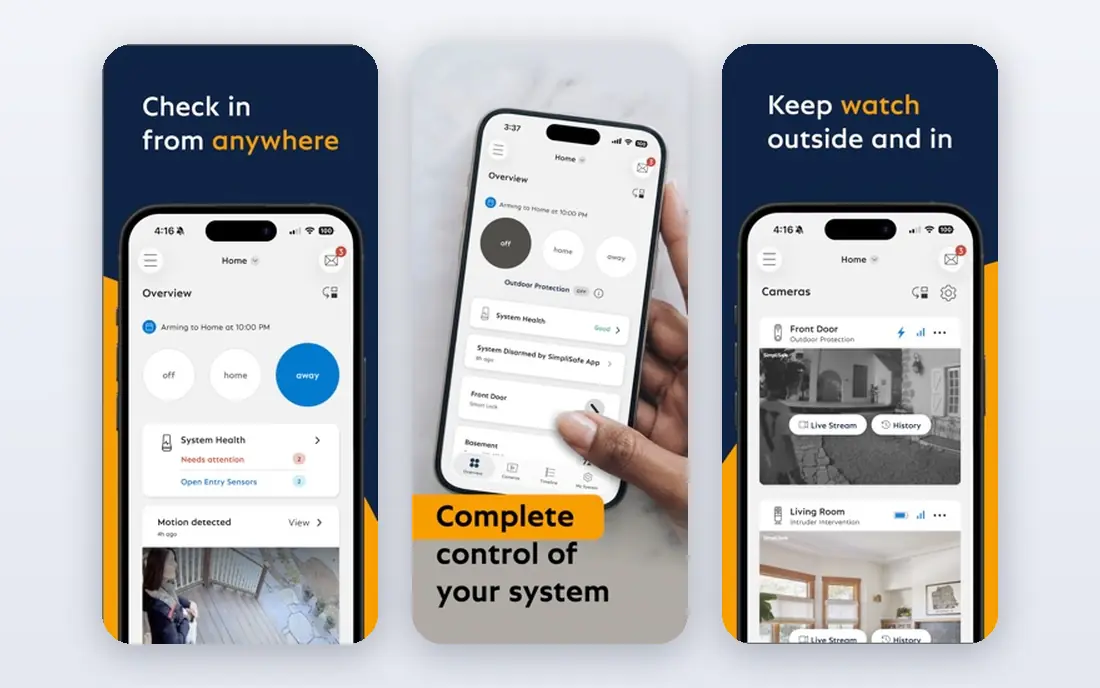
SimpliSafe is the most popular ADT alternative for buyers who want professional monitoring without a multi-year contract. Kits are bought upfront, sensors use peel-and-stick mounts, and setup usually takes under an hour for a standard home. Monitoring plans are monthly, so you can start, change, or stop service without the long commitment ADT traditional plans often require.
The trade-off is that the best features, such as video recording, smart alerts, and full app control, sit on paid plans. Self-monitoring is possible, but it means you handle alerts and emergency calls yourself. SimpliSafe fits renters, first-time buyers, and anyone who wants a clear monthly price and the freedom to move the system to a new home.
- DIY setup with no long contract
- Optional professional monitoring
- Wide sensor range
- Some advanced features need a paid plan
- Cameras are less central than in camera-first systems
Ring Alarm suits homes already built around Alexa and Amazon devices. The alarm kit pairs with Ring cameras, doorbells, and Echo devices, and routines can link arming, lights, and camera recording. Monitoring plans are among the lowest in this list, and self-monitoring through the app is an option for buyers who do not want a monthly fee.
Video storage is the main extra cost. Without a subscription, live viewing works but recorded history is limited, so budget for a plan if you want playback after an event. Ring also deserves a privacy check, including video sharing settings and data controls, before you install cameras. For Alexa households that want affordable DIY security, Ring is a strong pick.
- Low-cost monitoring options
- Strong Alexa integration
- Wide camera range
- Video history needs a subscription
- Privacy settings need a careful review
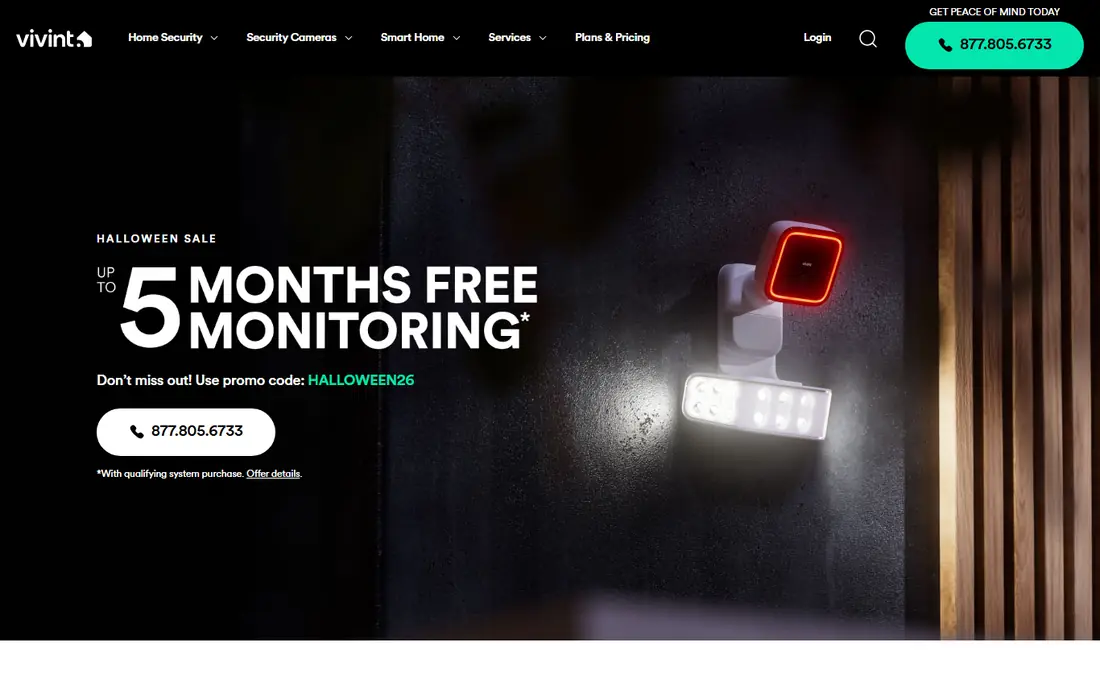
Vivint is closest to ADT in service style, with professional installation and a central smart home panel that controls security, cameras, locks, lights, and thermostats. A technician plans sensor placement and sets up the system, which helps in larger homes where DIY placement can miss weak points. The app gives one place to control the whole home.
The cost and contract terms are the main drawbacks. Vivint plans often run for several years, and equipment is commonly financed, so the monthly total is higher than a DIY kit. Vivint fits buyers who want a done-for-you system and who plan to stay in the home for the contract term. Renters and short-term buyers should look at SimpliSafe or Ring first.
- Professional installation
- Integrated smart home panel
- Strong camera and lock options
- Longer contracts are common
- Total cost is higher than DIY systems
Frontpoint combines DIY installation with a support-led service model. Kits arrive pre-configured, setup guidance is detailed, and monitored plans include cellular backup, so the system can still alert a monitoring centre if Wi-Fi or broadband fails. Crash and smash protection helps when an intruder tries to damage the panel before an alarm signal is sent.
Equipment costs sit above the cheapest DIY kits, so the first-year total needs a close look. Frontpoint fits buyers who want to install the system themselves but still want human support and professional monitoring behind it. If you only want self-monitoring and the lowest upfront cost, Wyze or Ring may suit better.
- DIY setup with guided support
- Cellular backup
- Crash and smash protection on monitored plans
- Equipment prices are higher than some DIY rivals
- Professional monitoring is the main value
Abode stands out for flexibility. You can self-monitor for free through the app, buy professional monitoring for a short period such as a holiday, or keep a monthly plan for full cover. It also supports a wide range of smart home devices, including Z-Wave, Zigbee, and major voice assistants, which helps in homes with mixed brands.
The camera range is smaller than Ring or Arlo, so camera-first buyers may need a second system for outdoor coverage. Abode fits buyers who want control over when they pay for monitoring, and who value smart home integration over a single-brand camera system. Check which automation features need a paid plan before you buy.
- Self-monitoring option
- Short-term professional plans
- Wide smart home support
- Smaller camera range than Ring or Arlo
- Some plans are needed for full automation
Cove aims for the simplest DIY experience in this list. The panel, sensors, and app are designed for buyers who do not want to research protocols or build complex routines. Setup is guided step by step, and monitoring is monthly, which keeps the commitment low. That simplicity helps first-time security buyers and older users who want clear controls.
The trade-off is ecosystem size. Cove has fewer cameras, locks, and third-party integrations than larger rivals, so homes that already use many smart devices may hit limits. Cove fits small to medium homes where core intrusion protection matters more than a large smart home system. Larger homes should check sensor range and camera coverage first.
- Simple setup and app
- Monthly monitoring with no long contract
- Touch panel included in many kits
- Smaller ecosystem than Ring or SimpliSafe
- Camera options are more limited
Brinks Home offers a middle path between ADT-style professional service and DIY kits. Professional installation is available, and the system integrates with Google Nest devices, which suits Google Home households. Monitoring is professional, with cellular backup on monitored plans, and equipment can be bought or financed depending on the plan.
Contract and price terms need a careful read, since they vary by equipment bundle and monitoring tier. Brinks Home fits buyers who want professional help with setup but who also want Google smart home control. DIY buyers who want the lowest monthly cost should compare SimpliSafe and Ring before choosing Brinks.
- Professional installation available
- DIY option in some plans
- Google Nest integration
- Contract terms vary by plan
- Monitoring prices sit above budget DIY systems
Wyze is the budget pick for buyers who want cameras and basic home monitoring at a low price. Cameras, sensors, locks, and the home monitoring kit are all priced well below traditional systems, and the app is easy to use. For a small home or rental, Wyze can cover doors, windows, and key rooms for far less than a traditional install.
The limits are service depth and subscription stacking. Professional monitoring exists, but it is simpler than ADT or Vivint, and video features such as cloud recording and smart detection often need paid plans. Wyze fits budget buyers who are comfortable managing the system themselves. Buyers who want the highest level of professional response should choose a dedicated monitoring system instead.
- Very low equipment and monitoring prices
- Wide camera and sensor range
- Easy app setup
- Professional monitoring is basic compared with ADT
- Some features need subscriptions
Arlo is best for buyers whose main concern is cameras, not a full alarm panel. Its wireless cameras cover outdoor areas, driveways, and entry points, and smart detection helps reduce alerts from passing cars or animals. Some hubs support local storage, which gives an option for buyers who prefer not to rely only on cloud video.
Arlo is less complete as a traditional alarm system than SimpliSafe or ADT, because sensors and professional monitoring are not its core strength. It fits homes that already have an alarm, or buyers who want video coverage first and will add sensors separately. Check subscription terms for video history, since that is where most of the ongoing cost sits.
- Strong wireless cameras
- Smart detection for people, vehicles, and packages
- Local storage options on some hubs
- Full features need a subscription
- Alarm and sensor range is narrower than full security systems
How we picked these
We compared official pricing pages, monitoring terms, contract lengths, and equipment options for home security systems available in the United States in October 2026. We kept only systems that are live today and that offer a credible alternative to ADT, whether DIY or professionally installed. We also weighed total first-year cost, self-monitoring options, and smart home integration, because monthly fees alone do not show the full price.
What to check before you switch
Add up equipment, installation, and monitoring for the first year, and then for year three, before you compare monthly prices. A low monthly fee with expensive equipment, or a cheap kit with a long contract, can cost more over time. Check contract length, early exit fees, and whether equipment is owned or financed, since financed equipment can limit your ability to switch later.
Also check coverage for your home. Count doors, ground-floor windows, and key rooms, and confirm sensor range, camera placement, and Wi-Fi or cellular backup. Test the app during a trial period if one is offered, and review privacy settings for cameras, including who can view video and how long clips are kept. A system that is hard to use daily will not protect a home as well as a simpler system that is always armed.
FAQ
Is SimpliSafe cheaper than ADT?
In most cases, yes, because SimpliSafe has no long contract and lower monitoring tiers, and equipment is bought upfront. ADT traditional plans can include professional installation and bundled services, so compare the full first-year total, not only the monthly fee.
Can I install an ADT alternative myself?
Yes, SimpliSafe, Ring, Abode, Cove, and Wyze are designed for DIY setup, usually with peel-and-stick sensors and app guidance. Vivint and Brinks Home offer professional installation for buyers who prefer a technician to plan and install the system.
Do I need professional monitoring?
Professional monitoring means a centre can contact emergency services when an alarm triggers and you do not respond. Self-monitoring saves money, but it relies on you seeing alerts and calling for help yourself, which may not work at night or when you are away from your phone.
Will these systems work if my internet goes down?
Many monitored systems include cellular backup, so alarm signals can still reach the monitoring centre without broadband. Check whether cellular backup is included in your plan, since some budget plans rely on Wi-Fi alone.
Can I take my system with me when I move?
DIY systems are usually easy to move, since sensors and panels can be removed and reinstalled in a new home. Professionally installed systems with wired sensors are harder to move, so check contract and equipment terms before you sign if a move is likely.