Best Ad Tech Companies in 2026: 9 Platforms Compared
Compare the best ad tech companies for buying, selling and measuring digital ads, including DSPs, SSPs, retail media and verification tools for 2026 today.
- Editor's choice
 The Trade Desk
Independent programmatic buying
Starts atSee websiteVisit thetradedesk.comFull review - Great alternative
 Google Ad Manager
Publisher ad serving at scale
Starts atSee websiteVisit admanager.google.comFull review - Also consider
 Amazon DSP
Retail media and shopper data
Starts atSee websiteVisit advertising.amazon.comFull review
TL;DR:
- The Trade Desk, Google Ad Manager and Amazon DSP anchor most serious buying and selling stacks, each with a different data advantage.
- Publishers should weigh Magnite, PubMatic and Index Exchange on demand quality, fees and connected TV strength, not just headline reach.
- Verification and identity tools such as DoubleVerify matter more as cookies fade and retail media grows.
- Most enterprise ad tech pricing is quote based, so budget for platform fees, data costs and minimum spend separately.
Quick comparison
| Tool | Best for | Starts at | Free plan? | |
|---|---|---|---|---|
| The Trade Desk | Independent programmatic buying | See website | No | Visit |
| Google Ad Manager | Publisher ad serving at scale | See website | No | Visit |
| Amazon DSP | Retail media and shopper data | See website | No | Visit |
 Magnite | Publisher monetization and connected TV | See website | No | Visit |
 PubMatic | Open web supply and yield | See website | No | Visit |
 Criteo | Commerce and retargeting ads | See website | No | Visit |
 Adobe Advertising Cloud | Cross channel brand campaigns | See website | No | Visit |
 StackAdapt | Self serve multi channel buying | See website | No | Visit |
 Index Exchange | Transparent publisher supply | See website | No | Visit |
The best ad tech companies
This list mixes buy side, sell side and measurement companies, because a complete ad tech stack rarely comes from one vendor alone.
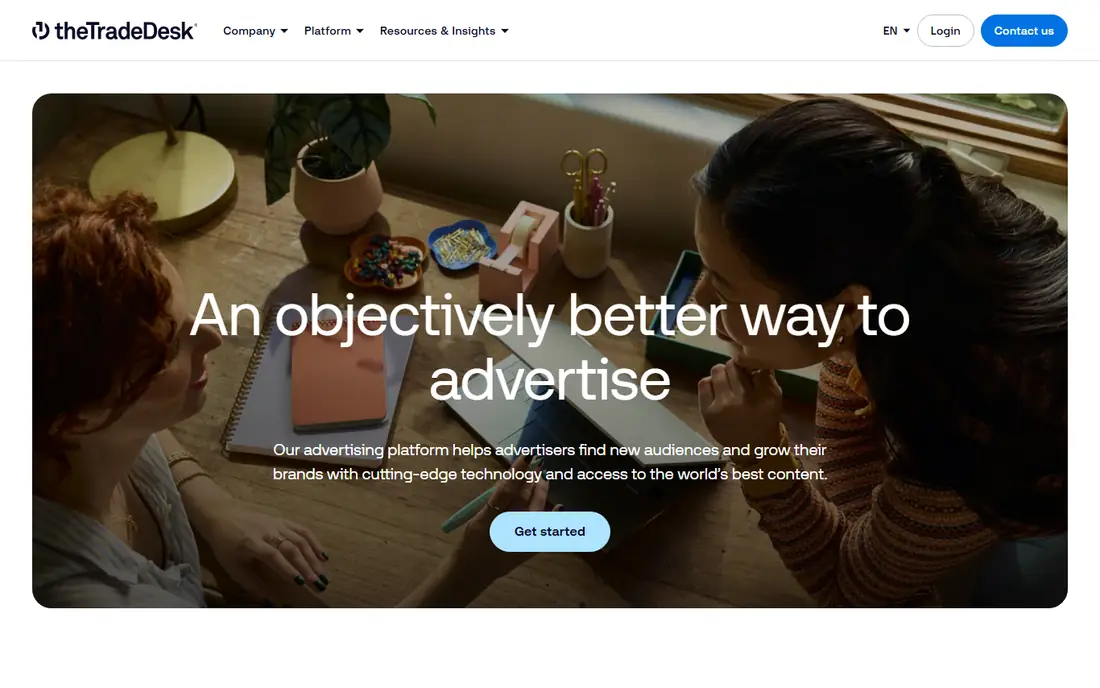
The Trade Desk is the leading independent demand side platform for advertisers and agencies that want to buy programmatic media without being locked to one publisher ecosystem. Its platform covers display, video, audio and connected TV, with data and measurement tools built for cross channel planning. For brands that buy across many publishers, that independence is a real advantage over a platform owned by a single media owner.
The catch is access and scale. The Trade Desk is built for agencies and larger advertisers, and smaller teams may find minimum spend and onboarding heavier than a self serve tool. It also works best when the buyer already has a clear data and measurement plan, since the platform gives a lot of control to users who know how to use it.
- Large independent demand side platform
- Omnichannel buying across display, video, audio and connected TV
- UID 2.0 identity approach
- Enterprise oriented with minimums
- Learning curve for small teams
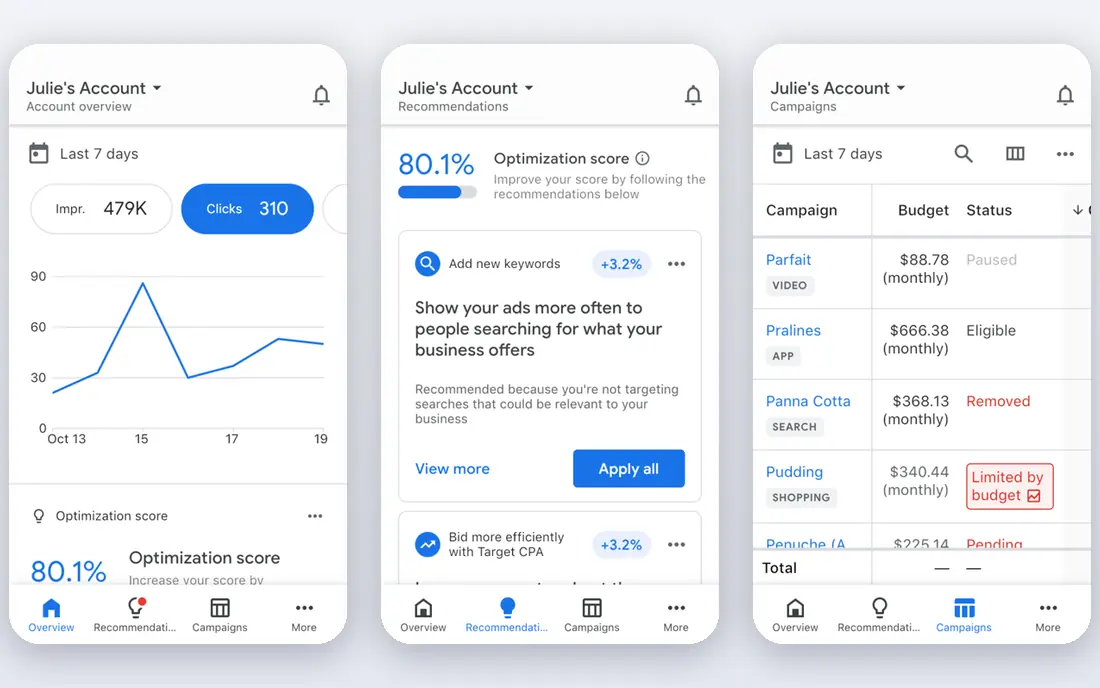
Google Ad Manager remains the default ad server for a large share of publishers, and that position alone makes it hard to ignore. It handles direct sold campaigns, programmatic demand and house ads in one system, with forecasting and reporting that larger publishers rely on daily. For publishers already using Google Analytics and other Google tools, the integration reduces manual work.
Dependence is the honest weakness. Publishers that run everything through one vendor have less bargaining power if policies, fees or product changes shift. Smaller publishers may also find the full feature set more than they need, and should check whether a simpler ad server or a managed partner fits better before committing to the full platform.
- Default ad server for many publishers
- Deep integration with Google demand
- Strong reporting and forecasting
- Complexity for small publishers
- Concern about dependence on one ecosystem
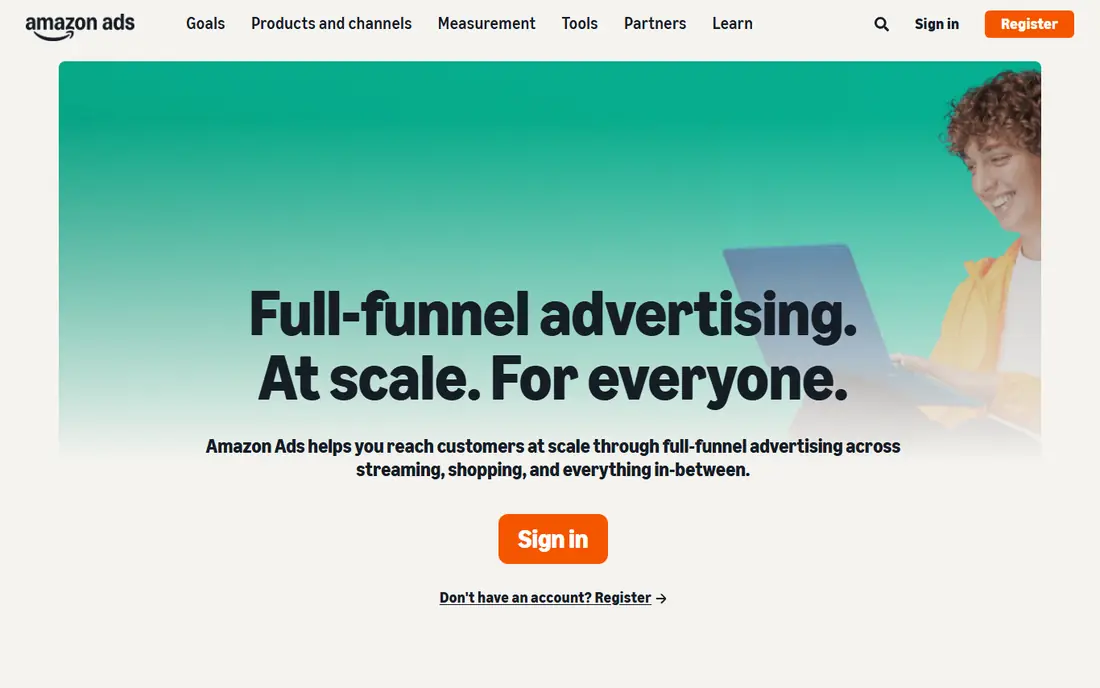
Amazon DSP gives advertisers access to Amazon shopper signals, which is a powerful advantage for retail, consumer goods and ecommerce brands. Ads can run on Amazon properties and across third party sites and apps, with targeting based on shopping behavior rather than inferred interest alone. That closed loop from ad exposure to purchase is why retail media budgets have grown so fast.
The limit is fit. A business to business brand with no retail goal may get less value from shopper data than from a general demand side platform. Amazon DSP also works best alongside an Amazon storefront or retail strategy, so brands should judge it on sales and retail outcomes, not just reach or clicks.
- First party shopper data
- Reach on and off Amazon properties
- Strong for retail and consumer brands
- Best value for brands with retail goals
- Less suited to pure brand awareness buying
Magnite is the largest independent sell side platform, formed from the Rubicon and Telaria merger, and it is a core partner for publishers that monetize video and connected TV. Its platform supports open auctions, private marketplaces and header bidding, giving publishers several ways to connect inventory with buyer demand. Connected TV is a particular strength, which matters as streaming inventory grows.
Magnite is not a tool for advertisers buying media directly, so buyers should not judge it as a DSP alternative. Publishers should also compare take rates, payment terms and demand quality against other supply platforms, since headline reach alone does not guarantee the best yield for every type of inventory.
- Leading independent sell side platform
- Strong connected TV supply
- Private marketplace and header bidding support
- Publisher focused, not a buyer tool
- Revenue share terms vary by deal
PubMatic has served publishers for years as an independent supply side platform, with tools for inventory management, yield optimization and header bidding. Its pitch centers on transparency and efficiency, which appeals to publishers that want clearer reporting on fees and demand sources. For open web display and video, it remains a standard name in most publisher stacks.
The honest weakness is differentiation. Many SSPs now offer similar auctions and reporting, so PubMatic wins or loses on demand quality, service and the specific formats a publisher sells. Publishers should test it alongside at least one other SSP and compare net revenue after fees, not gross bids, before making it a primary partner.
- Long running independent SSP
- Yield tools and header bidding
- Transparency emphasis
- Crowded SSP market
- Results vary by publisher and format
Criteo built its business on commerce media, helping retailers and brands turn product views and shopping signals into ads that drive sales. Its retargeting and product ad formats are well suited to ecommerce, where showing a shopper the exact product they viewed can close a sale. Retail media networks also use Criteo technology to monetize their own sites and apps.
Retargeting has limits. Overuse can annoy shoppers, and privacy changes have forced commerce platforms to rely more on first party data and retailer partnerships. Criteo fits best for brands and retailers with real product catalogs and shopping traffic, rather than for companies selling long cycle services with no online checkout.
- Commerce media focus
- Retargeting and product ads at scale
- Retailer and brand partnerships
- Retargeting can feel repetitive to users
- Less broad than a full DSP
Adobe Advertising Cloud suits large brands that already use Adobe Analytics, Audience Manager or Creative Cloud and want advertising managed in the same ecosystem. It supports search, display and video buying with creative optimization and cross channel reporting, which helps teams that run many campaigns at once. For a brand with a large Adobe investment, the shared data and workflows can save time.
Outside that ecosystem, the case is weaker. Setup and pricing are enterprise grade, and a brand using other analytics or creative tools may not get the full benefit. Smaller advertisers should compare it with independent DSPs first, and ask for a clear total cost that includes platform, data and service fees.
- Part of Adobe Experience Cloud
- Cross channel search, display and video
- Creative and analytics integration
- Enterprise pricing and setup
- Best value inside the Adobe ecosystem
StackAdapt is a practical choice for agencies and mid sized brands that want self serve programmatic buying without the enterprise weight of the largest DSPs. Its platform covers native, display, video and connected TV, with contextual targeting that has become more important as third party cookies decline. Agencies often like it for running many smaller client campaigns in one place.
Scale is the trade off. StackAdapt does not match The Trade Desk or Google on overall demand or data depth, so very large buyers may need a second platform for certain channels. It fits best when ease of use, multi channel coverage and campaign level control matter more than maximum enterprise scale.
- Self serve platform for agencies and brands
- Native, display, video and connected TV
- Contextual and audience targeting
- Smaller scale than the largest DSPs
- Pricing and minimums vary by plan
Index Exchange is an independent exchange that connects publisher supply with buyer demand, with an emphasis on transparency and fair auctions. Publishers use it to monetize display, video and connected TV inventory, while buyers access its supply through DSPs. Its reputation for clean supply and direct publisher relationships makes it a regular part of serious programmatic stacks.
Index Exchange is not a standalone buying platform, so advertisers should think of it as supply infrastructure rather than a campaign tool. Publishers should judge it the same way they judge any SSP, by net revenue, fill quality and service, and by how well it complements rather than duplicates their other supply partners.
- Independent exchange with transparency focus
- Strong publisher and buyer relationships
- Header bidding and deal support
- Publisher and buyer tool, not a full DSP
- Yield depends on demand mix
How we picked these
We compared official product pages, platform documentation, public market coverage and publisher and advertiser use cases, and we favored companies that still operate at scale in October 2026 across buying, selling or measurement. We included both buy side and sell side names because most ad stacks need both, and we avoided defunct or merged away platforms. Pricing is quote based for enterprise ad tech, so we list it as See website rather than inventing platform fees.
How to choose an ad tech stack
Choosing ad tech is less about picking one winner and more about assembling a stack that fits the business model.
Start with the side you are on
Advertisers need a DSP and measurement first, while publishers need an ad server and SSPs first. Brands that also sell retail media need commerce tools on top. Buying a strong SSP will not fix weak buying, and a great DSP will not fix unsold publisher inventory.
Check data, identity and measurement
Ask how each platform handles first party data, cookieless identity and measurement. UID 2.0, clean rooms and contextual targeting all play a role now, and the right mix depends on whether the business has logged in users, retail data or mostly anonymous traffic. Get measurement in writing before signing, including viewability, fraud filtering and attribution limits.
Compare total cost, not just the platform fee
Platform fees are only part of the bill. Data licenses, creative costs, service fees, minimum spend and revenue shares all add up. Ask each vendor for a total cost example based on a realistic monthly spend or impression volume, and compare net outcomes after fees rather than gross rates.
Test before you standardize
Run a controlled test with clear success measures, such as cost per outcome for buyers or net revenue per thousand impressions for publishers. Keep the test period long enough to cover normal weekly variation, and keep at least one alternative partner live so a single vendor change does not break the whole stack.
FAQ
What is the difference between a DSP and an SSP?
A DSP helps advertisers buy ad impressions across many publishers, while an SSP helps publishers sell their inventory to many buyers. Most campaigns use both sides, with an exchange or ad server in between. A company can be strong on one side without being a good fit for the other.
Do small businesses need enterprise ad tech?
Most small businesses do not. Self serve ad platforms from Google, Meta and Amazon, plus a tool such as StackAdapt, usually cover small budgets better. Enterprise DSPs and SSPs make sense when spend, inventory or reporting needs grow beyond what self serve tools handle well.
Is programmatic advertising still effective without third party cookies?
Yes, but the methods have changed. First party data, contextual targeting, retail media data and privacy safe identity solutions now carry more weight. Platforms that invest in those areas tend to perform better than platforms that still rely mainly on cookie based targeting.
How do ad tech companies make money?
Common models include a percentage of media spend, a revenue share on publisher inventory, software license fees and data fees. The exact mix varies by vendor and deal. Buyers and publishers should ask for the full fee breakdown, since a low headline rate can hide data or service charges.
What should publishers look for in an SSP?
Look for demand quality, net revenue after fees, payment terms, connected TV or video strength if relevant, transparency reporting and service quality. Testing two SSPs side by side on similar inventory gives a clearer answer than any sales presentation alone.