Best Alternatives to Septic Systems in 2026: 9 Systems Compared
Exploring alternatives to septic systems? We compare 9 proven options for cabins, poor soils and small lots, with costs, permits and upkeep notes today.

- Editor's choice
 Norweco Singulair
Whole-house aerobic treatment
Starts atSee websiteVisit norweco.comFull review - Great alternative
 Orenco Advantex
Advanced textile filtration
Starts atSee websiteVisit orenco.comFull review - Also consider
 Nature's Head
Waterless cabin toilets
Starts atSee websiteVisit natureshead.netFull review
TL;DR:
- An aerobic treatment unit is the most common whole-house alternative, treating wastewater to a higher standard than a basic tank.
- Composting and incinerating toilets suit cabins and small homes, but they handle toilet waste only, so greywater still needs a plan.
- Mound-style and filter systems help on lots with high water tables, shallow rock or slow soils where a standard drain field fails.
- Every option needs local permits and soil testing, so talk to your county health department before you buy any system.
Quick comparison
| Tool | Best for | Starts at | Free plan? | |
|---|---|---|---|---|
| Norweco Singulair | Whole-house aerobic treatment | See website | No | Visit |
| Orenco Advantex | Advanced textile filtration | See website | No | Visit |
| Nature's Head | Waterless cabin toilets | See website | No | Visit |
 Incinolet | Incinerating toilet waste | See website | No | Visit |
 Premier Tech Ecoflo | Peat biofilter treatment | See website | No | Visit |
 Eljen GSF | Sand filter on tight lots | See website | No | Visit |
 Geoflow Drip | Drip dispersal of treated water | See website | No | Visit |
 Sun-Mar Centrex | Central composting for homes | See website | No | Visit |
 Clivus Multrum | Large composting systems | See website | No | Visit |
The best alternatives to septic systems
These nine systems replace or reduce the need for a standard septic tank and drain field, and each one fits a different site, budget and household size.
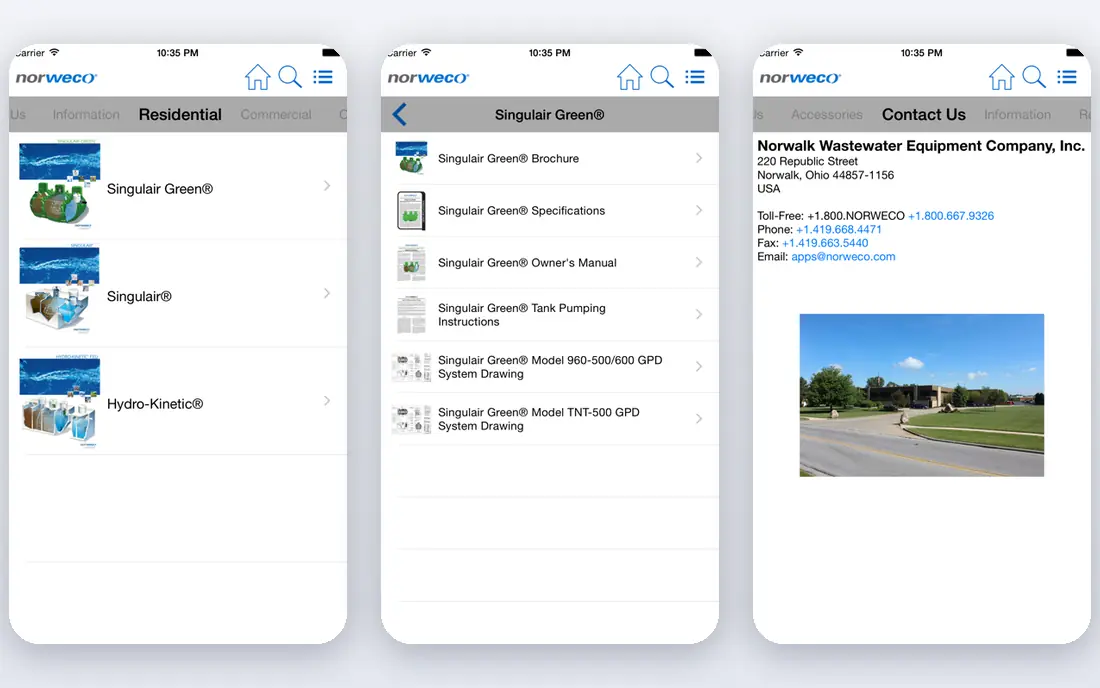
Norweco Singulair is an aerobic treatment unit, which means it uses air and bacteria to break down waste far more thoroughly than a standard anaerobic tank. Treated water then goes to a dispersal field, often a smaller one than a conventional system needs. That makes it a common choice for homes on poor soils or near sensitive water.
The catch is upkeep. An aerobic unit needs electricity, periodic service visits and a maintenance contract in many counties. Installed costs are also higher than a basic tank. If your lot cannot support a standard drain field and you want a whole-house solution, Singulair is a proven first option to discuss with a local installer.
- Treats wastewater to a high standard
- Suits lots where standard systems fail
- Long track record
- Needs power and regular service
- Higher installed cost than a basic tank
Orenco Advantex filters treated wastewater through a textile medium after a septic tank, which polishes the water before it reaches the soil. That extra step helps on lots with limited soil depth, high water tables or strict discharge rules. Many installers use it where a standard system would not pass a soil test.
Advantex is not a casual purchase. It needs a licensed designer, a trained installer and ongoing service, and the total cost reflects that. For a permanent home on a hard lot, the extra treatment is often what makes building possible at all.
- Compact textile filter
- Strong nitrogen and pathogen reduction
- Works on difficult sites
- Needs professional design and service
- Not a do-it-yourself install
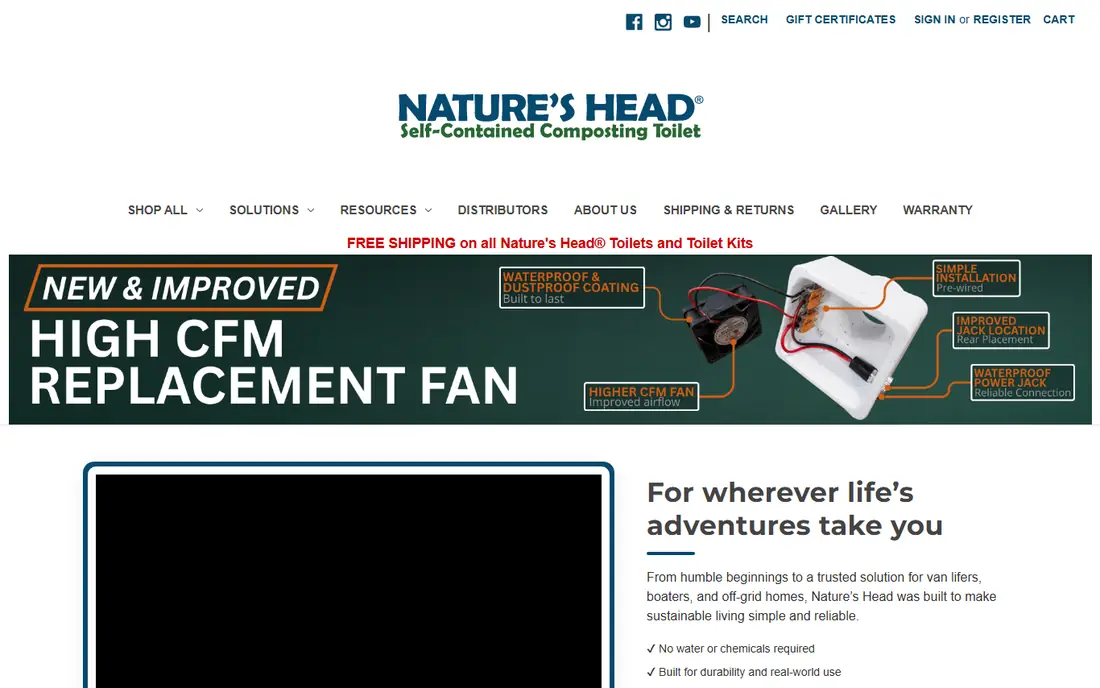
Nature's Head is a self-contained, urine-diverting composting toilet that needs no water or sewer connection. Solids go into a chamber with coco coir or peat moss, while urine collects in a separate bottle. A small fan vents the unit, and the design keeps odor low when used as directed.
This is a toilet, not a whole-house wastewater system. Sinks, showers and laundry still need a greywater plan, and the solids chamber needs emptying on a regular schedule. For a cabin, a boat or an off-grid tiny home, it is a simple, low-cost way to avoid a full septic install.
- No water or plumbing needed
- Urine-diverting design cuts odor
- Fits boats, vans and cabins
- Handles toilet waste only
- Solids and urine need regular emptying
Incinolet burns toilet waste at high heat, leaving a small amount of sterile ash. It needs no water, no drain field and no compost handling, which suits sites where composting toilets are restricted or where owners do not want to manage compost. It is made in the US and has been used in cabins, work sites and remote homes for years.
Power use is the main drawback, since each cycle draws electricity, and the ash must still be emptied and disposed of safely. Greywater from sinks and showers also needs a separate system. If you want the simplest waste handling with no compost, Incinolet is worth considering.
- Burns waste to sterile ash
- No water or drain field
- Useful where composting is not allowed
- Needs electricity
- Ash still needs disposal
- Higher running cost
Premier Tech Ecoflo is a peat-based biofilter that sits after a septic tank and treats effluent as it passes through natural peat. The filter itself uses no power, which appeals to owners who want low running costs. It is used for homes, cabins and small commercial sites where soil conditions limit a standard drain field.
Peat is a consumable, so the media must be replaced at intervals set by the maker and local rules. The system also still needs a tank and a dispersal area, so it is an upgrade to treatment, not a stand-alone toilet. For a permanent home with poor soil, Ecoflo offers strong treatment with little daily effort.
- Passive peat filtration
- No power for the filter itself
- Good treatment on varied soils
- Peat media needs replacement over time
- Needs a septic tank upstream
Eljen GSF, or Geotextile Sand Filter, uses modules filled with a special sand and fabric to filter effluent before it reaches the soil. The modular design can fit a smaller area than a traditional drain field, which helps on tight lots. Treatment is consistent, and the system is used across many US states.
As with other advanced systems, design and installation quality matter more than the product alone. A poor install can shorten the life of any filter, so use an installer who has fitted Eljen systems before. For a small lot where space is tight, GSF is a practical alternative to a full-size field.
- Modular geotextile sand filter
- Smaller footprint than many fields
- Treats effluent well
- Needs correct design and install
- Sand and modules add cost
Geoflow drip systems spread treated wastewater slowly through buried drip lines, rather than flooding a drain field. That slow release works on shallow soils and can support planted areas, which makes it popular for sites with limited depth to rock or water. The system must follow a treatment unit, not replace one.
Maintenance is the key risk. Filters must be checked and emitters can clog if the water is not treated well or if service lapses. With regular care, drip dispersal is a flexible option for lots that cannot take a standard field.
- Slow drip dispersal suits shallow soils
- Can water planted areas
- Uses treated effluent well
- Needs pre-treatment and filtration
- Emitters can clog without maintenance
Sun-Mar Centrex is a central composting system that sits on the floor below a bathroom, with a toilet above feeding it. It suits a full-time home better than a portable unit, since it can serve more people and holds more material. Water use is very low, and the finished compost can be handled per local rules.
The install needs headroom below the bathroom and a vent route, which is easier in new builds than in retrofits. Compost still needs managing, and sinks and showers need a greywater system. For an off-grid home with room for a central unit, Centrex is a solid step up from a portable toilet.
- Central unit serves a full bathroom
- Handles larger households than portable units
- Low water use
- Needs space below the bathroom
- Compost must be managed
- Greywater still needs handling
Clivus Multrum makes large composting systems for homes, parks and public buildings, with capacities well above a portable toilet. The waterless design saves water and avoids a drain field for toilet waste, which can help on remote or sensitive sites. Its long history gives installers and regulators a familiar reference.
Cost and space are the barriers. These are built-in systems that need professional design, a suitable room below the toilet and a plan for compost removal. For a large off-grid home or a public facility, Clivus Multrum is one of the most capable composting options available.
- Large capacity for homes and public sites
- Waterless operation
- Long history in composting
- High upfront cost
- Needs space and professional install
- Compost handling required
How we picked these
We compared manufacturer specifications, state approval lists, installer guidance and public cost guides for systems sold in the US in October 2026. We looked for products with a real installed base, clear maintenance needs and approval in at least some states, rather than unproven designs. We did not claim hands-on testing, and we used See website for pricing because installed costs vary so much by site, soil and local rules.
We also separated whole-house treatment systems from toilet-only products, because that distinction decides whether you still need a greywater plan. A product that only handles toilet waste is not a full replacement for a septic system on its own.
What to check before you choose
Start with your county health department, not a product brochure. Soil tests, setback distances and discharge rules decide which systems are even allowed on your lot. A system that works in one county may not be approved in the next, so get that answer in writing early.
Next, map every water source in the home. Toilets, sinks, showers, laundry and kitchen drains all produce wastewater, and a toilet-only product leaves the rest unhandled. A whole-house system costs more, but it solves the full problem in one design.
Permits and soil tests
Most counties require a site evaluation, a soil test and a permit before any install. Budget time for that process, and use a licensed designer who knows local rules. Skipping permits can lead to fines and a forced removal, which costs far more than the permit fee.
Maintenance and running costs
Advanced systems need service contracts, power, media replacement or compost handling. Ask for annual maintenance costs in writing, and check what happens if you skip a service visit. A system you cannot maintain is a system that will fail early.
FAQ
What is the best alternative to a septic system for a cabin?
A composting toilet such as Nature's Head or Sun-Mar Centrex is often the best cabin option, paired with a greywater system for sinks and showers. It needs no drain field for toilet waste and uses little or no water. Check local rules first, since some counties require a permitted greywater plan as well.
Can an aerobic treatment unit replace a septic system?
Yes, for a whole house, an aerobic unit such as Norweco Singulair treats wastewater to a higher standard and can work where a standard tank and field fail. It still needs a dispersal area, power and regular service, so it is a replacement treatment step, not a zero-maintenance option.
Are composting toilets legal everywhere?
No. Rules vary by state and county, and some areas require NSF-approved units or a professional design. Contact your county health department before you buy, and ask which models are approved for your lot and use type.
How much does an alternative septic system cost?
Installed costs for advanced treatment systems often range from $10,000 to $30,000, depending on system type, soil and local rules, while composting toilets range from hundreds to several thousand dollars for the unit alone. Get local installer quotes, since site work is a large share of the total.
Do I still need a drain field with an alternative system?
Most whole-house systems still need some form of dispersal, though it may be smaller or shallower than a standard field. Toilet-only products avoid a field for toilet waste, but greywater still needs a permitted dispersal plan.