Best Security Providers for IoT for 2026: Our 6 Vetted Picks
Comparing the top security providers for IoT? 6 contenders, each with entry cost, free tier and best-fit buyer. Real limits included. Skim the table first.
- Editor's choiceClaroty
Cyber-physical system protection
Starts atSee websiteVisit claroty.comFull review - Great alternativePalo Alto Networks IoT Security
Unified IT, IoT and OT device security
Starts atSee websiteVisit paloaltonetworks.comFull review - Also considerForescout
Continuous visibility across all asset types
Starts atSee websiteVisit forescout.comFull review
Direct answer
For cyber-physical system protection, Claroty is where this list starts. Listed starting prices: Microsoft Defender for IoT from $12.00 user/month, premium yearly. For a different need, Palo Alto Networks IoT Security covers unified IT, IoT and OT device security and Forescout covers continuous visibility across all asset types. The remaining 3 options are covered below with prices and limits.
TL;DR:
- The list opens with Claroty, aimed at cyber-physical system protection.
- Nozomi Networks is the one to check for OT network and endpoint visibility.
- None of the 6 tools, from Claroty to Nozomi Networks, has a free plan, so budget for a subscription or use a trial.
- What to know about Microsoft Defender for IoT first: best value inside Microsoft stack.
- Microsoft Defender for IoT is the lowest-priced starter here at $12.00 user/month, premium yearly.
Last checked November 2026. Prices and plan details were read from the vendors' own pages in November 2026; vendors change plans often, so confirm the current price on the vendor site before you buy.
Quick comparison
| Tool | Best for | Starts at | Free plan? | |
|---|---|---|---|---|
| Claroty | Cyber-physical system protection | See website | Not stated | Visit |
| Palo Alto Networks IoT Security | Unified IT, IoT and OT device security | See website | Not stated | Visit |
| Forescout | Continuous visibility across all asset types | See website | Not stated | Visit |
| Microsoft Defender for IoT | Microsoft-aligned IoT and ICS/OT protection | $12.00 user/month, premium yearly | Free trial | Visit |
| Fortinet FortiNAC | Network access control with IoT visibility | See website | Not stated | Visit |
| Nozomi Networks | OT network and endpoint visibility | See website | Not stated | Visit |
The 6 tools in detail
LinkVetted put together this guide to security providers for IoT for readers who want a clear shortlist without reading every vendor page. It compares 6 tools on starting price, free plans, who each one suits and where each one falls short.
Claroty
Best for: Cyber-physical system protection
Think of Claroty for cyber-physical system protection. Claroty focuses on securing cyber-physical systems, helping organizations protect operational assets, cut business risk and support operational efficiency. Teams that require to understand both security exposure and operational context will find the positioning relevant.
Claroty is built around industrial and cyber-physical use cases, so a business with only office-grade IoT devices may be over-served. From a buyer's view, deployment needs coordination with operations teams. Claroty does not show a starting price in this comparison, so check the vendor site for current pricing. As for free access: Not stated.
Downsides: Deployment planning matters.
- Risk reduction for operational assets
- Supports operational efficiency goals
- Industrial focus may exceed straightforward IoT needs
Palo Alto Networks IoT Security
Best for: Unified IT, IoT and OT device security
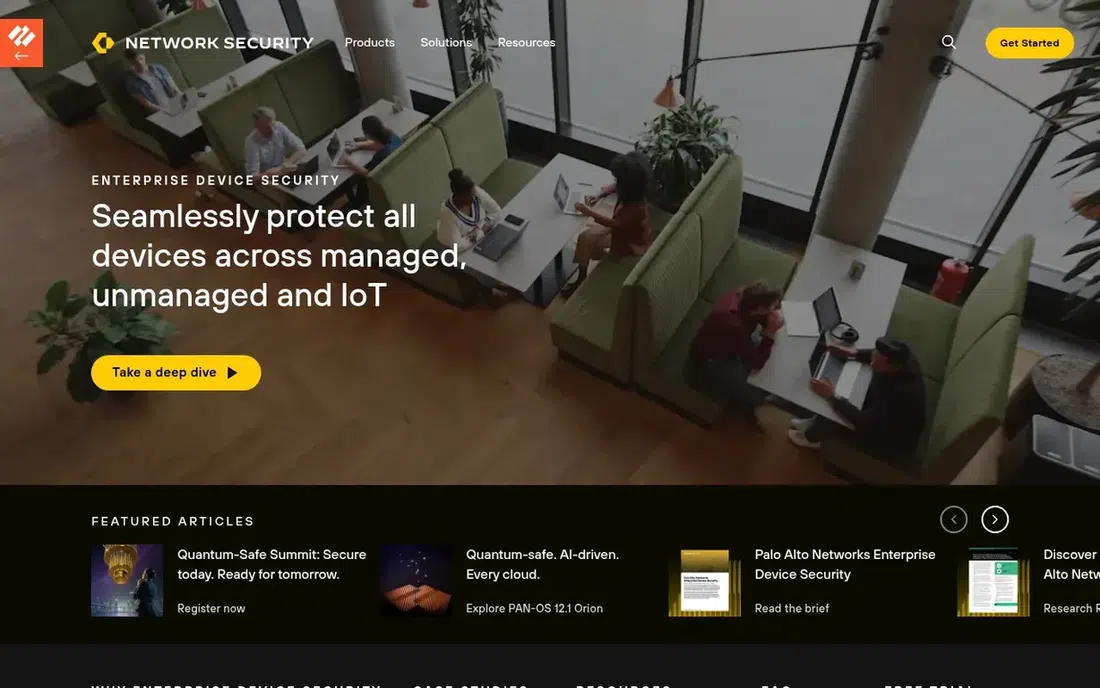
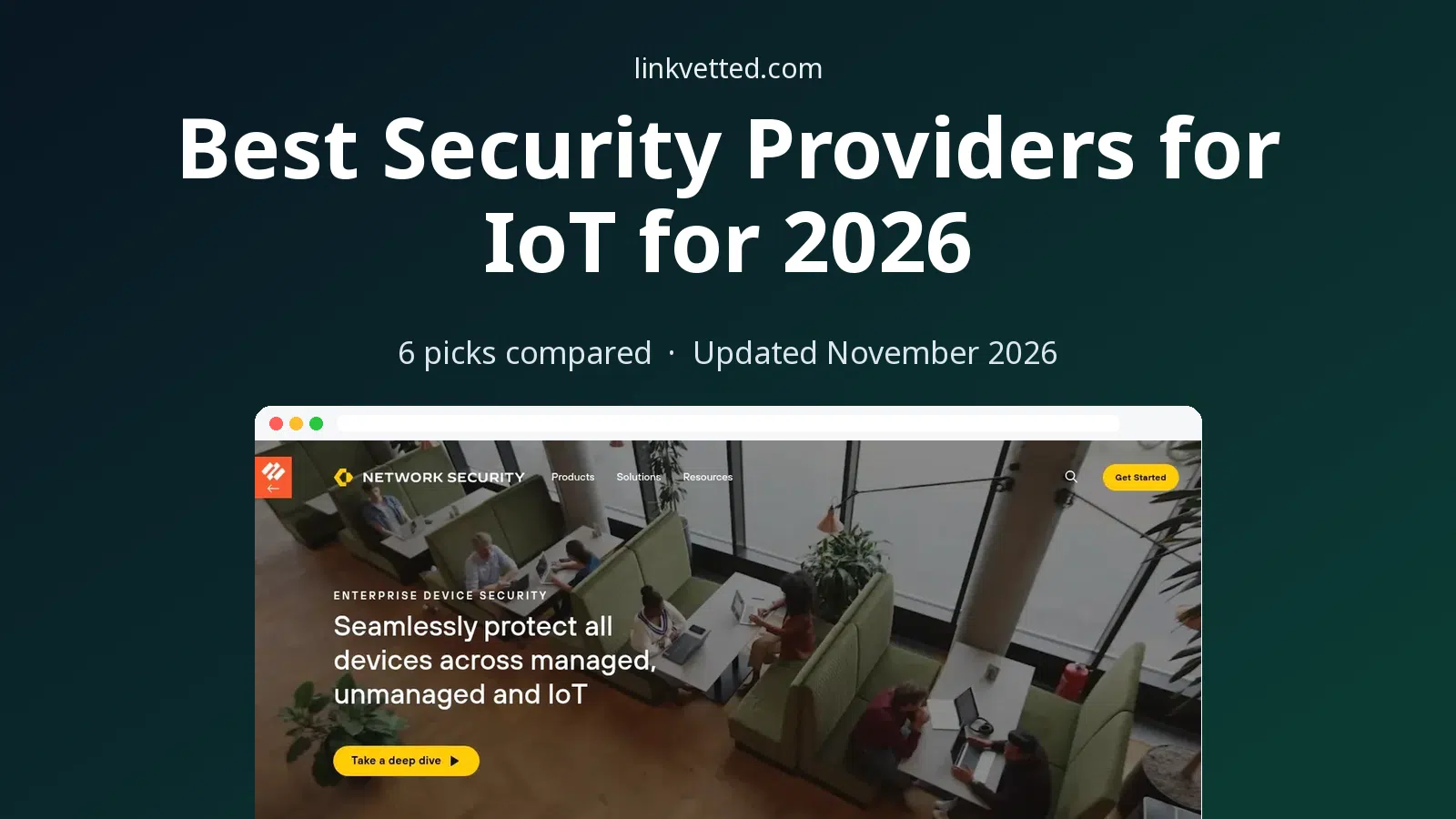
Palo Alto Networks IoT Security is built with unified IT, IoT and OT device security in mind. It emphasizes full visibility, risk insights and adaptive security enforcement.
For everyday use, teams without that foundation may find a standalone IoT visibility tool more straightforward. For everyday use, since it leans on the vendor's broader product, the value relies on how much of that stack you use. Check the vendor site for Palo Alto Networks IoT Security pricing; none is listed in this comparison. On free options: Not stated.
The main drawbacks: Configuration effort can be significant.
- Actionable risk insights
- Thorough device visibility
- Tied to the broader product
Forescout
Best for: Continuous visibility across all asset types
Forescout was built for continuous visibility across all asset types. That breadth makes it a fit for organizations, notably in healthcare and large enterprises, that require one view of everything on the network instead of separate tools per device category.
Organizations with a narrow, single-purpose IoT need may find a smaller tool more proportionate. The broad coverage includes configuration and tuning effort, and results rely on how well the product can see each network segment. Pricing for Forescout is not stated here, so ask the vendor for current figures. On free options: Not stated.
Honest limits: Wide scope can mean complicated setup.
- Continuous identification and compliance
- Spans managed and unmanaged assets
- Needs tuning for accurate inventory
Microsoft Defender for IoT
Best for: Microsoft-aligned IoT and ICS/OT protection
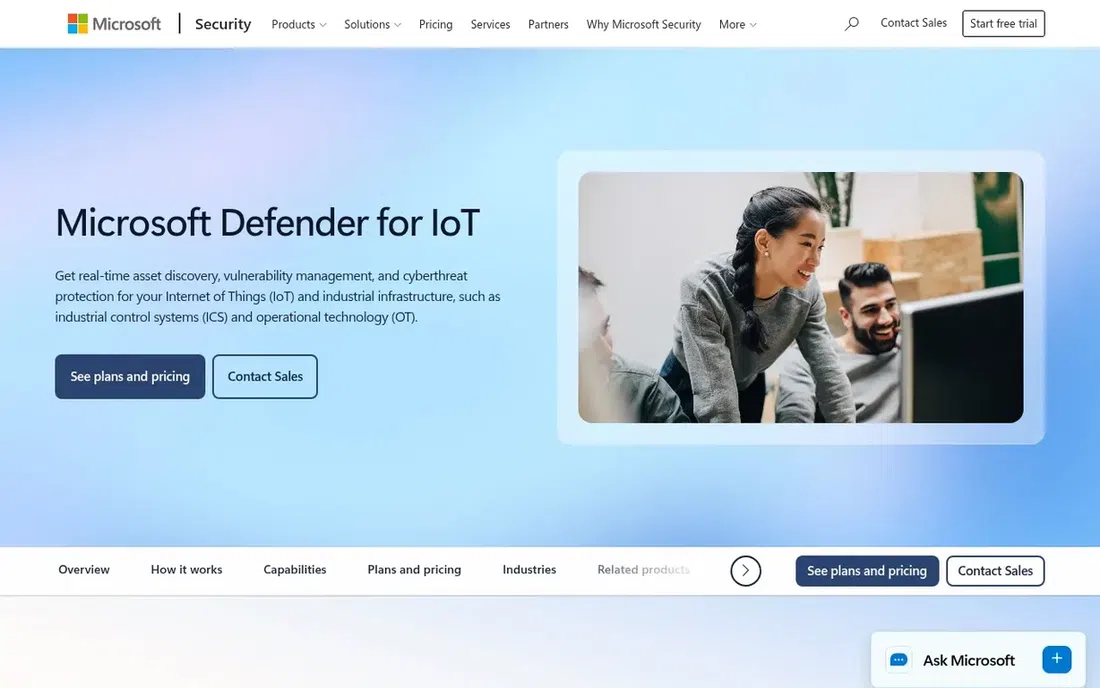
For Microsoft-aligned IoT and ICS/OT protection, Microsoft Defender for IoT is a natural candidate. Microsoft Defender for IoT is targeted at organizations that want to discover IoT and ICS/OT assets, manage vulnerabilities and detect threats from a single security product.
As for the details, organizations with mixed or non-Microsoft estates can still use it, but should verify how well it includes their device types and network segments before committing. The platform is most compelling when your security operations already lean on Microsoft. The starting price for Microsoft Defender for IoT: $12.00 user/month, premium yearly. Trial and free access: Free trial.
Points against: Best value inside Microsoft stack.
- Vulnerability management built in
- Threat protection across devices
- Industrial depth varies by environment
Fortinet FortiNAC
Best for: Network access control with IoT visibility
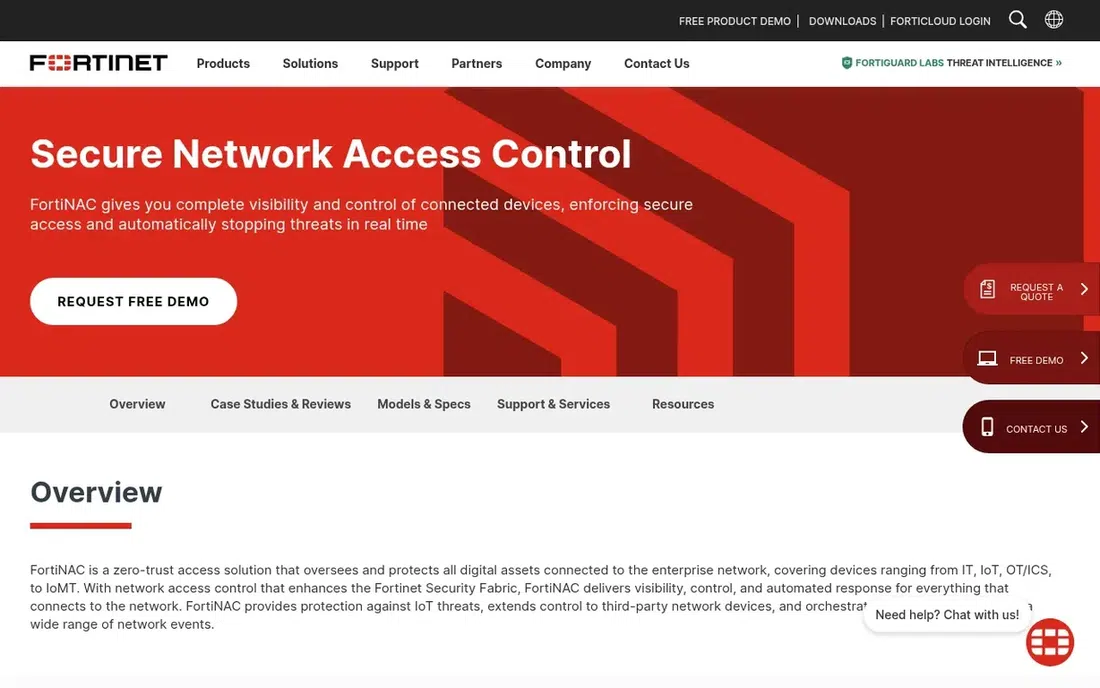
For network access control with IoT visibility, Fortinet FortiNAC is a natural candidate. Confirm how it deals with unmanaged devices in your environment. If your priority is monitoring OT protocols and catching process-level attacks, a dedicated OT security provider is the better route.
Fortinet FortiNAC is a network access control option that hands organizations visibility into connected devices, including IoT. It is a practical starting point for organizations whose first IoT concern is who and what is on the network. Check the vendor site for Fortinet FortiNAC pricing; none is listed in this comparison. Free options: Not stated.
Trade-offs to know: Needs network integration work.
- Solid NAC foundation
- Visibility into connected IoT devices
- Narrower than full OT threat detection
Nozomi Networks
Best for: OT network and endpoint visibility
Pick Nozomi Networks if this describes you: OT network and endpoint visibility. Nozomi Networks keeps operational technology cyber resilient through OT network and endpoint visibility, threat detection and AI-powered analysis.
Where it is weaker: Analysis quality relies on data coverage.
Effectiveness relies on how fully the network is instrumented. In practice, organizations balancing security with uptime constraints frequently prioritize this kind of passive visibility. This comparison lists no price for Nozomi Networks; ask the vendor. On free options: Not stated.
- OT network and endpoint visibility
- Threat detection for operational technology
- OT-centric instead of general IT
How these tools were picked
For each of the 6 tools we noted price, free plan or trial, fit for security providers for IoT and the main limit, using vendor pages and documentation. Where a price is missing, the vendor does not list one publicly or ties it to a quote. Always confirm before budgeting. The order reflects how well each tool fits the most common buying scenario for security providers for IoT, then price clarity, then free plan access. It is a starting point, not a verdict.
Things to verify first
- Ask Claroty, Palo Alto Networks IoT Security, Forescout and others for a written quote, since no starting price is shown.
- Run a trial of Microsoft Defender for IoT with real work before paying for a year; your own workflow is the best test.
- Read the limits listed for Claroty first: industrial focus may exceed straightforward IoT needs.
- Test the integrations you rely on with Forescout before committing; some connectors sit on upper tiers.
- Look at the help docs and support options for Nozomi Networks before you commit.
FAQ
Is Claroty the right pick for everyone comparing security providers for IoT?
No single tool suits every team. Claroty comes first because it fits cyber-physical system protection, while Palo Alto Networks IoT Security suits unified IT, IoT and OT device security and Forescout suits continuous visibility across all asset types. Match the tool to your own size, budget and workflow before deciding.
Do I need a dedicated IoT security provider if I already have endpoint protection?
Endpoint tools include devices that can run an agent, and numerous IoT and OT devices cannot. For everyday use, organizations with large unmanaged device populations typically benefit from a separate visibility layer.
How are the tools for security providers for IoT ordered?
Claroty sits first and Nozomi Networks last because the order follows typical fit for security providers for IoT, then price clarity and free access. It is a judgement call, so read each profile for fit and limits.
Can I try these tools before paying?
Often, yes. Microsoft Defender for IoT offers a free trial. Use your own data and a real task during the test, and check what the free tier or trial limits before you rely on it. For the full picture, the cards above cover all 6 entries of this security providers for IoT list, including price, free plan and limits.
Do these tools publish their prices?
Not all of them. Claroty, Palo Alto Networks IoT Security, Forescout and others publish no starting price, so expect a quote request for those. The rest, Microsoft Defender for IoT included, show a starting price, though seats and billing terms still change the final cost.
Sources
- https://claroty.com
- https://www.paloaltonetworks.com/network-security/iot-security
- https://www.forescout.com
- https://www.microsoft.com/en-us/security/business/endpoint-security/microsoft-defender-iot
- https://www.fortinet.com/products/network-access-control
- https://www.nozominetworks.com