5 Slate CRM Alternatives Worth Switching To in 2026
Slate CRM alternatives in 2026: 5 tools with starting prices, free plans and limits. Fit and flaws are laid out for each entry. Reviewed in November 2026.
- Editor's choice
 HubSpot CRM
Small firms organizing contacts
Starts atPricing on requestVisit hubspot.comFull review - Great alternative
 Pipedrive
Pipeline-focused sales teams
Starts atPricing on requestVisit pipedrive.comFull review - Also consider
 Zoho CRM
Agentic sales operations management
Starts atPricing on requestVisit zoho.comFull review
Direct answer
For small firms organizing contacts, HubSpot CRM is where this list starts. Pipedrive is the stronger choice for pipeline-focused sales teams, while Zoho CRM suits agentic sales operations management. The other 2 tools in the list cover narrower or pricier cases. None of these vendors publish plan prices, so pricing is on request for every option.
TL;DR:
- HubSpot CRM sits first on this list: small companies organizing contacts.
- For full sales force automation, Salesforce Sales Cloud is worth a look.
- None of the 5 tools, from HubSpot CRM to Salesforce Sales Cloud, has a free plan, so budget for a subscription or use a trial.
- One limit worth knowing about Pipedrive: restricted broader CRM features.
Last checked November 2026. Pricing on request: vendors did not publish plan prices when this guide was last checked (November 2026), so ask each vendor for a written quote.
Quick comparison
| Tool | Best for | Starts at | Free plan? | |
|---|---|---|---|---|
| HubSpot CRM | Small firms organizing contacts | Pricing on request | Not stated | Visit |
| Pipedrive | Pipeline-focused sales teams | Pricing on request | Not stated | Visit |
| Zoho CRM | Agentic sales operations management | Pricing on request | Not stated | Visit |
 Microsoft Dynamics 365 Sales | Insights-driven sales automation | Pricing on request | Not stated | Visit |
 Salesforce Sales Cloud | Full sales force automation | Pricing on request | Not stated | Visit |
Our 5 picks for Slate CRM
Choosing Slate CRM usually comes down to price, fit and limits. This LinkVetted guide sets 5 tools side by side on those three points, with the facts kept short and checkable.
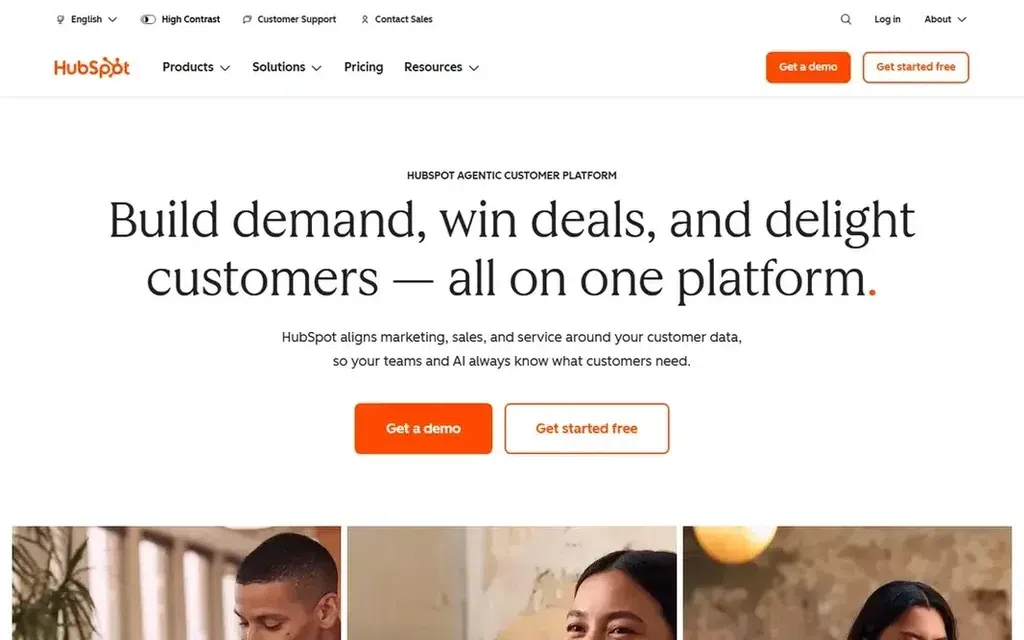
Where HubSpot CRM fits: small companies organizing contacts. It is a solid fit for small teams that want an accessible starting point for contact management and deal tracking without a credit card requirement.
Limits to weigh: Less suited to highly complicated sales processes.
More specifically, as your sales process grows more complicated, you may find that advanced automation and customization need moving to premium levels or complementary tools. No starting price is listed for HubSpot CRM here; confirm pricing on the vendor site. As for free access: Not stated.
- Free CRM software for small companies
- Built-in AI for deal tracking
- Advanced features may need upgrades
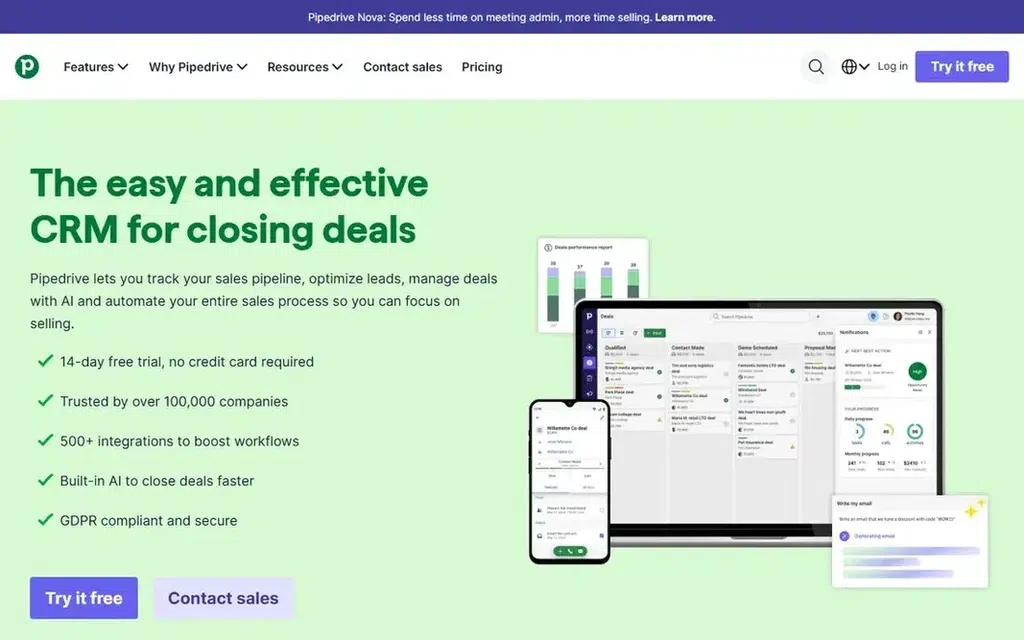
Pipedrive makes the most sense for pipeline-focused sales teams. Pipedrive's focus on pipeline management means it may not handle every broader CRM or marketing need out of the box.
The system is noted for its approachable approach to managing sales stages and activities. Pipedrive is a sales CRM and pipeline management tool built to help teams get more qualified leads and grow their business. Pipedrive does not show a starting price in this comparison, so check the vendor site for current pricing. Free access: Not stated.
Limits to weigh: Restricted broader CRM features.
- Focus on qualified leads
- Aimed at sales growth
- May need add-ons for advanced needs
Zoho CRM is a good fit for agentic sales operations management. Zoho CRM is an agentic CRM product that helps you handle sales operations and close more deals.
As for the details, the breadth of features can be overwhelming for new users, and customization may need technical assistance. No starting price is listed for Zoho CRM here; confirm pricing on the vendor site. Free access: Not stated.
Points against: Customization may need technical help.
- Manages sales operations
- Pitched at closing more deals
- Feature set can be overwhelming
Think of Microsoft Dynamics 365 Sales for insights-driven sales automation. It is suited for organizations already using Microsoft products or those needing a solid, insight-driven sales product.
Drawbacks to consider: May require Microsoft infrastructure.
If you need a more straightforward or more standalone CRM, HubSpot CRM or Pipedrive could be more appropriate. Microsoft Dynamics 365 Sales does not show a starting price in this comparison, so check the vendor site for current pricing. As for free access: Not stated.
- Integrated with Microsoft ecosystem
- Sales automation and collaboration
- Can be complicated to implement
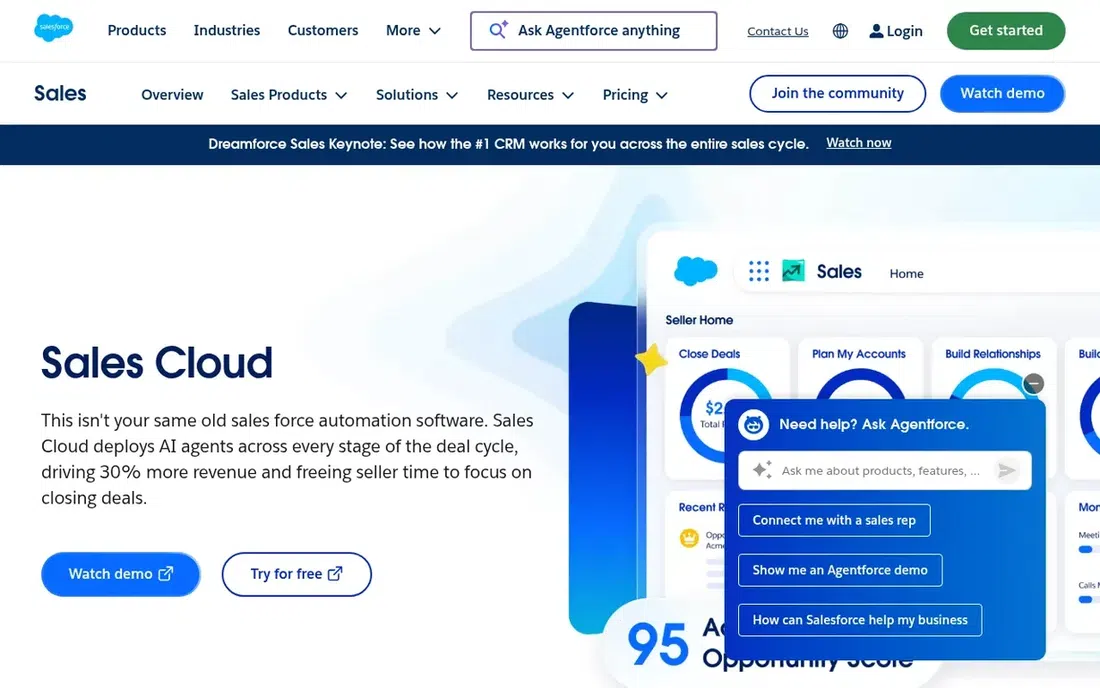
Pick Salesforce Sales Cloud if this describes you: thorough sales force automation. If you need a more straightforward, out-of-the-box CRM, consider a lighter alternative like HubSpot CRM or Pipedrive. In practice, Salesforce Sales Cloud is a sales force automation system built to help teams grow accounts, find new customers, and close deals quicker from anywhere.
Points against: Needs setup and configuration.
Its depth can translate into complexity, notably for small firms without dedicated administrators. Setup and continuing configuration may need planning. Pricing for Salesforce Sales Cloud is not stated here, so ask the vendor for current figures. Free options: Not stated.
- Accessible from anywhere
- Supports account growth and deal closing
- Can be complicated for small teams
How we compared the tools
LinkVetted looked at what each vendor publishes: pricing, plan limits, feature coverage for Slate CRM and stated drawbacks. No hands-on testing is claimed. Treat prices as a snapshot: vendors change plans often, so check the vendor site for the figure that applies today. The sequence is a judgement call: typical use case first, then pricing transparency, then free access. Use the profiles to check fit.
Things to verify first
- Request quotes from HubSpot CRM, Salesforce Sales Cloud and the others; the list shows no fixed prices.
- Read the limits listed for HubSpot CRM first: advanced features may need upgrades.
- Read the plan comparison for HubSpot CRM carefully; key features often start on a higher tier.
- Look at the help docs and support options for Zoho CRM before you commit.
- Before rolling out Microsoft Dynamics 365 Sales, verify the integrations your workflow depends on.
FAQ
Does any tool for Slate CRM here have a free plan?
A permanent free plan is not offered by HubSpot CRM, Salesforce Sales Cloud or the other tools here. Plan a short evaluation period instead.
What should I look for in a Slate CRM alternative?
Focus on your team's size, sales process complexity, and need for automation or AI features. Consider integration with existing tools and the level of support offered.
How are the tools for Slate CRM ordered?
The order follows typical fit for Slate CRM, with HubSpot CRM first and Salesforce Sales Cloud last, then price clarity and free access. It is editorial judgement, not a score, so another team could rank the tools differently.
Can I try these tools before paying?
Not by default. None of the tools, from HubSpot CRM to Salesforce Sales Cloud, lists a free plan or a free trial here, so ask each vendor for a demo before committing.
Is HubSpot CRM the right pick for everyone comparing Slate CRM?
No single tool suits every team. HubSpot CRM comes first because it fits small businesses organizing contacts, while Pipedrive suits pipeline-focused sales teams and Zoho CRM suits agentic sales operations management. Match the tool to your own size, budget and workflow before deciding.
Sources
- https://www.hubspot.com/products/crm
- https://www.pipedrive.com
- https://www.zoho.com/crm
- https://www.microsoft.com/en-us/dynamics-365/products/sales
- https://www.salesforce.com/sales/cloud