Best Revenue Management Software for Remote Teams (2026): 5 Picks Checked on Vendor Pages
Best revenue management software for remote teams: 5 contenders ranked by fit, with entry costs and free tiers. Pros and cons for every tool. No filler.
- Editor's choice
 HubSpot Sales Hub
AI-powered sales and pipeline management
Starts atPricing on requestVisit hubspot.comFull review - Great alternative
 Zoho CRM
Agentic CRM for sales operations
Starts atPricing on requestVisit zoho.comFull review - Also consider
 Salesforce Revenue Cloud
End-to-end revenue lifecycle management
Starts atPricing on requestVisit salesforce.comFull review
Direct answer
If you need AI-powered sales and pipeline management, HubSpot Sales Hub is the first tool to look at here. Zoho CRM is the stronger choice for agentic CRM for sales operations, while Salesforce Revenue Cloud suits end-to-end revenue lifecycle management. Details, prices and limits for the rest of the 5 tools are below. None of these vendors publish plan prices, so pricing is on request for every option.
TL;DR:
- Number one here is HubSpot Sales Hub, a fit for AI-powered sales and pipeline management.
- Before buying HubSpot Sales Hub, weigh this: advanced features may need higher-tier plans.
- A permanent free plan is missing from all 5 tools, HubSpot Sales Hub and SAP Sales Cloud included; plan for a trial or a premium start.
- HubSpot Sales Hub, SAP Sales Cloud and the 3 others all sell by quote; expect sales conversations before you see a price.
- SAP Sales Cloud fits enterprise sales and revenue growth.
Last checked November 2026. Pricing on request: vendors did not publish plan prices when this guide was last checked (November 2026), so ask each vendor for a written quote.
Quick comparison
| Tool | Best for | Starts at | Free plan? | |
|---|---|---|---|---|
| HubSpot Sales Hub | AI-powered sales and pipeline management | Pricing on request | Not stated | Visit |
| Zoho CRM | Agentic CRM for sales operations | Pricing on request | Not stated | Visit |
| Salesforce Revenue Cloud | End-to-end revenue lifecycle management | Pricing on request | Not stated | Visit |
 Microsoft Dynamics 365 Sales | AI-driven sales automation | Pricing on request | Not stated | Visit |
 SAP Sales Cloud | Enterprise sales and revenue growth | Pricing on request | Not stated | Visit |
5 revenue management software for remote teams in detail
Choosing revenue management software for remote teams usually comes down to price, fit and limits. This LinkVetted guide sets 5 tools side by side on those three points, with the facts kept short and checkable.
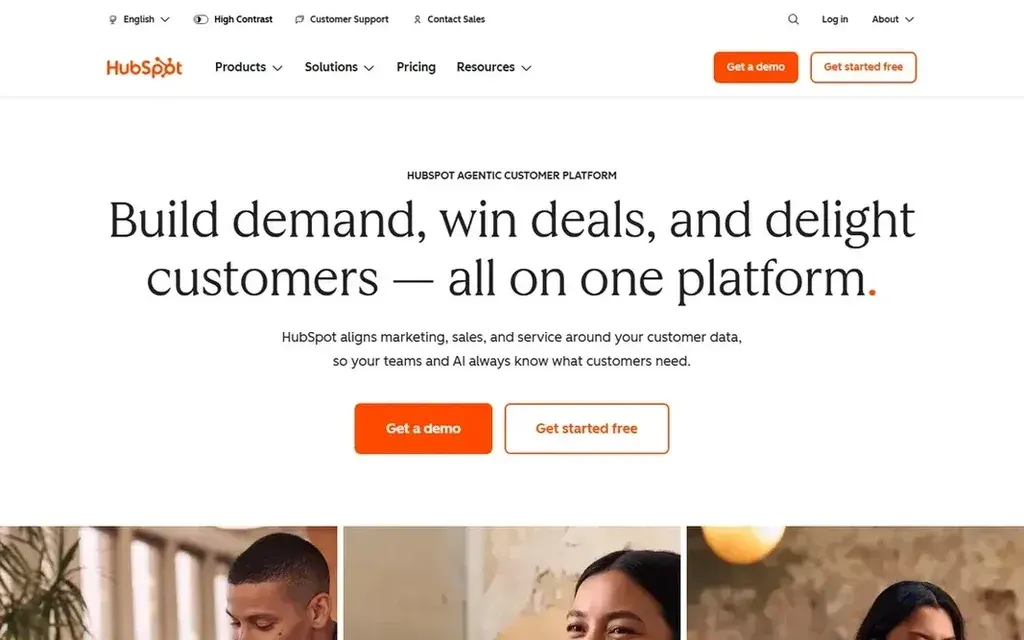
HubSpot Sales Hub was built for AI-powered sales and pipeline management. HubSpot Sales Hub is an AI sales software that helps turn prospects into pipeline and conversations into closed deals. It is built on your complete CRM data, offering a unified view for remote teams.
Pick something else if you need deep customization for revenue lifecycle management. In practice, Whereas HubSpot Sales Hub is capable, some advanced features may require higher-tier plans. It may not offer the same depth for complicated revenue recognition as specialized tools. Check the vendor site for HubSpot Sales Hub pricing; none is listed in this comparison. Free plan details: Not stated.
The main drawbacks: Advanced features may need higher-tier plans.
- Turns conversations into closed deals
- Built on complete CRM data
- Less suited for highly customized revenue processes
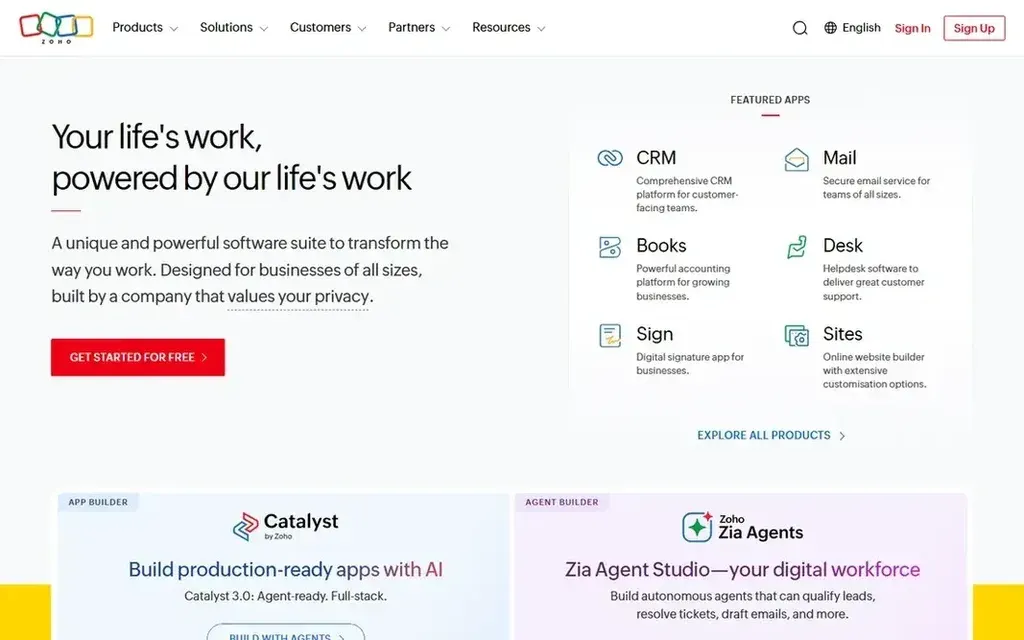
Zoho CRM makes the most sense for agentic CRM for sales operations. Zoho CRM is an agentic CRM product that helps you run sales operations and close more deals. It is built to support remote teams with tools for sales automation and pipeline management.
Zoho CRM may need customization to completely support revenue management needs. Also, consider other choices if you need a dedicated revenue management option with out-of-the-box revenue recognition features. This comparison lists no price for Zoho CRM; ask the vendor. As for free access: Not stated.
Limits to weigh: May need customization for revenue management.
- Aims to close more deals
- Helps manage sales operations
- User interface can be overwhelming for new users
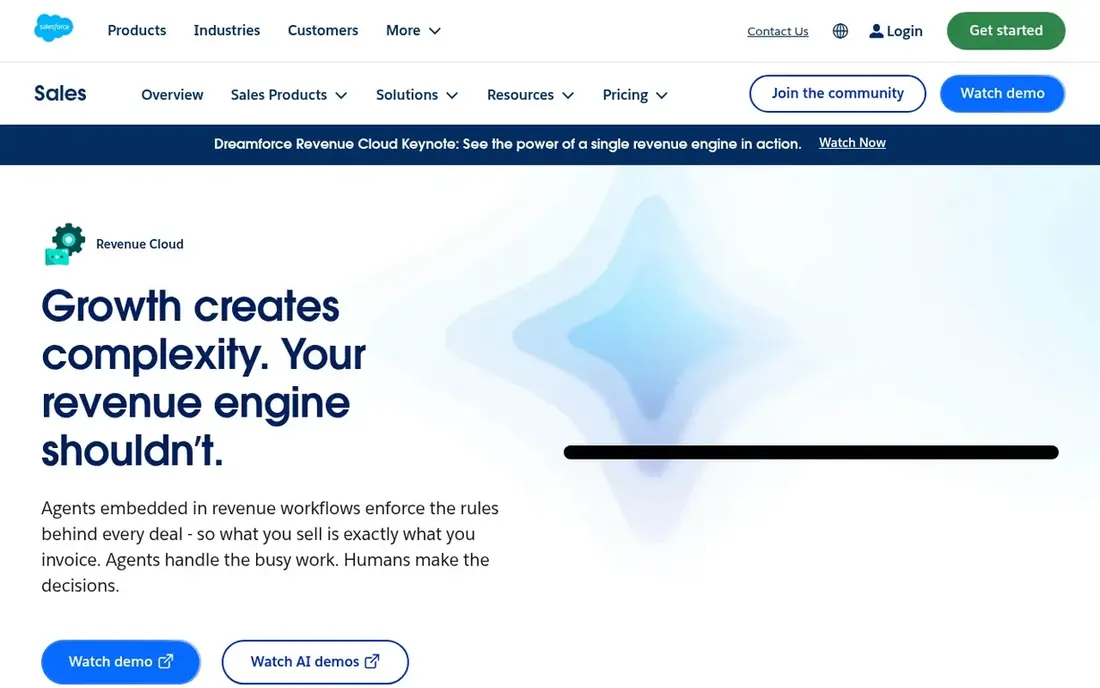
Salesforce Revenue Cloud targets end-to-end revenue lifecycle management. It supplies end-to-end revenue management software that links sales, finance, and operations.
Where it is weaker: May need significant setup and customization.
More specifically, for teams seeking a more straightforward, out-of-the-box option, other tools may be more suitable. Check the vendor site for Salesforce Revenue Cloud pricing; none is listed in this comparison. Free options: Not stated.
- Full revenue management features
- Simplifies revenue growth and optimization
- Can be complicated for small teams
In short, Microsoft Dynamics 365 Sales is for AI-driven sales automation. On top of that, consider other choices if you need a more straightforward, more focused revenue management tool.
The main drawbacks: Can be complicated to set up.
For everyday use, Dynamics 365 Sales can be complicated to set up and may need additional licensing for full functionality. It may be overkill for small teams. This comparison lists no price for Microsoft Dynamics 365 Sales; ask the vendor. On free options: Not stated.
- Uses insights and sales automation
- Integrates with Microsoft ecosystem
- May need extra licensing for full features
SAP Sales Cloud makes the most sense for enterprise sales and revenue growth. Consider other choices if you need a light, easy-to-deploy revenue management tool. In practice, SAP Sales Cloud is a customer relationship management option that aims to increase sales revenue and customer engagement with AI for sales.
Limits to weigh: Complicated implementation.
It is made for organizations looking to optimize their sales processes and drive revenue growth. It frequently needs significant implementation effort. Check the vendor site for SAP Sales Cloud pricing; none is listed in this comparison. Trial and free access: Not stated.
- Centres on increasing sales revenue
- Contains AI for sales
- May be expensive for small teams
How we built this list
LinkVetted used vendor pricing pages and product documentation as the base, then compared plans, free access and documented limits for 5 tools. Treat prices as a snapshot: vendors change plans often, so check the vendor site for the figure that applies today. Tools are placed by general fit for revenue management software for remote teams, with price clarity and free access as tie-breakers. A different team can reasonably rank them differently.
Questions to settle before buying
- Request quotes from HubSpot Sales Hub, SAP Sales Cloud and the others; the list shows no fixed prices.
- Read the limits listed for HubSpot Sales Hub first: advanced features may need higher-tier plans.
- Confirm minimum seats and billing terms with HubSpot Sales Hub before you commit to an annual plan.
- The entry price of Zoho CRM is only the starting point; model the full cost with seats and extras.
- List the apps you already depend on and check that Salesforce Revenue Cloud supports each one on the plan you would buy.
FAQ
How are the tools for revenue management software for remote teams ordered?
HubSpot Sales Hub sits first and SAP Sales Cloud last because the order follows typical fit for revenue management software for remote teams, then price clarity and free access. It is a judgement call, so read each profile for fit and limits.
Do these tools publish their prices?
No. None of the tools, from HubSpot Sales Hub to SAP Sales Cloud, shows a fixed starting price here, so budget time for quotes.
Does any tool for revenue management software for remote teams here have a free plan?
No tool in this list, HubSpot Sales Hub and SAP Sales Cloud included, has a permanent free plan. Trials and quotes are the usual route, so plan a short evaluation period.
Is HubSpot Sales Hub the right pick for everyone comparing revenue management software for remote teams?
No single tool suits every team. HubSpot Sales Hub comes first because it fits AI-powered sales and pipeline management, while Zoho CRM suits agentic CRM for sales operations and Salesforce Revenue Cloud suits end-to-end revenue lifecycle management. Match the tool to your own size, budget and workflow before deciding.
How does Salesforce Revenue Cloud compare to HubSpot Sales Hub for remote teams?
HubSpot Sales Hub is more approachable and AI-driven, built on CRM data. The choice relies on whether you need deep customization or simplicity.
Sources
- https://www.hubspot.com/products/sales
- https://www.zoho.com/crm
- https://www.salesforce.com/products/revenue-cloud
- https://www.microsoft.com/en-us/dynamics-365/products/sales
- https://www.sap.com/products/crm/sales-cloud.html