Best Patient Identity Resolution Software in 2026: 6 Tools Compared
Best patient identity resolution software, compared. 6 tools with published prices, free plans and limits. Concise write-ups of every option. Details below.
- Editor's choice
 Oracle Health
Health systems already in the Oracle ecosystem
Starts atPricing on requestVisit oracle.comFull review - Great alternative
 LexisNexis Risk Solutions
Data linking and risk decisioning across records
Starts atPricing on requestVisit risk.lexisnexis.comFull review - Also considerRhapsody
Interoperability-led identity and data exchange
Starts atPricing on requestVisit rhapsody.healthFull review
Direct answer
This list puts Oracle Health first for Health systems already in the Oracle ecosystem. LexisNexis Risk Solutions fits data linking and risk decisioning across records; Rhapsody fits Interoperability-led identity and data exchange. Details and limits for the rest of the 6 tools are below. None of these vendors publish plan prices, so pricing is on request for every option.
TL;DR:
- The list opens with Oracle Health, aimed at Health systems already in the Oracle ecosystem.
- One limit worth knowing about Rhapsody: identity resolution is part of a wider integration story.
- Every tool from Oracle Health to InterSystems HealthShare works by quote, with no list price shown.
- Oracle Health, InterSystems HealthShare and the 4 others all need a premium plan or a trial, since no free plan is listed.
Last checked November 2026. Pricing on request: vendors did not publish plan prices when this guide was last checked (November 2026), so ask each vendor for a written quote.
Quick comparison
| Tool | Best for | Starts at | Free plan? | |
|---|---|---|---|---|
| Oracle Health | Health systems already in the Oracle ecosystem | Pricing on request | Not stated | Visit |
| LexisNexis Risk Solutions | Data linking and risk decisioning across records | Pricing on request | Not stated | Visit |
| Rhapsody | Interoperability-led identity and data exchange | Pricing on request | Not stated | Visit |
| Verato | Dedicated identity resolution and master data management | Pricing on request | Not stated | Visit |
| 4medica | Clean clinical and social data for whole-person care | Pricing on request | Not stated | Visit |
| InterSystems HealthShare | Enterprise interoperability and shared health records | Pricing on request | Not stated | Visit |
Patient Identity Resolution Software compared in detail
Choosing patient identity resolution software usually comes down to price, fit and limits. This LinkVetted guide sets 6 tools side by side on those three points, with the facts kept short and checkable.
Oracle Health was built for Health systems already in the Oracle ecosystem. For identity resolution, it is most relevant to organizations already using Oracle health products and wanting matching and data consistency within that environment instead of as a separate purchase.
For everyday use, the homepage does not present identity resolution as a standalone product, so buyers should confirm the specific matching capabilities available to them. This comparison lists no price for Oracle Health; ask the vendor. As for free access: Not stated.
Points against: Identity resolution is not the headline capability.
- Wide healthcare portfolio
- Focus on insights and people-centric experiences
- Value relies on existing Oracle footprint
LexisNexis Risk Solutions
Best for: Data linking and risk decisioning across records
In short, LexisNexis Risk Solutions is for data linking and risk decisioning across records. It suits teams that value data linking as part of a wider risk and verification strategy.
Downsides: Healthcare identity is one use among plenty of.
Choose it when record linking and risk insight are the priority and you can confirm healthcare-specific requirements during evaluation. LexisNexis Risk Solutions does not show a starting price in this comparison, so check the vendor site for current pricing. Free access: Not stated.
- Targeted options for risk decisions
- Emphasis on security and efficiency
- General positioning instead of clinical matching detail
Rhapsody
Best for: Interoperability-led identity and data exchange
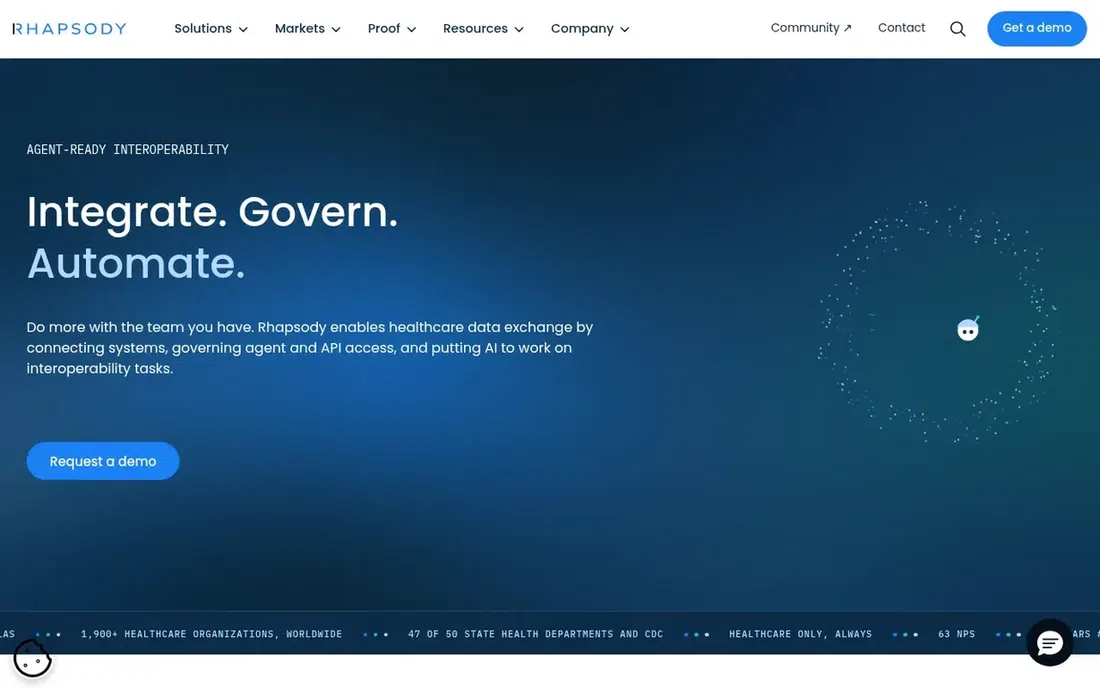
Rhapsody was built for Interoperability-led identity and data exchange. Rhapsody describes itself as healthcare interoperability for the agentic era, connecting healthcare systems across HL7, FHIR and APIs so teams, analytics and AI tools have the data they need.
Where it falls short: Needs integration expertise to configure.
For everyday use, the homepage emphasizes connectivity instead of a standalone matching product, so buyers wanting a purpose-built identity engine may have to combine it with a specialist tool. As for the details, pick Rhapsody when integration breadth and standard-based exchange are the priority and your team can support configuration work. This comparison lists no price for Rhapsody; ask the vendor. Free options: Not stated.
- Wide healthcare integration focus
- Supports analytics and AI data needs
- Identity resolution is part of a wider integration story
Verato
Best for: Dedicated identity resolution and master data management
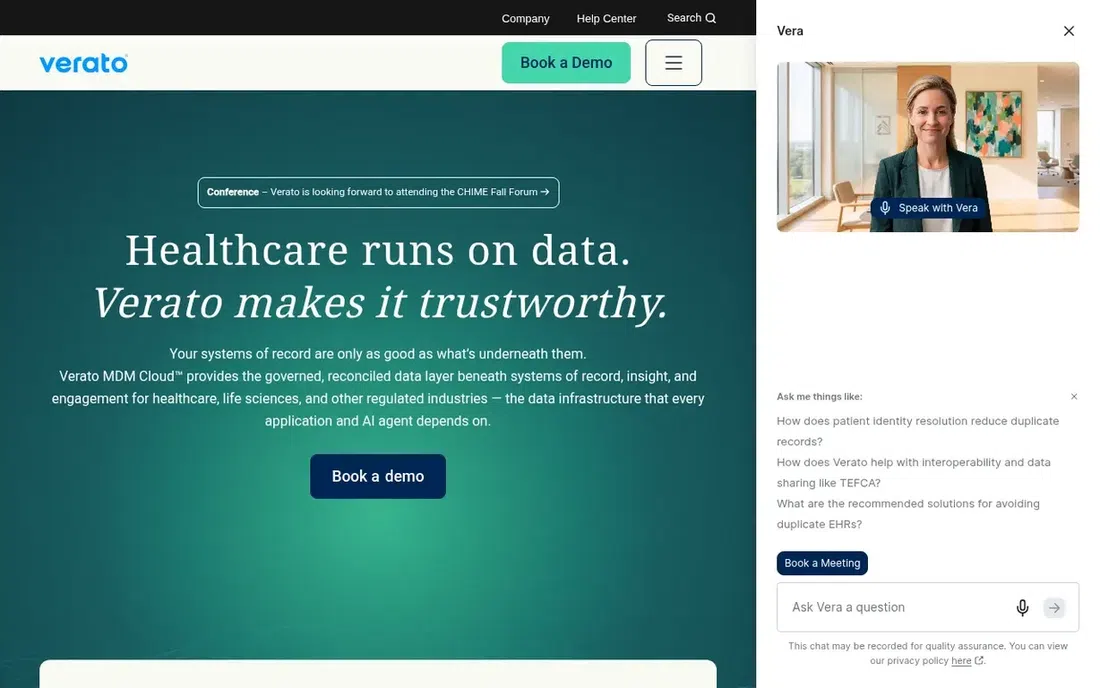
Verato is built with dedicated identity resolution and master data management in mind. Confirm how it would link to your specific EHR and analytics stack before committing, since integration scope shapes the effort required.
Pricing for Verato is not stated here, so ask the vendor for current figures. On free options: Not stated.
What to check first: Concentrated on identity, so interoperability may need other tools.
- System built around identity resolution
- Targets fragmented identity across systems
- Fit relies on existing data infrastructure
4medica
Best for: Clean clinical and social data for whole-person care
Where 4medica fits: clean clinical and social data for whole-person care. 4medica promotes dependable data, connected systems and whole-person care, offering clean and trusted clinical, behavioral and social determinants data with consent and quality support.
The homepage centers on data quality and consent instead of a standalone matching engine, so confirm depth of identity resolution for your record volumes. Beyond that, if you primarily need wide interface connectivity, an interoperability system may handle more ground. Check the vendor site for 4medica pricing; none is listed in this comparison. Free options: Not stated.
Downsides: Narrower interoperability story on the homepage.
- Supports consent and quality data needs
- Trusted clinical data
- Identity resolution is tied to data quality workflows
InterSystems HealthShare
Best for: Enterprise interoperability and shared health records
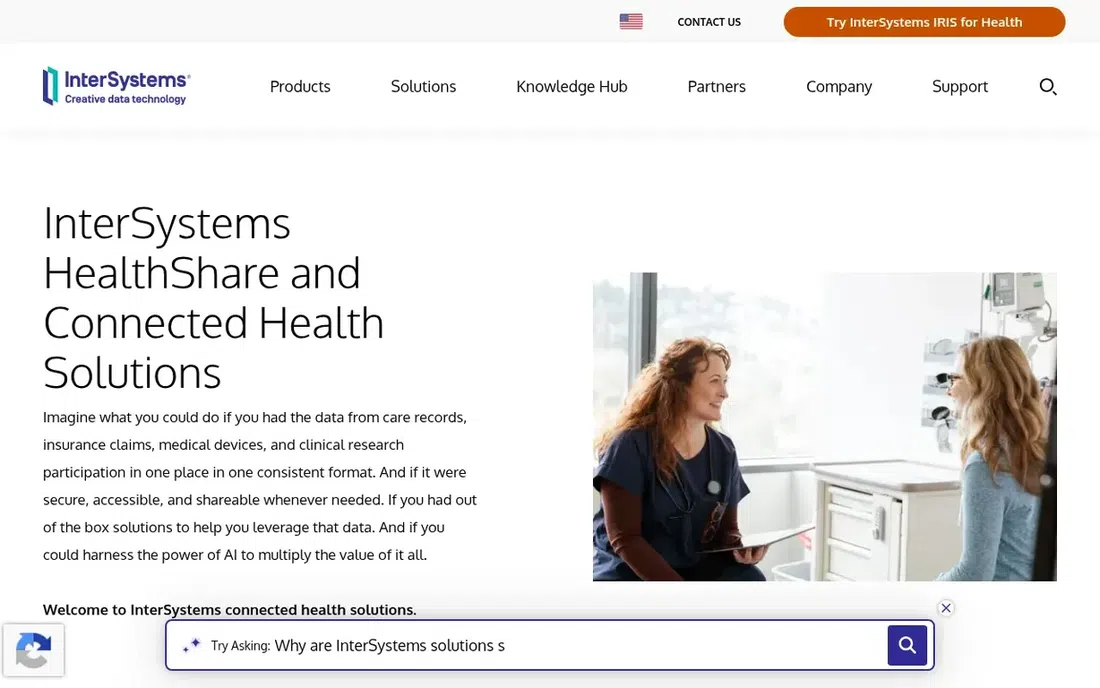
Choose InterSystems HealthShare for enterprise interoperability and shared health records. It fits bigger health systems and exchanges with complicated, multi-source data environments.
What users get: Emphasizes secure, accessible.
As a wide system, it may be more than a smaller practice needs for identity matching alone, and implementation generally involves significant planning. This comparison lists no price for InterSystems HealthShare; ask the vendor. Free plan details: Not stated.
Limits to weigh: Identity resolution sits within a bigger system.
- Shareable data
- Advanced interoperability system positioning
- Enterprise deployments demand planning resources
What went into this list
Pricing pages, product documentation and feature lists were the main sources, and every entry carries at least one honest drawback. Seat minimums, billing terms and add-ons can move the real cost, so the starting prices here are a guide and not a quote. The order reflects how well each tool fits the most common buying scenario for patient identity resolution software, then price clarity, then free plan access. It is a starting point, not a verdict.
What to check before you buy
- Confirm the entry price with every vendor: no tool from Oracle Health to InterSystems HealthShare shows a fixed starting price.
- Read the limits listed for Oracle Health first: identity resolution is not the headline capability.
- The entry price of 4medica is only the starting point; model the full cost with seats and extras.
- Test how quickly InterSystems HealthShare answers a pre-sales question; it hints at how support will feel later.
- Ask LexisNexis Risk Solutions whether prices are locked for the first term and what happens at renewal.
FAQ
Can I try these options before paying?
Not by default. None of the tools, from Oracle Health to InterSystems HealthShare, lists a free plan or a free trial here, so ask each vendor for a demo before committing.
What does patient identity resolution software do?
It links records that refer to the same person across different systems so clinicians and analysts see one consistent view. Matching generally depends on demographic and identifier data, and the results feed downstream analytics and care coordination.
Where does data quality fit in?
Clean source data boosts matching outcomes, which is why tools like 4medica emphasize trusted clinical and social data. Combining data quality work with identity resolution frequently cuts duplicate and mismatched records over time.
Do these tools publish their prices?
No. None of the tools, from Oracle Health to InterSystems HealthShare, shows a fixed starting price here, so budget time for quotes.
Is Oracle Health the right pick for everyone comparing patient identity resolution software?
No single tool suits every team. Oracle Health comes first because it fits Health systems already in the Oracle ecosystem, while LexisNexis Risk Solutions suits data linking and risk decisioning across records and Rhapsody suits Interoperability-led identity and data exchange. Match the tool to your own size, budget and workflow before deciding.
How are the tools for patient identity resolution software ordered?
Oracle Health sits first and InterSystems HealthShare last because the order follows typical fit for patient identity resolution software, then price clarity and free access. It is a judgement call, so read each profile for fit and limits.
Sources
- https://www.oracle.com/health
- https://risk.lexisnexis.com
- https://rhapsody.health
- https://verato.com
- https://www.4medica.com
- https://www.intersystems.com/products/healthshare