Best Elevator Company in 2026: 8 Companies Compared
best elevator company guide comparing 8 makers for commercial, residential and modernization work, with service, safety and pricing notes to check first.

- Editor's choice
 Otis
Large commercial and high rise
Starts atSee websiteVisit otis.comFull review - Great alternative
 Schindler
Mid to high rise commercial
Starts atSee websiteVisit schindler.comFull review - Also consider
 KONE
Energy efficient commercial
Starts atSee websiteVisit kone.comFull review
TL;DR:
- Otis, Schindler, KONE, TK Elevator and Mitsubishi Electric lead commercial work, while Stannah and Fujitec suit specific residential and mid rise needs.
- For most building owners, local service coverage and parts availability matter as much as the brand name on the cab.
- New installs, modernization and maintenance are different contracts, so compare them separately and check what is included.
- Elevator prices are quoted by project, since height, capacity, speed, finishes and code work change the cost sharply.
Quick comparison
| Tool | Best for | Starts at | Free plan? | |
|---|---|---|---|---|
| Otis | Large commercial and high rise | See website | No | Visit |
| Schindler | Mid to high rise commercial | See website | No | Visit |
| KONE | Energy efficient commercial | See website | No | Visit |
 TK Elevator | Large commercial and modernization | See website | No | Visit |
 Mitsubishi Electric | Premium high speed work | See website | No | Visit |
 Fujitec | Mid rise and commercial | See website | No | Visit |
 Hyundai Elevator | Value commercial projects | See website | No | Visit |
 Stannah | Residential and low rise | See website | No | Visit |
The best elevator company options
We compared global makers with US service coverage, plus a residential specialist. The right pick depends on building height, traffic, service needs and budget, not on brand fame alone.
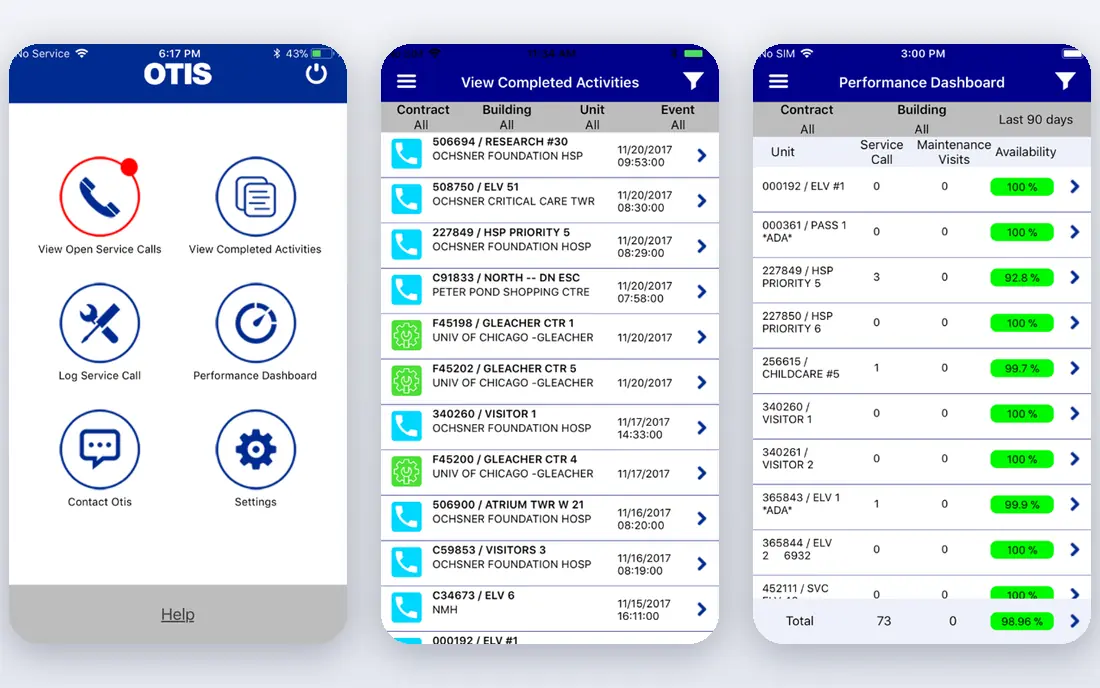
Otis, founded in 1853, is the largest elevator maker in the world and a safe first call for a large commercial or high rise project. Its range covers mid rise offices through some of the tallest buildings in the world, and its US service network is broad, which helps with parts and emergency response. Connected monitoring, including its Otis ONE platform on many models, can flag faults and reduce downtime, which matters in a busy office or hospital.
The main drawback is cost and process. Otis pricing often sits at the premium end, and a small building owner may get faster personal service from a regional dealer. Ask for a full project quote that separates equipment, installation, code inspections and maintenance, and confirm the service response time in writing. For a high rise, that scale is worth it, while a low rise owner should compare at least one smaller bid.
- Largest global maker with deep US service network
- Wide range from mid rise to supertall
- Connected monitoring tools
- Premium pricing on many projects
- Large company processes can feel slow for small owners
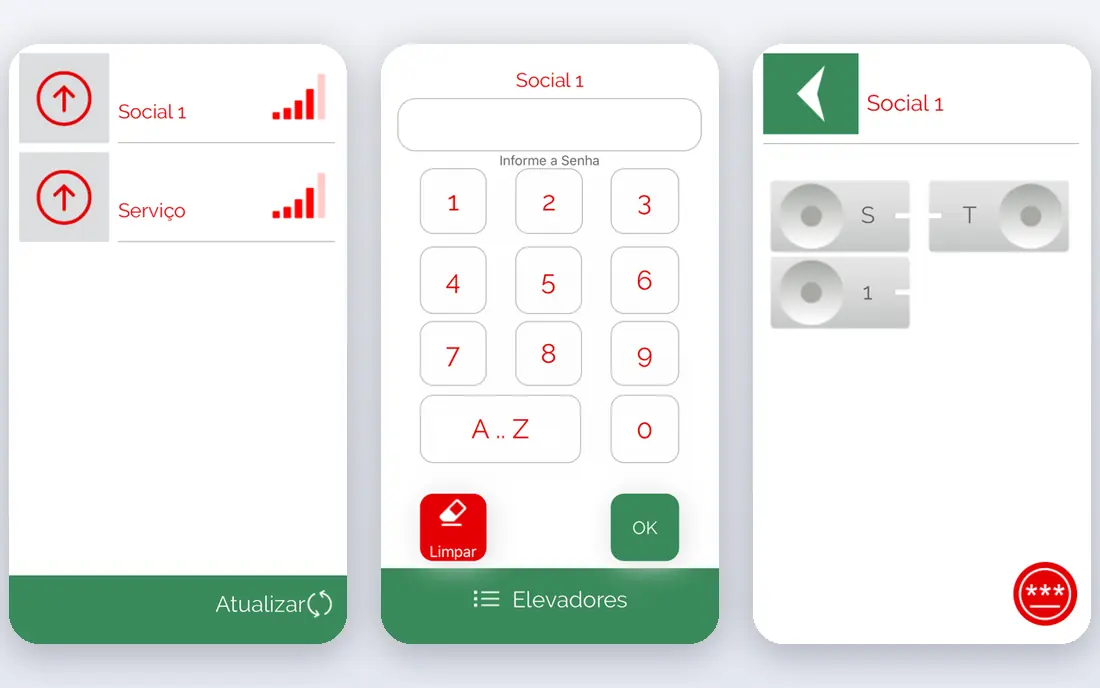
Schindler, founded in Switzerland in 1874, is a strong choice for offices, hotels, hospitals and residential towers in the mid to high rise range. Its Schindler 5000 machine room less model, launched in the US in 2025, suits low to mid rise offices, hotels, hospitals and apartments where a machine room is hard to fit. Destination control systems, sold under the PORT name, group passengers by floor to cut wait times in busy buildings.
That technology adds cost and needs careful planning for lobbies and traffic flow. For a small building with light traffic, a simpler control system may be better value. Ask Schindler for traffic analysis for your peak hours, and confirm maintenance terms, parts lead times and upgrade paths. A clear service contract matters as much as the cab finish.
- Strong mid to high rise range
- PORT destination control on many models
- Broad US service presence
- Quote based pricing with wide variation
- Destination control adds cost and planning work

KONE, based in Finland, is often the pick for owners who care about energy use and ride quality. Its regenerative drives can cut energy use compared with older systems, and its modern interfaces and destination systems suit offices and residential towers that want a clean, current feel. KONE also does a large amount of modernization work, which helps owners who want to upgrade an old system without a full replacement.
Service coverage is broad but not uniform, so check the local KONE branch or dealer response time for your city before you sign. Ask for energy estimates based on your traffic, not only a brochure figure, and confirm what modernization scope is included, from controls and doors to cab finishes. For a green building project, KONE is a strong shortlist choice.
- Energy saving drives and regenerative systems
- Smooth ride and modern interfaces
- Strong modernization work
- Premium pricing on some models
- Service coverage varies by region
TK Elevator, formerly part of ThyssenKrupp and based in Germany, offers a broad commercial range plus strong US service and modernization work. Its systems cover offices, airports, hospitals and residential towers, and its advanced work for tall buildings is well known. For an owner modernizing an older ThyssenKrupp or TK system, staying with TK can simplify parts and controls compatibility.
The branding change still causes confusion, so confirm that a quote comes from TK Elevator and that parts and service terms are clear. Large project experience is a strength, but a small low rise owner should still compare a regional bid. Ask for a modernization plan that phases work to keep at least one car running where possible, since downtime is the biggest cost for tenants.
- Broad commercial range
- Modernization and service strength in the US
- Advanced systems for tall buildings
- Former ThyssenKrupp branding can confuse buyers
- Large project focus
Mitsubishi Electric is known for smooth operation, quiet ride quality and high speed systems for premium offices and tall buildings. Its engineering suits projects where ride comfort, reliability and speed matter most, such as luxury residential towers and headquarters offices. Durability is a recurring theme in owner feedback, which helps when a building plans to keep a system for decades.
In the United States, Mitsubishi Electric is less central to small low rise work than Otis or Schindler, so service and parts detail needs checking for your market. Ask for local service coverage, response times and a clear maintenance scope. For a premium high rise, the ride quality may justify the price, while a simple low rise project may not need that level of engineering.
- Smooth, quiet ride quality
- High speed and high rise expertise
- Durable engineering
- Premium pricing
- Less common for small low rise projects in the US
Fujitec, based in Japan, offers efficient systems for mid rise commercial and residential buildings, with a focus on reliable operation and sensible energy use. It is a useful alternative bid when Otis, Schindler and KONE quotes are close, since Fujitec can offer competitive pricing without cutting core safety or ride quality. Its range covers offices, hotels and residential buildings in the mid rise band where most projects sit.
The limit in the US is footprint. Fujitec service coverage is thinner in some regions, so a buyer should confirm the local dealer, parts stock and emergency response time before choosing it. If local support is strong, Fujitec can be excellent value. If support is distant, a more local brand may give better uptime over the life of the system.
- Efficient mid rise systems
- Good value in many projects
- Commercial and residential range
- Smaller US footprint than the top four
- Check local dealer support
Hyundai Elevator, based in South Korea, is a value focused choice for commercial projects where budget matters but safety and ride quality cannot be cut. Its modern designs and efficient systems suit offices, residential towers and retail buildings, and its global scale helps on equipment supply. For a developer or owner comparing bids, Hyundai Elevator often brings a lower equipment price into the mix.
US service coverage is the key check. Confirm the local installer and service partner, warranty length, parts availability and response times in the contract. A lower purchase price loses its value if service is slow. For a project with a strong local Hyundai partner, it can be a smart bid, while a remote project may suit a brand with a nearer branch.
- Competitive pricing on many commercial projects
- Modern designs
- Growing global presence
- US service network is smaller than the leaders
- Check parts and warranty terms closely
Stannah, based in the United Kingdom, is the residential pick on this list. It focuses on home lifts, stairlifts and low rise passenger lifts, with clear guidance for homeowners, accessibility needs and small buildings. That focus helps a homeowner who wants a through floor lift or a small residential elevator without dealing with a commercial maker sales process. Stannah products are designed around home use, space limits and ease of use.
Stannah is not the choice for a high rise office or a busy hospital. US coverage also varies by product and dealer, so confirm the local installer, maintenance terms and code compliance for your state before you order. For a home or a small low rise building, a Stannah dealer quote is worth comparing with a local residential lift specialist.
- Strong residential and accessibility focus
- Home lifts and low rise systems
- Clear product guidance for homes
- Not a high rise commercial maker
- US coverage varies by product and dealer
How we picked these
We compared makers on US availability, range by building height, service network, modernization offer and safety and code compliance. We used official maker pages and market reports that list the top vendors in the US and Europe. We did not ride or test systems hands on, and we did not rank on price alone, since elevator pricing is project specific.
How to buy an elevator without costly mistakes
Get at least three quotes for a new install or a major modernization, and make sure each quote covers the same scope: equipment, installation, shaft work, inspections, finishes and maintenance. Ask for traffic analysis for busy buildings, and confirm code, inspection and permit responsibility in writing. Check the maintenance contract separately, including response times, parts, exclusions and price rises after the first term.
Maintenance and safety checks
A maintenance contract should state visit frequency, emergency response time, parts cover and what counts as an extra charge. Ask how faults are reported and how downtime is tracked, and keep a log of breakdowns and repairs. Regular inspections are a legal duty in most states, so confirm who books them and who pays for any remedial work that follows.
FAQ
How much does a commercial elevator cost?
Costs vary widely by height, capacity, speed, finishes, shaft work and local code needs, so makers quote by project. A low rise commercial install can cost far less than a high rise system with destination control. Get itemized quotes and compare scope, not only the headline price.
How long does elevator installation take?
Installation time depends on height, shaft readiness, equipment lead time and inspections. A low rise install may take weeks once the shaft is ready, while a high rise project takes months. Ask your maker for a schedule that includes delivery, installation, testing and inspection stages.
Should I modernize or replace an old elevator?
Modernization suits systems where the shaft and structure are sound but controls, doors or drives are outdated. Full replacement suits systems with major structural or safety problems, or where capacity and speed no longer fit the building. A survey by the maker or an independent consultant should guide that choice.
What maintenance does an elevator need?
Most systems need regular planned visits, safety checks, lubrication, door and control checks, and prompt repair of faults. Frequency depends on use, age and local code. A written maintenance contract with clear response times is the safest way to manage this work.
Can a residential elevator fit in an existing home?
Many home lifts are designed for existing homes, but space, shaft, power and code needs vary by model and state. A site survey is needed before any price can be firm. Stannah and local residential specialists can advise on through floor lifts and shaft options for your home layout.
Who is responsible for elevator safety inspections?
Responsibility varies by state and contract, but owners usually must ensure inspections happen on schedule. Your maintenance provider often books inspections, while the owner pays for remedial work unless the contract states otherwise. Check your state rules and your contract before work starts.