5 Drug Discovery Software Worth Shortlisting in 2026
Best drug discovery software in 2026: 5 tools with starting prices, free plans and limits. Plain-spoken summaries throughout. Current for November 2026.
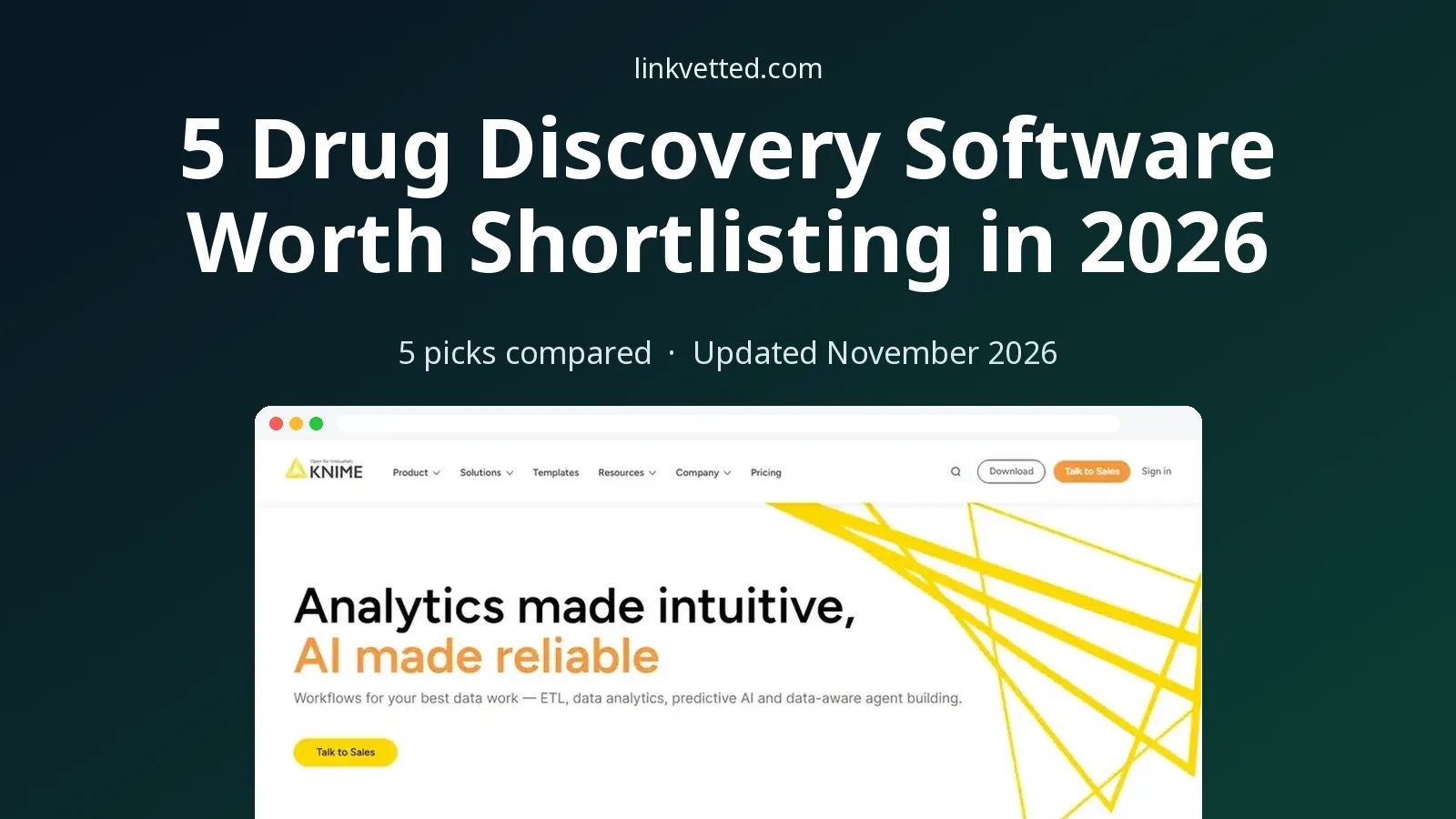
- Editor's choice
 KNIME
Visual, open workflow building for data analysis
Starts atPricing on requestVisit knime.comFull review - Great alternative
 CDD Vault
Organizing and sharing discovery data
Starts atPricing on requestVisit collaborativedrug.comFull review - Also considerBIOVIA Discovery Studio
Thorough modeling and simulation in life sciences
Starts atPricing on requestVisit 3ds.comFull review
Direct answer
KNIME is the first pick on this list for visual, open workflow building for data analysis. For a different need, CDD Vault covers organizing and sharing discovery data and BIOVIA Discovery Studio covers thorough modeling and simulation in life sciences. The full list of 5 tools follows, with prices and free plan facts. None of these vendors publish plan prices, so pricing is on request for every option.
TL;DR:
- KNIME is the opening pick, best for visual, open workflow building for data analysis.
- KNIME, Schrödinger and the 3 others all sell by quote; expect sales conversations before you see a price.
- A fair warning about BIOVIA Discovery Studio: ramp-up time for new users.
- KNIME, Schrödinger and the 3 others all need a premium plan or a trial, since no free plan is listed.
- Schrödinger fits Physics-based molecular modeling and simulation.
Last checked November 2026. Pricing on request: vendors did not publish plan prices when this guide was last checked (November 2026), so ask each vendor for a written quote.
Quick comparison
| Tool | Best for | Starts at | Free plan? | |
|---|---|---|---|---|
| KNIME | Visual, open workflow building for data analysis | Pricing on request | Not stated | Visit |
| CDD Vault | Organizing and sharing discovery data | Pricing on request | Free trial | Visit |
| BIOVIA Discovery Studio | Thorough modeling and simulation in life sciences | Pricing on request | Not stated | Visit |
| Dotmatics | Unifying R&D data and applications | Pricing on request | Not stated | Visit |
| Schrödinger | Physics-based molecular modeling and simulation | Pricing on request | Not stated | Visit |
Our 5 picks for drug discovery software
LinkVetted put together this guide to drug discovery software for readers who want a clear shortlist without reading every vendor page. It compares 5 tools on starting price, free plans, who each one suits and where each one falls short.
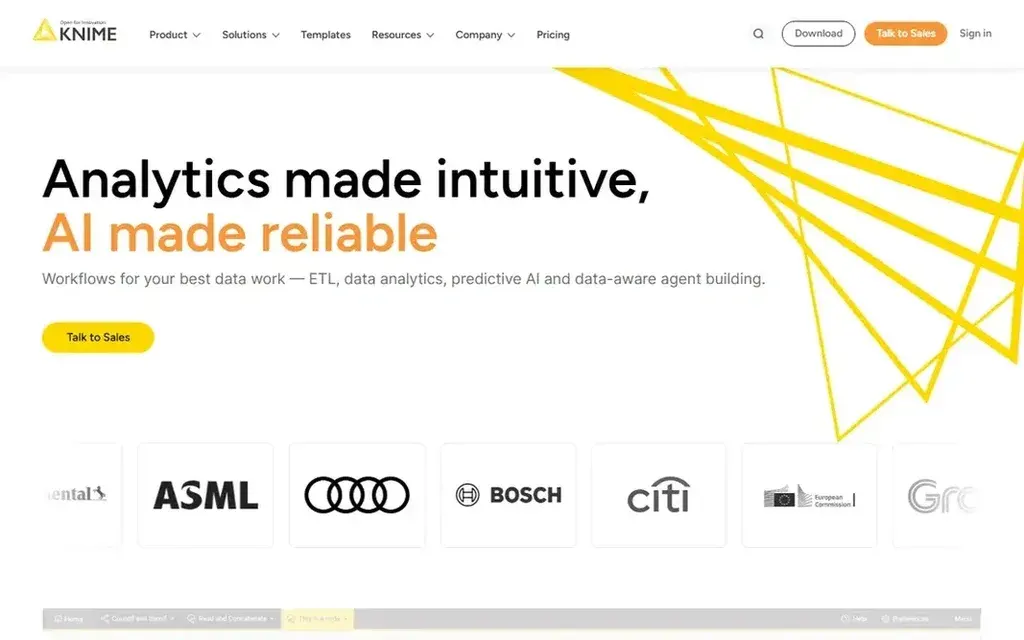
KNIME is built with visual, open workflow building for data analysis in mind. KNIME presents an open data science environment with a visual workflow builder, positioned around creating analysis options and putting them into production in the enterprise.
Downsides: Not a dedicated molecular modeling suite.
In daily use, teams expecting ready-made scientific modules for every assay or molecule task should confirm coverage before standardizing on it. Also, KNIME is a general data science product instead of a chemistry-specific modeling suite, so specialized simulation or structure work needs other tools alongside it. Check the vendor site for KNIME pricing; none is listed in this comparison. On free options: Not stated.
- Moves workflows into production
- Visual workflow builder
- Needs workflow design effort
CDD Vault works best for organizing and sharing discovery data. CDD Vault concentrates on data management instead of simulation, so modeling-heavy programs will still need dedicated computational tools.
What to check first: Demo needed to judge fit.
Worth adding: teams should use a personalized demo to check whether its data model matches their assay and compound workflows. Pricing for CDD Vault is not stated here, so ask the vendor for current figures. Trial and free access: Free trial.
- Made for collaboration
- Electronic lab notebook capability
- Narrower modeling scope
BIOVIA Discovery Studio
Best for: Thorough modeling and simulation in life sciences
Pick BIOVIA Discovery Studio if this describes you: thorough modeling and simulation in life sciences. It fits structure-based and computational teams that require a wide modeling environment including molecular analysis and simulation tasks, especially where projects move between different modeling methods and need a single supported platform.
More specifically, groups whose priority is data capture, electronic lab records or light collaboration should look at a data-centric product instead. No starting price is listed for BIOVIA Discovery Studio here; confirm pricing on the vendor site. On free options: Not stated.
Watch-outs: Modeling depth may exceed straightforward needs.
- Made for life sciences research
- Backed by Dassault Systèmes
- Ramp-up time for new users
Dotmatics
Best for: Unifying R&D data and applications
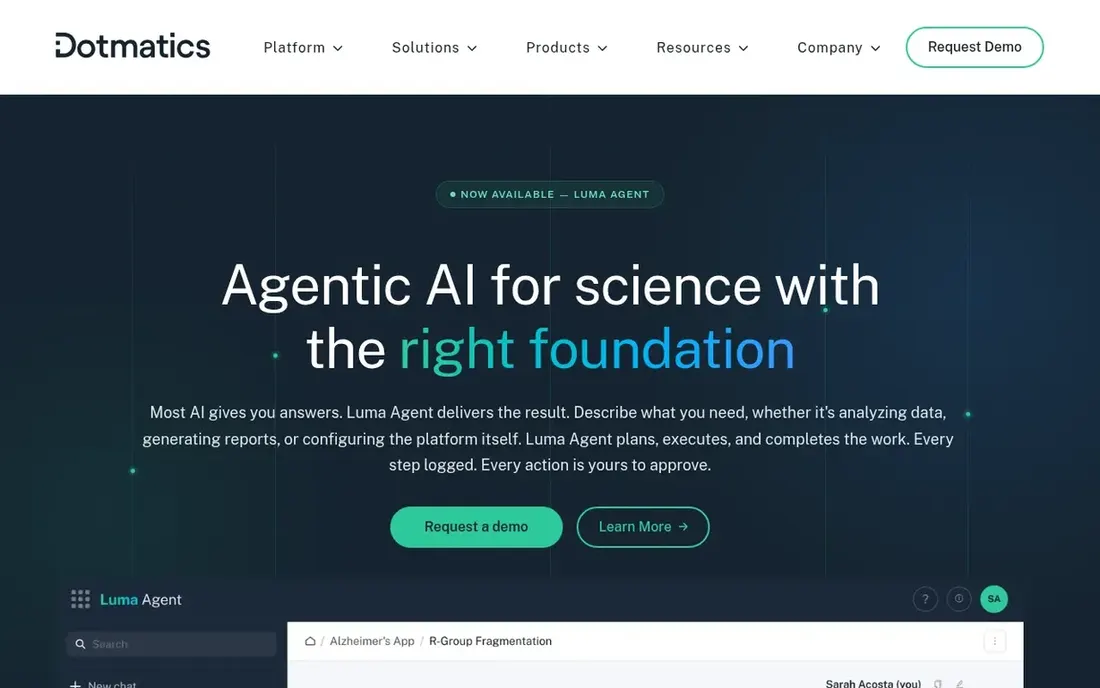
Where Dotmatics fits: unifying R&D data and applications. Smaller teams with narrow needs may prefer a focused system they can run with less setup and administration.
Where it falls short: Integration effort across applications.
Dotmatics shows no starting price here, so confirm the cost on the vendor site. On free options: Not stated.
- Best-of-breed application approach
- Focus on digital transformation
- Wide scope needs clear ownership
Schrödinger
Best for: Physics-based molecular modeling and simulation
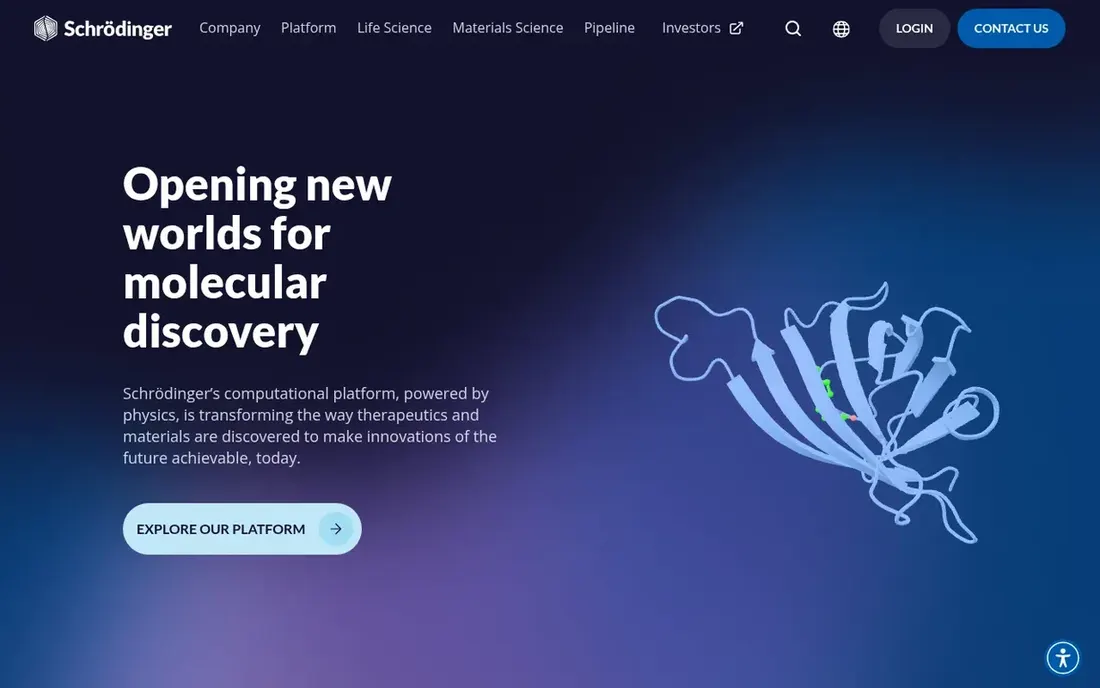
Schrödinger is aimed squarely at Physics-based molecular modeling and simulation. It suits computational chemistry and modeling groups that require simulation-driven insight during lead discovery and design.
It fits best where a dedicated modeling team can interpret and act on simulation output. This comparison lists no price for Schrödinger; ask the vendor. Free options: Not stated.
Points against: Specialist skill needed to use completely.
- Geared toward pharmaceutical and biotech research
- Wide simulation and design system
- Deep modeling focus may overwhelm non-modelers
What went into this list
Selection started from tools commonly considered for drug discovery software, then narrowed to 5 that have clear pricing information or a clear quote process. Figures are shown as the vendors publish them. Billing terms, seat minimums and add-ons can change the real cost. The sequence is a judgement call: typical use case first, then pricing transparency, then free access. Use the profiles to check fit.
What to confirm before you sign up
- Request quotes from KNIME, Schrödinger and the others; the list shows no fixed prices.
- Use real work to test the free trial from CDD Vault, rather than a demo project.
- Before choosing KNIME, weigh its main limit: needs workflow design effort.
- A short pilot of BIOVIA Discovery Studio with your real workflow tells you more than a feature table.
- Check whether CDD Vault bills monthly or annually, and what cancelling early costs.
FAQ
Do these tools publish their prices?
No. None of the tools, from KNIME to Schrödinger, shows a fixed starting price here, so budget time for quotes.
How are the tools for drug discovery software ordered?
KNIME sits first and Schrödinger last because the order follows typical fit for drug discovery software, then price clarity and free access. It is a judgement call, so read each profile for fit and limits.
Does any tool for drug discovery software here have a free plan?
No tool in this list, KNIME and Schrödinger included, has a permanent free plan. CDD Vault offer a trial. Trials and quotes are the usual route, so plan a short evaluation period.
Can a general data science system support drug discovery analysis?
Yes. KNIME supplies a visual workflow builder that teams can use to prepare, integrate and analyze research data, then move workflows into production.
Can I try these options before paying?
Often, yes. CDD Vault offers a free trial. Use your own data and a real task during the test, and check what the free tier or trial limits before you rely on it. All 5 picks in this Drug discovery software comparison list a starting price, free plan details and the main limits on their cards above.
How should a small research team choose among these tools?
Start with the single biggest gap, for example missing modeling capability or scattered experiment records, and shortlist tools aimed at that role. Then check integration with existing systems and the training burden before running a demonstration with your own data.
Sources
- https://www.knime.com
- https://www.collaborativedrug.com
- https://www.3ds.com/products/biovia/discovery-studio
- https://www.dotmatics.com
- https://www.schrodinger.com