Best Driver App to Make Money in 2026: 8 Apps Compared
Compare the best driver apps to make money in 2026, from rideshare and food delivery to grocery, packages, and moving gigs for drivers today. and key picks
- Editor's choice
 Uber
Rideshare in busy cities
Starts atFreeVisit uber.comFull review - Great alternative
 Lyft
Rideshare with a simpler app feel
Starts atFreeVisit lyft.comFull review - Also consider
 DoorDash
High-volume food delivery
Starts atFreeVisit doordash.comFull review
TL;DR:
- Uber is our pick for rideshare drivers in busy cities because demand and surge opportunities are broad.
- Amazon Flex suits drivers who prefer scheduled blocks with set pay over waiting for orders.
- DoorDash and Uber Eats offer high order volume for food delivery, especially at dinner.
- Instacart and Shipt suit drivers who like grocery shopping and larger tips on big orders.
- Gig earnings vary and are not guaranteed income, so track pay after fuel, wear, and taxes before judging an app.
Quick comparison
| Tool | Best for | Starts at | Free plan? | |
|---|---|---|---|---|
| Uber | Rideshare in busy cities | Free | Yes | Visit |
| Lyft | Rideshare with a simpler app feel | Free | Yes | Visit |
| DoorDash | High-volume food delivery | Free | Yes | Visit |
 Uber Eats | Food delivery alongside rideshare | Free | Yes | Visit |
 Instacart | Grocery shopping and delivery | Free | Yes | Visit |
 Amazon Flex | Scheduled package delivery blocks | Free | Yes | Visit |
 Spark Driver | Walmart grocery and retail delivery | Free | Yes | Visit |
 Grubhub | Food delivery in established markets | Free | Yes | Visit |
The best driver apps to make money
Driver apps are free to join, but they are not free to run. Fuel, insurance, maintenance, and taxes all reduce take-home pay. The best app for you depends on your car, your city, and the hours you can work. Most experienced drivers run more than one app and switch based on demand.
Uber is the largest rideshare platform in the US, which means more trip requests in busy areas, airports, and event zones. Drivers can earn from fares, tips, surge pricing, and quests, which are bonuses for completing a set number of trips. The app also lets many drivers switch to food delivery without a second signup.
The downside is variability. A busy Saturday night and a quiet Tuesday morning can feel like different jobs. Uber also requires a qualifying vehicle, insurance, and a background check. Track your pay per hour online, not just per trip, to see if your market and hours work.
- Large rider demand in many cities
- Surge and quest bonuses
- Option to switch to Uber Eats in the same app
- Pay varies by city, time, and demand
- Vehicle and background requirements apply
- Waiting time is unpaid
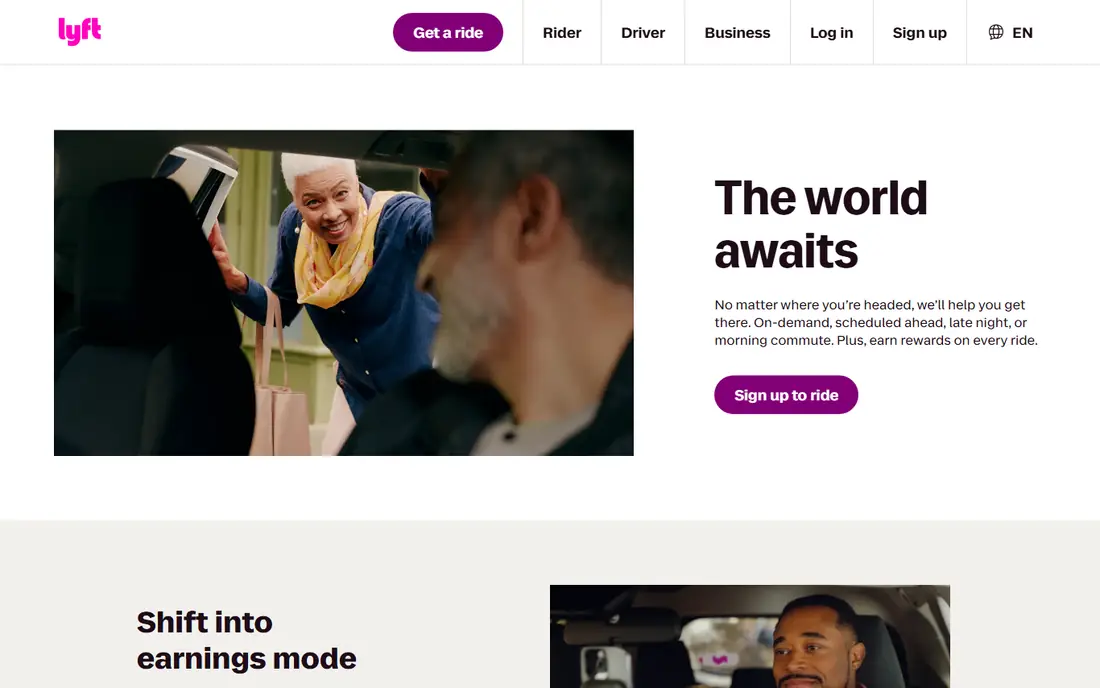
Lyft is the main alternative to Uber for passenger rides. Many drivers run both apps and accept the best trip on offer. Lyft offers scheduled rides, bonuses, and in-app tips, and some drivers prefer its interface and support experience.
In smaller markets, Lyft may have fewer requests than Uber, which means more waiting. The fix is multi-apping: run Lyft alongside Uber or a delivery app, and pause one when the other is busy. Never accept two trips at once, and follow each platform's rules on simultaneous work.
- Clean driver app
- Scheduled rides and bonuses
- Tips in the app
- Smaller demand than Uber in some cities
- Pay still varies by market and hour
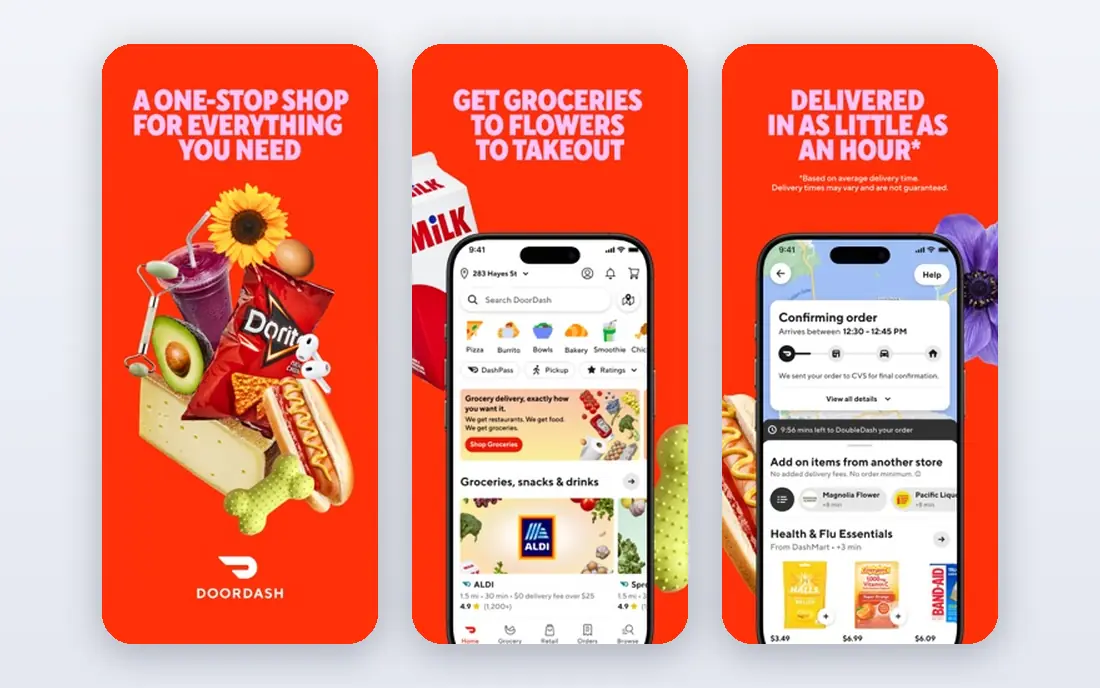
DoorDash is the largest food delivery app in the US by order volume in many areas, which means steadier work during lunch and dinner. Drivers, called Dashers, can schedule dashes or dash now when demand is high. Peak pay bonuses add extra money during busy periods.
The work is fast but fragmented. Many short trips, restaurant waits, and apartment drop-offs can eat into hourly pay if you do not plan routes. Focus on busy zones, learn which restaurants are slow, and decline low-paying orders that do not cover your costs.
- Very high order volume in many suburbs and cities
- Dash scheduling and peak pay
- Tips shown before some deliveries
- Short trips and waiting at restaurants can lower hourly pay
- Pay varies by market and tip levels
Uber Eats suits drivers who already use Uber for rides. You can deliver food when passenger demand is low, and switch back when surge returns. In dense cities, short delivery trips can add up, and quests reward completing a set number of deliveries.
In spread-out suburbs, delivery distances and waiting time can hurt pay. Compare Uber Eats with DoorDash in your area, since the stronger app varies by city. Keep both active if your market allows it, and use the one with better orders at that hour.
- Easy switch from rideshare to delivery
- Dense urban order volume
- Boost zones and quests
- Delivery pay is often lower than rideshare per hour in some markets
- Bike and scooter options vary by city
Instacart shoppers pick grocery batches, shop the items, and deliver them. Full-service shoppers handle both shopping and delivery, while delivery-only roles exist in some markets. Large orders often carry larger tips, which is why experienced shoppers favor high-tip batches in higher-income areas.
The work is slower than food delivery. Finding substitutes, checking produce quality, and communicating with customers takes care. New shoppers should start with smaller batches, learn store layouts, and avoid batches with low pay per item or long distances.
- Larger orders can mean larger tips
- Shoppers choose batches
- Full-service shopping pays more than delivery only
- Shopping takes time and skill
- Batch quality varies
- Heavy or complex orders can slow you down
Amazon Flex drivers reserve delivery blocks, pick up packages from a station, and deliver them within the block window. Pay is set for the block, so you know the base amount before you start. That predictability appeals to drivers who dislike waiting for orders.
Blocks are competitive in many cities, and you may need to check the app often. There are no customer tips to boost pay, and larger vehicles are needed for larger routes. If you value a set schedule over flexible orders, Flex is worth trying alongside a food app.
- Set pay for a scheduled block
- Fewer customer interactions than food delivery
- Predictable routes from a station
- Blocks can be hard to get in busy markets
- No tips
- Vehicle size limits package types
Spark Driver, the Walmart delivery platform, lets drivers deliver groceries and retail orders from Walmart and Sam's Club stores. Orders often include larger baskets than restaurant food, which can mean better tips and fewer stops per dollar earned in some markets.
Access varies by area, and some zones have waitlists. New drivers should learn the pickup process, check order details before accepting, and favor zones with steady store demand. As with other apps, track net pay after costs, not just gross order totals.
- Walmart and Sam's Club order volume
- Grocery and general retail deliveries
- Tips on many orders
- Waitlists in some areas
- Pay varies by zone and order size
- App learning curve for new drivers
Grubhub is a solid second delivery app in cities where it has a strong restaurant base. Drivers can schedule blocks, receive orders, and keep all tips. It works well as a backup app when DoorDash or Uber Eats is slow, since an extra order source can fill gaps.
Do not rely on Grubhub alone in a market where it is weak. Multi-apping is the practical approach: run Grubhub with another delivery app, accept the better order, and pause the other app while you deliver. Check your market's volume before making it your main app.
- Drivers keep 100 percent of tips in published terms
- Scheduled blocks in some markets
- Established restaurant base
- Order volume is lower than DoorDash in many cities
- Pay model varies by market
How we picked these
We compared official driver pages, signup requirements, and public earnings reports for apps that are active in the US in 2026. We favored apps with broad coverage, clear driver signup, and different work types: rideshare, food, grocery, packages, and retail. Earnings figures vary by market, so we focused on work type and demand rather than promising a single hourly rate.
How to judge pay honestly
Gross pay is not take-home pay. Fuel, tires, brakes, insurance, phone data, and depreciation all count. Set aside money for taxes too, since gig income is usually self-employment income. Many drivers use a mileage tracker and keep receipts for business costs.
Track net pay per hour online
Track two numbers: pay per hour online, and pay per hour on active trips. The gap between them shows waiting time. If an app pays well per trip but leaves you waiting for an hour, its real hourly rate is lower. Use that net figure to decide which apps deserve your prime hours.
Choose hours and zones, not just apps
Dinner rush, weekends, events, and bad weather often bring more orders and surge pay. Suburban dinner zones suit food delivery, while downtown and airport zones suit rideshare. Test two or three zones, keep notes, and return to the zones that pay best after costs.
FAQ
What is the best driver app to make money?
Uber is the best general rideshare pick, DoorDash leads for food delivery volume, and Amazon Flex suits scheduled package work. The best app in your city may differ, so test two apps for a few weeks and compare net pay after costs.
What is the best app to make money driving?
There is no single winner for every driver. Rideshare pays more per trip in busy cities, food delivery offers more orders, and grocery apps offer larger tips on big orders. Most high earners run more than one app and pick the best offer at each hour.
Do driver apps pay for gas?
No, not directly. Drivers pay for fuel and vehicle costs from their earnings. Some apps offer fuel rewards or bonuses, but those do not cover full costs. Track mileage and fuel spending to calculate your true hourly pay.
Can you make a living driving for gig apps?
Some drivers do, especially in busy markets with long hours, but gig earnings vary and are not guaranteed income. Costs, demand, and app pay rules change often. Treat gig driving as flexible income first, and build a budget that does not depend on surge or bonuses.
Do you need a special license to drive for Uber or Lyft?
You need a valid driver's license, a qualifying vehicle, insurance, and a background check. Requirements vary by city and state, and some airports or cities add local rules. Check the app's driver page for your city before you apply.