Best Demand Side Platforms for Small Businesses in 2026: 8 Platforms Compared
Looking for the best demand side platform for small businesses? We compare 8 self serve DSPs for display, video and CTV ads, with low minimums and fees.
- Editor's choice
 StackAdapt
Self serve multi channel buying
Starts atSee websiteVisit stackadapt.comFull review - Great alternative
 Choozle
Small agencies and low minimums
Starts at$99 per monthVisit choozle.comFull review - Also consider
 AdRoll
Retargeting for small stores
Starts atSee websiteVisit adroll.comFull review
TL;DR:
- A demand side platform buys display, video, audio and connected TV ads through real time auctions, so small teams can reach audiences beyond search and social.
- StackAdapt and Choozle are the most accessible self serve DSPs for small businesses, with lower minimums than enterprise platforms.
- Most DSP pricing is a share of media spend or a CPM based fee, not a flat monthly price, so ask for total fees before you launch.
- Start with one channel and a clear audience, such as local display or retargeting, before you add CTV and audio.
- Creative quality, frequency caps and brand safety settings matter as much as targeting, since poor ads waste even a good audience.
Quick comparison
| Tool | Best for | Starts at | Free plan? | |
|---|---|---|---|---|
| StackAdapt | Self serve multi channel buying | See website | No | Visit |
| Choozle | Small agencies and low minimums | $99 per month | No | Visit |
| AdRoll | Retargeting for small stores | See website | No | Visit |
 Basis | Agency automation | See website | No | Visit |
 Simpli.fi | Local and geo targeted ads | See website | No | Visit |
 The Trade Desk | Scale across channels | See website | No | Visit |
 Google Display and Video 360 | Google and YouTube inventory | See website | No | Visit |
 Criteo | Commerce and retargeting | See website | No | Visit |
The best demand side platforms for small businesses
Small businesses often start with search and social ads, then hit a ceiling. A DSP opens display, video and connected TV inventory across many publishers. These eight platforms range from self serve tools for small budgets to enterprise systems that small teams can use through an agency.
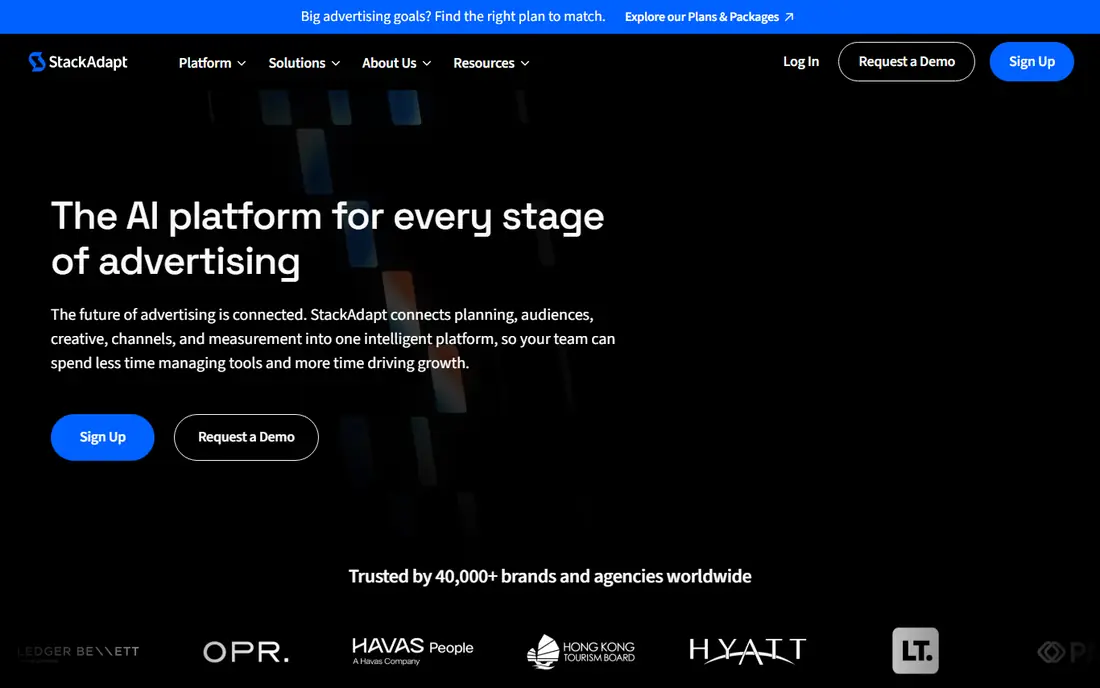
StackAdapt is our pick for small teams that want a real DSP without an enterprise contract. Campaigns can run across connected TV, video, display, native, audio and digital out of home from one dashboard. Its AI tools help with planning, forecasting and optimization, which helps a lean team manage many channels.
Pricing is not published, and reviewers note a per campaign minimum. Ask for a clear fee breakdown before you launch. For a small business ready to test programmatic beyond social, StackAdapt is accessible and broad.
- Self serve interface
- Channels include CTV, video, display, native and audio
- AI planning and optimization tools
- No public pricing
- Pay per campaign with minimum deposits
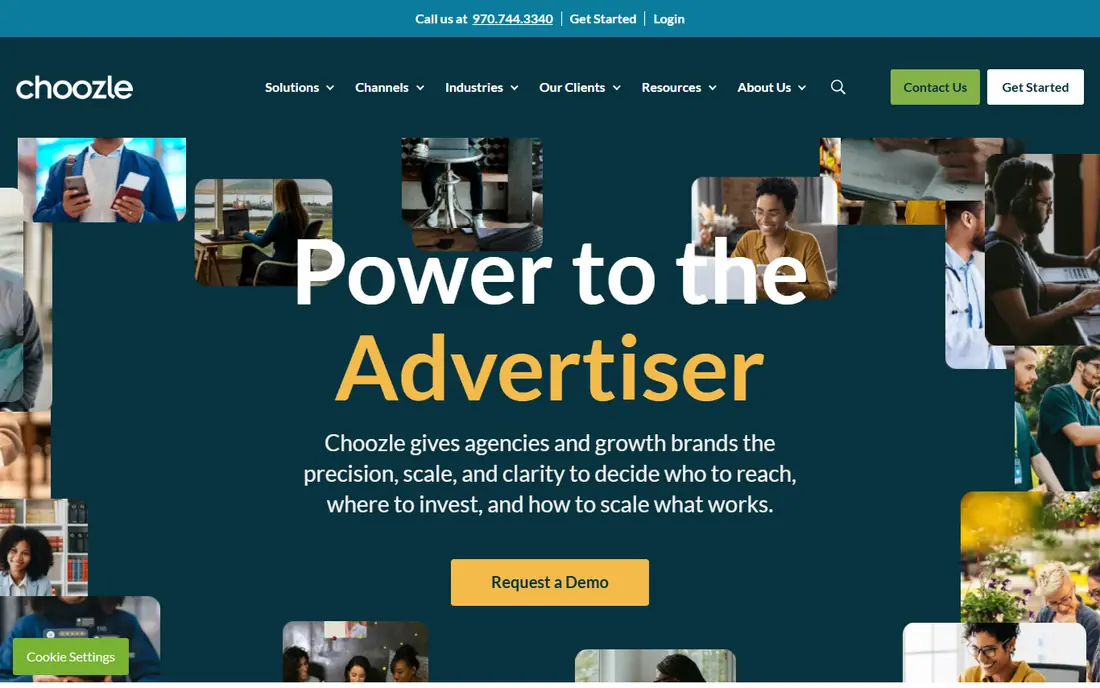
Choozle is built to make programmatic accessible to mid market and small advertisers. The self serve plan starts at $99 per month plus media spend, with guided training through Choozle Academy. Geo targeting is a strength, which suits local businesses and regional campaigns.
Managed service minimums are higher, so self serve is the better path for most small teams. If you want to learn programmatic in house with training support, Choozle is a strong and transparent starting point.
- Self serve plan from $99 per month plus media
- Training resources
- Geo targeting strength
- Fees can add up with added features
- Managed service has higher minimums
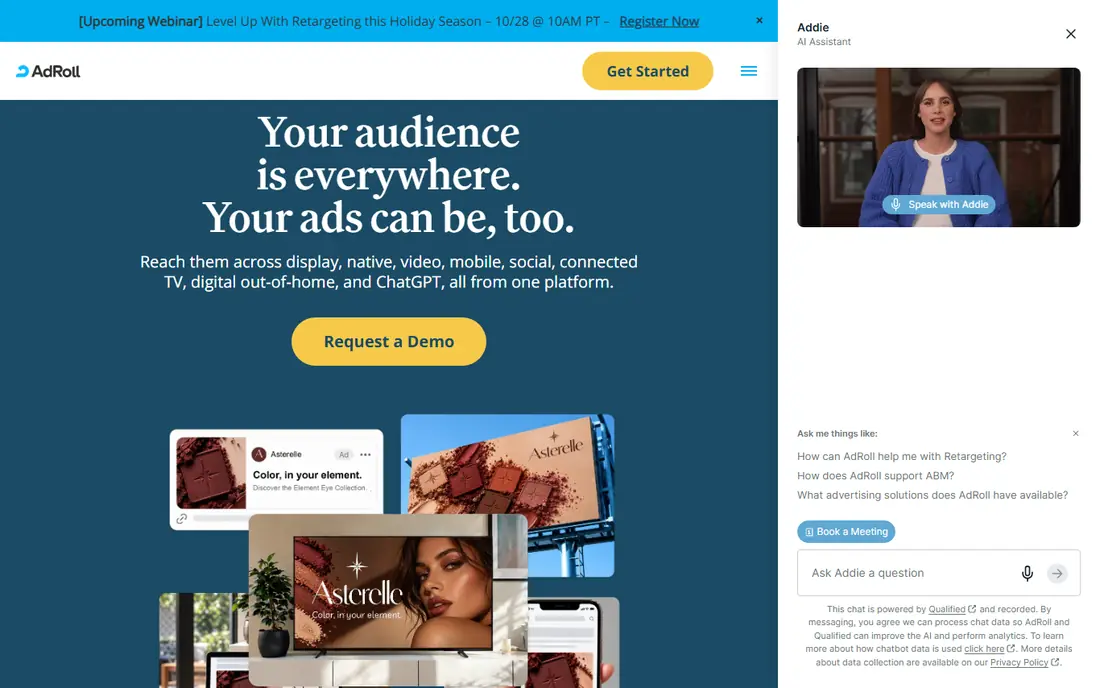
AdRoll suits small ecommerce stores that want to bring back site visitors. Retargeting ads can run across display and social, with reporting that ties back to store sales. Setup is simpler than a full DSP, which helps a small team without a media buyer.
It is not the best choice for a large brand awareness CTV campaign. For a store that already gets traffic and wants more repeat purchases, AdRoll is a practical first step into programmatic.
- Easy retargeting for ecommerce
- Display and social ads in one tool
- Simple setup for stores
- Less suited to large CTV only campaigns
- Pricing depends on ad spend and features
Basis, from Centro, helps agencies automate programmatic buying across channels. Planning, buying, billing and reporting live in one system, which cuts admin for teams managing many clients. That automation is valuable when a small agency runs dozens of campaigns.
Direct advertisers without agency workflows may find it heavier than StackAdapt or Choozle. If you work with an agency or plan to scale client work, Basis is worth a demo.
- Automation across planning, buying and reporting
- Agency friendly workflows
- Broad channel support
- Quote based pricing
- Agency focus may suit direct advertisers less
Simpli.fi focuses on localized programmatic, with geo fencing, addressable targeting and mobile location data. That suits local services, retailers, restaurants and regional brands that need to reach people near a location, not a national audience.
Pricing is quoted, so small teams should ask for minimums early. For a local business that wants precise geo campaigns, Simpli.fi is a focused and effective choice.
- Strong local and geo targeting
- Addressable and mobile location tools
- Good for local campaigns
- Quote based pricing
- Less self serve for very small budgets
The Trade Desk is a leading independent DSP for cross channel buying at scale. It offers deep data, CTV and measurement tools that larger advertisers rely on. Small businesses usually access it through an agency rather than directly, since minimums and onboarding are enterprise grade.
If your budget grows and you need premium CTV and advanced measurement, The Trade Desk is a strong upgrade path. For a first DSP test on a small budget, start with StackAdapt or Choozle instead.
- Independent cross channel scale
- Strong CTV and data tools
- Broad inventory
- Enterprise onboarding and minimums
- Not built for very small budgets
Google Display and Video 360
Best for: Google and YouTube inventory
Display and Video 360, or DV360, is the only route to some Google inventory, including YouTube, through a DSP. It ties closely to Google Analytics and Campaign Manager, which helps teams that already report in Google tools. For brands where YouTube matters, it is a key option.
Fees are a share of media spend, and setup is complex for beginners. Small teams often use it through an agency. If YouTube and Google data lead your plan, DV360 deserves a place on your shortlist.
- Access to YouTube and Google inventory
- Ties to Google Analytics and Campaign Manager
- Strong measurement
- Percentage of media fees
- Setup complexity
- Best inside Google stack
Criteo focuses on commerce media and retargeting, using shopper data to show ads to people likely to buy. Retailers and ecommerce brands use it to drive sales from site visitors and product viewers. Performance reporting is clear, which helps small teams judge return.
For a pure awareness campaign with no sales goal, other DSPs may fit better. For a store or brand that wants measurable sales from retargeting, Criteo is a strong option.
- Strong commerce data and retargeting
- Retail media connections
- Performance focus
- Less suited to pure brand awareness
- Pricing is quote based
How we picked these
We compared official pricing pages, product documentation and public reviews for DSPs that serve small businesses directly or through agencies. We looked for self serve access, minimum spend, channel range, geo targeting, reporting and brand safety tools. We did not claim hands on testing. We favoured tools that are actively sold in 2026 and that small teams can realistically use, and we noted where pricing is quote based.
How to buy programmatic ads on a small budget
Start with a clear goal and one audience. A retargeting campaign for site visitors is a good first test, since the audience already knows your brand. Set a daily budget you can sustain for at least four weeks, since programmatic learning takes time.
Set fees, frequency and brand safety
Ask for platform fees, data fees and media costs separately. Set frequency caps so one person does not see your ad twenty times a day. Turn on brand safety filters and exclude low quality sites. These settings protect your budget and your brand.
Test creative before you scale
Run two or three creative versions with the same audience and budget. Keep the winner, pause the loser and test a new angle. A strong offer and a clear call to action matter more than a complex audience. Once a campaign beats your target cost per result, increase budget gradually.
Measure what matters
Track cost per result, not only impressions. For a store, track sales and return on ad spend. For a local service, track calls, bookings and form fills. If a DSP cannot report those results clearly, it is hard to justify continued spend.
A final check helps avoid a costly mismatch. Ask for a demo with your own data, not only a vendor sample, and invite the people who will use the tool daily to join that demo. Their questions often surface limits that a feature list hides, such as slow reporting, awkward mobile use or missing exports. Note those answers next to price and contract terms, then compare vendors on the same scorecard. That simple step makes the final choice easier to defend and easier to live with after launch.
FAQ
What is a demand side platform?
A demand side platform is software that buys digital ads through real time auctions across many publishers. Advertisers set audience, budget and creative, and the DSP bids for impressions on display, video, audio and connected TV inventory.
What is a realistic minimum budget for a small business DSP?
It varies by platform. Choozle self serve starts at $99 per month plus media, while StackAdapt has per campaign minimums and enterprise DSPs have much higher minimums. Ask each vendor for total fees at your planned spend before you launch.
Is a DSP better than social ads?
It is different, not simply better. Social ads reach users inside one platform, while a DSP reaches users across many publishers and CTV. Many small businesses use both, with social for discovery and a DSP for retargeting and wider reach.
Do I need an agency to use a DSP?
Not always. StackAdapt and Choozle offer self serve access for small teams. Enterprise DSPs such as The Trade Desk and DV360 are often used through agencies, especially at smaller budgets.
How do I avoid wasting money on programmatic ads?
Set a clear goal, start with retargeting, cap frequency, use brand safety filters and test creative. Review results weekly and pause placements and audiences that do not convert. Small, controlled tests beat large, unfocused launches.