Best Countries for Offshore Software Development in 2026: 8 Countries Compared
Looking for the best countries for offshore software development? We compared 8 destinations on talent, cost, time zones, English skills and delivery risk.

- Editor's choice
 India
Largest engineering talent pool
Starts atSee websiteVisit investindia.gov.inFull review - Great alternative
 Poland
European quality with EU protections
Starts atSee websiteVisit paih.gov.plFull review - Also consider
 Ukraine
Strong product engineering talent
Starts atSee websiteVisit ukraine.uaFull review
TL;DR:
- India remains the largest talent pool, while Poland and Romania offer closer time zone overlap for US and European teams.
- Cost alone is a poor guide, because communication, retention and code quality decide the real total cost of a project.
- The Philippines suits support and web work in English, while Ukraine and Vietnam suit product engineering at competitive rates.
- Time zone overlap matters more than many buyers expect, because a few shared working hours speed up reviews and fixes.
- Always start with a small paid pilot, clear intellectual property terms and a written exit plan before scaling a team.
Quick comparison
| Tool | Best for | Starts at | Free plan? | |
|---|---|---|---|---|
| India | Largest engineering talent pool | See website | No | Visit |
| Poland | European quality with EU protections | See website | No | Visit |
| Ukraine | Strong product engineering talent | See website | No | Visit |
 Philippines | English fluent web and support teams | See website | No | Visit |
 Vietnam | Competitive rates for growing teams | See website | No | Visit |
 Mexico | Nearshore overlap with US teams | See website | No | Visit |
 Romania | EU engineering at lower rates | See website | No | Visit |
 Brazil | Large Latin American tech talent | See website | No | Visit |
The best countries for offshore software development
We compared public investment guides, talent market reports and government portals for the best countries for offshore software development, the best country to outsource software development and the top software outsourcing countries. Our focus was talent depth, English skills, time zone fit, legal protections, infrastructure and realistic delivery risk.

India is still the first place most buyers look, for a simple reason: scale. The talent pool covers almost every stack, from legacy enterprise systems to modern cloud and AI work, and the vendor market includes large firms, mid sized specialists and small studios. English is widely used in tech teams, which helps documentation and daily standups.
The main challenge is not finding developers, it is finding the right team. Quality varies widely, and a low hourly rate can hide weak seniority or high staff turnover. Run a paid pilot, interview the actual developers who will work on your project, and agree on code review and delivery standards in writing before you scale.
- Deep talent across web, mobile, cloud and AI work
- Large vendor market with mature delivery models
- Strong English use in tech teams
- Time zone gap with the US needs careful scheduling
- Quality varies widely between vendors

Poland suits buyers who want European engineering quality with EU legal protections. Developers there have strong experience in fintech, e-commerce and enterprise software, and English skills are good in tech hubs such as Warsaw, Krakow and Wroclaw. For a European client, time zone overlap is easy, and for a US client, a morning overlap is workable.
Rates are higher than in India, the Philippines or Vietnam, and senior developers are in demand, so hiring can take longer. The trade off is often worth it for complex products where code quality, security and long term maintenance matter more than the lowest hourly rate. Poland is a strong pick for a core product team, not just a short task.
- Strong engineering education and product experience
- EU legal and data protection framework
- Good overlap with European working hours
- Rates are higher than India or Vietnam
- Competition for senior developers is intense
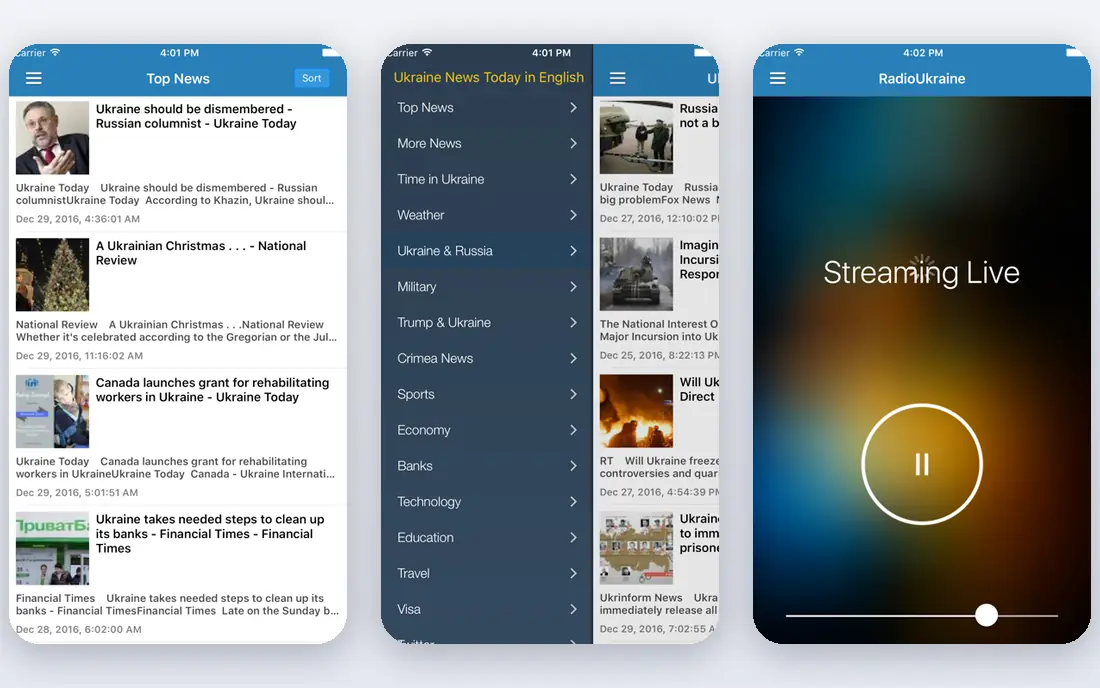
Ukraine has a long history in outsourced product engineering, with teams experienced in web, mobile, cloud and data work. Many developers work in English, and the talent base includes senior engineers who can lead a project, not just complete tickets. Rates remain competitive for that seniority, which is why many European and US firms have kept Ukrainian teams.
The clear risk is the ongoing war, which affects infrastructure, travel and business continuity. Any buyer should ask a vendor for a written continuity plan, distributed teams, backup power and internet, and a clear exit clause. For teams that plan for that risk, Ukraine still offers strong engineering value, but it is not a low risk default choice.
- Deep product and outsourcing experience
- Strong maths and engineering education
- Competitive rates for senior talent
- Ongoing war creates business continuity risk
- Buyers must plan for disruption and backup teams
The Philippines is best known for English fluent teams, and that strength carries into software work, especially web development, maintenance, testing and support. Communication is usually clear, documentation is strong, and teams are used to working with US clients, with evening shifts that overlap US hours.
Senior product engineering depth is thinner than in India or Eastern Europe, so a complex platform with heavy architecture needs careful vetting. For web builds, ongoing maintenance, QA and support engineering, the Philippines offers good value and smooth communication. Check the actual seniority of the team, not just the vendor pitch.
- Very strong English fluency
- Friendly service culture for support work
- Competitive rates for web and maintenance work
- Senior product engineering depth is thinner than India or Poland
- Time zone gap with Europe is large
Vietnam has grown fast as an outsourcing destination, with talent in web, mobile and cloud work and rates that remain competitive. Tech hubs in Ho Chi Minh City, Hanoi and Da Nang host a mix of local firms and offshore centres for foreign companies. Government support for tech parks and training has helped the pipeline grow.
English skills vary, so interview the team leads directly and test written communication on a pilot task. Senior architects and product leaders are scarcer than junior and mid level developers, which means a buyer may need to keep product leadership in house. For a growing team with clear specs, Vietnam offers strong value.
- Growing engineering talent pool
- Competitive rates for web and mobile work
- Government support for tech parks and training
- English skills vary by team and city
- Senior leadership depth is still developing
Mexico is the leading nearshore choice for US buyers, because teams can share a full working day. That overlap speeds up standups, code reviews and incident fixes, and travel for kickoffs is short. Engineering hubs in Guadalajara, Mexico City and Monterrey cover web, mobile, cloud and data work, with many developers working in English.
Rates are higher than in India or Vietnam, and senior talent in major hubs is competitive. The value case rests on speed and collaboration, not on the lowest hourly rate. If your team needs daily pair work, fast feedback and frequent travel, Mexico often beats a cheaper but distant option on total delivery time.
- Same or close time zones to US teams
- Strong engineering hubs in Guadalajara and Mexico City
- Cultural and travel proximity to the US
- Rates are higher than Asian destinations
- Senior talent competition is rising in major hubs
Romania offers a useful middle ground: EU legal protections, strong technical education and rates below Western Europe. Cities such as Bucharest, Cluj-Napoca and Iasi host engineering teams for fintech, automotive software, e-commerce and cloud products. English skills are good in tech teams, and time zone overlap with Europe is full.
The talent pool is smaller than Poland or India, so a niche stack or a very large team may take longer to staff. Romania suits a buyer who wants a stable, EU based team for a core product, with a vendor that can show retention and seniority rather than just headcount. Start with a pilot and check how the team handles code review and security.
- Strong technical education
- EU legal framework and data protection
- Lower rates than Western Europe
- Talent pool is smaller than Poland or India
- Senior hiring can take time in niche stacks
Brazil has the largest tech talent pool in Latin America, with strengths in fintech, e-commerce, mobile and cloud work. Time zone overlap with the US East Coast is good, and major hubs such as Sao Paulo, Florianopolis and Recife host both local firms and global delivery centres. For a US buyer, Brazil combines scale with workable hours.
Portuguese is the main language, so English skills must be tested team by team, not assumed from a vendor brochure. Tax, employment and contracting rules also need local legal advice before you sign a long term deal. With those checks done, Brazil is a strong option for a larger nearshore team that needs depth and US friendly hours.
- Large and growing tech talent pool
- Time zone overlap with US East Coast
- Strong experience in fintech and e-commerce
- Portuguese is the main language, so English vetting matters
- Tax and employment rules need local advice
How we picked these
We compared government investment portals, talent market reporting and vendor delivery models for countries that actively serve offshore software clients in 2026. We favoured countries with a proven vendor market, usable English in tech teams, and a realistic path for a foreign buyer to contract, communicate and exit. We left out countries with a very small tech pool, no clear vendor market, or legal barriers that make contracting impractical for most buyers.
How to choose an outsourcing destination
Start with time zone and communication needs, not hourly rate. A team that shares four or more working hours with you will resolve blockers in a day, while a team with no overlap can turn a small question into a two day delay. Add language testing, code review standards and a pilot project to that shortlist, and the right country usually becomes clear.
Run a pilot before you scale
Give a shortlisted vendor a real, paid task that mirrors your product work, with a clear deadline and acceptance criteria. Review the code, test communication during the pilot, and check how the team handles a change request. A pilot reveals seniority, process and honesty far better than a sales deck or a rate card.
Protect intellectual property and data
Use a written contract that covers intellectual property ownership, confidentiality, data protection and code handover. For EU data, confirm GDPR handling. For US health or finance data, confirm the relevant compliance experience. Agree on repository access, documentation and an exit plan so you can move the code and knowledge in house if needed.
FAQ
What is the best country to outsource software development?
There is no single best country, because the right pick depends on budget, time zone and product complexity. India offers the largest pool, Poland and Romania offer EU quality, and Mexico and Brazil offer US time zone overlap. Shortlist two or three countries, then pick the vendor that passes a pilot.
Which countries are best for outsourcing software development on a budget?
Vietnam, the Philippines and India usually offer the lowest rates, with India offering the deepest pool. Budget rates only help if seniority and communication are strong, so test the actual team on a pilot before judging value by hourly rate alone.
Is offshore software development safe for intellectual property?
It can be, with a proper contract, repository control and data protection terms. EU countries offer a familiar legal framework for European buyers, while other destinations need careful contract drafting and local legal advice. Never share full production data or credentials before terms are signed.
How much time zone overlap do we need with an offshore team?
Four hours of shared working time is a useful minimum for most product teams, because it allows a daily standup, a review cycle and a same day fix. Full overlap suits fast moving product work, while a smaller overlap can work for well specified maintenance tasks with async updates.
Should we choose nearshore or offshore development?
Nearshore suits teams that need daily collaboration, frequent travel and fast feedback, and it usually costs more per hour. Offshore suits well specified work where async updates are enough and budget is tight. Many companies mix both, keeping product leadership nearshore and maintenance offshore.