Best Continuous Delivery Tools for Enterprises in 2026: Prices, Free Plans and 5 Picks
Weighing the best continuous delivery tools for enterprises? We lined up 5 products by cost, free access and fit. Plain-spoken summaries throughout. Start here.
- Editor's choiceAzure Pipelines
Cloud-based CI/CD across products
Starts atSee websiteVisit azure.microsoft.comFull review - Great alternative
 Harness
AI-assisted management of the SDLC
Starts atSee websiteVisit harness.ioFull review - Also consider
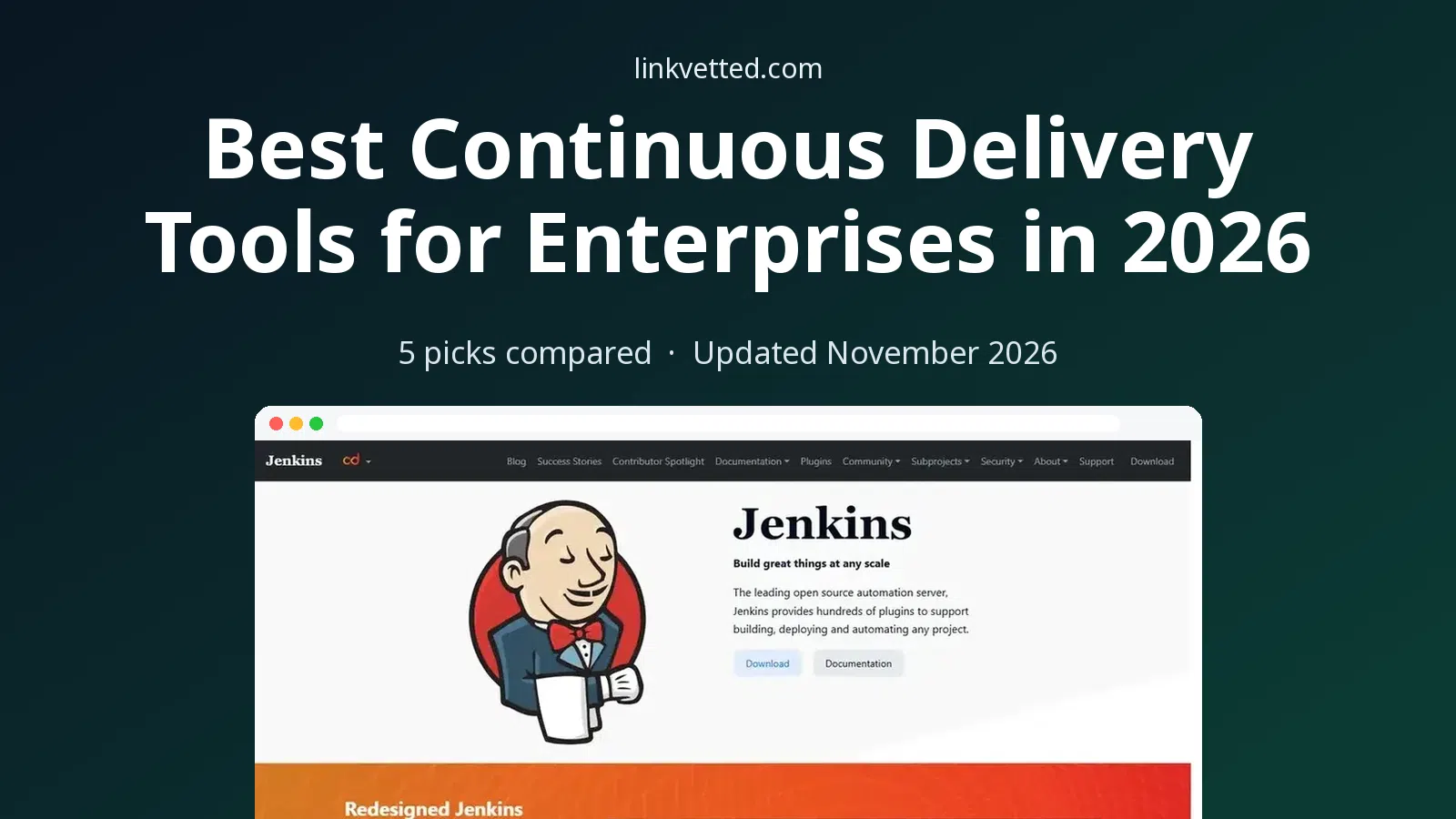
 Jenkins
Adaptable open source automation
Starts atSee websiteVisit jenkins.ioFull review
Direct answer
Azure Pipelines leads the list, best for cloud-based CI/CD across products. Listed starting prices: CircleCI from $15 a month and GitLab CI/CD from $29 per user a month. For a different need, Harness covers AI-assisted management of the SDLC and Jenkins covers adaptable open source automation. The full list of 5 tools follows, with prices and free plan facts.
TL;DR:
- Azure Pipelines sits first on this list: cloud-based CI/CD across products.
- Starting prices begin at $15 per month with CircleCI.
- Check the limits for Harness before you commit: wide system scope needs planning.
- A free plan is available from 3 of the 5 tools: Harness, CircleCI, GitLab CI/CD.
Last checked November 2026. Prices and plan details were read from the vendors' own pages in November 2026; vendors change plans often, so confirm the current price on the vendor site before you buy.
Quick comparison
| Tool | Best for | Starts at | Free plan? | |
|---|---|---|---|---|
| Azure Pipelines | Cloud-based CI/CD across products | See website | Not stated | Visit |
| Harness | AI-assisted management of the SDLC | See website | Yes | Visit |
| Jenkins | Adaptable open source automation | See website | Not stated | Visit |
 CircleCI | Intelligent automation for validation and testing | $15 a month | Yes | Visit |
 GitLab CI/CD | Delivery inside one governed product | $29 per user a month | Yes | Visit |
The 5 tools in detail
LinkVetted compared 5 continuous delivery tools for enterprises. The goal is a practical shortlist: published prices, free plan facts, best-fit use cases and honest limits for every entry.
Azure Pipelines
Best for: Cloud-based CI/CD across products
For cloud-based CI/CD across systems, Azure Pipelines is a natural candidate. It suits enterprises already invested in Microsoft tooling that want delivery pipelines spanning multiple operating systems and cloud targets.
What to check first: Tied to the Azure ecosystem.
Best features of Azure Pipelines: Automates builds and deployments.
The service is most natural inside the Azure and Microsoft ecosystem, and pipeline definitions can become intricate as projects grow. Pricing for Azure Pipelines is not stated here, so ask the vendor for current figures. Free plan details: Not stated.
- Deploys to any cloud
- Cloud-based pipelines for Linux
- Configuration can grow complicated
Harness serves AI-assisted management of the SDLC. Harness presents itself as a unified AI software delivery system that runs the software development lifecycle using purpose-built AI agents.
Drawbacks to consider: Wide product scope needs planning.
Pricing for Harness is not stated here, so ask the vendor for current figures. A free plan is available with Harness.
- Aims to manage delivery end to end
- Purpose-built AI agents for the SDLC
- AI-centric approach may not suit every team
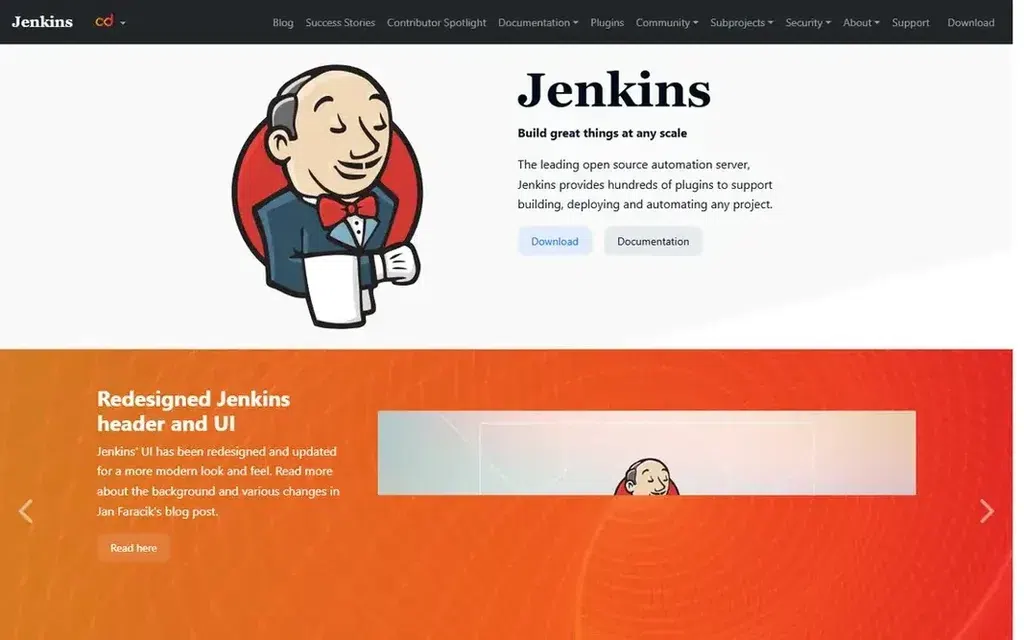
Jenkins is designed for adaptable open source automation. Enterprises that prefer a completely hosted, tightly integrated product may find GitLab CI/CD or a managed service a better fit. In daily use, since Jenkins is self-managed, teams carry responsibility for maintenance, upgrades and plugin compatibility, which can become demanding at scale.
As for the details, Jenkins is an open source automation server that makes it possible for developers to dependably build, test and deploy software. Its long-standing ecosystem and plugin model make it a typical starting point for organizations building custom continuous delivery workflows. Pricing for Jenkins is not stated here, so ask the vendor for current figures. As for free access: Not stated.
Limits to weigh: Plugin upkeep can add overhead.
- Testing and deploying
- Supports building
- Needs self-management
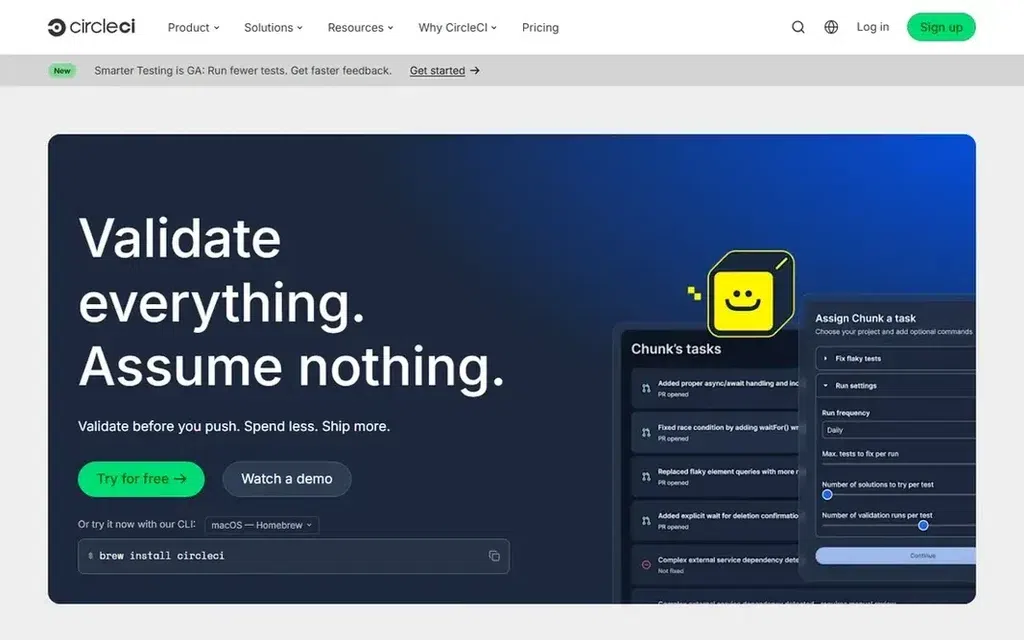
CircleCI is aimed squarely at intelligent automation for validation and testing. Getting the most from CircleCI needs investment in pipeline configuration and familiarity with its conventions.
The main drawbacks: Configuration ramp-up time.
Enterprises that require delivery deeply embedded in an existing source system may prefer an integrated choice like GitLab CI/CD. Entry price for CircleCI: $15 per month. A free plan is available with CircleCI.
- Capable fit for test-heavy pipelines
- Automation centred on validating every change
- Less appealing outside its hosted model
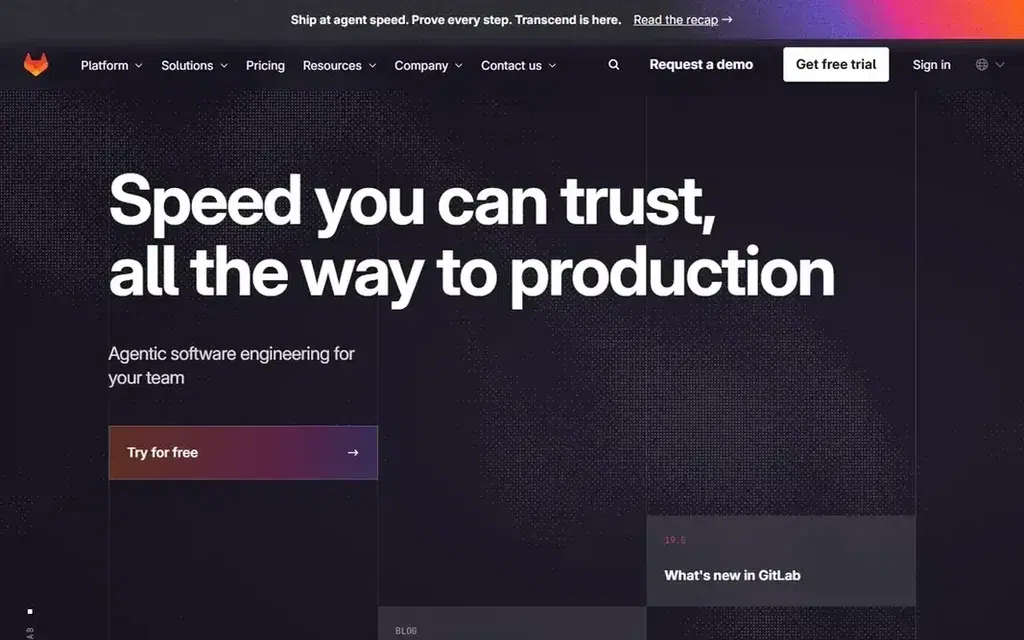
GitLab CI/CD is a good fit for delivery inside one governed product. GitLab CI/CD is part of GitLab, described as an intelligent orchestration system with context and governance for the whole software lifecycle.
The product's breadth means configuration and administration can be involved, and organizations not already using GitLab may face migration effort. In daily use, enterprises seeking a light, standalone delivery server may prefer a more focused tool. The starting price for GitLab CI/CD: $29 per user per month. GitLab CI/CD includes a free tier.
Honest limits: Wide system scope can be complicated.
- Delivery integrated with the software lifecycle
- Supports teams and agents shipping software
- Best value within the GitLab ecosystem
How we compared the tools
Pricing pages, product documentation and feature lists were the main sources, and every entry carries at least one honest drawback. Plan names, prices and limits change often. Treat the figures here as a starting point and verify them with the vendor. The order reflects how well each tool fits the most common buying scenario for continuous delivery tools for enterprises, then price clarity, then free plan access. It is a starting point, not a verdict.
A buyer's checklist
- Ask Azure Pipelines, Harness and Jenkins for a written quote, since no starting price is shown.
- Look at free plan limits closely: Harness, CircleCI and GitLab CI/CD have one, and the caps decide whether it is usable for real work.
- Read the limits listed for Azure Pipelines first: tied to the Azure ecosystem.
- Ask Azure Pipelines about contract length, onboarding fees and user minimums before you sign.
- Ask whether Jenkins integrates with your current software, and whether that comes standard or as an add-on.
FAQ
Is Azure Pipelines the right pick for everyone comparing continuous delivery tools for enterprises?
No single tool suits every team. Azure Pipelines comes first because it fits cloud-based CI/CD across platforms, while Harness suits AI-assisted management of the SDLC and Jenkins suits flexible open source automation. Match the tool to your own size, budget and workflow before deciding.
Can I try these tools before paying?
Often, yes. Harness, CircleCI and GitLab CI/CD have a free plan. Use your own data and a real task during the test, and check what the free tier or trial limits before you rely on it. Prices, free plan details and limits for all 5 tools in this continuous delivery tools for enterprises roundup sit on the individual cards above.
Which options for continuous delivery tools for enterprises have a free plan?
On this list, Harness, CircleCI and GitLab CI/CD include a free plan. Caps on seats, usage or features are common, so test the free plan against your real workload.
Which continuous delivery tool is a good match for enterprises new to CI/CD?
Start with Azure Pipelines if you need cloud-based CI/CD across products. Harness is the better match for AI-assisted management of the SDLC, and Jenkins for adaptable open source automation. The best choice depends on budget, team size and workflow.
How are the tools for continuous delivery tools for enterprises ordered?
The order follows typical fit for continuous delivery tools for enterprises, with Azure Pipelines first and GitLab CI/CD last, then price clarity and free access. It is editorial judgement, not a score, so another team could rank the tools differently.
Sources
- https://azure.microsoft.com/en-us/products/devops/pipelines
- https://www.harness.io
- https://www.jenkins.io
- https://circleci.com
- https://about.gitlab.com