Best Cloud Technology for Security for 2026: Our 5 Vetted Picks
5 tools for the best cloud technology for security, compared on pricing, free plans and best-fit use. Every pick gets a straight assessment. Read the profiles.
- Editor's choiceGoogle Security Command Center
Google Cloud risk reduction
Starts atPricing on requestVisit cloud.google.comFull review - Great alternativeAmazon GuardDuty
AWS-native threat detection
Starts atPricing on requestVisit aws.amazon.comFull review - Also consider
 Wiz
Connected code, cloud and runtime view
Starts atPricing on requestVisit wiz.ioFull review
Direct answer
For Google Cloud risk reduction, Google Security Command Center is where this list starts. If your case is different, Amazon GuardDuty suits AWS-native threat detection and Wiz suits connected code, cloud and runtime view. The full list of 5 tools follows, with free plan facts. None of these vendors publish plan prices, so pricing is on request for every option.
TL;DR:
- Google Security Command Center is the opening pick, best for Google Cloud risk reduction.
- What to know about Amazon GuardDuty first: concentrated on AWS environments.
- Amazon GuardDuty stands alone as the one tool in this list with a free plan.
- Check Point CloudGuard fits preventing threats across cloud layers.
Last checked November 2026. Pricing on request: vendors did not publish plan prices when this guide was last checked (November 2026), so ask each vendor for a written quote.
Quick comparison
| Tool | Best for | Starts at | Free plan? | |
|---|---|---|---|---|
| Google Security Command Center | Google Cloud risk reduction | Pricing on request | Not stated | Visit |
| Amazon GuardDuty | AWS-native threat detection | Pricing on request | Yes | Visit |
| Wiz | Connected code, cloud and runtime view | Pricing on request | Not stated | Visit |
 Palo Alto Networks Prisma Cloud | Wide code to cloud protection | Pricing on request | Not stated | Visit |
 Check Point CloudGuard | Preventing threats across cloud layers | Pricing on request | Not stated | Visit |
Cloud Technology for Security profiles
LinkVetted compared 5 tools for cloud technology for security. The goal is a practical shortlist: published prices, free plan facts, best-fit use cases and honest limits for every entry.
Google Security Command Center
Best for: Google Cloud risk reduction
Pick Google Security Command Center if this describes you: Google Cloud risk reduction. Security Command Center is Google Cloud's security offering, described as the best security for Google Cloud, reducing risk and securing cloud, generative AI and agentic AI workloads.
Its center of gravity is Google Cloud, so heavily multicloud estates may need extra tooling for other providers. No starting price is listed for Google Security Command Center here; confirm pricing on the vendor site. On free options: Not stated.
Watch-outs: AI workload coverage may be early for some.
- Designed for Google Cloud security
- Addresses generative and agentic AI workloads
- Centered on Google Cloud
Amazon GuardDuty
Best for: AWS-native threat detection
Amazon GuardDuty is designed for AWS-native threat detection. Organizations wanting a focused, provider-native detection layer are the target audience. Beyond that, pick it when AWS-native threat detection is the requirement and broader CNAPP functions are handled elsewhere.
In practice, environments outside AWS are not its focus. GuardDuty is a detection service instead of a full application protection system, so posture management and code-level coverage need additional tools. In practice, Amazon GuardDuty is a threat detection service that watches for malicious activity and anomalous behavior to protect AWS accounts, workloads and data. This comparison lists no price for Amazon GuardDuty; ask the vendor. Amazon GuardDuty offers a free plan.
Trade-offs to know: Detection instead of full CNAPP scope.
Main advantages: Guards AWS accounts; workloads and data.
- Spots anomalous behavior
- Watches for malicious activity
- Centred on AWS environments
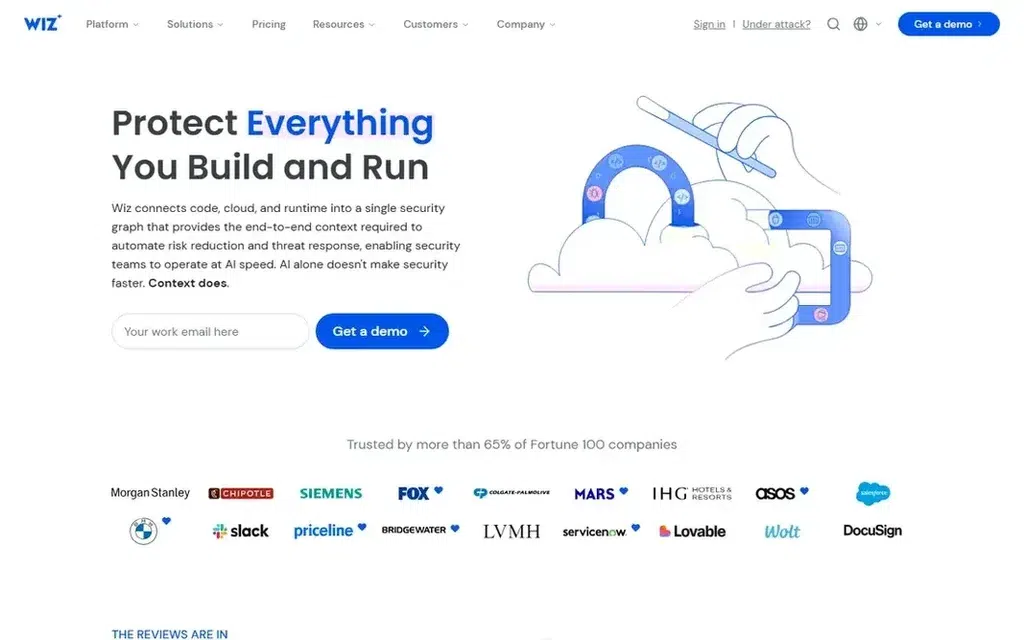
Wiz targets connected code, cloud and runtime view. Wiz presents itself as an agentic cybersecurity system that links code, cloud and runtime, helping teams prevent risk and detect threats across every cloud and AI layer.
What to check first: AI layer coverage may be more than some need.
Teams expanding into AI workloads may value the stated coverage of AI layers. Pricing for Wiz is not stated here, so ask the vendor for current figures. As for free access: Not stated. What Wiz does well: Agentic product spanning cloud and AI layers.
- Cloud and runtime
- Links code
- Product breadth needs onboarding effort
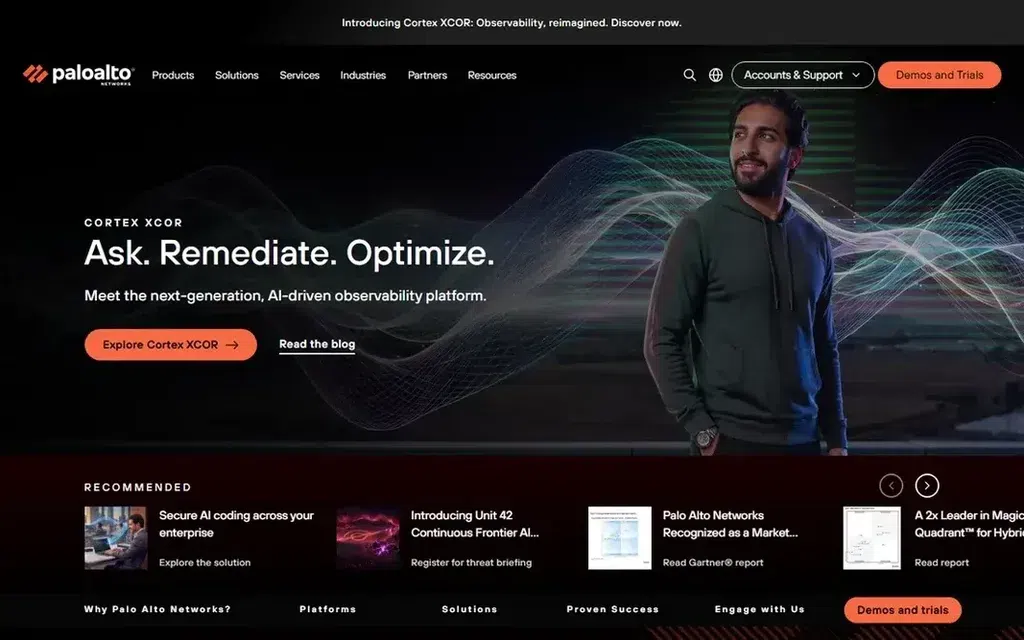
Think of Palo Alto Networks Prisma Cloud for wide code to cloud protection. Consider Prisma Cloud when cross-cloud consistency matters more than minimal overhead. The breadth that makes it attractive also means more configuration and governance effort at the start.
Teams with mixed cloud estates and a need for consistent policy across environments are the natural audience. Prisma Cloud is Palo Alto Networks' cloud native application protection product, described as handling code to cloud security in any cloud, multicloud and hybrid environment. Palo Alto Networks Prisma Cloud shows no starting price here, so confirm the cost on the vendor site. On free options: Not stated.
Where it is weaker: Wide scope can mean a longer setup.
- Includes code to cloud in one system
- Supports multicloud and hybrid environments
- Best value for organizations with mixed clouds
Check Point CloudGuard was built for preventing threats across cloud layers. The product spans multiple security domains, which can overlap with tools already deployed and add tuning effort. In practice, Check Point Cloud Security, formerly CloudGuard, is described as a full system that stops threats and prioritizes risks across applications, network and workloads in the cloud.
Downsides: Breadth may overlap with existing tools.
Risk prioritization relies on accurate configuration and context. More specifically, consider it when Check Point alignment and layered cloud protection matter, and look elsewhere for a single-purpose detection service. For everyday use, teams needing risk prioritization across several cloud layers are the audience. Pricing for Check Point CloudGuard is not stated here, so ask the vendor for current figures. Free options: Not stated.
- Network and workloads
- Part of Check Point's security product
- Needs tuning to prioritize risks well
How the list was put together
Before you commit
- Ask each vendor, from Google Security Command Center to Check Point CloudGuard, for a written quote; none of them publishes a starting price.
- Test the free plan from Amazon GuardDuty against your real workload before relying on it.
- Before choosing Google Security Command Center, weigh its main limit: centered on Google Cloud.
- List the apps you already depend on and check that Check Point CloudGuard supports each one on the plan you would buy.
- Before you load data into Palo Alto Networks Prisma Cloud, check what an export looks like and who can run it.
FAQ
Should I choose a provider-native tool or a multicloud system?
Multicloud products like Prisma Cloud and Wiz aim for consistent coverage across environments. Choose based on how plenty of clouds you run and how much consistency you need.
How are the tools for cloud technology for security ordered?
The order follows typical fit for cloud technology for security, with Google Security Command Center first and Check Point CloudGuard last, then price clarity and free access. It is editorial judgement, not a score, so another team could rank the tools differently.
Do these tools publish their prices?
No. None of the tools, from Google Security Command Center to Check Point CloudGuard, shows a fixed starting price here, so budget time for quotes.
How does threat detection differ from posture management?
Threat detection watches for malicious or anomalous activity, as Amazon GuardDuty does for AWS accounts and workloads. Posture management finds misconfigurations and risk before exploitation. Numerous teams use both, commonly pairing a detection service with a broader system.
Is Google Security Command Center the right pick for everyone comparing cloud technology for security?
No single tool suits every team. Google Security Command Center comes first because it fits Google Cloud risk reduction, while Amazon GuardDuty suits AWS-native threat detection and Wiz suits connected code, cloud and runtime view. Match the tool to your own size, budget and workflow before deciding.
Which options for cloud technology for security have a free plan?
Amazon GuardDuty is the only tool in this list with a free plan. Free plans usually cap users, projects or features, so check the limits on the vendor page.
Sources
- https://cloud.google.com/security-command-center
- https://aws.amazon.com/guardduty
- https://www.wiz.io
- https://www.paloaltonetworks.com/prisma/cloud
- https://www.checkpoint.com/cloudguard