Best B2B Social Media Platforms in 2026: 8 Platforms Compared
Compare the best B2B social media platforms for lead generation, thought leadership and brand reach in 2026. We review 8 platforms for B2B teams in detail.

- Editor's choice
 LinkedIn
B2B leads and thought leadership
Starts atFreeVisit linkedin.comFull review - Great alternative
 YouTube
Demos and search video
Starts atFreeVisit youtube.comFull review - Also consider
 X
Real time industry conversation
Starts atFreeVisit x.comFull review
TL;DR:
- LinkedIn is the best social media platform for B2B by a clear margin, for lead generation, hiring, thought leadership and decision maker reach.
- YouTube is the best B2B platform for product demos, explainers and search driven video that keeps working after publication.
- X, formerly Twitter, suits real time industry conversation, news and executive voices, though reach and moderation have changed.
- For niche B2B audiences, Reddit, Quora and industry communities often beat broad platforms on intent and discussion quality.
- The best platform for B2B social media is the one where your buyers actually spend time, so start with one or two channels done well.
Quick comparison
| Tool | Best for | Starts at | Free plan? | |
|---|---|---|---|---|
| LinkedIn | B2B leads and thought leadership | Free | Yes | Visit |
| YouTube | Demos and search video | Free | Yes | Visit |
| X | Real time industry conversation | Free | Yes | Visit |
 Facebook | B2B groups and retargeting | Free | Yes | Visit |
 Instagram | Visual brand and culture | Free | Yes | Visit |
 Reddit | Niche industry discussion | Free | Yes | Visit |
 Quora | Expert answers and intent | Free | Yes | Visit |
 TikTok | Short video reach for B2B | Free | Yes | Visit |
The best B2B social media platforms
B2B social media is not about being everywhere. It is about reaching decision makers, building trust over a long sales cycle, and turning attention into conversations, demos and deals. The platforms below all have a real B2B use, but they differ in audience, content format and how directly they support lead generation.
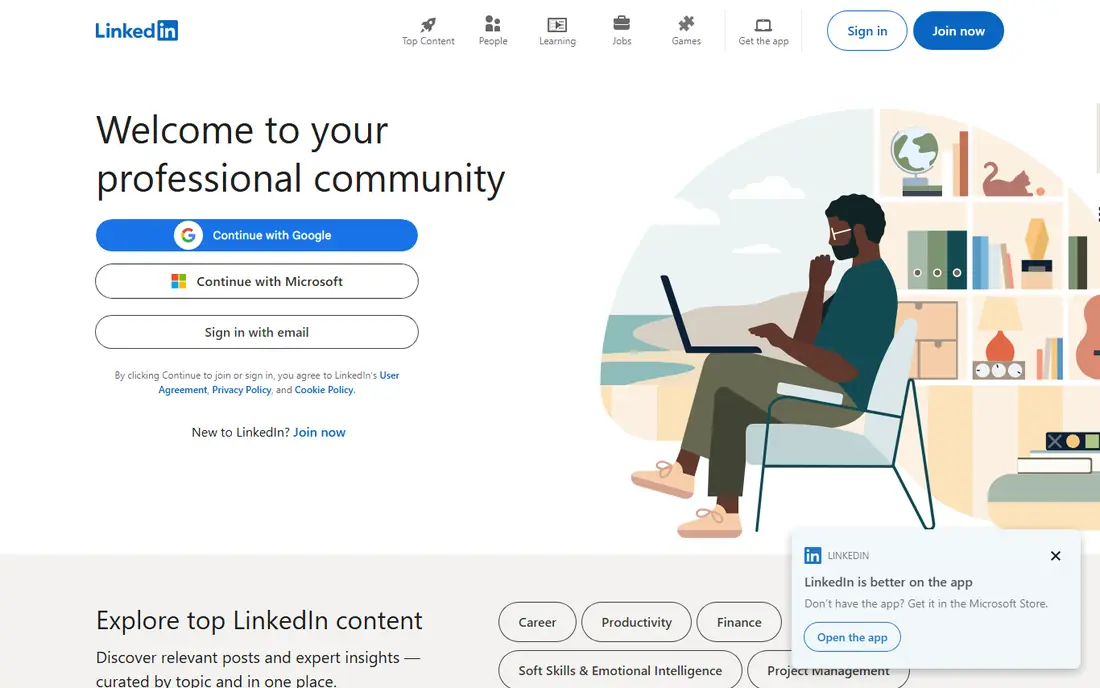
LinkedIn is the default B2B platform, and for most companies it should be the first channel. Buyers, founders, hiring managers and industry peers use it to follow companies, read expert posts and research vendors. Company pages, employee posts, newsletters and documents all support a long sales cycle, because a prospect may see your content many times before booking a call.
Organic posting works best when it is specific: a lesson from a customer project, a clear opinion on an industry change, or a useful breakdown of a common problem. Sales Navigator and LinkedIn Ads add targeting by job title, company size and industry, but ads are costly, so test organic content first. The weakness is sameness. Generic corporate posts get ignored, so invest in real expertise and real voices from your team.
- Decision makers are active daily
- Strong organic reach for expertise posts
- Sales Navigator and ads for targeting
- Organic reach varies by format
- Paid ads are expensive
- Content can feel corporate if done badly
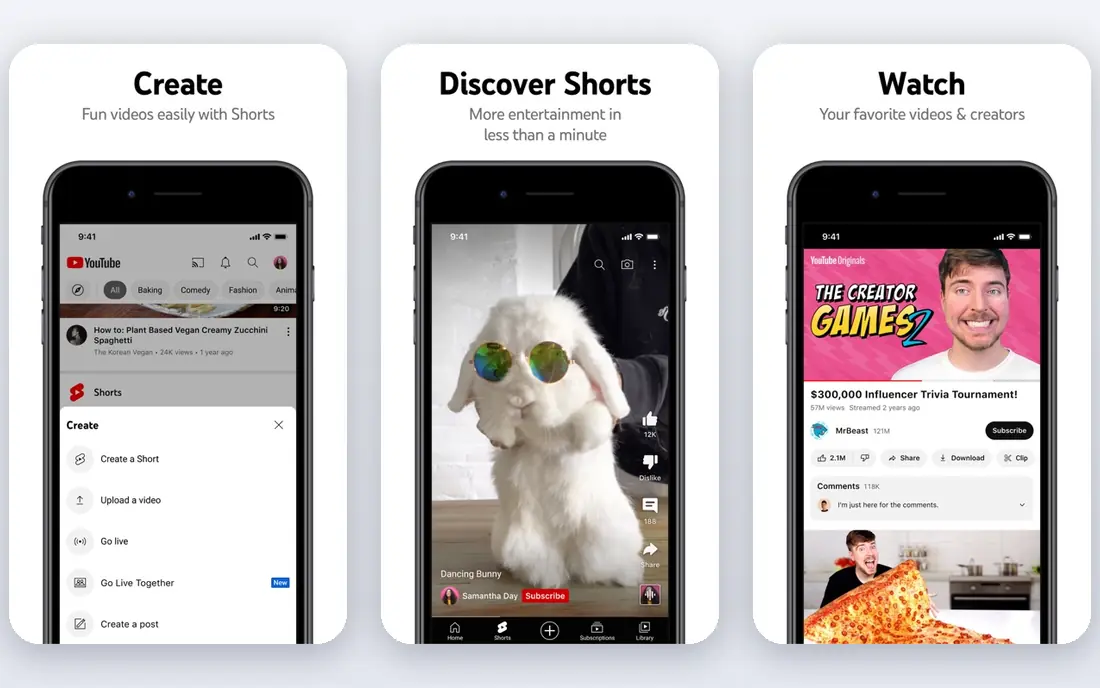
YouTube is the best B2B platform for content that keeps working. A product demo, a tutorial, a customer story or a webinar recording can rank in YouTube and Google search for months or years, bringing in buyers who are actively researching a problem. That search value is different from a feed post that disappears in a day.
Production is the barrier. Good B2B video needs a clear script, decent audio and a useful structure, even if the visuals are simple screen recordings. Start with the questions your sales team hears most, answer each in a short video, and embed those videos on product and help pages. Over time, YouTube becomes a library that shortens sales cycles, because prospects arrive already educated.
- Videos rank in search for years
- Great for demos, tutorials and webinars
- Builds trust before a sales call
- Production takes time
- Growth is slow at first
- Needs consistent publishing to compound
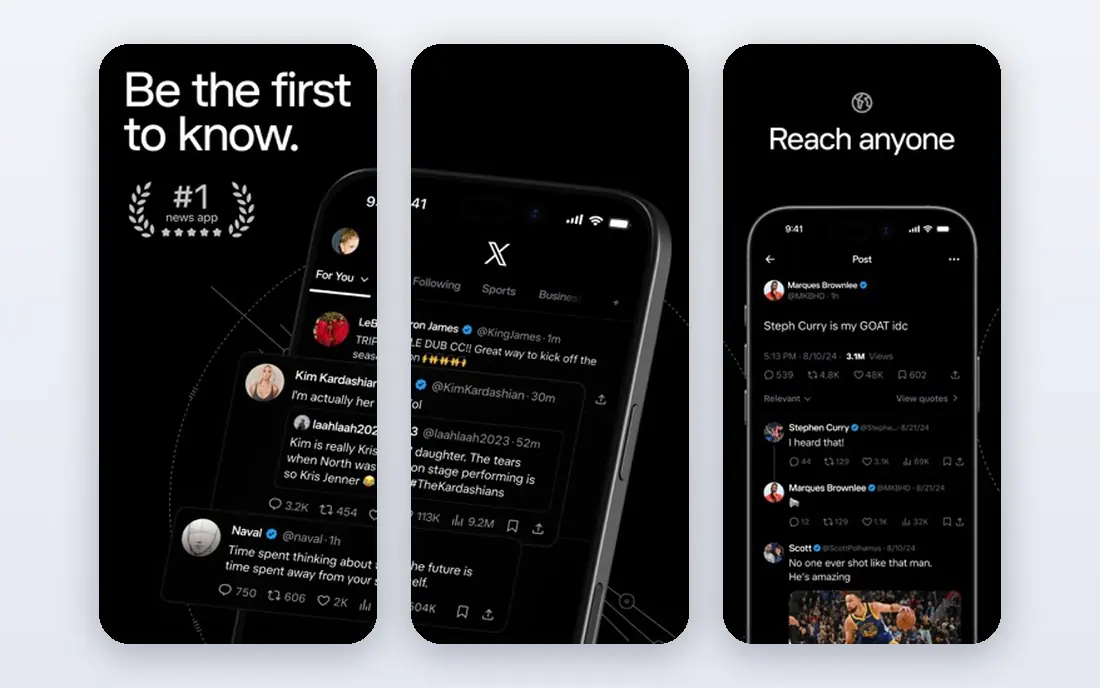
X, formerly Twitter, remains useful for B2B conversation, especially in technology, media, finance and startups. Founders, journalists, analysts and practitioners discuss news in real time, and a sharp thread or a clear opinion can reach people who would never open a cold email. Events, product launches and industry debates also play well here.
The platform has changed, and reach is less predictable than it once was. Brand safety and moderation need attention, and the short format suits commentary more than deep education. Use X for executive voice, news reaction and community conversation, and link to LinkedIn articles or YouTube videos for depth. Do not make it your only B2B channel.
- Fast industry news and conversation
- Good for founders and executives
- Useful for events and live commentary
- Reach is less predictable than before
- Moderation and brand safety need care
- Short format limits depth
Facebook is not a first choice B2B platform for most companies, but it has two real uses. First, industry groups on Facebook can be active places for small business owners, trades, local services and niche professions. Second, Facebook ads offer precise targeting and retargeting, which can support a B2B funnel when combined with LinkedIn and search.
Organic company page reach is low, so do not expect a Facebook page alone to generate B2B leads. Instead, use groups for community and discussion, and use ads to retarget people who visited your site or watched a video. For B2B companies serving small businesses or local markets, Facebook can outperform expectations. For enterprise buyers, LinkedIn remains stronger.
- Large audience and precise ad targeting
- Groups for niche industries
- Retargeting for website visitors
- Organic page reach is low
- Audience skews consumer
- B2B decision makers use it less for work
Instagram works for B2B when the product or brand is visual, or when company culture and employer brand matter. Design, architecture, food, manufacturing, creative services and hospitality businesses can show work, processes and people in a way that builds trust. Reels can reach new audiences beyond followers, and Stories suit events, launches and behind the scenes content.
Direct lead generation is weaker than LinkedIn, because links are limited and buyers rarely research vendors on Instagram first. Use it to support brand and hiring, to humanise the company, and to retarget website visitors with visual ads. If your B2B product is invisible software with no visual story, Instagram should be a lower priority than LinkedIn and YouTube.
- Strong for brand, culture and visual products
- Reels reach new audiences
- Good for events and behind the scenes
- Weak direct lead generation for most B2B
- Link options are limited
- Needs visual content regularly
Reddit is valuable for B2B because its communities are specific. There are active subreddits for marketing, software, engineering, finance, manufacturing and many other fields, where practitioners ask for tool recommendations and share honest experiences. A helpful answer in the right thread can reach buyers at the exact moment they are choosing a vendor.
The rule is to help first and promote rarely. Communities quickly reject obvious sales posts, and moderators will remove them. Participate as an expert, answer questions without a pitch, and use an official company account only for announcements in relevant places. Reddit ads can work for niche targeting, but organic expertise is the stronger long term play.
- Highly specific communities
- Honest discussion and feedback
- Good for research and early adopters
- Self promotion is punished by communities
- Ads need careful targeting
- Moderation rules vary by subreddit
Quora suits B2B because people ask specific questions when they are researching a purchase or a problem. An expert answer that explains options, trade offs and best practice can rank in search and bring in relevant readers for months. That intent makes Quora different from a feed platform, where attention is brief and unfocused.
Quality varies, and the platform is less active than it once was, so choose questions carefully. Answer the questions your buyers actually ask, be specific, and link to a useful resource only where it genuinely helps. Over time, a set of strong Quora answers builds a searchable expertise library that supports LinkedIn and YouTube content.
- Questions show buyer intent
- Answers rank in search
- Good for expertise and thought leadership
- Traffic quality varies
- Platform growth is slower
- Answers need ongoing maintenance
TikTok is not an obvious B2B platform, but it works for simple explanations, brand personality and reaching younger professionals. Short videos that explain a concept, show a process, or react to industry news can reach far beyond followers. That reach is useful for brand awareness, hiring and early stage education, especially for B2B companies serving creators, small businesses or younger buyers.
Direct leads are indirect, because TikTok users are not usually in buying mode. Use it to build familiarity, drive viewers to LinkedIn, YouTube or a website, and test which simple messages resonate. If your buyers are senior enterprise decision makers, TikTok should be a low priority. If they are small business owners or younger professionals, it can be a useful second or third channel.
- Huge short video reach
- Good for simple explanations and brand personality
- Younger B2B buyers are active
- Lead generation is indirect
- Content needs frequent publishing
- B2B buying decisions rarely start here
How we picked these
We compared audience data, content formats, advertising options and public B2B marketing research for major social platforms. We kept only platforms with a real B2B audience or a clear B2B use case, and we ranked them by decision maker reach, lead generation potential and content longevity. All platforms listed are free to join, with paid ads and premium features available as add ons.
Building a B2B social media plan that works
Start with your buyer, not the platform list. Ask where your buyers learn, who they trust, and what content helps them make a decision. For most B2B companies, that answer is LinkedIn plus one supporting channel, such as YouTube for education or Reddit for niche discussion. Two channels done well beat five channels done thinly.
Match content to the sales cycle
Early stage buyers need education: problems, options and mistakes to avoid. Mid stage buyers need proof: customer stories, demos and comparisons. Late stage buyers need confidence: implementation details, security, pricing guidance and support. Plan content for each stage, and reuse one strong idea across formats, such as a LinkedIn post, a YouTube video and a short thread.
Measure conversations, not only followers
Track profile visits, demo requests, sales conversations started from social, and content that sales teams actually reuse. Follower counts and likes are weak signals for B2B. A post that starts three real sales conversations is worth more than a post with a thousand likes from people who will never buy. Review monthly, keep what starts conversations, and stop what only fills a feed.
FAQ
What is the best social media platform for B2B?
LinkedIn is the best social media platform for B2B, thanks to decision maker reach, thought leadership formats and targeting options. YouTube is the best supporting platform for demos and search driven education. Most B2B teams should start with LinkedIn, then add YouTube or a niche community channel.
What are the best B2B social media platforms for lead generation?
LinkedIn is the best platform for B2B social media lead generation, through organic expertise content, Sales Navigator and targeted ads. YouTube supports leads indirectly by educating buyers before a demo. Facebook and Reddit ads can also generate leads for small business and niche audiences, but LinkedIn remains the core channel.
Is TikTok good for B2B marketing?
TikTok can work for B2B brand awareness, simple explanations and reaching younger buyers, but it is not a primary lead generation channel for most B2B companies. Use it to build familiarity and drive viewers to LinkedIn, YouTube or your website. Senior enterprise buyers are less likely to start a purchase journey on TikTok.
Should B2B companies use Instagram?
B2B companies should use Instagram if their product is visual, if employer brand matters, or if their buyers are active there. It is good for brand, culture and events, but weak for direct lead generation compared with LinkedIn. Prioritise LinkedIn and YouTube first, and add Instagram when you have visual content to share regularly.
How often should a B2B company post on social media?
Consistency matters more than volume. Most B2B teams do well with three to five LinkedIn posts per week from a mix of company and employee accounts, plus one YouTube video per week or fortnight. Test frequency for your audience, and focus on posts that start conversations or answer real buyer questions, rather than posting for its own sake.