Best Automated Underwriting Platform in 2026: 8 Systems Compared
We compared the best automated underwriting platform options for lenders, covering agency systems, loan platforms, and AI decision tools in detail for 2026.

- Editor's choice
 Fannie Mae Desktop Underwriter
Lenders selling loans to Fannie Mae
Starts atSee websiteVisit fanniemae.comFull review - Great alternative
 Freddie Mac Loan Product Advisor
Lenders selling loans to Freddie Mac
Starts atSee websiteVisit freddiemac.comFull review - Also consider
 Blend
Lenders wanting a digital borrower journey
Starts atSee websiteVisit blend.comFull review
TL;DR:
- Agency systems such as Fannie Mae Desktop Underwriter and Freddie Mac Loan Product Advisor are required checks for many conforming loans, not optional extras.
- Lender-side platforms such as Blend, nCino, and ICE Encompass add the lender's own rules, conditions, and workflows on top of agency decisions.
- AI underwriting tools such as Zest AI and Ocrolus help with credit models and document data, but they must sit inside fair lending and audit controls.
- The best automated underwriting software is usually a combination: an agency system, a loan platform, and document or model tools that feed it clean data.
Quick comparison
| Tool | Best for | Starts at | Free plan? | |
|---|---|---|---|---|
| Fannie Mae Desktop Underwriter | Lenders selling loans to Fannie Mae | See website | No | Visit |
| Freddie Mac Loan Product Advisor | Lenders selling loans to Freddie Mac | See website | No | Visit |
| Blend | Lenders wanting a digital borrower journey | See website | No | Visit |
 nCino | Banks and lenders standardizing origination | See website | No | Visit |
 ICE Encompass | Lenders needing a full origination system | See website | No | Visit |
 Zest AI | Lenders using AI credit models | See website | No | Visit |
 Ocrolus | Lenders automating document review | See website | No | Visit |
 Roostify | Lenders wanting a modern digital application | See website | No | Visit |
The best automated underwriting platform
Automated underwriting checks a loan file against credit, income, asset, and collateral rules and returns a recommendation, plus conditions that must be cleared before closing. No single tool does every part well, so lenders usually combine an agency system for eligibility, a loan origination system for workflow, and specialist tools for documents and models.
Desktop Underwriter, known as DU, is the system Fannie Mae lenders use to assess whether a loan meets its selling guide requirements. It reviews credit, capacity, capital, and collateral data and returns a recommendation such as Approve or Refer, along with a list of conditions and documentation needs. Because investors and secondary market buyers know DU findings well, a clean DU result helps a loan move through sale and delivery with fewer surprises.
DU does not replace lender judgment. It does not apply a lender's own overlays, portfolio guidelines, or pricing policy, and a Refer result does not mean a loan is unusable, only that it needs manual review. Lenders must also feed DU accurate data from their origination system, since a wrong input produces a wrong finding. For any lender that delivers to Fannie Mae, DU is not a choice among equals, it is a core part of the process.
- Industry standard for conforming eligibility
- Detailed findings and conditions
- No separate DU fee for lenders in recent years
- Only covers Fannie Mae rules
- Lender overlays need a separate system
Freddie Mac Loan Product Advisor
Best for: Lenders selling loans to Freddie Mac
Loan Product Advisor, or LPA, plays the same role for Freddie Mac that DU plays for Fannie Mae. It assesses loan data against Freddie Mac requirements and returns a risk assessment, a recommendation, and conditions for closing. Lenders that sell to both agencies typically run both systems, since each agency has its own rules, documentation standards, and risk models, and a file that passes one may need changes for the other.
As with DU, LPA is an agency check, not a complete underwriting department. Lender overlays, non-qualifying mortgage guidelines, and exception handling live elsewhere, and underwriters still review referred files. The strength of LPA is consistency: every file is measured against the same published standard, which helps lenders, investors, and auditors speak the same language about risk.
- Freddie Mac eligibility assessment
- Clear feedback and conditions
- Integrates with major loan systems
- Only covers Freddie Mac rules
- Separate from lender overlay logic
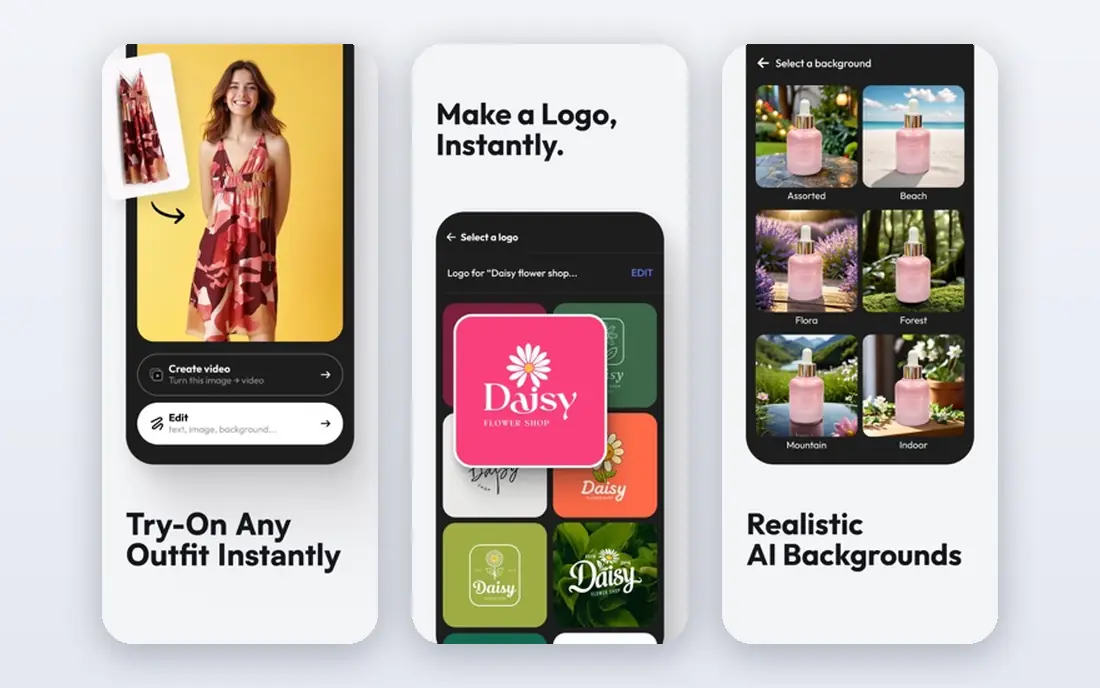
Blend focuses on the front of the mortgage process: application, document collection, disclosures, and borrower communication, with automation that moves a file toward underwriting with fewer manual touches. Borrowers can upload documents, connect accounts, and e-sign, while loan teams see status, missing items, and conditions in one place. Blend also integrates with major loan origination systems, so data does not have to be retyped at each step.
Blend is not itself an agency underwriting engine, so lenders still run DU or LPA and apply their own rules. Its value is in speed and completeness: cleaner files reach underwriters faster, and automated follow-up reduces the back-and-forth that delays closings. Pricing is custom and implementation takes care, especially for compliance workflows, but for lenders modernizing borrower experience, Blend is a leading option.
- Digital application and document collection
- Integrations with loan systems
- Automation for follow-up
- Pricing is custom
- Implementation needs planning for data and compliance
nCino provides a cloud platform for banks, credit unions, and mortgage lenders that covers origination, underwriting workflow, and portfolio management in one system. For mortgage teams, it brings application, document, condition, and decision tracking together, with audit trails that examiners and investors expect. Because it is built on Salesforce, teams already using that platform can share data and workflows across commercial, consumer, and mortgage lines.
The trade-off is scale. nCino is an enterprise platform with custom pricing and a serious implementation effort, so a small broker shop may find a lighter loan system a better fit. For a bank that wants one platform across lending lines, with consistent controls and reporting, nCino offers depth that point tools cannot match, and its mortgage features continue to grow through acquisitions and partnerships.
- Broad bank and mortgage workflows
- Salesforce-based platform
- Strong compliance and audit trails
- Enterprise pricing and implementation
- Smaller lenders may find it heavy
ICE Encompass, formerly Ellie Mae Encompass, is one of the most widely used loan origination systems in the United States, covering application through closing, funding, and delivery. Underwriting teams use it to manage conditions, run agency interfaces, apply lender rules, and track every change to a file. Its large network of investors, vendors, and service providers means most partners already know how to connect to it.
Encompass is powerful but heavy. Licensing, implementation, and administration costs are enterprise-level, and teams need trained administrators to keep workflows, rules, and compliance checks current. For a lender that already runs Encompass, adding automated underwriting discipline inside it is usually more practical than replacing it. For a new lender, the decision should weigh its ecosystem against its cost and complexity.
- End-to-end loan origination
- Wide investor and vendor integrations
- Mature compliance tools
- Complex and costly
- Customization needs skilled administrators
Zest AI helps lenders and credit unions build and use machine learning models for credit underwriting, with tools for testing fairness, monitoring performance, and explaining decisions. The idea is to use more data signals than a traditional score alone, while still meeting fair lending and model risk rules. Lenders can test a model against protected class outcomes, document its reasoning, and watch for drift after deployment.
Zest AI is a model platform, not a full underwriting system, so it must feed decisions into a loan origination workflow and sit inside a lender's compliance program. Teams without clean data, model governance, or legal review should not deploy AI underwriting casually. For institutions that have that governance in place, Zest AI offers a credible way to expand access while keeping model risk under control.
- Machine learning credit models
- Fair lending testing tools
- Model monitoring and explainability
- Requires strong data and governance
- Not a loan origination system
Ocrolus automates one of the slowest parts of underwriting: reading bank statements, pay stubs, tax forms, and other documents and turning them into structured data. Its system classifies documents, extracts figures, and flags inconsistencies, with human review for unclear items. That structured data can then feed underwriting rules, income calculations, and condition checks, instead of sitting in a scanned PDF that an underwriter must retype.
The limits are practical. Poor scans, unusual formats, and missing pages still slow the process, and Ocrolus must integrate cleanly with the lender's origination system to save real time. Pricing is custom, based on volume. For lenders with high document volume, however, Ocrolus can cut turn times and reduce data entry errors, which are two of the most common sources of underwriting delays and buyback risk.
- Automated document classification and data capture
- Fraud checks
- Human review for edge cases
- Pricing is custom
- Accuracy depends on document quality
Roostify provides a digital lending platform that guides borrowers through application, document upload, and condition clearing, with a loan officer view that tracks progress in real time. Its strength is borrower experience: clear steps, mobile-friendly uploads, and automated reminders reduce abandoned applications and missing documents. Integrations with major loan systems let Roostify sit in front of an existing origination platform rather than replacing it.
Roostify does not replace agency underwriting or a full loan system, and its partner ecosystem is smaller than ICE Encompass. Lenders should confirm integrations with their specific loan system and investors before buying. For a lender whose main problem is application completion and document collection, Roostify is a focused and practical choice.
- Guided digital application
- Document and condition tracking
- Integrations with loan systems
- Smaller ecosystem than Encompass
- Pricing requires a quote
How we picked these
We compared official product pages, agency guidance, and public documentation for systems that perform or support automated underwriting decisions in lending in 2026. We included agency systems, loan origination platforms, and specialist AI and document tools, because no single category covers the whole process. We left out general workflow tools without lending-specific underwriting features, and tools without a current, working product.
What to check before you buy
Start by mapping your loan types. Conforming loans need DU or LPA, government loans need their own systems, and portfolio or non-qualifying loans need lender rule engines that agency systems do not provide. A platform that excels at conforming files may struggle with portfolio guidelines, so test it on your actual loan mix, not only on a clean sample file.
Fair lending, audit, and data quality
Ask how every automated decision is logged, explained, and reviewed, and how the system handles overrides and exceptions. Regulators and investors expect a record of which rule or model produced a decision, and AI models need fairness testing and monitoring. Also check data quality: automated underwriting is only as good as the credit, income, and asset data fed into it, so document automation and verification tools deserve as much attention as the decision engine.
Implementation and total cost
Price a full year, including implementation, integrations, per-file or per-user fees, and support, since headline license costs hide much of the total. Ask about implementation time, training for underwriters, and how rule changes are tested before they go live. A system that is hard to update will either slow product changes or tempt teams to work around it, which defeats the purpose of automation.
FAQ
What is the best automated underwriting software?
It depends on loan type. For conforming loans, Fannie Mae Desktop Underwriter and Freddie Mac Loan Product Advisor are the standard agency systems. For workflow and lender rules, Blend, nCino, and ICE Encompass lead, while Zest AI and Ocrolus add AI models and document automation.
What are the best automated underwriting software platforms for small lenders?
Small lenders often start with their loan origination system plus DU or LPA, and add a digital application tool such as Blend or Roostify. That combination covers most needs without the cost of a full enterprise platform, and specialist tools can be added as volume grows.
Does automated underwriting replace human underwriters?
No. Automated systems handle standard files and flag exceptions, while human underwriters review referred files, complex income, unusual collateral, and policy exceptions. The best setups use automation to clear routine work so underwriters can focus on judgment calls.
How does automated underwriting affect fair lending?
Automated models and rules must be tested for disparate impact, monitored for drift, and documented for regulators. Lenders should ask vendors for fairness testing, explainability, and audit logs, and should not deploy a model without legal and compliance review. This article is general information, not legal or financial advice.
What data does automated underwriting need?
It needs accurate credit reports, income and asset verification, property data, and loan terms, all tied to the same file. Missing or inconsistent data is a leading cause of referrals and conditions, so document collection and verification tools are part of a complete underwriting setup.