Best Apps to Lose Weight in 2026: 9 Apps Compared
Looking for the best apps to lose weight? We compare 9 apps for food tracking, coaching, habits, meal plans and support to help you choose in 2026 today.
- Editor's choice
 MyFitnessPal
Large food database
Starts atFreeVisit myfitnesspal.comFull review - Great alternative
 Noom
Psychology-based coaching
Starts at$70 per monthVisit noom.comFull review - Also consider
 Lose It
Simple calorie tracking
Starts atFreeVisit loseit.comFull review
TL;DR:
- MyFitnessPal and Lose It are the best starting points for simple calorie and food tracking.
- Noom suits people who want daily lessons and structure around habits, not just a food diary.
- Cronometer is best for detailed nutrition, including vitamins and minerals, while Lifesum and Yazio suit simpler daily plans.
- WeightWatchers adds group support and a points system for people who like community accountability.
- No app replaces medical advice, and results depend on consistency, sleep, activity and overall health.
Quick comparison
| Tool | Best for | Starts at | Free plan? | |
|---|---|---|---|---|
| MyFitnessPal | Large food database | Free | Yes | Visit |
| Noom | Psychology-based coaching | $70 per month | No | Visit |
| Lose It | Simple calorie tracking | Free | Yes | Visit |
 WeightWatchers | Points and community support | See website | No | Visit |
 Cronometer | Detailed nutrition tracking | Free | Yes | Visit |
 Lifesum | Guided meal plans | Free | Yes | Visit |
 Yazio | Fast food and fasting tracking | Free | Yes | Visit |
 MyNetDiary | Diabetes-friendly tracking | Free | Yes | Visit |
 Healthi | Budget-friendly points plans | Free | Yes | Visit |
The best apps to lose weight
Weight loss apps work in different ways. Some focus on counting calories, others on habits, coaching or community. The best app is the one you will actually open each day, so weigh ease of logging against the structure you need.
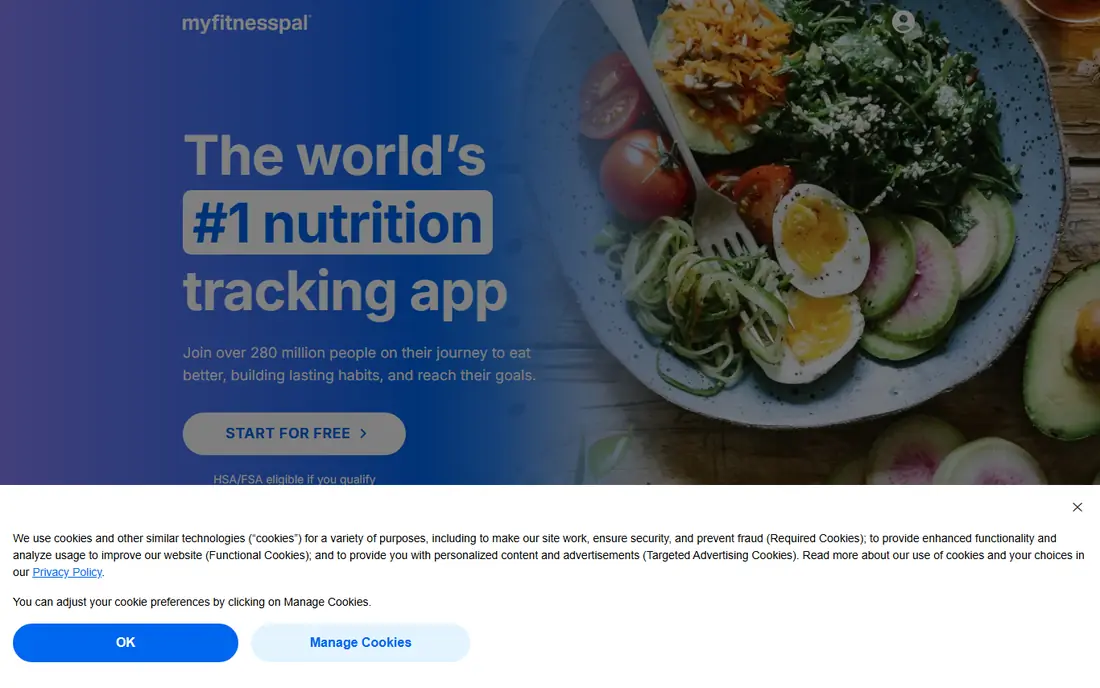
MyFitnessPal is the most widely known food diary, and its strength is speed. Search for a food, pick a portion, and the entry is done in seconds, with a huge database covering packaged foods, restaurant items and common recipes. Premium adds barcode scanning, meal scanning, voice logging, custom macro goals and meal plans, with monthly pricing around $19.99 and annual pricing around $79.99.
The free version still covers basic food search and logging, which is enough for many beginners. The honest catch is that Premium now holds features that were once free, so test the free tier for a week before paying. If you want the largest database and broad device links, MyFitnessPal remains a safe first try.
- Very large food database
- Barcode scanning on Premium
- Links to many fitness apps and wearables
- Barcode scanning and some tools are Premium only
- Free version includes ads
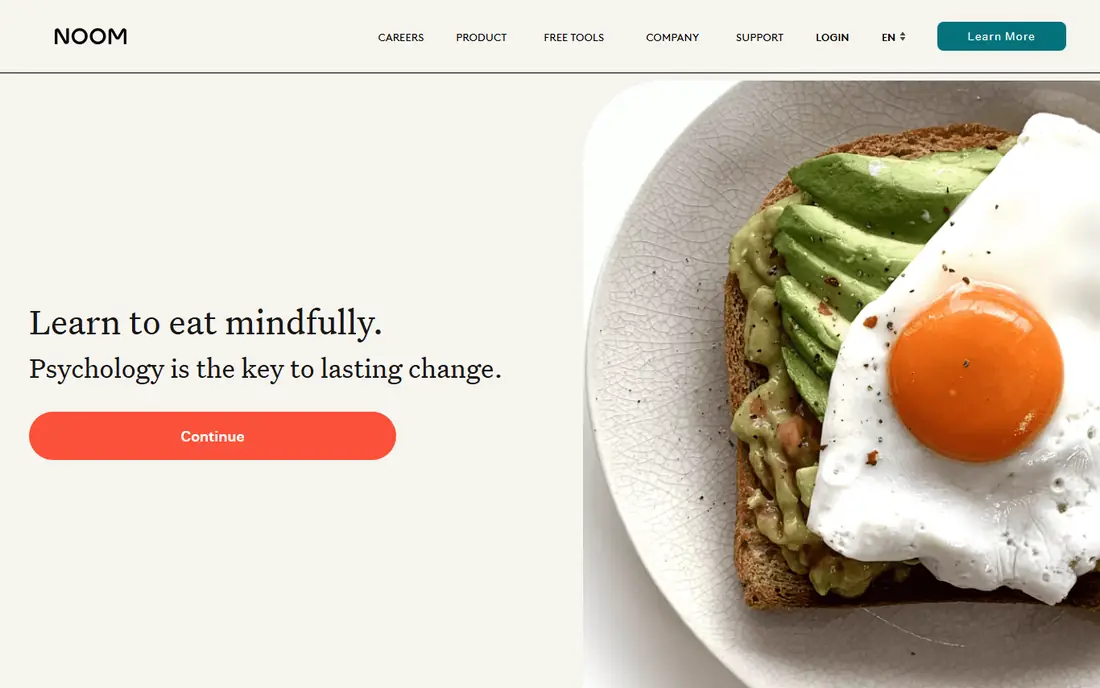
Noom is a structured program rather than a simple diary. Each day brings short lessons on habits, triggers, portion awareness and mindset, alongside food logging that groups foods by caloric density. The base subscription is priced by commitment length, with one month around $70 and a full year around $209 paid up front.
That structure helps people who know what to eat but struggle to stay consistent. It also demands more daily time than a quick tracker, and coaching add-ons can add cost beyond the base plan. If lessons and accountability appeal to you more than raw calorie math, Noom is worth the trial period.
- Daily lessons on habits and psychology
- Food logging with colour categories
- Coach and group support on many plans
- Higher price than a simple tracker
- One-on-one coaching may cost extra
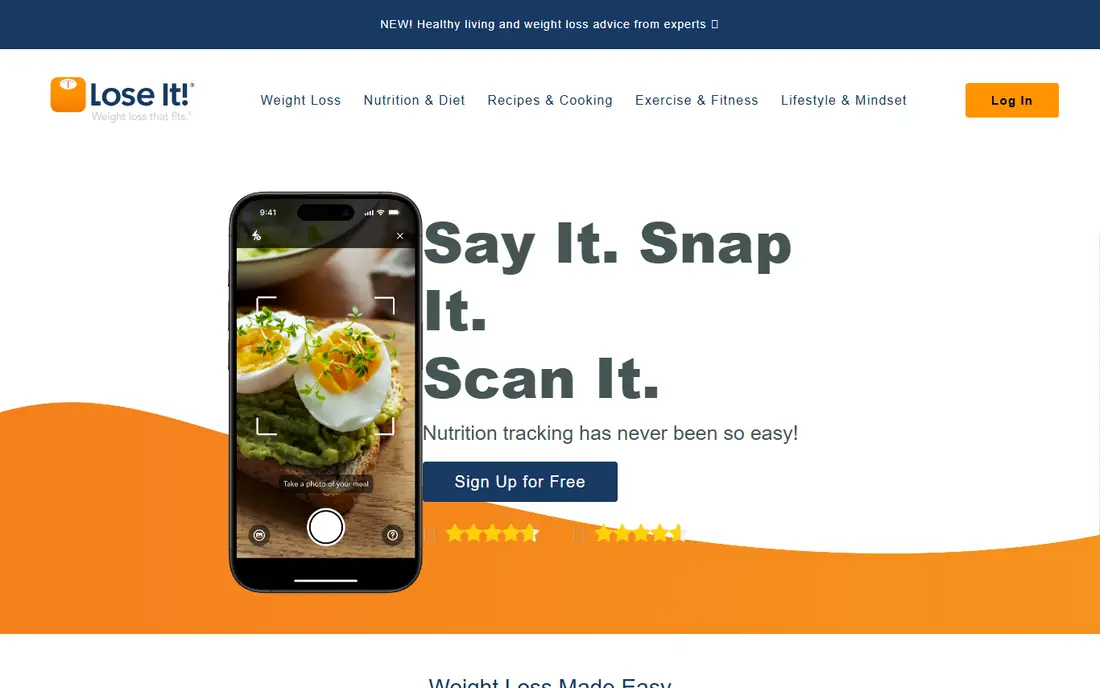
Lose It keeps food tracking light. You set a goal, get a daily calorie budget, log meals and weight, and watch progress over time. The interface is less crowded than larger rivals, which helps people who quit apps because logging feels like work. Premium adds photo logging, meal planning, device sync extras and more detailed goals.
For many readers, the free tier is enough to start, with ads on Android and a simple plan to follow. The catch is depth. If you want detailed vitamin, mineral or recipe analysis, a nutrition-focused app will serve you better. If you want a calm daily diary, Lose It is a strong pick.
- Clean and simple logging
- Personal calorie budget and weight loss plan
- Photo logging on Premium
- Nutrition detail is more basic than Cronometer
- Some features need Premium
WeightWatchers, often called WW, replaces calorie counting with a points system that steers members toward foods higher in protein and fibre and lower in added sugar and saturated fat. Members log foods, track weight and activity, browse recipes and join workshops or online groups for support. That community layer is the real draw for people who do better with other people around them.
Pricing varies by plan and promotion, so check the current offer on the vendor site before joining. The points approach is simpler for some and confusing for others at first, especially if you are used to calories. If accountability and group support matter most, WW deserves a close look.
- Points system simplifies choices
- Workshops and community support
- Large recipe library
- Subscription only
- Points system takes time to learn
Cronometer is the nutrition nerd pick. It tracks calories and macros plus a long list of vitamins, minerals and amino acids, with a verified food database that reduces duplicate or wrong entries. The free tier includes barcode scanning, custom macro targets and device sync, with ads, while Gold adds photo and voice logging and more analysis.
That detail can feel heavy if you only want a quick calorie count. For people managing a medical condition with a clinician, training seriously, or curious about nutrient gaps, the extra data is genuinely useful. Talk to a clinician before changing your diet based on any app output, and use Cronometer as a record, not a diagnosis.
- Tracks up to 84 nutrients
- Barcode scanner on free tier
- Strong privacy approach
- Interface is more detailed and less playful
- Photo and voice logging need Gold
Lifesum pairs food logging with guided plans, recipes and a daily score that reflects your choices. It suits readers who want suggestions, not just a blank diary. Pick a goal, follow a plan, log meals with barcode or search, and track water, exercise and weight in one place.
Pricing is promotional and can vary, so the annual figure on the site at sign-up matters more than any single number in a review. The food database is solid but not as vast as MyFitnessPal, which can mean more manual entries for niche products. If you like a guided, visual app, Lifesum is a pleasant daily companion.
- Guided plans for weight loss and healthy eating
- Recipe ideas
- Simple daily score
- Annual price varies with promotions
- Database is smaller than MyFitnessPal
Yazio is a popular European food tracker that has grown in the US, with a clean diary, barcode scanning, fasting timer and activity tracking. Pro adds recipes, meal plans, detailed nutrition analysis and more fasting options. Annual Pro pricing is often promoted at a lower rate than the monthly rate, so check the current offer.
Fasting features need care. Time-restricted eating does not suit everyone, including people who are pregnant, have diabetes, have a history of disordered eating, or take medicines affected by food timing. If you use fasting tools, discuss the plan with a clinician first and stop if you feel unwell.
- Fast food logging and barcode scanning
- Fasting tracker
- Calorie and macro goals
- Some recipes and plans need Pro
- Fasting is not right for everyone
MyNetDiary is a long-running tracker with a verified food database, detailed carb and diabetes tools, and target setting for calories, macros and nutrients. Premium adds meal planning, coaching, detailed reports and more analysis. It is a practical choice for people who need carb counts they can trust and a diary that works day after day.
The design is functional rather than flashy, which some readers will like and others will find plain. If you value accuracy and diabetes-friendly tools over gamified design, MyNetDiary is a steady option that has been maintained for many years.
- Strong diabetes and carb tracking
- Large verified database
- Coaching and meal planning on Premium
- Design feels dated next to newer apps
- Some features need Premium
Healthi offers points-based weight loss plans, including options inspired by earlier WW-style approaches, with food tracking, weight tracking and community groups. The free tier covers core tracking, while paid plans add more guides, recipes and tools. That low entry cost makes it easy to test a points system without a large subscription.
The trade-off is scale. Healthi has a smaller community and fewer in-person options than WeightWatchers, and some content sits behind a paywall. For readers who want a points plan on a budget and like online groups, it is a sensible low-risk start.
- Free points-based plans
- Community groups
- Simple tracking for weight loss
- Smaller brand than WW
- Some plans and features need a paid upgrade
How we picked these
We compared official pricing pages, app store listings, feature pages and public reviews in October 2026. We favoured apps that are still maintained, offer a free tier or trial, state their price plainly, and support consistent food, weight and activity logging. We did not claim hands-on testing. Our judgement rests on vendor pages and public information, and we included a mix of calorie trackers, points systems and coaching programs rather than only one style.
How to choose a weight loss app that you will keep using
The best plan on paper fails if logging feels like a chore after two weeks.
Match the method to your habits
If you like numbers, pick a calorie or nutrition tracker such as MyFitnessPal, Lose It or Cronometer. If you like structure and lessons, try Noom. If you like a simpler points guide and community, try WeightWatchers or Healthi. There is no single right method, only the one you will follow.
Test logging speed first
Log three normal days before paying. Check barcode scanning, restaurant foods, recipe entry and portion sizes for the foods you actually eat. An app that makes your breakfast easy to log will beat a feature-rich app that slows you down every morning.
A short health note
This article is general information, not medical advice. Weight loss apps can help with tracking, but they do not diagnose or treat health conditions. If you have diabetes, heart disease, an eating disorder history, are pregnant, or take medicines affected by food or weight, talk to a clinician before starting a new diet, fasting plan or exercise program.
FAQ
What is the best app to lose weight for beginners?
Lose It and MyFitnessPal are the easiest starting points for beginners, because food logging is fast and the free tiers cover the basics. Noom suits beginners who want daily lessons and structure, while Cronometer suits those who want detailed nutrition data.
Are free weight loss apps good enough?
Yes, for many people. Free tiers of MyFitnessPal, Lose It, Cronometer, Lifesum, Yazio, MyNetDiary and Healthi cover food logging, weight tracking and basic goals. Paid plans add barcode scanning in some apps, meal plans, photo logging and deeper analysis, so pay only if you use those extras.
How much do weight loss apps cost?
Prices vary widely. Simple trackers often start free, with Premium annual plans in the range of many competitors, while structured programs such as Noom cost more per month. Always check the current price on the vendor site, since promotions and annual billing change the monthly equivalent.
Can a weight loss app help without exercise?
An app can help you track food and weight even without a formal exercise plan, and daily movement still supports health. Many apps also track steps and activity, but weight change depends on overall eating, activity, sleep and health factors, not on one feature alone.
Is Noom better than MyFitnessPal?
It depends on what you need. MyFitnessPal is better for flexible, fast food tracking with a huge database. Noom is better for structured lessons, habit coaching and accountability. If you only want a diary, MyFitnessPal is cheaper and simpler. If you want a program, Noom may justify its higher price.