Best Apps to Learn Italian in 2026: 8 Apps Compared
Compare the best apps to learn Italian in 2026, including Duolingo, Babbel, Rosetta Stone, Pimsleur, and Busuu, with prices, free tiers, and travel tips.

- Editor's choice
 Duolingo
Free daily habit building
Starts atFreeVisit duolingo.comFull review - Great alternative
 Babbel
Structured grammar and dialogue
Starts at$17.95 per monthVisit babbel.comFull review - Also consider
 Rosetta Stone
Immersion-style learning
Starts at$19.99 per monthVisit rosettastone.comFull review
TL;DR:
- Duolingo is our pick for most beginners, because its free tier covers full Italian courses and builds a daily habit.
- Babbel is the best structured pick, with grammar explanations and dialogue-led lessons that suit serious learners.
- Pimsleur is the best audio pick for commuters and travelers who want to speak Italian before they read it.
- Busuu adds native-speaker feedback to structured lessons, while Rosetta Stone suits learners who prefer immersion without translation.
Quick comparison
| Tool | Best for | Starts at | Free plan? | |
|---|---|---|---|---|
| Duolingo | Free daily habit building | Free | Yes | Visit |
| Babbel | Structured grammar and dialogue | $17.95 per month | Free trial | Visit |
| Rosetta Stone | Immersion-style learning | $19.99 per month | Free trial | Visit |
 Pimsleur | Audio-first speaking | $20.95 per month | Free trial | Visit |
 Busuu | Native-speaker feedback | Free | Yes | Visit |
 Memrise | Vocabulary and native video | Free | Yes | Visit |
 Mondly | Short daily lessons | See website | Free trial | Visit |
 LingQ | Reading and listening input | See website | Yes | Visit |
The best apps to learn Italian
Italian rewards regular, short practice more than occasional long study sessions. The apps below cover different styles, from game-like daily lessons to audio courses and reading, so pick by how you learn and how much time you have each day.
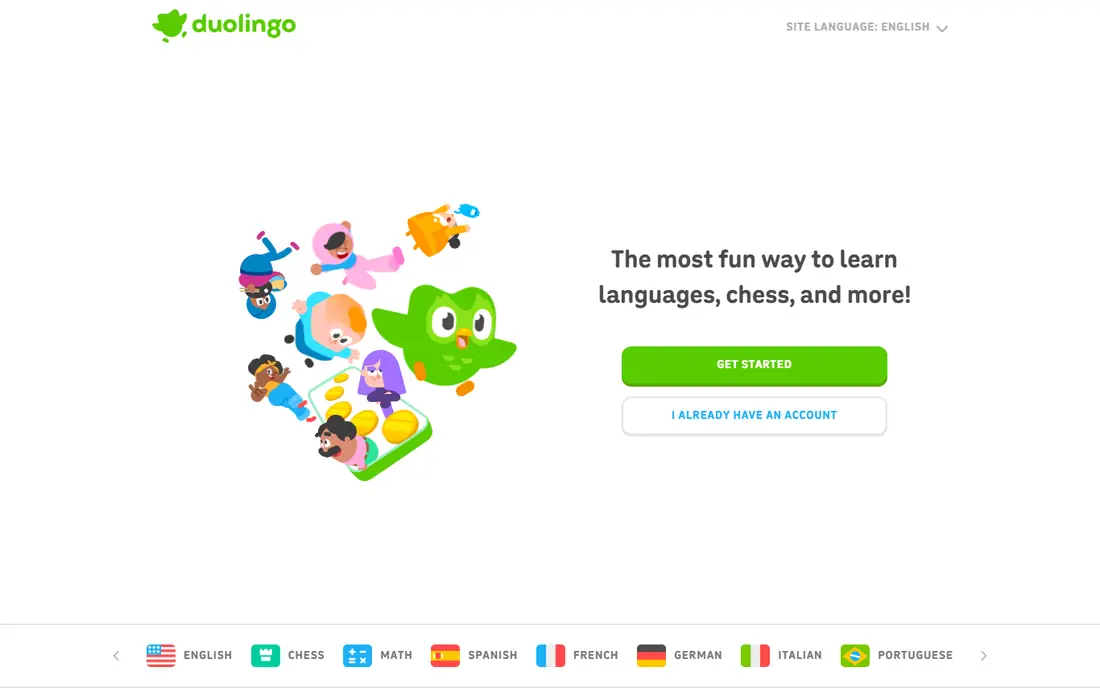
Duolingo is the best app to learn Italian for free, and the best starting point for most beginners. The Italian course covers vocabulary, sentences, listening, and speaking in short lessons, and its streak system helps learners practice every day. Super is listed at $13.99 per month in recent summaries, or $95.99 per year, and removes ads and limits.
Duolingo will not take you to fluency alone. Grammar is taught mainly through patterns, and explanations can feel light when you hit verb conjugations or prepositions. Use it as a daily habit builder, then add Babbel for grammar or Pimsleur for speaking when you are ready to go deeper.
- Full Italian course free with ads
- Streaks and gamification keep learners going
- Speaking and listening practice included
- Grammar explanations are thin
- Free tier has ads and energy limits
- Advanced conversation needs another tool
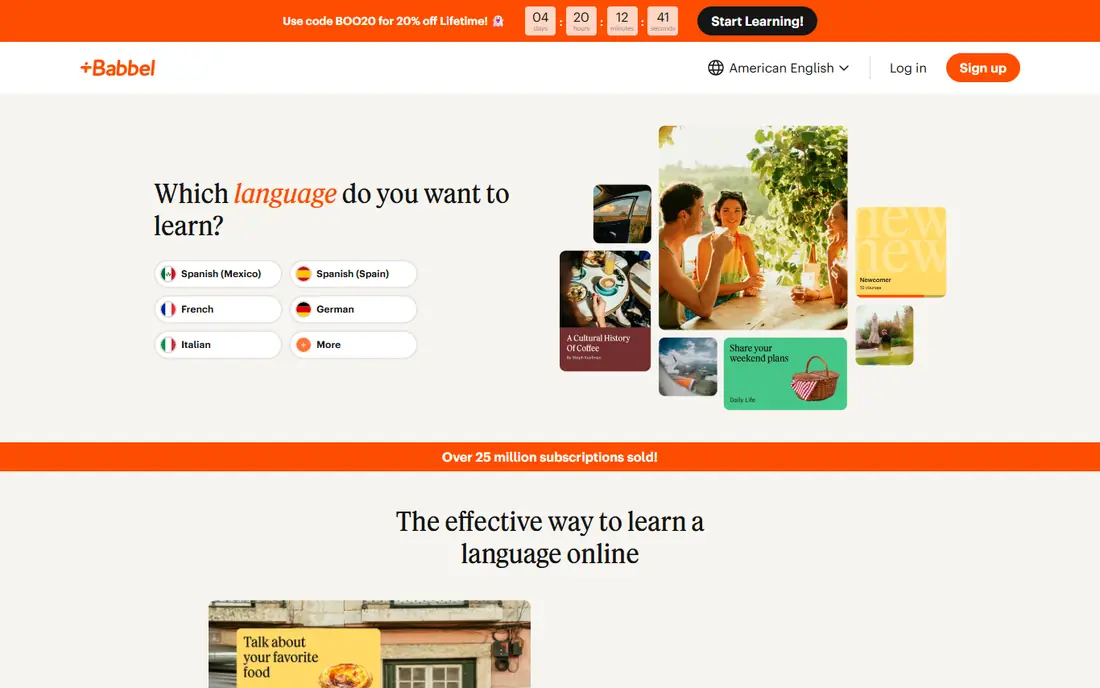
Babbel is our pick for learners who want to understand Italian, not just repeat phrases. Lessons are built around dialogues for travel, work, and daily life, with grammar explained as you go, including verb forms and sentence structure. Recent summaries list $17.95 per month for monthly billing, with $8.95 per month on a 12-month plan, and a lifetime option.
Babbel suits adult learners who like a clear path and explanations. It is less game-like than Duolingo, so you need your own routine to stay consistent. For a trip, focus on its travel and conversation units first, then work through grammar in order for longer-term progress.
- Clear grammar explanations
- Dialogue-led lessons for real situations
- Structured path from beginner to intermediate
- Monthly price is higher than annual equivalent
- Fewer languages than Duolingo
- Less gamification for habit building
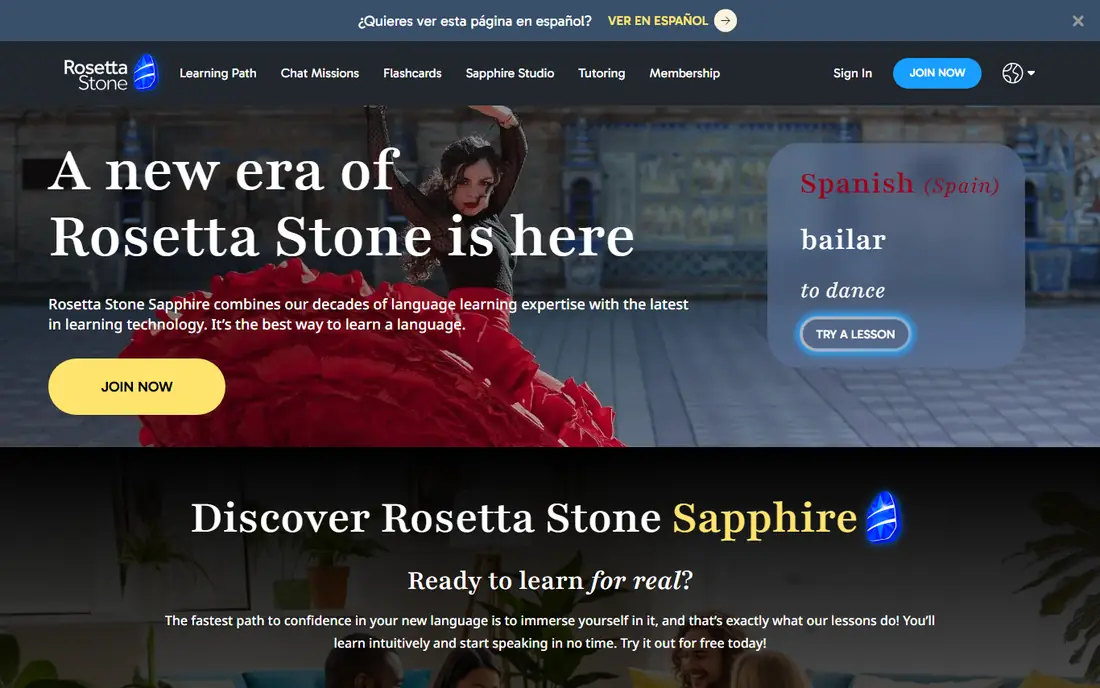
Rosetta Stone teaches Italian through images, audio, and context, without translating into English. That immersion approach helps learners think in Italian earlier, and its TruAccent speech tool gives feedback on pronunciation. Recent summaries list $19.99 per month, or $159 per year, with lifetime options on sale.
The method is not for everyone. Some learners find guessing from images slow, especially for abstract grammar, and progress can feel slower than Babbel for the same study time. Rosetta Stone suits learners who prefer immersion and pronunciation practice, and who are patient with a slower, more visual path.
- Immersion without translation
- TruAccent pronunciation feedback
- Structured lessons across levels
- Grammar progression can feel slow
- Image-based method can frustrate some learners
- Monthly price is high
Pimsleur is the best app to learn Italian fast for speaking, especially before a trip. Each 30-minute audio lesson asks you to listen, repeat, and answer in Italian, with spaced repetition that brings back words just as you are about to forget them. Recent summaries list All Access at $20.95 per month, with a seven-day free trial.
Pimsleur is light on reading, writing, and grammar detail, so pair it with Duolingo or Babbel for those skills. For commuters, drivers, and travelers who want to order food, ask directions, and hold a basic conversation, Pimsleur is the most direct route to speaking confidence.
- 30-minute audio lessons ideal for commutes
- Strong spaced repetition for speaking
- Builds confidence fast
- Light on reading and writing
- All Access price is higher
- Needs regular listening to work well
Busuu combines structured lessons with a community that makes it stand out. You complete lessons at CEFR levels from A1 upward, then submit speaking or writing exercises for correction by native Italian speakers. That feedback catches mistakes that an app alone would miss, especially in word choice and natural phrasing.
Busuu offers a free tier, with Premium listed at $12.49 per month on web in some summaries, though pricing is shown in-app in others, so check the current price before you pay. It suits learners who want structure plus human feedback, and who are willing to correct other learners in return.
- Structured CEFR-level lessons
- Native speakers correct your writing and speaking
- Free tier for core lessons
- Public pricing varies by channel
- Smaller language list than Duolingo
- Community feedback speed varies
Memrise is the best vocabulary pick on this list. It uses spaced repetition and short video clips of native speakers to teach words in context, which helps you recognize Italian as it is actually spoken, not just as it appears in a textbook. Core courses are free, with paid plans adding more content and offline features.
Memrise is not a full course. Grammar explanations are thinner than Babbel, and you will need another app for conversation and writing. Use it as a daily vocabulary supplement next to Duolingo or Babbel, especially in the weeks before a trip when you need travel words fast.
- Strong vocabulary building
- Native-speaker video clips
- Free core courses
- Spaced repetition for recall
- Less structured grammar path than Babbel
- Paid features vary
- Conversation practice is limited
Mondly suits learners who want a quick daily lesson without a long study session. Lessons cover everyday topics, with speaking practice, a chatbot for conversation, and vocabulary tools that use augmented reality for objects around you. That variety keeps daily practice fresh, especially for beginners.
Mondly is less deep on grammar than Babbel, and its pricing should be checked in-app, since promotions change the effective monthly rate. It works well as a second app for daily variety, or as a main app for casual learners who want Italian for travel and everyday use.
- Short daily lessons
- Chatbot conversation practice
- Augmented reality features for vocabulary
- Clear progress tracking
- Pricing varies by plan and promotion
- Grammar depth is lighter than Babbel
- Some features need a paid plan
LingQ is for learners who already know some Italian and want to learn from real content. You read articles, stories, and transcripts, listen to the audio, and save unknown words for review. That input-heavy method builds vocabulary and listening fast, once you have enough basics to follow a text with help.
LingQ is not the best first app for a complete beginner, since it assumes you can handle real Italian with support. Start with Duolingo or Babbel, then move to LingQ when you can read short texts and want to learn from content you actually enjoy, such as news, stories, or travel writing.
- Learn from real Italian texts and audio
- Click any word to save and review it
- Large library of Italian content
- Interface takes time to learn
- Less structured than Babbel for beginners
- Best after basic Italian is in place
How we picked these
We compared official app pages, pricing pages, and recent pricing summaries for apps with a full Italian course available to US learners in October 2026. We favored apps with a clear Italian path, current availability, and a free tier or trial, and we left out apps that only teach Italian as a side language with a thin course. Where pricing varies by billing period or channel, we note the basis in the write-up.
How to learn Italian fast for travel
Focus on the 200 words and phrases you will actually use: greetings, ordering, directions, numbers, and polite requests. Practice speaking out loud every day, even for five minutes, because reading alone will not prepare you to talk in a restaurant or station. Learn present-tense verbs first, then add past and future forms as you need them.
Build a daily routine that sticks
Pair a habit app such as Duolingo with a speaking app such as Pimsleur, and add ten minutes of listening to Italian audio or video each day. A short daily routine beats a long weekend session, because spaced repetition needs regular contact with the language. Set a trip goal, such as ordering a full meal in Italian, and practice that exact scenario before you travel.
FAQ
What is the best app to learn Italian?
Duolingo is the best free starting point, Babbel is the best structured course, and Pimsleur is the best for speaking before a trip. The best app depends on your goal: choose Duolingo for a daily habit, Babbel for grammar and depth, and Pimsleur for conversation confidence.
What is the best app to learn Italian fast?
Pimsleur is the fastest route to speaking, thanks to daily 30-minute audio lessons focused on conversation. For travel, pair Pimsleur with Memrise for vocabulary and Duolingo for daily practice. A focused two-week routine with those three will cover most travel situations better than one app alone.
What is the best app to learn Italian for travel?
Pimsleur and Babbel are the best travel picks, because both focus on real situations such as ordering, directions, and shopping. Duolingo is a good free backup for daily vocabulary, while Memrise helps with travel words and native pronunciation. Practice the exact phrases you will need, out loud, before you leave.
Is there a best free Italian language app?
Yes, Duolingo offers a full Italian course free with ads, and Busuu and Memrise offer free core lessons. Free tiers cover beginners well, though ads, limits, or paid features may apply for advanced content. Start free, then pay only for the app you actually use every day.
What is the best platform to learn Italian?
Babbel is the best platform for a structured, grammar-led path, while Duolingo is the best free platform for daily practice. Pimsleur is the best audio platform, and LingQ is the best platform for reading and listening once you have basics. Most successful learners use two platforms: one for structure, one for speaking or input.