Best Apps for Contractor Leads in 2026: 8 Apps Compared
best app for contractor leads: we compare 8 lead platforms for shared and exclusive leads, lead costs, close rates and tools that help you win more jobs.
- Editor's choice
 Google Local Services Ads
Licensed trades and exclusive leads
Starts atSee websiteVisit ads.google.comFull review - Great alternative
 Thumbtack
Volume across many trades
Starts atSee websiteVisit thumbtack.comFull review - Also consider
 Angi Leads
Home improvement volume
Starts atSee websiteVisit angi.comFull review
TL;DR:
- Exclusive leads usually cost more per lead but close at higher rates, so cost per booked job matters more than cost per lead.
- Google Local Services Ads lead on close rate for licensed trades, while Thumbtack and Angi suit contractors who need volume quickly.
- Shared leads reward speed, so a fast callback system is as important as the platform you choose.
- Lead costs vary by trade, market and season, so treat published ranges as planning figures, not guarantees.
- Track every lead source separately, or you will keep paying for platforms that look busy but book few jobs.
Quick comparison
| Tool | Best for | Starts at | Free plan? | |
|---|---|---|---|---|
| Google Local Services Ads | Licensed trades and exclusive leads | See website | No | Visit |
| Thumbtack | Volume across many trades | See website | No | Visit |
| Angi Leads | Home improvement volume | See website | No | Visit |
 Bark | Service requests across trades | See website | No | Visit |
 Yelp for Business | Local search visibility and leads | See website | No | Visit |
 Houzz Pro | Remodel and design leads | See website | Free trial | Visit |
 Porch | Home project leads | See website | No | Visit |
 CraftJack | Contractor leads by trade | See website | No | Visit |
The best apps for contractor leads
We compared lead models, pricing structures and contractor feedback from public benchmarks and official platform information. Lead prices change by market, so focus on the model and the close rate, not just the lowest headline price.
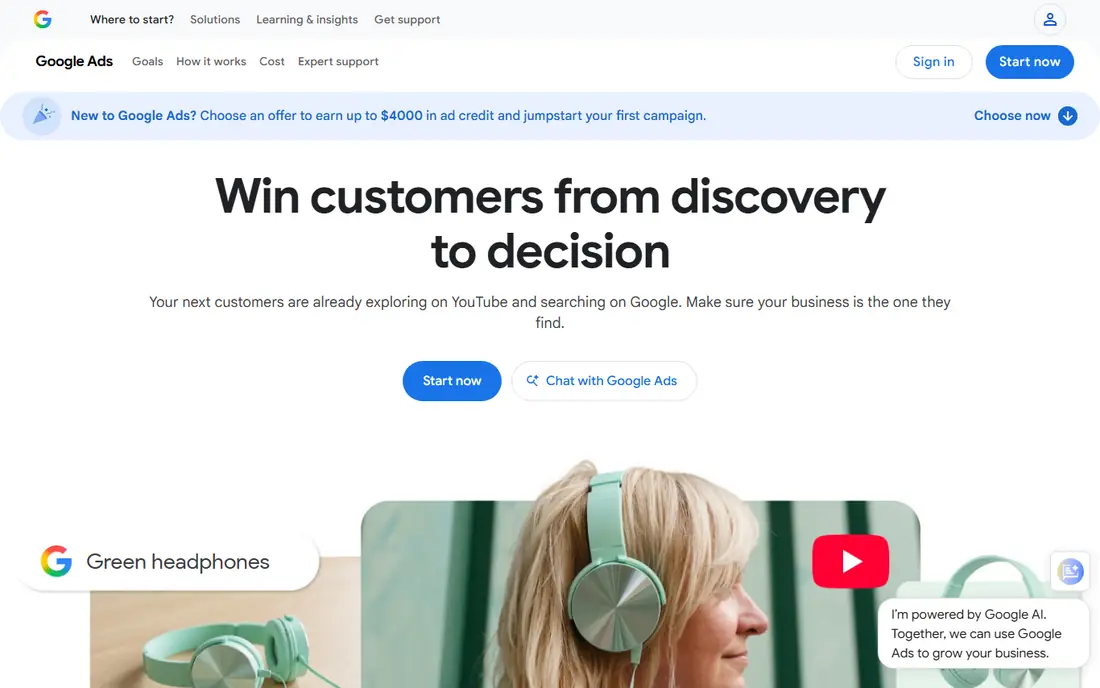
Google Local Services Ads, often called LSA, is our pick for licensed contractors who want the best cost per booked job. Leads go to one business, not to several competitors at once, and the Google Guaranteed badge appears in search results for eligible businesses. You pay when a customer contacts you through the ad, rather than paying for every click.
The barrier is verification. LSA requires licence checks, insurance and background screening for eligible trades, which takes time to complete. Lead prices also vary by trade and city, and not every trade is eligible in every market. For contractors who clear verification, LSA is often the first channel to test, because exclusive leads close at higher rates than shared leads.
- Leads are exclusive to your business
- Google Guaranteed badge builds trust
- Pay per lead rather than per click
- Needs licence verification and background checks
- Lead prices vary by market
- Setup and dispute process takes time
Thumbtack suits contractors who need a steady flow of requests and can respond fast. Homeowners describe a project, and matched pros can send quotes and messages through the app. The range of trades is broad, from handyman work to cleaning, moving and home improvement, which helps multi-trade businesses fill gaps in the schedule.
The shared model is the catch. Several pros can pay for the same customer, so speed and a clear first message matter. Lead prices in competitive markets can also climb quickly, especially for HVAC, plumbing and electrical work. Thumbtack works best when you track cost per booked job weekly and pause services or markets that do not convert.
- Large homeowner demand across many trades
- No monthly subscription required in the basic model
- App for fast lead response
- Leads are shared with other pros
- Lead prices vary by service and market
- You pay when a customer contacts you, even if you do not win the job
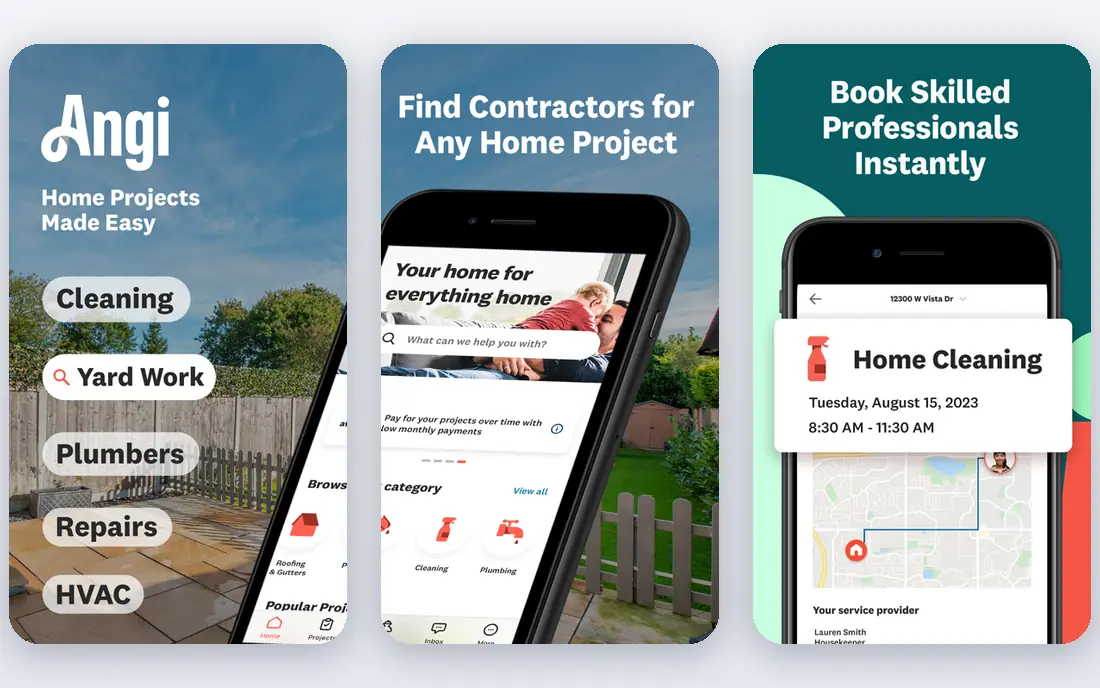
Angi Leads, which now includes the former HomeAdvisor lead business, offers volume for home improvement contractors. Homeowners trust the Angi name, and the platform provides profiles, reviews and project tools that help a new business look established. For remodel, repair and larger home projects, Angi can fill a pipeline quickly.
The cost structure needs careful tracking. Membership fees sit on top of per-lead charges, and shared leads mean you compete on speed and price from the first call. Published benchmarks put Angi cost per booked job higher than LSA in many trades, so Angi is best as a volume supplement, not as the only lead source. Set a monthly cap and review booked jobs, not just leads received.
- Large home improvement audience
- Strong brand recognition with homeowners
- Tools for profiles, reviews and estimates
- Leads are typically shared with several pros
- Membership and lead costs can add up
- Close rates are lower than exclusive channels
Bark covers home services alongside many other local services, which can help contractors who also offer related work. The credit system lets pros choose which requests to pursue, rather than receiving every match automatically. That choice helps when you want to filter by location, job size or trade.
Quality is uneven, because request detail varies and some homeowners are only gathering prices. Credits spent on weak requests add up, so Bark rewards careful filtering and fast follow-up. Use Bark as a secondary channel, and set strict rules for which requests are worth credits in your market.
- Broad service categories beyond home trades
- Credit based system for choosing requests
- Profile and review tools
- Lead quality varies by category
- Credits can be spent on poor matches
- Competition is high in popular services
Yelp for Business is less a pure lead marketplace and more a local visibility platform that also generates leads. Homeowners searching for a contractor often check Yelp reviews and photos before calling, so a complete profile with recent reviews can win jobs even when the lead itself comes from search. Request-a-quote tools let homeowners contact you directly from the listing.
The limit is exclusivity and cost. Yelp leads are not exclusive, and paid advertising prices vary by market and category. Review management also takes ongoing work, because a few recent negative reviews can outweigh older positive ones. Yelp works best alongside LSA or Thumbtack, as a trust layer that helps you win leads from several sources.
- Strong local search presence
- Reviews and photos help conversion
- Request-a-quote tools for service businesses
- Paid advertising costs vary
- Leads are not exclusive
- Review management needs ongoing attention
Houzz Pro suits remodelers, designers, builders and specialty contractors whose work sells through photos. Homeowners browse portfolios, save ideas and contact pros whose past work matches their taste. That visual matching can produce higher quality leads for larger projects than a generic request form.
The niche focus is also a limit. Emergency plumbing or HVAC contractors will find less volume here than on Thumbtack or LSA, and Houzz Pro is a subscription product, not a pure pay-per-lead tool. For design-led businesses, though, Houzz Pro combines lead generation with portfolio marketing in a way the generic marketplaces do not.
- Strong audience for remodel and design projects
- Project photos and portfolios build trust
- Business tools for estimates and client communication
- Best fit is remodel and design, not emergency trades
- Subscription cost applies
- Lead volume varies by market
Porch connects homeowners planning projects with local pros, and its partner network can surface projects at moments when homeowners are already spending on a home. That timing can be useful for contractors who offer related services, such as moving, installation or repair work tied to a purchase.
As with other marketplaces, lead quality varies and many leads are shared. Porch is best used as an extra pipeline source, with clear filters for job type and location. Track close rate by category, because a category that looks busy on Porch may book poorly in your market.
- Home project requests across many categories
- Partner network with retailers and movers
- Profile and review tools
- Lead quality varies
- Shared lead model in many categories
- Volume varies by market
CraftJack focuses on contractor leads across home improvement trades, with matching by service and location. The platform offers phone leads and online requests, which suits contractors who prefer calls over form fills. Lead management tools help teams track follow-up and avoid losing a warm lead in a busy week.
The shared model and variable pricing are the main limits. Lead quality can swing by trade and season, so CraftJack needs the same discipline as Angi and Thumbtack: track cost per booked job, respond fast, and pause weak categories. For contractors in trades where CraftJack has strong coverage, it can be a useful extra source alongside LSA.
- Lead matching by trade and location
- Phone and online lead options
- Tools for lead management and follow-up
- Shared leads in many markets
- Pricing varies by trade and area
- Lead quality needs regular review
How we picked these
We compared lead models, pricing structures and public contractor benchmarks, and we favoured platforms that are active in the United States, cover home service trades, and offer a clear way to receive and respond to leads. We gave extra weight to exclusive leads and to platforms with tools for reviews, profiles and follow-up, because those tools affect close rates.
What to check before you pay for leads
Calculate cost per booked job
Cost per lead is a partial figure. Divide total lead spend by jobs booked from that source to get cost per booked job, and compare that figure across platforms. A $25 lead that books one job in four costs $100 per job, while a $60 lead that books one job in two costs $120 per job. The gap is smaller than the lead price suggests, and it can reverse with better follow-up.
Build a five-minute response system
Shared leads go to the fastest responder more often than to the cheapest quote. Set up instant notifications, a call script, and a backup responder for busy times. A short first message that confirms the job, gives a time window and asks one clear question beats a long generic pitch.
Review sources monthly and cut weak ones
Lead quality changes with season, competition and platform changes. Review each source monthly for leads received, jobs booked, revenue and gross margin. Pause or reduce sources that consistently miss your cost per booked job target, and move budget to sources that book well, even if their lead price looks higher.
FAQ
What is the best app for contractor leads?
Google Local Services Ads is often best for licensed trades because leads are exclusive and close rates are higher. Thumbtack and Angi suit contractors who need volume quickly, while Houzz Pro suits remodel and design work. The best app depends on your trade, market and follow-up speed.
How much do contractor leads cost?
Lead costs vary by trade, market and lead type, with shared leads often ranging from about $15 to $100 or more in competitive markets. Exclusive leads can cost more per lead but close more often. Always calculate cost per booked job for your own business rather than relying on a published range.
Are shared leads worth it?
They can be, when you respond fast, qualify quickly and track results. Shared leads are a poor fit when you respond slowly, because several competitors will reach the homeowner first. Test a shared platform with a capped budget and a clear close rate target before scaling spend.
Do I need a licence for Google Local Services Ads?
Licensed trades need to pass verification, which can include licence, insurance and background checks, depending on the trade and market. Unlicensed service categories may have different rules. Check the current LSA eligibility for your trade and location before applying.
How fast should I respond to a new lead?
As fast as possible, ideally within five minutes during working hours. Speed matters most for shared leads, but it also matters for exclusive leads, because homeowners often contact a second business if the first response is slow. Use instant alerts and a backup responder.
Should I use more than one lead platform?
Yes, most contractors benefit from two or three sources, because volume and quality vary by season. Pair an exclusive source such as LSA with a volume source such as Thumbtack, and add a niche source such as Houzz Pro when it fits your trade. Track each source separately so you can shift budget to winners.