Best AI Tools for Optimizing Product Visibility in 2026: 8 Tools Compared
Explore the best AI tools for optimizing product visibility in 2026, covering AI search, marketplaces, listings, and pricing, with 8 tools and prices compared.
- Editor's choice
 Profound
Enterprise AI search visibility
Starts atSee websiteVisit profound.comFull review - Great alternative
 Peec AI
Mid-market AI visibility
Starts at$95 per monthVisit peec.aiFull review - Also consider
 Otterly.AI
Budget AI visibility
Starts at$29 per monthVisit otterly.aiFull review
TL;DR:
- Product visibility now spans classic search, marketplace search, and AI answers, so one tool rarely covers all three.
- Start with the channel that drives most of your sales, whether that is Amazon, Google Shopping, or AI chat answers, and buy for that channel first.
- Listing quality still decides visibility, since AI tools can surface a product but cannot fix weak titles, images, or reviews.
- Prices in this category change fast, so confirm prompt allowances, marketplace coverage, and contract terms before you commit.
Quick comparison
| Tool | Best for | Starts at | Free plan? | |
|---|---|---|---|---|
| Profound | Enterprise AI search visibility | See website | Free trial | Visit |
| Peec AI | Mid-market AI visibility | $95 per month | Free trial | Visit |
| Otterly.AI | Budget AI visibility | $29 per month | Free trial | Visit |
 Semrush AI Visibility Toolkit | SEO teams adding AI tracking | $99 per month | Free trial | Visit |
 Helium 10 | Amazon listing visibility | $29 per month | Free trial | Visit |
 Jungle Scout | Amazon product research | $49 per month | Free trial | Visit |
 Pacvue | Marketplace advertising | See website | No | Visit |
 Surfer | Content that ranks and gets cited | $79 per month | No | Visit |
The best AI tools for optimizing product visibility
Product visibility means being found and chosen, whether a shopper searches on Google, browses Amazon, or asks an AI assistant for a recommendation. We grouped tools by the channel they serve best, so you can match the tool to where your customers actually look.
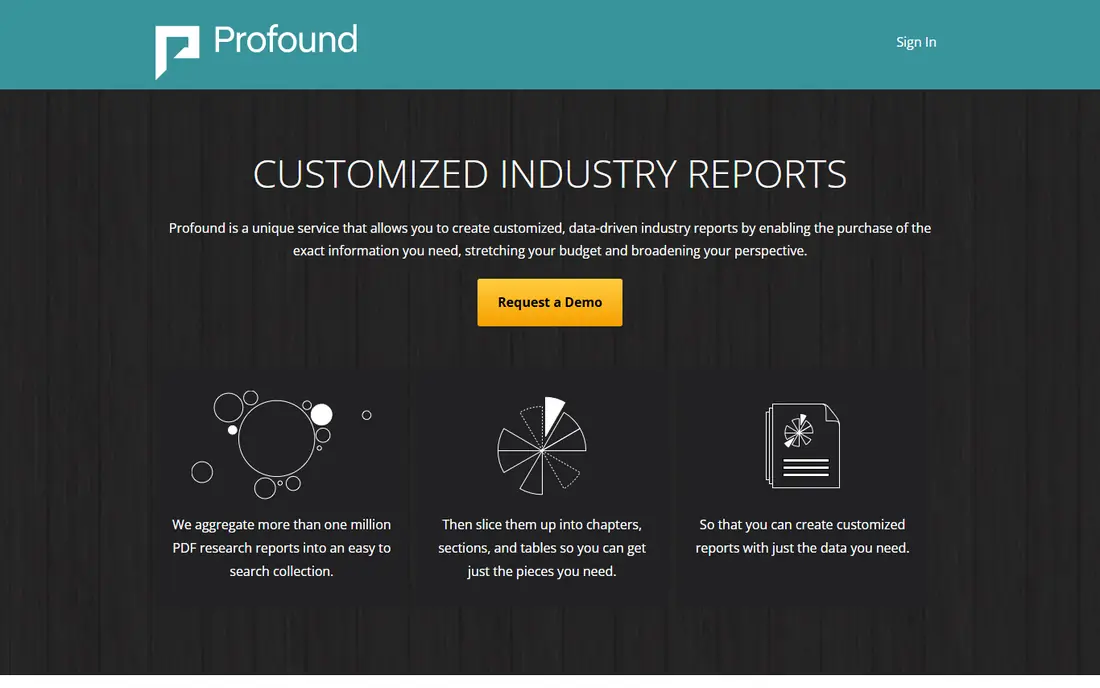
Profound tracks how AI answers mention, recommend, and cite your brand across engines such as ChatGPT, Perplexity, Gemini, and Google AI Overviews. It shows which prompts trigger your brand, which pages get cited, and which competitors appear instead, which is the data a large brand needs to shape its AI presence. Its enterprise focus also helps it pass security reviews that smaller tools may fail.
The catch is cost and scope. Pricing is now custom for enterprise plans, and Profound measures visibility rather than fixing your listings or content for you. Choose it when AI visibility is a board-level concern and you have a team to act on the findings.
- Wide AI engine coverage
- Detailed prompt and citation data
- Built for large brands and security reviews
- Enterprise pricing
- More system than a small seller needs
- Measurement only, not content fixes

Peec AI gives lean teams a clear daily picture of AI visibility without enterprise complexity. You choose prompts and engines, track mentions, position, and sentiment, and share the dashboard across your team without per-seat charges. Published comparisons list its starting price at $95 per month, which places it in the mid-market range.
Prompt allowances are the main limit, so count the prompts you truly need before you buy, including competitor prompts. Peec AI fits best when you want one reliable AI visibility number, updated daily, and a team-wide view of where you stand.
- Clean daily visibility score
- Multiple AI engines
- Unlimited users on every plan
- Prompt limits vary by tier
- Smaller brands may outgrow the entry plan quickly
Otterly.AI is the cheapest credible way to start tracking AI visibility. Its Lite plan starts at $29 per month and covers the main AI surfaces, with a built-in audit that flags gaps in your visibility. For a startup or small agency testing AI tracking for the first time, that low entry price removes the main barrier.
The entry plan covers only 15 prompts, so a business with many products or categories will need a higher tier, where prices rise steeply. Use Otterly.AI to prove the value of AI tracking on your most important prompts, then scale the plan as the prompt list grows.
- Low entry price
- Covers ChatGPT, AI Overviews, Perplexity, and Copilot
- Built-in audit tools
- Entry plan covers only 15 prompts
- Higher tiers jump sharply in price
Semrush AI Visibility Toolkit lets existing SEO teams add AI tracking without buying a separate platform. It tracks brand mentions across ChatGPT, AI Mode, Gemini, and Perplexity, draws on a large prompt database, and reports alongside classic rankings, backlinks, and audits. Published comparisons list it at $99 per month per domain as an add-on.
The cost is per domain, and prompt allowances are metered, so a business with many brands or domains should model the total bill carefully. It fits best when your team already lives in Semrush and wants AI visibility in the same reports as classic SEO.
- Adds AI tracking to a full SEO suite
- Large prompt database
- Familiar reporting for SEO teams
- Charged per domain
- Prompt allowances are metered by tier
- Needs a Semrush base plan context
Helium 10 is the standard toolkit for Amazon sellers who want their listings found inside Amazon search. Its keyword research, listing optimization, and rank tracking tools show which terms shoppers use, how your listing ranks for them, and what to change in titles, bullets, and backend terms. For a seller whose sales live on Amazon, that search visibility is the business.
The breadth can overwhelm a new seller, since Helium 10 bundles many tools beyond listing optimization. It also focuses on Amazon, so it will not track your Google or AI visibility. Choose it when Amazon is your main channel and you want one toolkit for research, listing work, and rank tracking.
- Deep Amazon keyword and listing tools
- Search volume and ranking data
- Broad seller toolkit
- Many tools can feel overwhelming
- Amazon-only focus
- Learning curve for new sellers
Jungle Scout helps sellers find products with demand and then make those listings visible. Its research tools estimate sales and search demand, its keyword tools guide listing copy, and its rank tracking shows whether changes move the listing. For a seller choosing a new product or refreshing an existing listing, that research-first approach is practical.
Like Helium 10, it is Amazon-centered, and its sales figures are estimates drawn from models, not exact Amazon data. Jungle Scout fits best when product selection and listing visibility matter together, and when you want research tools that a beginner can learn quickly.
- Strong product and keyword research
- Sales estimates
- Listing builder and rank tracking
- Amazon-focused
- Entry plan limits some research depth
- Data is estimated, not exact
Pacvue focuses on the paid side of product visibility: advertising on Amazon, Walmart, and other retail media networks. It automates bids, manages campaigns across marketplaces, and reports performance in one place, which matters when paid placement decides whether a product is seen at all. For larger sellers, that automation saves hours and keeps campaigns consistent.
Pricing is quote-based, and the software cost sits on top of your ad spend, so total cost can be high. Pacvue suits sellers and agencies with meaningful marketplace ad budgets, rather than a small seller running a handful of manual campaigns.
- Advertising and retail media across marketplaces
- Automation rules
- Detailed performance reporting
- Quote-based pricing
- Built for larger sellers and agencies
- Ad spend is separate from software cost
Surfer helps product and content pages earn visibility in classic search and AI answers by scoring drafts against top-ranking pages. It suggests terms, structure, and length, and its AI tracker add-on can show whether AI answers cite your pages. For a brand whose product pages, guides, and comparisons drive discovery, that guidance is directly useful.
Surfer does not manage Amazon listings or marketplace ads, so it complements rather than replaces a marketplace tool. It also needs solid source material, since a high score cannot rescue thin or inaccurate product copy. Use Surfer when content is your main visibility channel and you want clear, actionable editing guidance.
- Content scoring based on top-ranking pages
- Clear optimization guidance
- AI tracker add-on for some plans
- Content tool, not a marketplace tool
- Needs good source material
- Score is a guide, not a guarantee
How we picked these
We compared official product pages and published AI visibility and marketplace comparisons from September and October 2026, focusing on which channel each tool serves, its prompt or keyword allowances, and its published price. We included AI search trackers, marketplace tools, and a content optimizer because product visibility now spans all three, and we left out tools that only measure brand sentiment without a clear product link. Prices change quickly here, so confirm allowances before you buy.
How to improve product visibility in practice
Start with the product page itself. Write a clear title that names the product and its main use, use accurate bullets that answer common questions, add images that show scale and use, and keep specifications consistent across channels. AI tools and search engines both favor pages that are specific, factual, and easy to quote, so vague marketing copy hurts visibility in every channel.
Measure, fix, and repeat
Pick a small set of prompts and search terms that match real buyer questions, track them weekly, and change one thing at a time, whether that is a title, an image, or a content section. Watch for citation changes in AI answers and ranking changes in marketplace search, and keep a simple log of what you changed and when. Visibility work rewards steady iteration more than a single large rewrite.
Where AI tools stop
Most tools in this list measure visibility; they do not write better product copy, take better photos, or earn reviews for you. Budget time for those fixes, and treat the tool as a compass, not a shortcut. A product with strong reviews, clear images, and accurate copy will gain more from tracking than a weak listing tracked in perfect detail.
FAQ
What does product visibility mean in AI search?
It means whether AI assistants mention, recommend, or cite your product when shoppers ask related questions. Tools track mentions, citations, sentiment, and competitor presence across engines such as ChatGPT, Gemini, and Perplexity.
Do I need an AI visibility tool if I already use SEO software?
You may not, since tools such as Semrush and SE Ranking now add AI tracking to classic SEO suites. A dedicated tool such as Profound or Peec AI makes sense when AI visibility is a core goal and you need deeper prompt and citation data.
Can these tools improve my Amazon ranking?
Marketplace tools such as Helium 10 and Jungle Scout guide listing changes and track rankings, but they cannot guarantee a rank. Better keywords, copy, images, pricing, and reviews, plus advertising where appropriate, are what actually move a listing.
How many prompts should I track?
Start with 15 to 50 prompts that match real buyer questions about your category, your products, and your competitors. Expand only when you have acted on the first set, since a long prompt list without action adds cost without insight.
Are AI visibility results the same as Google rankings?
No, and research cited in recent comparisons shows only partial overlap between Google rankings and AI citations. A page can rank well on Google yet rarely appear in AI answers, which is why tracking both matters.