Best AI Search Visibility Tools Companies in 2026: 8 Tools Compared
Compare the best ai search visibility tools companies in 2026, with AI answer tracking, prompt monitoring, citations, and brand mention tools for your brand.
- Editor's choice
 Profound
Enterprise AI visibility tracking
Starts atSee websiteVisit profound.comFull review - Great alternative
 Peec AI
AI search analytics for teams
Starts atSee websiteVisit peec.aiFull review - Also consider
 Scrunch
AI search monitoring and content
Starts atSee websiteVisit scrunch.comFull review
TL;DR:
- AI search visibility tools track how a brand appears in AI answers, not just in classic search rankings, and those two views often differ.
- Prompt coverage matters more than prompt count alone, since a tool should track the questions buyers actually ask in your category.
- Citation tracking shows which sources an AI model cites, which helps content teams earn mentions rather than guessing.
- Most tools price by tracked prompts, brands, or seats, so a pilot with a focused prompt set gives a fairer comparison than a broad demo.
Quick comparison
| Tool | Best for | Starts at | Free plan? | |
|---|---|---|---|---|
| Profound | Enterprise AI visibility tracking | See website | Free trial | Visit |
| Peec AI | AI search analytics for teams | See website | Free trial | Visit |
| Scrunch | AI search monitoring and content | See website | Free trial | Visit |
 Otterly AI | AI brand monitoring | See website | Free trial | Visit |
 AthenaHQ | AI search visibility dashboards | See website | Free trial | Visit |
 Goodie AI | AI visibility and optimization | See website | Free trial | Visit |
 Brandlight | AI brand visibility tracking | See website | Free trial | Visit |
 Rankscale | AI search rank tracking | See website | Free trial | Visit |
The best ai search visibility tools companies
These tools help brands see, measure, and improve how they appear in AI-generated answers across chat and search products.
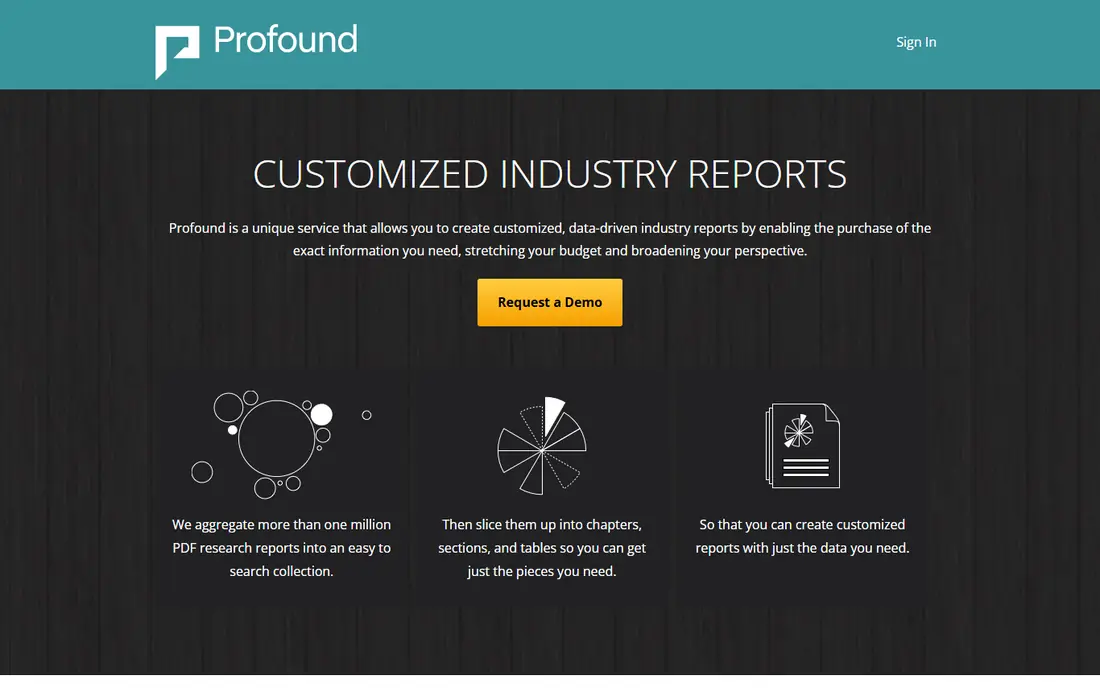
Profound is one of the most widely cited AI visibility platforms, built to track how a brand appears in answers from major AI systems. It monitors prompts, surfaces the answers given, and shows citations and competitors mentioned alongside a brand. That answer-level view helps marketing teams move from guessing about AI presence to measuring it week by week.
Enterprise focus is both a strength and a limit. Larger teams get dashboards, reporting, and support that fit a multi-brand program, while smaller teams may find pricing and setup heavier than a simpler tracker. For companies that need a serious AI visibility program, Profound is a natural first demo.
- Broad AI answer tracking
- Conversation and citation analysis
- Enterprise reporting
- Pricing is quote based
- Best suited to larger teams
- Setup needs prompt planning
Peec AI focuses on AI search analytics, showing where a brand is mentioned, how often, and in what context across AI answers. Its competitor comparison helps teams see who else appears for the same prompts, which is often more useful than a single brand score. Reports are built around actions, such as which content or pages might improve a mention.
Like other tools in this fast-moving category, coverage depends on which AI models and regions are tracked, so teams should confirm their key markets are included. Peec suits mid-size and larger marketing teams that want a focused analytics tool without building their own prompt tracking.
- Clear prompt and mention analytics
- Competitor comparison
- Action-focused reports
- Pricing is quote based
- Coverage varies by model and region
- New category still changing fast
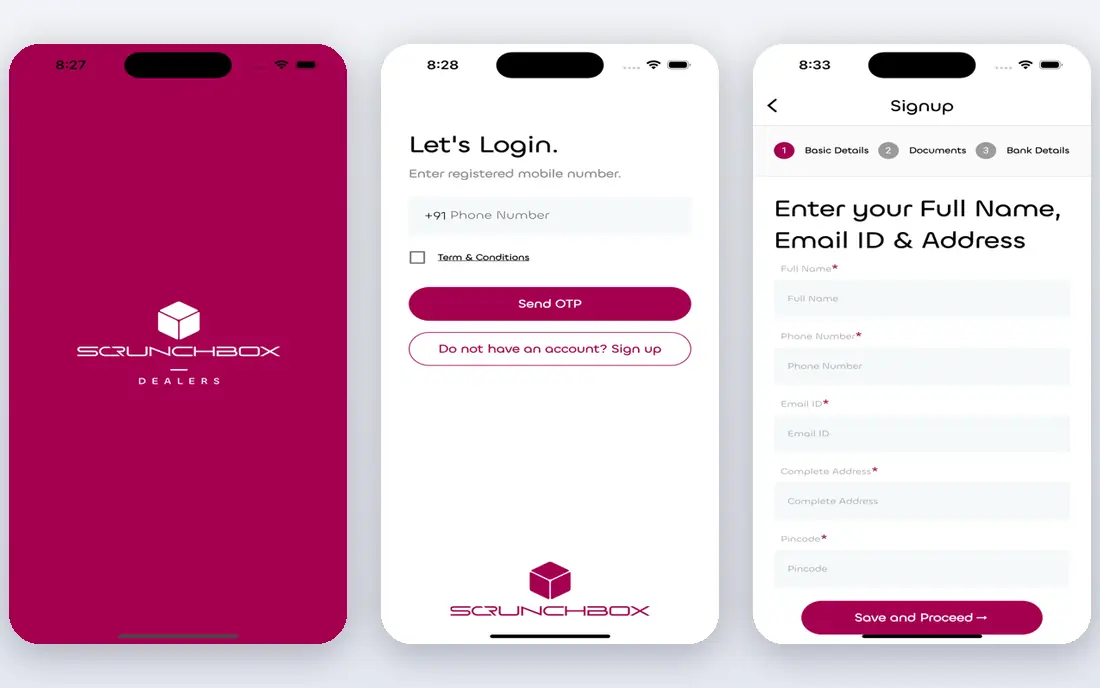
Scrunch combines AI search monitoring with guidance on content that could improve visibility, which appeals to teams that want both measurement and next steps. It tracks prompts by persona, so a team can see how answers differ for different buyer types, not just for one generic query. That persona view helps content teams write for real buyer questions.
The added content workflow can feel complex for teams that only want tracking, so a pilot should test whether the guidance features are actually used. For content-led marketing teams, Scrunch offers a useful bridge between visibility data and publishing decisions.
- AI monitoring plus content guidance
- Persona-based prompt tracking
- Team workflows
- Pricing is quote based
- Content features add complexity
- Smaller teams may need a simpler plan
Otterly AI is built for straightforward brand monitoring in AI search, with a setup that lets a team add a brand, add prompts, and start seeing mentions without a long onboarding project. Its reports are easy to share with stakeholders who do not need a deep analytics tool. That simplicity makes it a good pilot tool for teams new to AI visibility.
Simpler tools trade depth for ease, so large teams with many brands, regions, or custom reporting needs may outgrow the lower tiers. For a first AI visibility program, or for a single brand, Otterly gives a clear and accessible starting point.
- Simple brand monitoring setup
- Prompt tracking across AI tools
- Shareable reports
- Depth varies by plan
- Enterprise features are limited on lower tiers
- Pricing needs checking
AthenaHQ presents AI search visibility in dashboard form, with trends for brand mentions, prompt coverage, and competitor presence. That dashboard style suits marketing leads who need a weekly view without digging through raw answer text each time. It also tracks how visibility changes over time, which helps show whether content work is having an effect.
As a newer platform, AthenaHQ has a shorter public track record than Profound or Peec, so teams should run a trial with their own prompts before committing. For teams that value a clean dashboard and trend view, it is worth including in a shortlist.
- Dashboard view of AI visibility
- Prompt and competitor tracking
- Brand mention trends
- Newer platform with a smaller track record
- Pricing is quote based
- Feature depth varies
Goodie AI pairs AI visibility tracking with optimization guidance, helping teams see not just where they appear, but what content changes might help them appear more often or more accurately. It shows brand and competitor views side by side, so a team can spot gaps where a rival is cited and they are not. That action focus suits SEO and content teams already used to working from audit tools.
Optimization suggestions should still be reviewed by a human, since AI answer behavior changes and a suggested edit may not fit brand voice or facts. Used as a guide rather than an autopilot, Goodie gives content teams a practical loop from measurement to publishing.
- Visibility tracking plus optimization guidance
- Brand and competitor views
- Content suggestions
- Pricing is quote based
- Optimization advice needs human review
- Coverage varies by model
Brandlight focuses on how a brand appears across AI systems, with mention tracking and views of the context around each mention. That brand-first design helps communications and brand teams who care about tone and accuracy, not just rank. Multi-model coverage also matters, since a brand can appear strongly in one AI tool and weakly in another.
Brandlight has a smaller public profile than the category leaders, so teams should check model coverage, regions, and report options in a trial. For brand teams that want a focused visibility view without a full SEO suite, it is a credible option.
- Brand-focused AI tracking
- Mention and sentiment views
- Multi-model coverage
- Pricing is quote based
- Smaller public profile than leaders
- Reporting depth varies by plan
Rankscale brings a rank-tracker mindset to AI search, organizing prompts by topic and showing how a brand or page ranks within AI answers over time. That familiar structure helps SEO teams who already think in rankings and benchmarks, and who want to compare AI visibility with classic search performance. Competitor benchmarks add context to a single brand score.
The rank metaphor works better for some prompts than others, since AI answers are prose, not a simple list of ten links. Teams should check how Rankscale scores mentions and citations, and run their own prompt set, before treating its scores as a direct match for classic rankings. For SEO-led teams, it is a useful bridge tool.
- Rank-style tracking for AI answers
- Prompt sets by topic
- Competitor benchmarks
- Pricing is quote based
- Rank metaphor fits some prompts better than others
- Newer tool
How we picked these
We compared official product pages, feature descriptions, and public coverage for AI search visibility tools available in October 2026, and we favored tools that track AI answers, prompts, mentions, and citations, rather than classic search rankings alone. We included enterprise and mid-market options, and we noted where pricing is quote based rather than published. AI model coverage changes often, so teams should confirm current models in a trial.
How to choose an AI visibility tool
A tool is only useful if it tracks the questions your buyers ask, in the models they use, and turns answers into actions.
Start with a real prompt set
List 30 to 50 questions buyers ask before choosing your product, including comparison, pricing, and problem questions, not just branded searches. Run that same set in each trial tool, and compare which tool surfaces useful citations and competitor gaps. A tool that tracks generic prompts well may still miss your category.
Check citations, not just scores
A visibility score alone does not tell a content team what to fix. Look for tools that show the full AI answer, the sources cited, and the competitor mentions for each prompt. That detail turns a dashboard into a content brief, and it helps writers earn citations with factual, well-structured pages.
Plan for change
AI models, answer formats, and citation behavior change frequently, so a tool choice should be reviewed each quarter. Track a stable prompt set over time, keep a record of model coverage, and avoid long contracts until a tool has proven useful on your own prompts for at least a month.
FAQ
What is AI search visibility?
AI search visibility is how often, and how accurately, a brand, product, or source appears in answers from AI chat and search tools. It differs from classic SEO rankings, since AI answers summarize and cite sources rather than listing ten blue links.
Do AI visibility tools replace SEO tools?
No. Classic SEO tools still track rankings, traffic, and technical health, while AI visibility tools track answer mentions and citations. Most teams need both views in 2026, since buyers use classic search and AI answers for different parts of a decision.
Which AI models do these tools track?
Coverage varies by tool and plan, and it often includes major chat and search AI products, with regional differences. Confirm the exact models, languages, and regions in a trial, since a tool may track a model well in one market and not in another.
How much do AI search visibility tools cost?
Most tools price by quote, based on tracked prompts, brands, models, and seats, with free trials on many plans. A focused pilot with a real prompt set gives a better cost comparison than a demo with generic prompts.
Can a tool guarantee a brand will appear in AI answers?
No tool can guarantee AI mentions, since answer generation depends on the model, the prompt, and the sources it trusts. Tools can measure visibility and guide content work, but factual, well-structured, and widely cited content remains the main driver of mentions.