Best AI Search Checking Tool in 2026: 8 Tools Compared
Compare the best AI search checking tool for tracking brand visibility in ChatGPT, Gemini and Perplexity, with pricing and features for 2026 teams in one guide
- Editor's choice
 Profound
Enterprise AI visibility
Starts atSee websiteVisit profound.comFull review - Great alternative
 Peec AI
Clear AI visibility reports
Starts atSee websiteVisit peec.aiFull review - Also consider
 Scrunch AI
Brand monitoring in AI
Starts atSee websiteVisit scrunch.comFull review
TL;DR:
- AI search checking tools track how often your brand appears in AI answers, which prompts trigger it and which sources are cited.
- Coverage differs by tool, so check ChatGPT, Gemini, Perplexity and other engines you care about before you buy.
- Prompt lists matter more than dashboards: a tool is only useful if it tracks the questions your buyers actually ask.
- Most tools in this new category use quote or trial pricing, so ask for a written quote at your prompt and brand count.
Quick comparison
| Tool | Best for | Starts at | Free plan? | |
|---|---|---|---|---|
| Profound | Enterprise AI visibility | See website | Free trial | Visit |
| Peec AI | Clear AI visibility reports | See website | Free trial | Visit |
| Scrunch AI | Brand monitoring in AI | See website | Free trial | Visit |
 Otterly.AI | Simple AI search tracking | See website | Free trial | Visit |
 Goodie AI | AI visibility plus content | See website | Free trial | Visit |
 ZipTie.dev | Affordable AI tracking | See website | Free trial | Visit |
 Athena | AI search analytics | See website | Free trial | Visit |
 Writesonic AI Visibility | Content teams on Writesonic | See website | Free trial | Visit |
The best AI search checking tools
AI search checking, also called AI visibility or GEO tracking, is a new category. Instead of ranking in a list of blue links, brands now appear, or fail to appear, inside answers from ChatGPT, Gemini, Perplexity and similar tools. We compared official feature pages for tools that track brand mentions, citations and prompt-level visibility in AI answers in 2026.
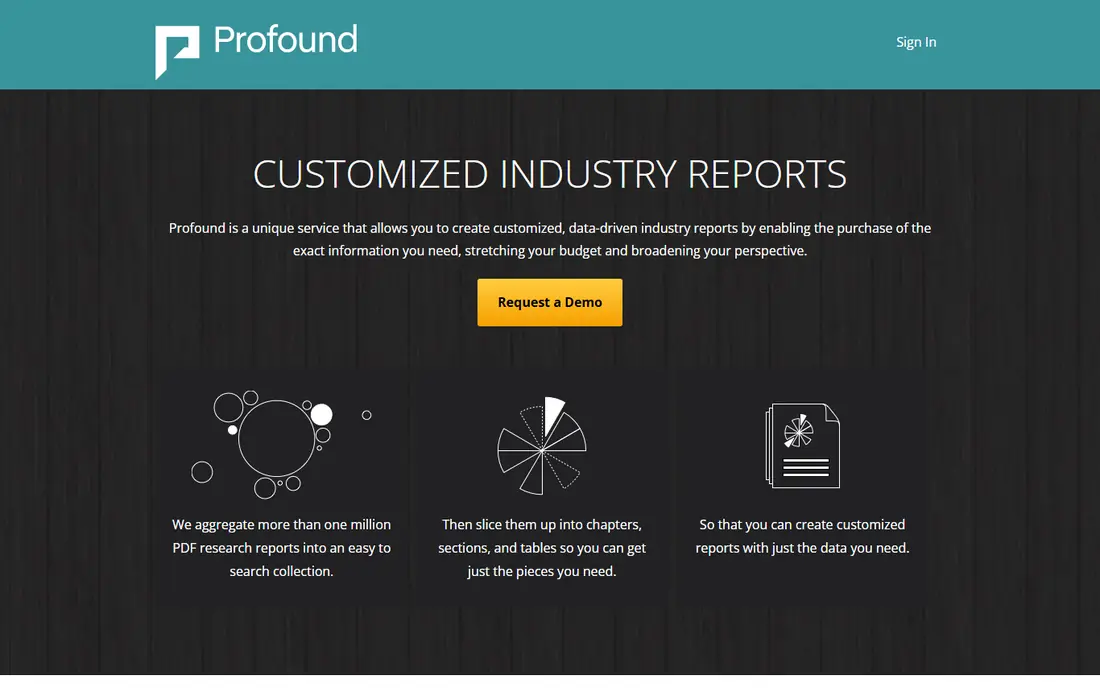
Profound is one of the best-known AI visibility platforms, built for brands that need to track mentions across major AI engines. It monitors prompts, shows how often a brand is mentioned, which competitors appear and which sources AI answers cite. That detail helps marketing teams see not only visibility, but why an answer favours a rival.
Pricing is quote-based and aimed at larger brands, so small businesses should ask for a clear quote early. The platform is also deeper than a simple rank tracker, which means setup takes thought about prompt lists and competitors. For enterprises that treat AI search as a core channel, Profound is a strong first trial.
- Broad AI engine coverage
- Detailed prompt and citation tracking
- Enterprise reporting
- Quote-based pricing
- May be more than small teams need
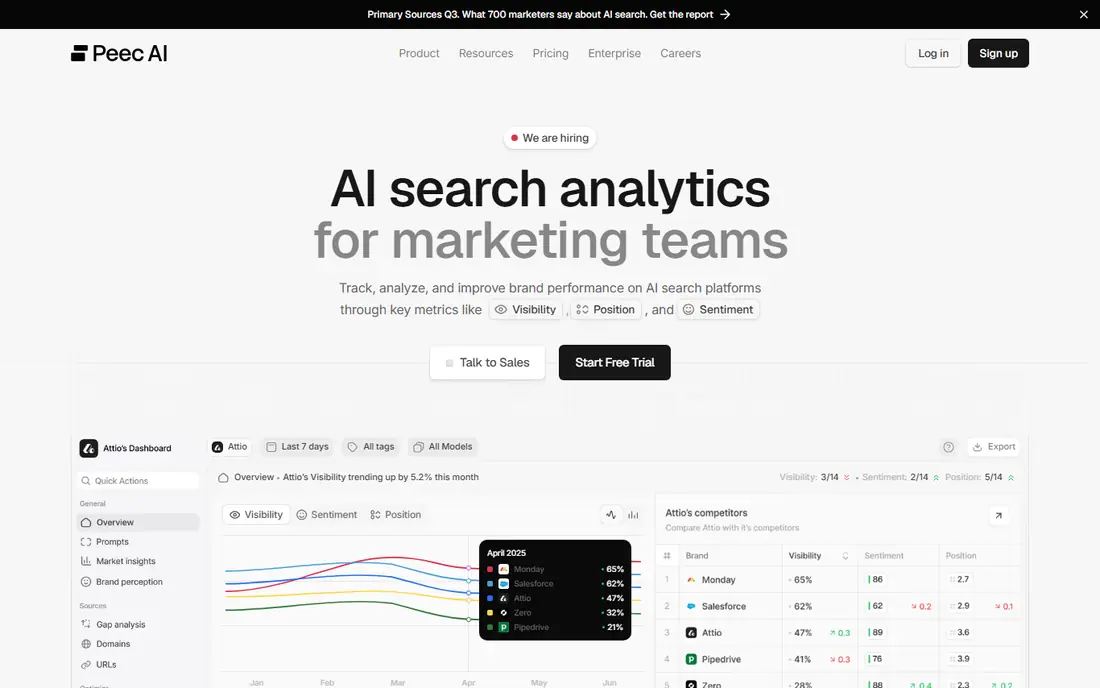
Peec AI focuses on clear, readable reports for AI search visibility. Teams can track brand mentions across AI engines, compare against competitors and see which prompts drive visibility. That clarity helps smaller marketing teams explain AI search to managers without a long technical report.
Pricing is not published as a simple rate card, so get a quote for your brand and prompt count. As with all tools in this young category, features change quickly, so confirm current engine coverage during a trial. For teams that want understandable reports rather than a complex enterprise suite, Peec AI is worth a look.
- Clear brand visibility reports
- Prompt tracking
- Competitor comparison
- Pricing is not published as a simple rate card
- Newer category means features change fast
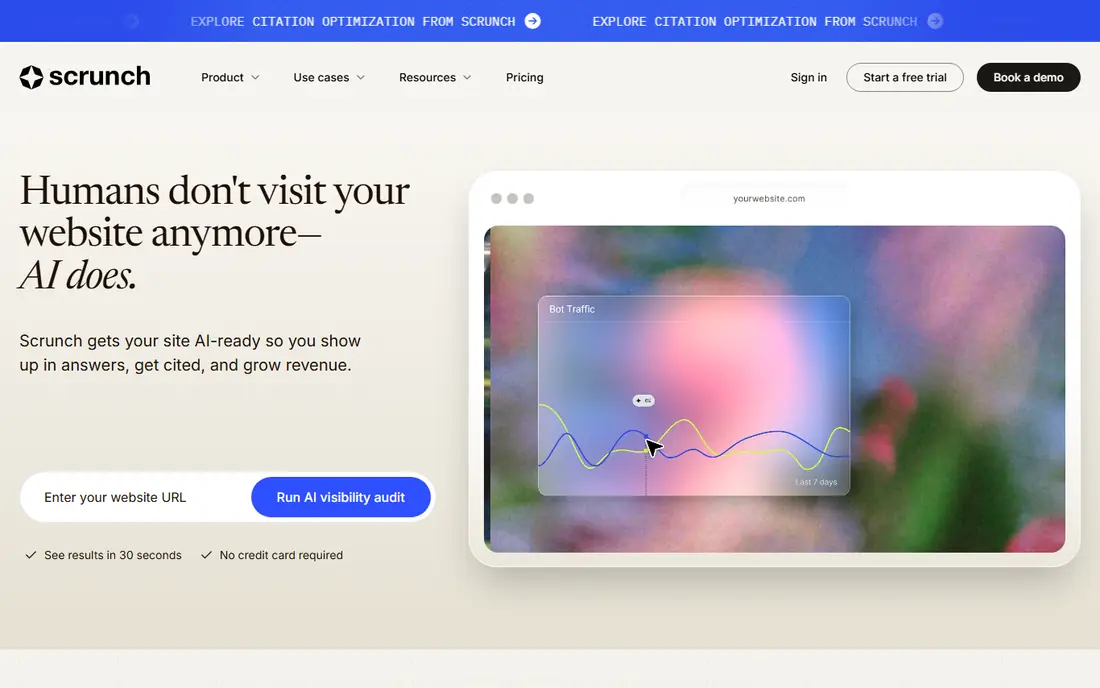
Scrunch AI tracks how brands appear in AI answers and highlights content gaps that may explain low visibility. If a rival is cited for a topic you cover poorly, Scrunch helps surface that gap so content teams can respond. Prompt-level detail shows which questions matter most for your category.
Pricing is quote-based, and the tool delivers most value to teams that will act on the insights with content or PR work. A tracker alone will not improve visibility. For marketing teams ready to create or update content based on AI search data, Scrunch AI offers practical, action-oriented reporting.
- Brand and competitor monitoring
- Content gap insights
- Prompt-level detail
- Quote-based pricing
- Best value for teams that act on insights
Otterly.AI suits smaller teams that want AI search tracking without enterprise complexity. Setup is simple, prompt monitoring is clear, and brand mention tracking covers the basics that most small businesses need. A trial lets you test coverage for your brand and main competitors quickly.
Depth is lighter than Profound or Scrunch, so large teams with many brands, markets or prompts may need more. For a small business or agency that wants to know whether clients appear in AI answers and for which questions, Otterly.AI is a practical, low-friction starting point.
- Simple setup
- Prompt monitoring
- Brand mention tracking
- Depth is lighter than enterprise platforms
- Pricing varies by plan
Goodie AI combines AI visibility tracking with content recommendations, which helps teams move from measurement to action. Dashboards show brand mentions, competitor visibility and prompt performance, while recommendations point to content that could improve citation chances. That link between tracking and content is useful for SEO and content teams.
Pricing is quote-based, and content features may overlap with SEO tools you already own, so check for duplication before buying. For teams that want one place to see AI visibility and decide what to publish next, Goodie AI is a strong contender.
- Visibility tracking plus content recommendations
- Competitor tracking
- Clear dashboards
- Pricing is quote-based
- Content features may overlap with existing SEO tools
ZipTie.dev positions itself as an affordable AI search tracking tool, which matters in a category where many platforms price for enterprises. It tracks brand mentions and prompt performance with simple reports that small teams can use without a data analyst. A trial is the best way to judge coverage for your niche.
The feature set is smaller than enterprise platforms, and engine coverage should be checked for the AI tools your buyers actually use. For startups, local businesses and small agencies that need basic AI visibility at a sensible price, ZipTie.dev offers a good entry point.
- Affordable entry point
- Prompt and brand tracking
- Simple reports
- Smaller feature set than enterprise tools
- Engine coverage needs checking
Athena is an AI search analytics tool that tracks brand visibility across AI engines, with prompt-level tracking and competitor views. It suits marketing teams that want analytics-style reporting for AI search, similar to how they already track organic search. The interface focuses on trends over time, which helps show whether visibility is improving.
As a newer tool in a fast-changing category, features and engine coverage can change, so confirm current coverage during a trial. Pricing is quote-based. For teams that want a dedicated analytics view for AI search rather than a broad marketing suite, Athena is worth testing alongside Profound or Peec AI.
- AI search analytics
- Prompt tracking
- Brand and competitor views
- Newer tool with changing features
- Pricing is quote-based
Writesonic AI Visibility, part of the Writesonic platform, tracks brand presence in AI search and ties it to content work. Teams that already use Writesonic for writing and SEO gain a natural fit, since visibility data sits near the tools used to create and optimize content. GEO features help teams think about how content is structured for AI answers.
Standalone depth may vary compared with specialist platforms such as Profound, so teams that do not use Writesonic should compare carefully. For content teams already on Writesonic, adding AI visibility there is efficient. For teams that only need tracking, a specialist tool may offer deeper prompt and citation data.
- Ties visibility tracking to content creation
- GEO features
- Familiar Writesonic workflow
- Best fit for existing Writesonic users
- Standalone depth varies
How we picked these
We compared official feature pages for tools that track brand visibility, mentions and citations in AI search answers in 2026. We favoured tools with trials, clear prompt tracking and coverage of major AI engines, and we included different price points from affordable trackers to enterprise platforms. We left out general SEO rank trackers without AI answer tracking, since they do not measure the same thing. Because this category changes fast, confirm engine coverage and pricing during a trial before signing a long contract.
How to choose an AI search checking tool
Start with the questions your buyers ask. List 50 to 100 real prompts, from broad category questions to comparison and purchase questions, and give the same list to each vendor. The tool that tracks your real prompts well matters more than a tool with a long engine list you will never use.
Then check citation data. Knowing that you were mentioned is useful, but knowing which pages were cited tells you what to fix. Ask how often prompts are checked, whether results vary by location, and how competitor data is shown. Finally, agree on who will act on the data, since AI visibility only improves when content, PR or product pages change in response.
Build a prompt list first
Use sales calls, support tickets, search data and competitor content to build prompts buyers actually use. Include branded, comparison and generic questions. A tool tracking the wrong prompts will report good scores while missing real buying moments.
Treat scores as signals, not truth
AI answers vary by prompt wording, location and time, so visibility scores move. Look at trends over weeks, not single days, and pair AI visibility data with traffic, leads and sales. A rising score that brings no enquiries may mean you are visible for the wrong questions.
FAQ
What is an AI search checking tool?
An AI search checking tool tracks how often your brand appears in answers from AI engines such as ChatGPT, Gemini and Perplexity. It shows which prompts trigger mentions, which competitors appear and which sources are cited. That helps marketing teams understand visibility in a world where answers replace link lists.
Which AI engines should I track?
Track the engines your buyers use, which for most US businesses means ChatGPT, Google Gemini and Perplexity, plus others relevant to your niche. Check each tool for current engine coverage, since coverage changes as the category grows. A tool that misses your main engine is not useful, even with a good dashboard.
Is AI search checking the same as SEO tracking?
No. Traditional SEO tracking measures rankings in search result lists. AI search checking measures mentions, citations and sentiment inside AI-generated answers, which may cite pages that do not rank highly in classic search. Both matter, but they measure different visibility.
How often are AI prompts checked?
It varies by tool and plan, from daily to weekly checks for each prompt. More frequent checks give smoother trends but cost more, since each check uses AI queries. Ask vendors about check frequency for your prompt count and whether location affects results.
Can these tools improve my AI visibility?
They can show where you are weak and which sources are cited, but improvement comes from content, PR, reviews and product pages that AI engines trust. Use the tool to find gaps, then create or update content, earn citations and fix factual errors about your brand.
Do small businesses need an AI search checking tool?
Not always. If most customers find you through local search, referrals or direct sales, classic SEO and reviews may matter more. If buyers research your category with AI tools, even a simple tracker such as Otterly.AI or ZipTie.dev can show whether you appear for key questions.