Best AI Blog Writing Tool in 2026: 8 Tools Compared
Compare the best AI blog writing tool options, including Jasper, Copy.ai, Writesonic, Rytr and Surfer SEO, with pricing and the right fit for bloggers.
- Editor's choice
 Jasper
Brand-voice long-form drafts
Starts at$59 per monthVisit jasper.aiFull review - Great alternative
 Copy.ai
Small team writing
Starts at$24 per monthVisit copy.aiFull review - Also consider
 Writesonic
SEO articles plus visibility
Starts at$79 per monthVisit writesonic.comFull review
TL;DR:
- Jasper is best for marketing teams that need consistent brand voice across long-form blog posts.
- Copy.ai is best for small teams that need several seats at a low price, with Chat at $24 a month billed annually.
- Rytr is the cheapest full writing tool, with Unlimited at $7.50 a month billed annually.
- Surfer SEO is best for optimizing a draft against live search results, rather than drafting alone.
- AI drafts still need human editing, fact checking and original reporting to rank and to earn reader trust.
Quick comparison
| Tool | Best for | Starts at | Free plan? | |
|---|---|---|---|---|
| Jasper | Brand-voice long-form drafts | $59 per month | Free trial | Visit |
| Copy.ai | Small team writing | $24 per month | Yes | Visit |
| Writesonic | SEO articles plus visibility | $79 per month | Free trial | Visit |
 Rytr | Budget solo drafting | $7.50 per month | Yes | Visit |
 Surfer SEO | Content optimization | $49 per month | Free trial | Visit |
 Grammarly | Editing and polish | $12 per month | Yes | Visit |
 QuillBot | Paraphrasing and summarizing | $8.33 per month | Yes | Visit |
 ChatGPT | All-round drafting and editing | $20 per month | Yes | Visit |
The best ai blog writing tool
AI blog writing tools help with outlines, drafts, headlines and optimization, but they do not replace research, editing and judgment. We compared official pricing pages, feature pages and public reviews, and we favored tools that are actively maintained and clear about limits, seats and article counts.
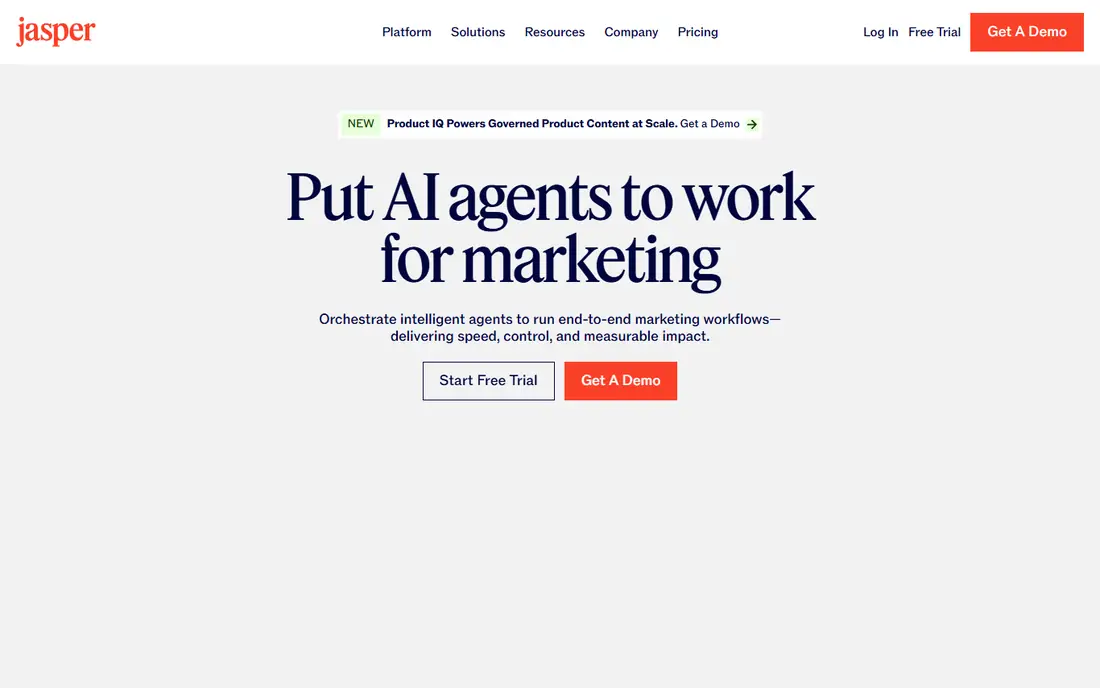
Jasper is our pick for marketing teams that publish often and need a consistent tone across writers. Pro at $59 a month billed annually, or $69 month to month, includes chat, Canvas drafting and brand voice settings, with agents and search visibility tools on higher tiers. That structure suits teams with a style guide, multiple clients or a large content calendar.
The price is the main barrier for solo bloggers, and Jasper does not offer a permanent free tier, only a seven-day trial. If you publish a few posts a month and do not need brand voice controls, Rytr or ChatGPT will be far cheaper. For a team, Jasper can save editing time, but human review remains essential.
- Strong brand voice controls
- Long-form Canvas workspace
- Team workflows
- $59 a month billed annually for Pro is costly for solo bloggers
- No permanent free tier
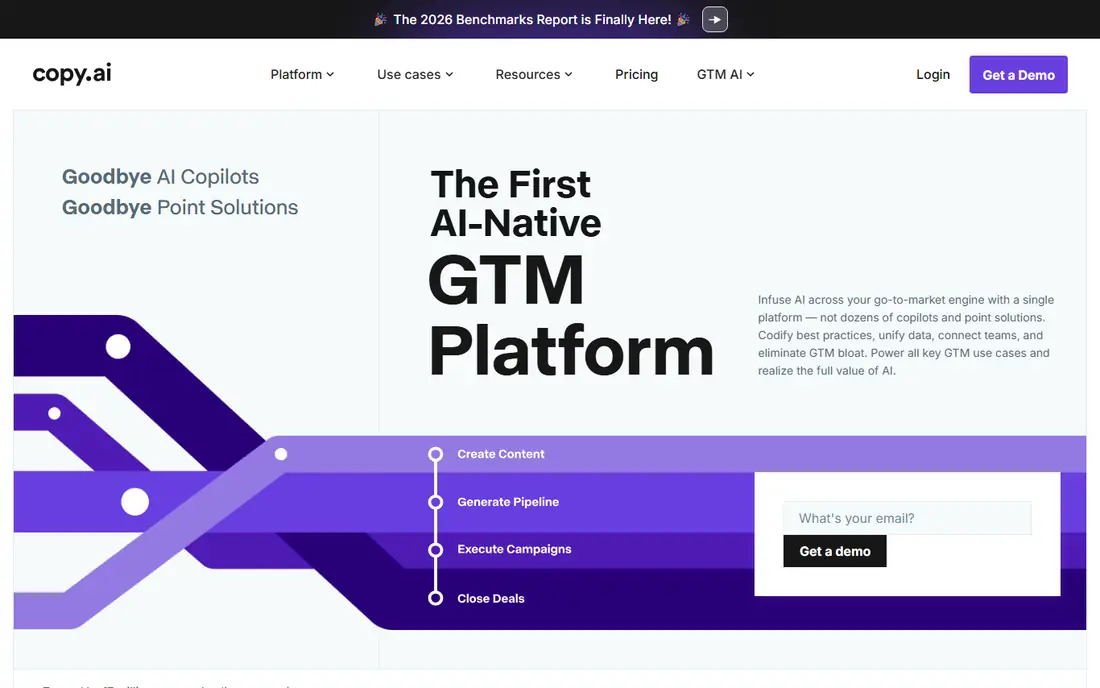
Copy.ai Chat at $24 a month billed annually, or $29 month to month, covers five seats with unlimited words in Chat, which makes it one of the best team values on this list. It suits small marketing teams that need blog drafts, social copy and short-form content from one workspace, with workflow tools for sales and marketing tasks.
The catch is that full workflow tiers cost far more, so teams that need advanced automation should check pricing before assuming the Chat price covers everything. For straightforward blog drafting and editing, Copy.ai is a practical, low-cost team option.
- Chat plan covers five seats
- Unlimited words in Chat
- Low per-seat cost
- Higher workflow tiers jump sharply in price
- Writing core is less specialized than Jasper

Writesonic has moved toward SEO content operations and AI-search visibility, which makes it a strong choice for content teams that must rank and be cited by AI answers. Starter at $79 a month billed annually, or $99 month to month, includes 15 articles a month plus visibility tracking across ChatGPT, Gemini and Google AI Overviews.
That package is more than a casual blogger needs, and the article cap matters for high-volume publishers. Writesonic is best for teams running a content engine with clear SEO goals, not for a solo writer drafting one post a week.
- SEO article packs
- AI-search visibility tracking
- Structured article workflows
- Starter at $79 a month is costly for casual bloggers
- Article count is capped at 15 a month
Rytr is the budget pick for solo bloggers and freelancers. The free tier covers 10,000 characters a month, and Unlimited at $7.50 a month billed annually, or $9 month to month, removes the character cap for most practical purposes. Templates cover blog ideas, outlines, introductions and social copy, with support for many languages.
The honest limit is long-form quality. Rytr handles short and mid-form drafts well, but a 2,000-word article will need more editing and fact checking than a Jasper draft. For the price, though, it is an excellent starting tool, especially for writers learning to work with AI.
- Very low price
- Permanent free tier at 10,000 characters a month
- Many templates
- Output suits short to mid-form work best
- Long-form quality needs more editing
Surfer SEO is best paired with a drafting tool, because its strength is optimization rather than first-draft writing. Discovery at $49 a month billed annually, or $59 month to month, gives a content editor that scores a draft against competing pages and suggests terms, headings and structure. Standard at $99 a month adds more capacity for larger teams.
Surfer does not replace research or original reporting, and a high score does not guarantee a good article. Used well, it helps a writer cover a topic fully and spot gaps before publishing, which is why many SEO teams pair it with Jasper, Copy.ai or ChatGPT.
- Scores drafts against live search results
- Content editor guidance
- Audit tools
- Not a full drafting tool alone
- Discovery tier is limited for large teams
Grammarly is the editing layer every blog workflow needs, even if it is not a drafting tool by itself. Pro at $12 a month billed annually, or $30 month to month, adds advanced grammar, clarity, tone and plagiarism checks, while the free tier covers basics plus 100 AI prompts a month. It works in browsers, Docs and many apps, so edits happen where writing happens.
The limit is scope: Grammarly will polish a draft, but it will not plan a blog strategy or write a full article from a brief. Pair it with a drafting tool and a fact-checking pass, and it becomes one of the highest-value tools on this list.
- Works across browsers and apps
- Grammar, clarity and tone help
- 100 AI prompts a month on free basics
- Not a blog drafting tool on its own
- Pro is $12 a month billed annually
QuillBot suits bloggers who need to rewrite, tighten or summarize existing material. Premium at $8.33 a month billed annually, or $19.95 month to month, expands paraphrase modes and limits, while the free tier covers short paraphrases in two modes. It is useful for reworking a clunky paragraph, creating a summary, or checking tone.
QuillBot is not a replacement for a full drafting tool, and overuse can produce bland, generic text. Used as an editing aid alongside a primary writer, it helps polish drafts without changing their meaning.
- Strong paraphraser with several modes
- Summarizer and citation tools
- Low price
- Not a full blog writer
- Free paraphrases are limited to 125 words
ChatGPT Plus at $20 a month is the most versatile tool on this list for a solo blogger. It can outline a post, draft sections, rewrite for clarity, generate headlines and check structure, all in one chat. The free tier is generous for light use, and Plus adds higher limits and newer models.
The catch is consistency and accuracy. ChatGPT needs clear prompts and a style guide to hold tone across posts, and it can invent facts, quotes or sources. Treat it as a drafting assistant, verify every claim, and add original examples and reporting before publishing.
- Very versatile for outlines, drafts and editing
- Plus at $20 a month
- Strong general knowledge
- Needs careful prompting for consistent tone
- Facts must be verified
How we picked these
We compared official pricing pages, feature pages and public reviews, and we favored tools that are actively maintained and clearly state seats, word limits and article caps. A tool qualified if it could help with a real blog workflow, whether drafting, optimizing or editing, and if pricing was published. We also weighed the need for human editing, because no tool on this list should publish unchecked.
How to use AI blog tools without publishing generic content
Start with a brief that includes the reader, the question the post answers, and at least one original angle, example or data point. AI drafts are strongest when they expand a clear brief, and weakest when they are asked to invent a topic from nothing. Outline first, draft in sections, and edit each section for accuracy and voice before moving on.
Then add what AI cannot: first-hand experience, customer quotes, screenshots, original data and a clear opinion. Check every statistic, link and claim against a primary source, and remove generic filler that could apply to any topic. A post that reads like a summary of other posts will not earn links or loyal readers, no matter how clean the grammar is.
FAQ
What is the best ai blog writing tool?
Jasper is best for marketing teams, Copy.ai is best for small teams on a budget, and Rytr is best for solo writers on a low budget. The best ai tool for blog writing depends on team size, volume and whether SEO optimization is also needed.
What are the best ai tools for blog writing?
The strongest options are Jasper, Copy.ai, Writesonic, Rytr, Surfer SEO, Grammarly, QuillBot and ChatGPT. Most teams pair a drafting tool with an optimizer such as Surfer and an editor such as Grammarly.
Can AI write a whole blog post?
AI can draft a whole post, but it should not publish unchecked. Human editing, fact checking, original examples and a clear voice are needed for quality, accuracy and search performance.
Is AI blog content good for SEO?
AI content can rank when it is accurate, original, well structured and genuinely useful, but generic AI text often fails. Add original reporting, clear headings, internal links and verified facts, and follow search quality guidelines.
How much do AI blog writing tools cost?
Prices range from free tiers to $7.50 a month for Rytr Unlimited, $24 for Copy.ai Chat, $59 for Jasper Pro and $79 for Writesonic Starter, all on annual billing. Compare seats, word limits and article caps, not just the headline price.
Do I still need an editor if I use AI?
Yes, an editor or a careful self-edit is still needed for facts, tone, structure and originality. Grammarly helps with polish, but it does not replace judgment about what a post should say.