8 Best AEO Tools for AI Search Visibility in 2026
Find the best AEO tools or platforms for AI search visibility in 2026, with current prices, engine coverage, and honest limits for small and large teams.
- Editor's choice
 Profound
Large brands tracking many AI engines
Starts atSee websiteVisit profound.comFull review - Great alternative
 Otterly.AI
Small teams testing AI visibility on a budget
Starts at$29 per monthVisit otterly.aiFull review - Also consider
 Peec AI
B2B and SaaS teams tracking prompts by market
Starts atSee websiteVisit peec.aiFull review
TL;DR:
- Answer engine optimization tracks how brands appear in AI answers, not only in classic search results, and prompt counts matter more than headline claims.
- Otterly.AI is the lowest priced entry point in this list, while Profound and Scrunch suit larger teams with more prompts and deeper reporting.
- Add-on tools from Semrush and Ahrefs make sense if you already pay for those suites, rather than as a stand-alone purchase.
- Check which engines are included at the entry tier, because some plans cover only a small set of AI surfaces.
- A free trial or a small plan is a sensible first step before you commit to a quote-based enterprise plan.
Quick comparison
| Tool | Best for | Starts at | Free plan? | |
|---|---|---|---|---|
| Profound | Large brands tracking many AI engines | See website | Free trial | Visit |
| Otterly.AI | Small teams testing AI visibility on a budget | $29 per month | Free trial | Visit |
| Peec AI | B2B and SaaS teams tracking prompts by market | See website | Free trial | Visit |
 Scrunch AI | Larger teams turning citation gaps into content work | $250 per month billed annually | Free trial | Visit |
 Semrush AI Visibility Toolkit | Teams already using Semrush for SEO | $99 per month per domain | Free trial | Visit |
 Ahrefs Brand Radar | Teams already using Ahrefs for backlink and keyword work | $199 per month as an add-on | No | Visit |
 AthenaHQ | Teams that want visibility data paired with fixes | $295 per month | Free plan with credit | Visit |
 HubSpot AEO | Teams already running HubSpot marketing tools | $50 per month | No | Visit |
The best options in this guide
We compared current plans, core features, and limits for each product below, and we kept only products that are available now and fit the topic closely. Prices change, so check the vendor page before you buy, and treat any plan limit as part of the price.
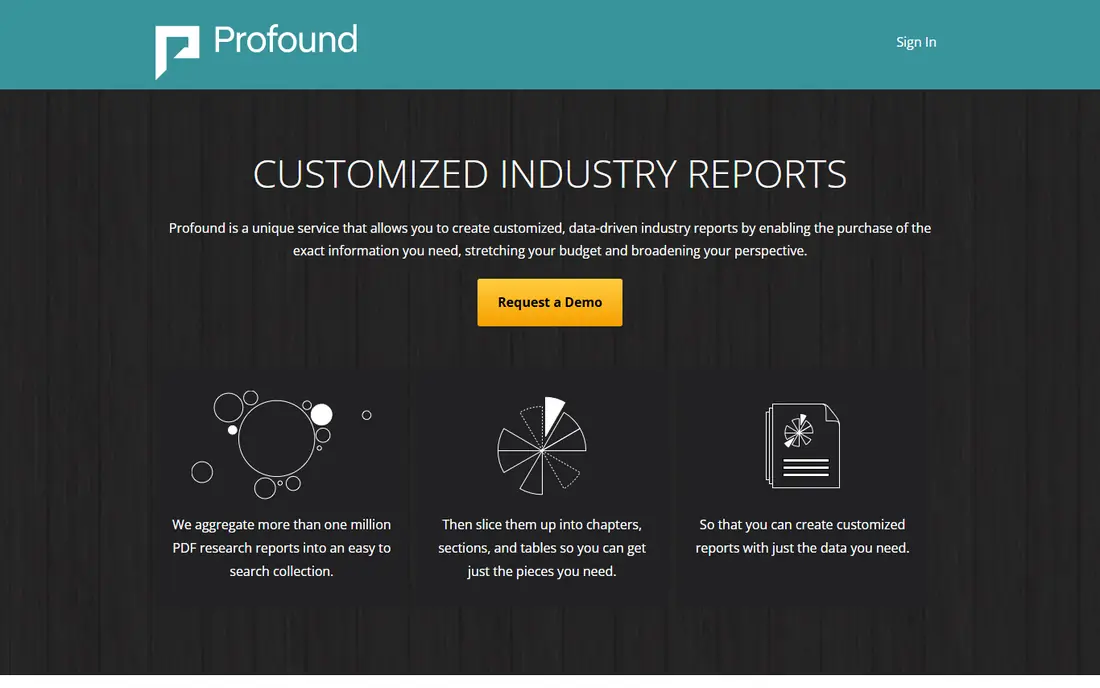
For buyers who need large brands that need daily tracking across many AI answers and a central reporting view for several teams.
The clearest strength is it tracks citations and visibility across a wide set of AI surfaces, which helps a large team compare brands and topics in one place.
The trade-off is the lack of a public entry price makes budgeting harder, and smaller teams may find the setup and reporting more than they need at first.
- Broad engine coverage, citation tracking, enterprise reporting
- Quote-based pricing, heavier setup for small teams
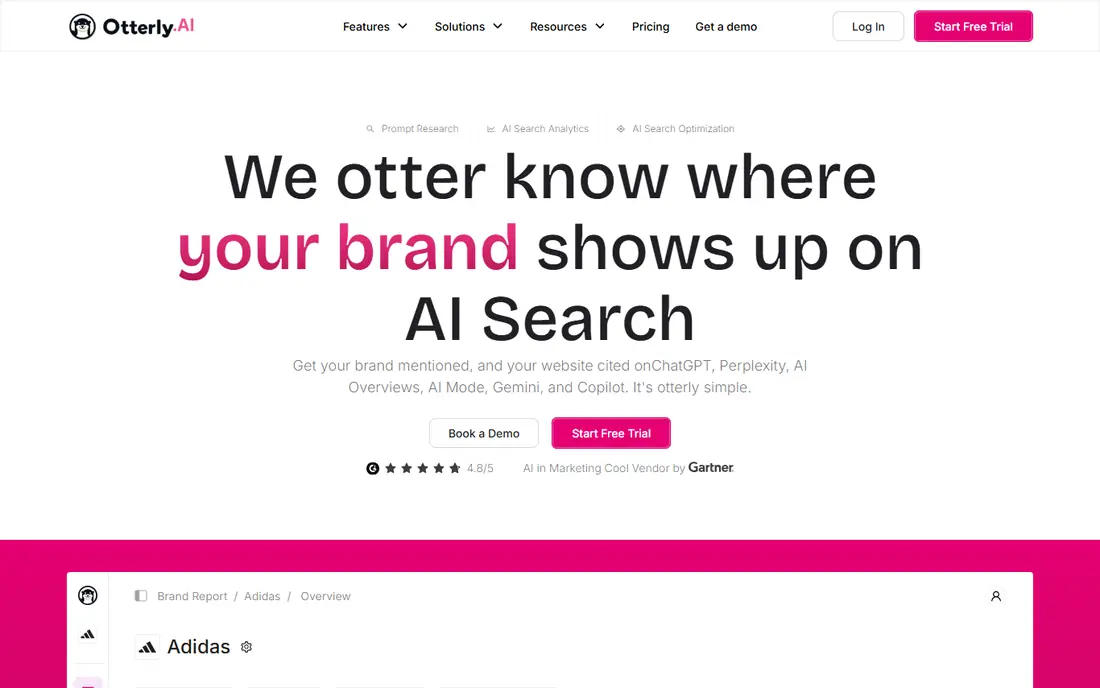
If your main job is small teams that want a quick, low cost way to see whether AI answers mention them and which sources are cited.
Where it stands out is its low entry price and simple dashboard let a small team start tracking without a long onboarding process or a large contract.
The main weakness to weigh is prompt limits and a smaller engine set mean it is less suited to a large brand that needs broad, multi-market tracking from day one.
- Low entry price, simple setup, daily tracking
- Fewer engines on entry plans, prompt limits

This is a strong match for B2B and SaaS teams that need prompt-level detail and want to compare visibility across markets.
Its main advantage in daily use is its prompt-level analytics show which questions drive mentions, which is more useful than a single visibility score.
Watch out for the missing public price adds friction, and a team that needs several countries at once should confirm the plan cost before shortlisting it.
- Prompt-level analytics, country-level tracking, clear citation views
- No public price for logged-out visitors, starter covers one country
Buyers who want larger teams that want to move from a visibility score to specific content fixes and a plan for closing citation gaps.
A concrete strength worth noting is it pairs tracking with analysis of why competitors are cited, which helps editors decide what to publish next.
The honest limitation is the entry price is high for a small site, and teams that only want a simple mention check will pay for depth they may not use.
- Content gap analysis, broad engine coverage, diagnostic tools
- High entry price, more setup for crawler data
A good fit when teams that already run Semrush and want AI visibility data beside keyword, ranking, and audit data.
What sets it apart in practice is keeping AI visibility inside the same suite avoids a second login and makes it easier to link AI mentions to existing SEO work.
A drawback to plan around is per-domain pricing can add up for agencies, and teams that do not use Semrush elsewhere may find a stand-alone tracker cheaper.
- Works inside a familiar SEO suite, covers major AI surfaces, daily updates
- Priced per domain, AI visibility is an add-on cost
Ahrefs Brand Radar
Best for: Teams already using Ahrefs for backlink and keyword work
Consider this option when teams that already pay for Ahrefs and want an AI visibility signal without learning a new platform.
The strongest practical point is it connects AI brand mentions to the search data Ahrefs already collects, which helps a team judge whether a prompt set reflects real demand.
The part that may frustrate you is as an add-on it is costly, and it is a weak choice for a buyer who does not already use Ahrefs for other work.
- Grounds prompts in search data, familiar Ahrefs workflow, brand tracking
- Requires a base Ahrefs plan, add-on cost is high
Teams with teams that want both tracking and ready-to-use recommendations for improving how AI answers describe them.
One feature that earns its place here is its recommendation engine turns a visibility report into specific next steps, which shortens the gap between measurement and action.
One weakness stands out credit-based usage can be confusing at first, and the price puts it out of reach for a very small business testing AI visibility.
- Recommendation engine, broad engine coverage, content optimization help
- High entry price, credit-based usage takes time to learn
Small firms that need teams that already use HubSpot and want a basic AI visibility check inside their existing marketing system.
The most useful strength is its low price and HubSpot integration make it easy to add for a team that already works in HubSpot every day.
The compromise here is coverage is narrower than specialist trackers, so a team that needs Google AI Overviews or broad engine coverage should look elsewhere.
- Simple entry price, works inside HubSpot, daily prompt tracking
- Covers fewer AI surfaces, no Google surfaces listed
How we picked these
We searched vendor pricing pages and recent independent comparisons in October 2026, and we kept only tools that track AI answers and are sold to US buyers now. We compared entry price, engines covered at that tier, prompt limits, and whether the tool helps a team act on the data or only reports a score.
We did not rank tools by marketing claims. We favoured tools with clear engine lists, published or verifiable entry prices, and a trial or free tier where one exists, and we noted where pricing is quote-based so readers can budget for a sales conversation.
Choosing the right AEO tool
Start with the number of prompts you will actually track, not the largest plan on the page. A small site with 20 key questions needs a different tool from a brand tracking hundreds of prompts across markets, and prompt limits are often the real cost driver. Check the engine list at your tier, the refresh rate, and whether reports can be shared with clients or colleagues without extra seats.
A useful test is to run your real work in the tool for a week, using your own data, clients, or questions, rather than a vendor demo. Note where you hit a limit, where support was needed, and whether reports were clear enough to share. That week of real use usually reveals more than a long feature comparison, and it helps you decide whether a higher plan is needed or a lower plan is enough.
Match prompts to the plan
Count your core questions, product names, and competitor names before you compare prices. A plan that looks cheap but caps prompts at 15 will force an upgrade sooner than a slightly higher plan with room to grow. Ask whether prompts can be changed during the term, and whether historical data stays visible if you pause or downgrade.
Check engine coverage at your tier
Some entry plans cover only ChatGPT or a small set of surfaces, while higher plans add Gemini, Perplexity, and Google AI surfaces. Make a short list of the surfaces your customers actually use, and do not pay for engine breadth you will never open. A free trial is a good way to check whether the cited sources match your own checks.
Decide what happens after the report
A score alone rarely changes content. Tools that suggest content fixes, show citation sources, or export reports for clients save editing time, but they cost more. If your team already has editors and analysts, a simple tracker may be enough, and the money saved can go to content work itself.
Start small, then scale
Start on a monthly plan or trial where one is offered, and only move to an annual plan after the tool has proved its fit for at least a month of real work. Annual billing can save money, but it locks you in before you know whether limits, support, or workflow fit your team. When you do scale, check whether extra users, clients, or volume change the price, and keep a note of the renewal date so an annual charge does not surprise you.
FAQ
What is answer engine optimization?
Answer engine optimization is the work of making your brand, products, and facts easy for AI tools to find, cite, and describe correctly. It includes clear pages, factual content, structured data where it fits, and tracking how AI answers mention you over time.
Do I still need classic SEO if I buy an AEO tool?
Yes, in most cases. AI answers often draw on the same pages that rank in classic search, so keyword research, site health, and good content still matter. An AEO tool adds a view of AI surfaces, it does not replace the work of building useful pages.
How many prompts should I track at first?
Start with 20 to 50 prompts that cover your brand, your main products, and the questions buyers ask before they contact you. That range is enough to spot patterns without paying for hundreds of prompts you will not review each week.
Can a small business use these tools?
Yes, if you pick a low entry plan such as Otterly.AI or a tool you already pay for, such as Semrush or HubSpot. Start small, review results monthly, and only move to a larger plan when prompt limits or engine coverage become a real constraint.
How often should AI visibility be checked?
Daily tracking is useful for large brands, but most small teams can review weekly or monthly and still spot trends. The key habit is acting on repeated citation gaps, not checking a score every day without changing any content.
Sources
https://www.profound.com https://otterly.ai https://peec.ai https://www.scrunch.com https://www.semrush.com https://ahrefs.com https://athenahq.ai https://www.hubspot.com