Alternatives to Forethought AI in 2026: 8 Tools Compared
These alternatives to forethought ai cover AI support agents and helpdesk AI, with 8 current tools compared, including the best alternatives to forethought ai.
- Editor's choice
 Intercom Fin
AI deflection for Intercom teams
Starts at$0.99 per resolutionVisit intercom.comFull review - Great alternative
 Zendesk AI
AI agents native to Zendesk
Starts atSee websiteVisit zendesk.comFull review - Also consider
 Freshdesk Freddy AI
Affordable helpdesk AI
Starts at$19 per agent per monthVisit freshworks.comFull review
TL;DR:
- Intercom Fin suits teams that want published per resolution pricing for chat deflection.
- Zendesk AI and Freshdesk Freddy AI suit teams already on those helpdesks.
- Ada, Decagon, and Sierra suit high volume enterprise brands with custom AI agents.
- Forethought was acquired by Zendesk in March 2026, so independence is now a real question for non Zendesk users.
Quick comparison
| Tool | Best for | Starts at | Free plan? | |
|---|---|---|---|---|
| Intercom Fin | AI deflection for Intercom teams | $0.99 per resolution | Free trial | Visit |
| Zendesk AI | AI agents native to Zendesk | See website | Free trial | Visit |
| Freshdesk Freddy AI | Affordable helpdesk AI | $19 per agent per month | Free trial | Visit |
 Ada | Multilingual enterprise chat automation | See website | No | Visit |
 Decagon | AI agents for chat, email, and voice | See website | No | Visit |
 Sierra | Enterprise AI agents with human oversight | See website | No | Visit |
 HubSpot Customer Agent | AI support inside HubSpot | See website | Free trial | Visit |
 Help Scout AI | Simple AI for small support teams | $25 per user per month | Free trial | Visit |
The best alternatives to Forethought AI
Forethought is known for AI agents that deflect, triage, and coach across chat, email, and voice, while sitting on top of helpdesks such as Zendesk and Salesforce. Teams look for an alternative when they want clearer pricing, a native helpdesk AI, phone coverage, or independence from Zendesk after its acquisition of Forethought. The tools below cover those paths, and we separate native helpdesk AI from standalone AI layers, since the buying decision differs.
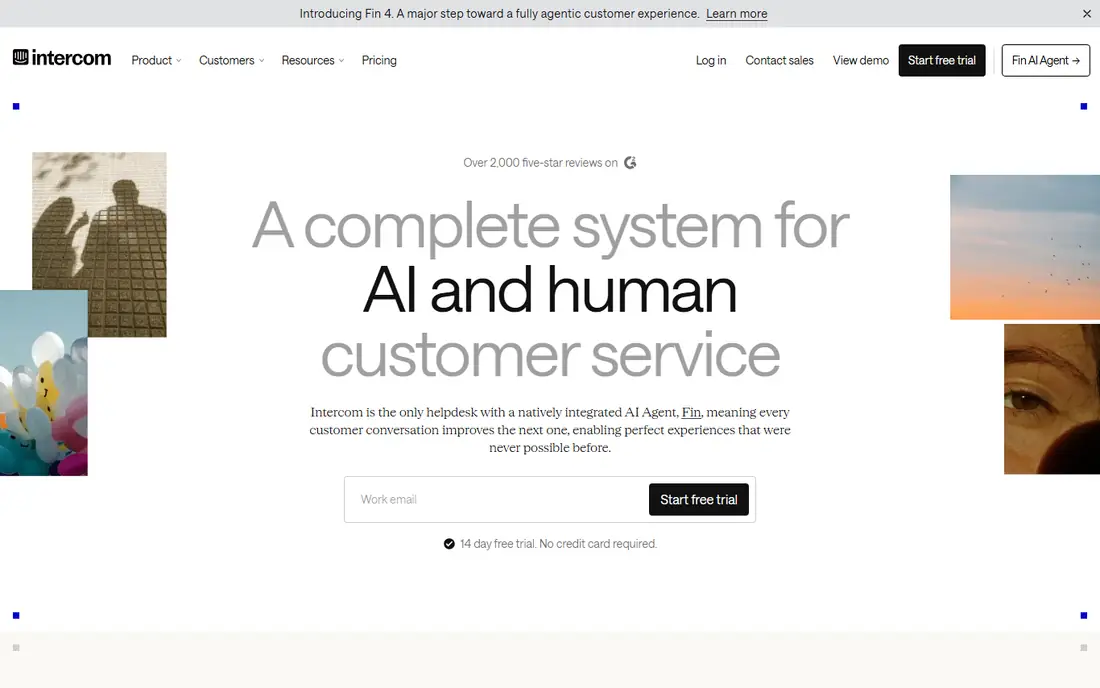
For readers who want a clear first choice, this one earns its place because Intercom Fin is the clearest priced alternative in this list, since you pay per resolved outcome rather than guessing a seat based bill. It is best for ai deflection for intercom teams, and that focus shows in how the features are arranged. The strengths we noted are: per resolution pricing; fast deployment for intercom users; answers from help center content. In daily use, that combination matters more than a long feature list, because it decides whether the tool fits into work you already do, rather than forcing you to rebuild that work around it.
On price, the starting point is $0.99 per resolution, with a free plan listed as free trial. Before you commit, check the current pricing page for the tier you need. The honest catch is: best value inside intercom; other helpdesks need a separate setup. If that limitation touches your main use case, pick a different option from this list. If it does not, this is a solid, current choice that we would shortlist.
- Per resolution pricing
- Fast deployment for Intercom users
- Answers from help center content
- Best value inside Intercom
- Other helpdesks need a separate setup
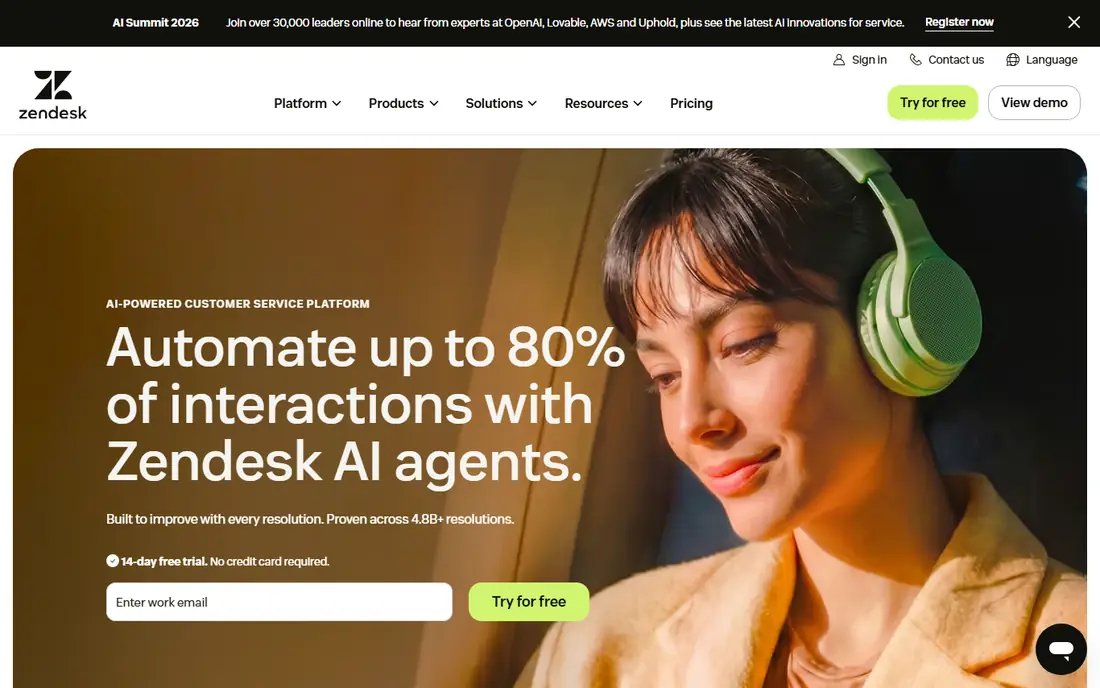
If the priority is getting the job done with little fuss, consider this option, since Zendesk AI is the natural path for Zendesk customers, especially after Zendesk acquired Forethought, since AI now sits inside the helpdesk itself. It is best for ai agents native to zendesk, and that focus shows in how the features are arranged. The strengths we noted are: ai agents, copilot, and knowledge tools inside zendesk; strong reporting and controls. In daily use, that combination matters more than a long feature list, because it decides whether the tool fits into work you already do, rather than forcing you to rebuild that work around it.
On price, the starting point is see website, with a free plan listed as free trial. Before you commit, check the current pricing page for the tier you need. The honest catch is: pricing adds to zendesk seat costs; best value for existing zendesk customers. If that limitation touches your main use case, pick a different option from this list. If it does not, this is a solid, current choice that we would shortlist.
- AI agents, copilot, and knowledge tools inside Zendesk
- Strong reporting and controls
- Pricing adds to Zendesk seat costs
- Best value for existing Zendesk customers
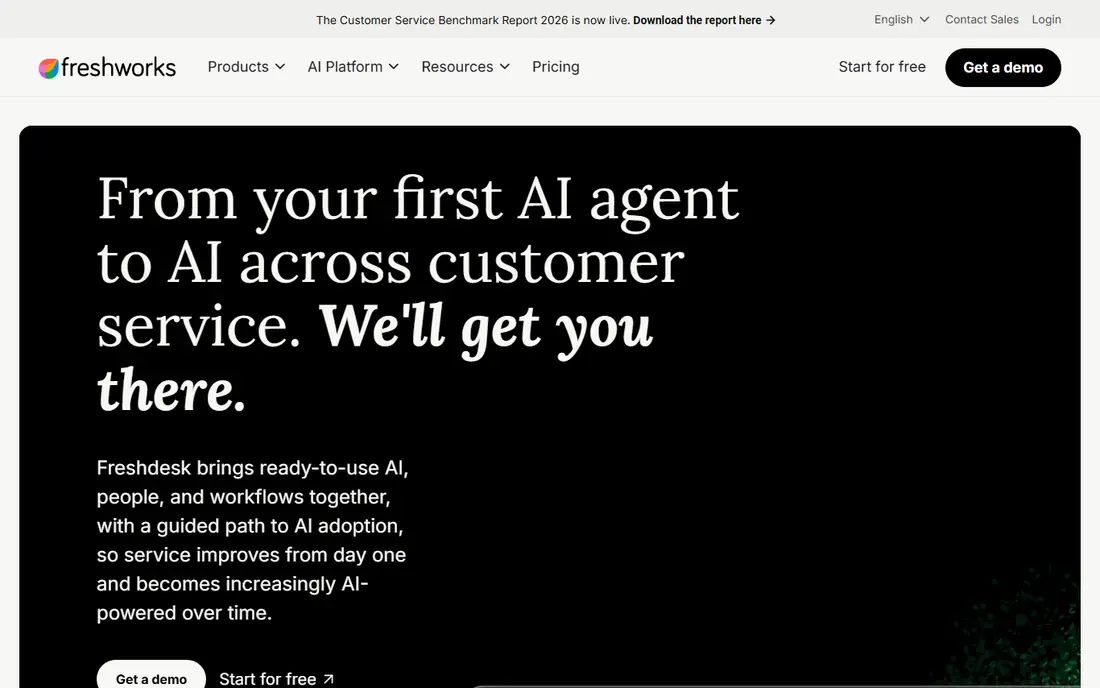
A different kind of buyer will gravitate to this tool, mainly because Freshdesk with Freddy AI suits growing teams priced out of enterprise AI, since ticketing and AI arrive in one lower cost platform. It is best for affordable helpdesk ai, and that focus shows in how the features are arranged. The strengths we noted are: ticketing plus freddy ai copilot and agent tools; lower entry price than enterprise suites. In daily use, that combination matters more than a long feature list, because it decides whether the tool fits into work you already do, rather than forcing you to rebuild that work around it.
On price, the starting point is $19 per agent per month, with a free plan listed as free trial. Before you commit, check the current pricing page for the tier you need. The honest catch is: ai depth varies by tier; advanced automation needs higher plans. If that limitation touches your main use case, pick a different option from this list. If it does not, this is a solid, current choice that we would shortlist.
- Ticketing plus Freddy AI copilot and agent tools
- Lower entry price than enterprise suites
- AI depth varies by tier
- Advanced automation needs higher plans
On balance, this is the pick for people who value depth over novelty, as Ada suits enterprise consumer brands with high chat volume across languages, where containment rate and brand control matter most. It is best for multilingual enterprise chat automation, and that focus shows in how the features are arranged. The strengths we noted are: high containment for chat; multilingual support; strong brand and compliance controls. In daily use, that combination matters more than a long feature list, because it decides whether the tool fits into work you already do, rather than forcing you to rebuild that work around it.
On price, the starting point is see website, with a free plan listed as no. Before you commit, check the current pricing page for the tier you need. The honest catch is: pricing is quote only; implementation suits larger teams. If that limitation touches your main use case, pick a different option from this list. If it does not, this is a solid, current choice that we would shortlist.
- High containment for chat
- Multilingual support
- Strong brand and compliance controls
- Pricing is quote only
- Implementation suits larger teams
What sets this option apart is its focus, and Decagon suits high growth tech brands that want AI agents handling full conversations, not just suggested replies for human agents. It is best for ai agents for chat, email, and voice, and that focus shows in how the features are arranged. The strengths we noted are: ai agents across chat, email, and voice; detailed conversation logic; enterprise integrations. In daily use, that combination matters more than a long feature list, because it decides whether the tool fits into work you already do, rather than forcing you to rebuild that work around it.
On price, the starting point is see website, with a free plan listed as no. Before you commit, check the current pricing page for the tier you need. The honest catch is: pricing is quote only; setup needs a dedicated team and time. If that limitation touches your main use case, pick a different option from this list. If it does not, this is a solid, current choice that we would shortlist.
- AI agents across chat, email, and voice
- Detailed conversation logic
- Enterprise integrations
- Pricing is quote only
- Setup needs a dedicated team and time
For a smaller budget or a simpler workflow, this choice makes sense because Sierra suits Fortune level brands and regulated teams that need careful oversight, audit trails, and a partner that builds agents with them. It is best for enterprise ai agents with human oversight, and that focus shows in how the features are arranged. The strengths we noted are: outcome based pricing; strong oversight and quality controls; regulated industry focus. In daily use, that combination matters more than a long feature list, because it decides whether the tool fits into work you already do, rather than forcing you to rebuild that work around it.
On price, the starting point is see website, with a free plan listed as no. Before you commit, check the current pricing page for the tier you need. The honest catch is: pricing is quote only; best suited to large brands with complex needs. If that limitation touches your main use case, pick a different option from this list. If it does not, this is a solid, current choice that we would shortlist.
- Outcome based pricing
- Strong oversight and quality controls
- Regulated industry focus
- Pricing is quote only
- Best suited to large brands with complex needs
Teams with a specific need should look closely here, since HubSpot Customer Agent suits teams already running sales and marketing on HubSpot, since support AI can use the same CRM context. It is best for ai support inside hubspot, and that focus shows in how the features are arranged. The strengths we noted are: customer agent answers from hubspot knowledge base; crm context for every conversation. In daily use, that combination matters more than a long feature list, because it decides whether the tool fits into work you already do, rather than forcing you to rebuild that work around it.
On price, the starting point is see website, with a free plan listed as free trial. Before you commit, check the current pricing page for the tier you need. The honest catch is: needs hubspot service hub; per resolved conversation costs add up at volume. If that limitation touches your main use case, pick a different option from this list. If it does not, this is a solid, current choice that we would shortlist.
- Customer Agent answers from HubSpot knowledge base
- CRM context for every conversation
- Needs HubSpot Service Hub
- Per resolved conversation costs add up at volume
Rounding out the list, this option appeals to buyers who want Help Scout AI suits small teams that want a simple shared inbox with AI answers, without adopting a large enterprise platform. It is best for simple ai for small support teams, and that focus shows in how the features are arranged. The strengths we noted are: ai answers for chat plus drafting and summaries; simple shared inbox; lower complexity. In daily use, that combination matters more than a long feature list, because it decides whether the tool fits into work you already do, rather than forcing you to rebuild that work around it.
On price, the starting point is $25 per user per month, with a free plan listed as free trial. Before you commit, check the current pricing page for the tier you need. The honest catch is: ai resolution fees add to seat costs; enterprise automation is lighter than ada or decagon. If that limitation touches your main use case, pick a different option from this list. If it does not, this is a solid, current choice that we would shortlist.
- AI Answers for chat plus drafting and summaries
- Simple shared inbox
- Lower complexity
- AI resolution fees add to seat costs
- Enterprise automation is lighter than Ada or Decagon
How we picked these
We compared official feature pages, pricing pages, app store listings, and public documentation for tools that are still available in October 2026, and we kept only products that truly fit the topic. We favored tools with clear pricing or a usable free tier, a current homepage, and a track record of regular updates. We did not claim hands-on testing, and we checked that each website below belongs to the product named. Where a price was not published clearly, we wrote See website rather than guessing.
How to choose a Forethought alternative
Start with your helpdesk, not the AI vendor
If you already use Zendesk, Freshdesk, Intercom, or HubSpot, native AI is usually faster to deploy and easier to support than a standalone layer. Standalone tools such as Ada, Decagon, and Sierra make sense when you run several helpdesks, need deeper agent logic, or want independence from one vendor roadmap.
Compare pricing on the same basis
Some tools charge per seat, some per resolution, and some per conversation, so a headline price can mislead. Estimate your monthly ticket volume, your target deflection rate, and your agent count, then ask each vendor for a total at that volume. A low per resolution price can still cost more than a seat plan if volume is high.
Test with real tickets before you sign
Run a pilot on real tickets, with human review, and measure resolution rate, escalation quality, and customer satisfaction, not just containment. Check handoff quality closely, since a bad handoff costs more trust than a slow answer. Keep a human path clear for billing, safety, and account issues.
FAQ
What are the best alternatives to forethought ai?
The best alternatives to forethought ai for most teams are Intercom Fin for clear per resolution pricing, Zendesk AI for Zendesk users, and Freshdesk Freddy AI for lower cost helpdesk AI. Ada, Decagon, and Sierra suit larger enterprise programs.
Is Forethought still independent?
No. Zendesk completed its acquisition of Forethought in March 2026, folding it into the Zendesk ecosystem. Zendesk has said Forethought will remain available to non Zendesk customers, but long term independence is uncertain.
Which alternative is cheapest?
It depends on volume. Intercom Fin at $0.99 per resolution can be cheap at low volume, while Freshdesk at $19 per agent per month can be cheap for small teams. Quote only enterprise tools are usually far more expensive.
Do I need a standalone AI tool if my helpdesk has AI?
Usually not. Zendesk, Freshdesk, Intercom, and HubSpot all ship native AI agents and copilots that cover common deflection and drafting needs. Choose a standalone tool only when native AI lacks a channel, language, or logic you need.
Can AI agents handle phone support too?
Some can, including Decagon and Sierra, which cover voice beside chat and email. Helpdesk native AI often starts with chat and email, so check voice coverage and call quality before buying for a phone heavy team.