Alternatives to Enterprise SSO Leaders in 2026: 8 Tools Compared
We compared alternatives to enterprise SSO leaders on single sign-on, MFA, provisioning and price to help IT teams pick secure identity tools for workforces.
- Editor's choice
 Auth0 by Okta
Developer identity
Starts atSee websiteVisit auth0.comFull review - Great alternative
 Keycloak
Self hosted SSO
Starts atFreeVisit keycloak.orgFull review - Also consider
 FusionAuth
Self hosted CIAM
Starts atSee websiteVisit fusionauth.ioFull review
TL;DR:
- Okta, Microsoft Entra ID and Ping Identity lead enterprise single sign-on, so alternatives must match them on protocols, provisioning and admin controls.
- Auth0, Keycloak and FusionAuth suit teams that need developer friendly identity or self hosted control.
- JumpCloud and Microsoft Entra ID fit small and mid sized teams that want directory plus SSO in one place.
- Pricing is often per user per month with tiered features, so compare MFA, provisioning and support together, not just the headline rate.
Quick comparison
| Tool | Best for | Starts at | Free plan? | |
|---|---|---|---|---|
| Auth0 by Okta | Developer identity | See website | Yes | Visit |
| Keycloak | Self hosted SSO | Free | Yes | Visit |
| FusionAuth | Self hosted CIAM | See website | Yes | Visit |
 JumpCloud | Directory plus SSO | See website | Yes | Visit |
 Microsoft Entra ID | Microsoft shops | See website | Yes | Visit |
 PingOne | Enterprise identity | See website | Free trial | Visit |
 Frontegg | SaaS customer identity | See website | Free trial | Visit |
 Logto | Open source identity | Free | Yes | Visit |
The best alternatives to enterprise sso leaders
Enterprise single sign-on leaders, such as Okta Workforce Identity, Microsoft Entra ID and Ping Identity, set a high bar: SAML and OpenID Connect support, multi factor authentication, SCIM provisioning, lifecycle management and detailed audit logs. Alternatives to enterprise SSO leaders make sense when a team needs lower cost, self hosting, developer friendly APIs, or customer identity rather than workforce identity. We compared official documentation, protocol support, provisioning features and public reviews for the tools below.
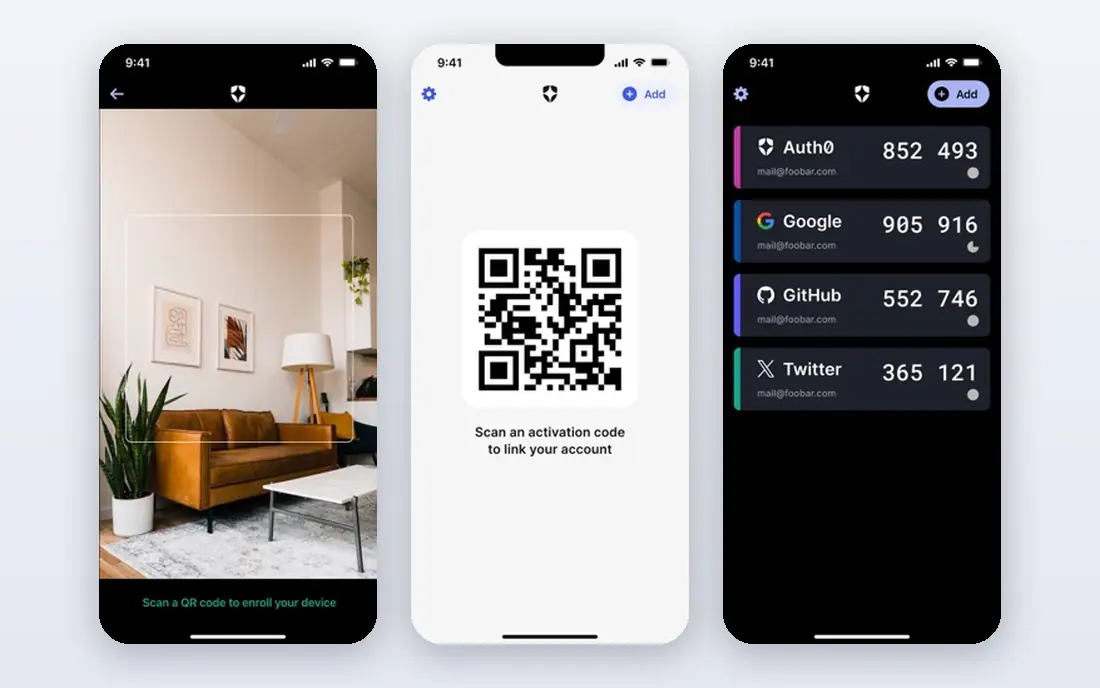
Auth0, now part of Okta, is a developer friendly identity platform for customer and workforce login, with support for social logins, enterprise connections, passwordless options and multi factor authentication. Developers can add login with SDKs, customise flows with Actions, and connect to SAML and OpenID Connect providers without building identity from scratch. A free tier helps small projects start.
The catch is pricing by monthly active users, which can rise fast for a popular consumer app, and workforce SSO features sit on specific plans that need checking. Auth0 fits SaaS teams that need customer login, product teams that want fast integration, and firms that already use Okta but want a developer led identity layer.
- Strong developer docs
- Many social and enterprise connections
- Flexible rules and actions
- Pricing grows with monthly active users
- Workforce features need careful plan choice
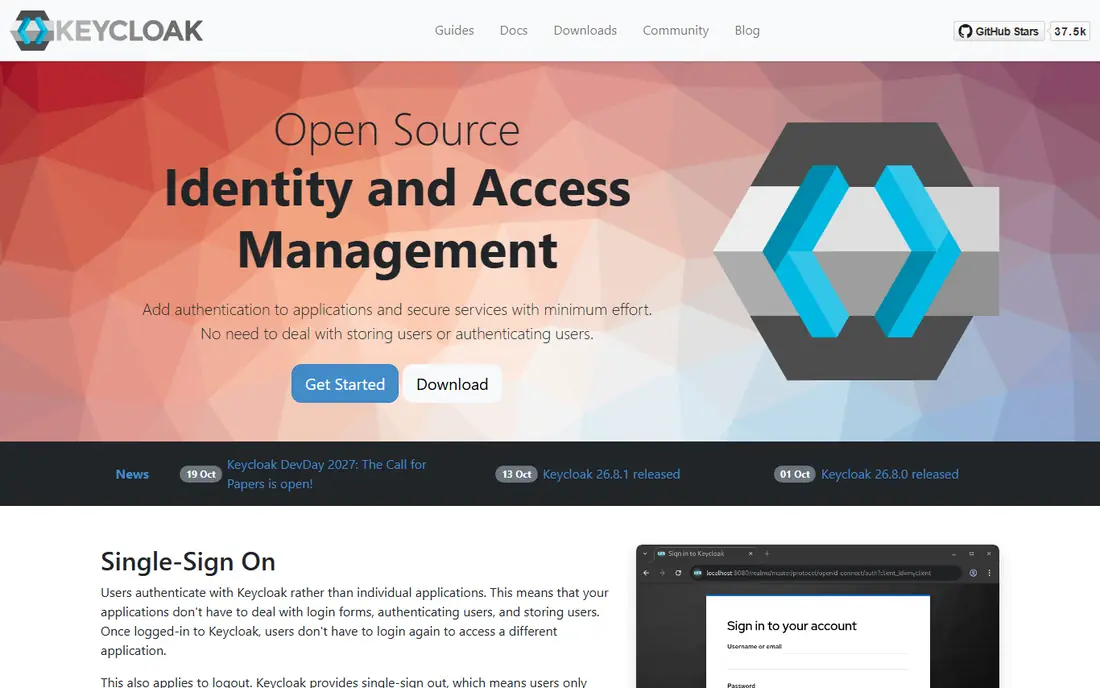
Keycloak is an open source identity server that provides single sign-on, user federation, social login and admin controls without a per user fee. A team can run it on its own servers or in a container, connect it to LDAP or Active Directory, and use realms to separate customers, partners and staff. That control appeals to regulated firms and teams with strict data residency needs.
Self hosting adds work: patching, backups, high availability and security monitoring fall on the team, not a vendor. The admin interface is powerful but takes time to learn, and support comes mainly from community resources unless a commercial support partner is used. Keycloak fits technical teams that want full control, that can run infrastructure well, and that want to avoid per user pricing.
- Free and open source
- SAML and OpenID Connect
- User federation and realms
- Needs in house hosting and maintenance
- Admin interface has a learning curve
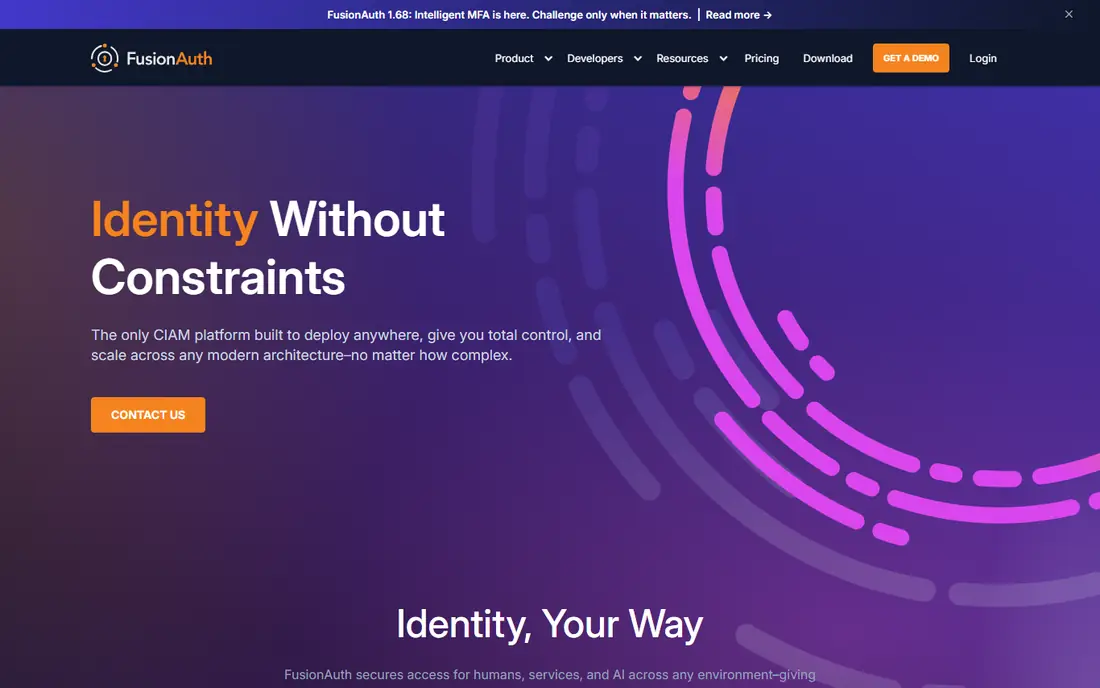
FusionAuth offers customer identity and access management with self hosting or cloud deployment, multi factor authentication, social login and single sign-on. Its pricing model, with unlimited users on some paid plans, suits consumer apps where monthly active user pricing would be costly. APIs and webhooks help developers tie login to their own user data and workflows.
The ecosystem is smaller than Okta or Microsoft, so ready made integrations may be fewer, and some advanced enterprise features need higher tiers. FusionAuth fits SaaS firms with many consumer users, teams that want self hosting without building identity from scratch, and developers who value clear APIs.
- Self hosting or cloud
- Clear pricing for unlimited users on some plans
- Strong APIs
- Smaller ecosystem than Okta
- Some enterprise features need higher tiers
JumpCloud combines a cloud directory with single sign-on, multi factor authentication and device management, which suits small and mid sized teams without Active Directory. Admins can manage users, groups, devices and app access from one console, and the free tier covers small teams. Support for Windows, Mac and Linux devices helps mixed device firms.
The SSO catalogue is smaller than Okta, so a team with many niche SaaS apps should check app coverage before switching. Identity governance, such as access reviews and complex lifecycle rules, is also thinner than in a full enterprise identity suite. JumpCloud fits small IT teams that want directory plus SSO without a large enterprise contract.
- Directory, device management and SSO in one tool
- Free tier for small teams
- Cross platform support
- SSO app catalogue is smaller than Okta
- Advanced identity governance needs other tools
Microsoft Entra ID, formerly Azure Active Directory, is the natural alternative for firms that already use Microsoft 365, Teams and Azure. It offers single sign-on, conditional access, multi factor authentication and a large gallery of pre integrated apps, plus a free tier for basic identity. Conditional access policies let admins require MFA or a compliant device for sensitive apps, which is a strong security control.
Licensing is the hard part: Entra ID features sit across free, P1 and P2 tiers, and Microsoft 365 bundles, so two firms can pay very different amounts for similar controls. Setup outside the Microsoft ecosystem can also feel heavier than in Okta. Entra ID fits Microsoft centred firms, schools and public sector teams, and any IT team that wants identity tied closely to Microsoft 365.
- Deep Microsoft 365 integration
- Conditional access
- Large app gallery
- Setup can be complex outside Microsoft tools
- Licensing tiers confuse buyers
PingOne, from Ping Identity, is itself a leading enterprise identity platform, and it appears here as an alternative for teams comparing Okta and Microsoft on enterprise features. It supports SAML, OpenID Connect, adaptive MFA, directory integration and partner identity, with detailed policy controls for complex firms. Regulated industries and large partner ecosystems are a natural fit.
Pricing is quote based, and implementation for complex setups can need expert help or a partner, which raises total cost. PingOne fits large firms with complex identity needs, partner access requirements, and an IT team that can manage an enterprise rollout.
- Enterprise grade SSO and MFA
- Strong partner identity options
- Detailed policies
- Pricing is quote based
- Implementation can need expert help
Frontegg is built for SaaS vendors that need to offer single sign-on to their own customers, with tenant level admin, roles, audit logs and enterprise connections. A SaaS team can let each customer tenant manage its own SSO, users and permissions through a self serve portal, rather than building that admin layer itself. That focus saves product teams months of identity work.
Frontegg is less suited as a general workforce directory for a single company, since its strength is customer identity for a multi tenant product. Pricing for larger use is quote based, so small SaaS firms should trial the free or starter options first. Frontegg fits SaaS product teams that sell to enterprise customers who demand SSO as part of a deal.
- Built for SaaS customer SSO
- Self serve admin for tenants
- Audit logs and roles
- Workforce SSO is not its main focus
- Pricing is quote based for larger use
Logto is an open source identity platform with a modern admin console, SDKs and connectors for social and enterprise login. It offers self hosting or a cloud version, multi factor authentication options, and a developer friendly setup that suits small product teams. The free open source version lets a team start without a vendor contract.
Logto is newer than Keycloak, so its community, integration catalogue and enterprise feature set are still growing. Teams that need deep identity governance or a large support organisation should test it carefully. Logto fits startups and developers who want an open source, modern alternative to larger identity platforms, and who can accept a younger ecosystem.
- Open source
- Modern developer experience
- Social and enterprise connectors
- Newer project with a smaller community
- Enterprise features still growing
How we picked these
We compared official documentation for SAML, OpenID Connect, MFA, SCIM provisioning, directory integration and audit logging, along with pricing models and public reviews. We kept only identity tools that offer single sign-on in 2026, that publish clear documentation, and that suit either workforce or customer identity use. We favoured tools with a free tier or trial, since identity changes need testing with real apps before a rollout.
How to choose an SSO alternative without breaking login
Start by listing every app that must support SSO, and check protocol support for each one, since a tool that lacks a SAML app for a key system will stall a rollout. Test MFA enrolment, password recovery and admin audit logs with a pilot group before moving the whole company. Plan a rollback step, such as keeping the old login path available for a short period, so a failed change does not lock staff out.
Security and provisioning
Single sign-on improves security only when MFA is enforced and provisioning is automated: joiners should gain access through groups, movers should lose old access, and leavers should lose all access promptly. Check SCIM support for your main apps, since manual provisioning leaves stale accounts behind. Review audit logs regularly, and require phishing resistant MFA for admin and finance apps where possible.
FAQ
What are the best alternatives to enterprise SSO leaders?
Auth0, Keycloak, FusionAuth, JumpCloud and Microsoft Entra ID are strong alternatives, depending on whether you need developer identity, self hosting, directory plus SSO, or Microsoft integration. PingOne is a direct enterprise rival to Okta, while Frontegg suits SaaS customer identity. Compare protocol support and provisioning for your actual app list, not just the headline price.
Is Keycloak a good alternative to Okta?
Keycloak is a good alternative for technical teams that want free, self hosted single sign-on with SAML and OpenID Connect support. It lacks the managed support, large app catalogue and identity governance of Okta, and it adds hosting and maintenance work. Keycloak fits teams that can run infrastructure well and want to avoid per user fees.
What is the best SSO for small business?
JumpCloud and Microsoft Entra ID are strong small business picks, since they combine directory, SSO and MFA in one place. Auth0 suits small SaaS teams that need customer login, while Keycloak suits technical teams that want a free self hosted option. Small teams should trial with their real apps and check MFA enrolment before committing.
Do SSO alternatives support MFA?
Most modern SSO alternatives support multi factor authentication, including authenticator apps, push approvals and, on higher tiers, hardware keys. Check whether MFA is included in the plan you buy, since some vendors gate advanced MFA or phishing resistant options behind higher tiers. Enforce MFA for all staff, not just admins, for the full security benefit.
How much does enterprise SSO cost?
Enterprise SSO pricing is usually per user per month, with tiers for MFA, provisioning, lifecycle management and support, and many enterprise plans are quote based. Self hosted open source options such as Keycloak and Logto avoid per user fees but add hosting and staff costs. Compare total cost, including implementation and admin time, not just the licence fee.
Can I migrate from Okta to another SSO provider?
Yes, migration is possible, but it needs planning: export users and groups, map app connections, test SAML and OpenID Connect settings in a pilot, and move apps in batches. Keep the old provider available during the cutover, and communicate MFA re-enrolment steps to staff in advance. A staged migration reduces the risk of a company wide login outage.