Switching From Folk? 5 Alternatives for 2026
Folk alternatives in 2026: 5 tools with starting prices, free plans and limits. Airtable is the first pick for teams building custom databases and workflows.
- Editor's choice
 Airtable
Teams building custom databases and workflows
Starts at$20 per user a monthVisit airtable.comFull review - Great alternative
 Clay
Data-driven go-to-market workflows
Starts at$167 a monthVisit clay.comFull review - Also consider
 Streak
CRM work inside Gmail
Starts at$49 per user per monthVisit streak.comFull review
Direct answer
If you need teams building custom databases and workflows, Airtable is the first tool to look at here. Listed starting prices: Airtable from $20 per user a month, Clay from $167 a month and Streak from $49 per user per month. Alternatives: Clay for data-driven go-to-market workflows, and Streak for CRM work inside Gmail. The other 2 tools in the list cover narrower or pricier cases.
TL;DR:
- The list opens with Airtable, aimed at teams building custom databases and workflows.
- For the cheapest start, look at Notion: $10 per member per month.
- Airtable comes with a trade-off: needs setup to become a CRM.
- Notion fits combining notes, docs and light CRM.
- Airtable, Streak, Attio, Notion: these are the 4 tools out of 5 that offer a free plan.
Last checked November 2026. Prices and plan details were read from the vendors' own pages in November 2026; vendors change plans often, so confirm the current price on the vendor site before you buy.
Quick comparison
| Tool | Best for | Starts at | Free plan? | |
|---|---|---|---|---|
| Airtable | Teams building custom databases and workflows | $20 per user a month | Yes | Visit |
| Clay | Data-driven go-to-market workflows | $167 a month | Free trial | Visit |
| Streak | CRM work inside Gmail | $49 per user per month | Yes | Visit |
 Attio | Modern revenue teams wanting adaptable CRM | $50 per workspace per month | Yes | Visit |
 Notion | Combining notes, docs and light CRM | $10 per member a month | Yes | Visit |
The 5 tools in detail
LinkVetted compared 5 tools for Folk. The goal is a practical shortlist: published prices, free plan facts, best-fit use cases and honest limits for every entry.
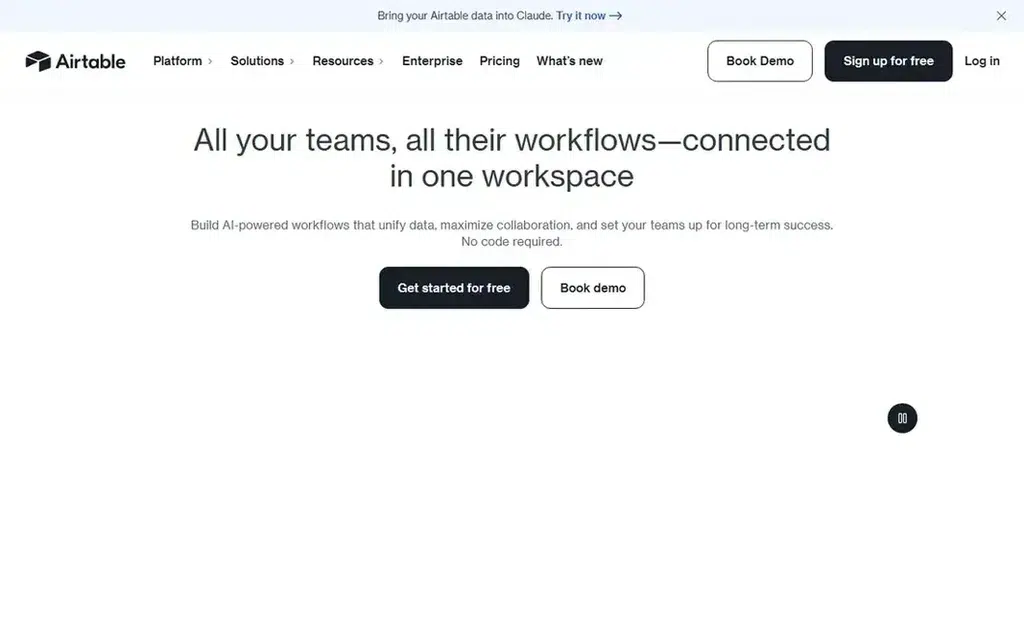
Pick Airtable if this describes you: teams building custom databases and workflows. Teams use it to collaborate in real time, automate repetitive tasks and simplify business processes. Choose Airtable when customization matters more than out-of-the-box sales features.
Airtable does not arrive as a ready-made sales CRM, so someone has to design the structure and maintain it as needs change. That adaptability can also lead to sprawling bases if governance is loose. Worth adding: for people leaving Folk, it is a capable choice when you want to shape your own CRM or tracker around your exact fields and views instead of accepting a fixed layout. Airtable pricing: $20 per user per month. Free access exists with Airtable.
Points against: Needs setup to become a CRM.
- Apps and agents
- Live collaboration
- Can grow complicated over time
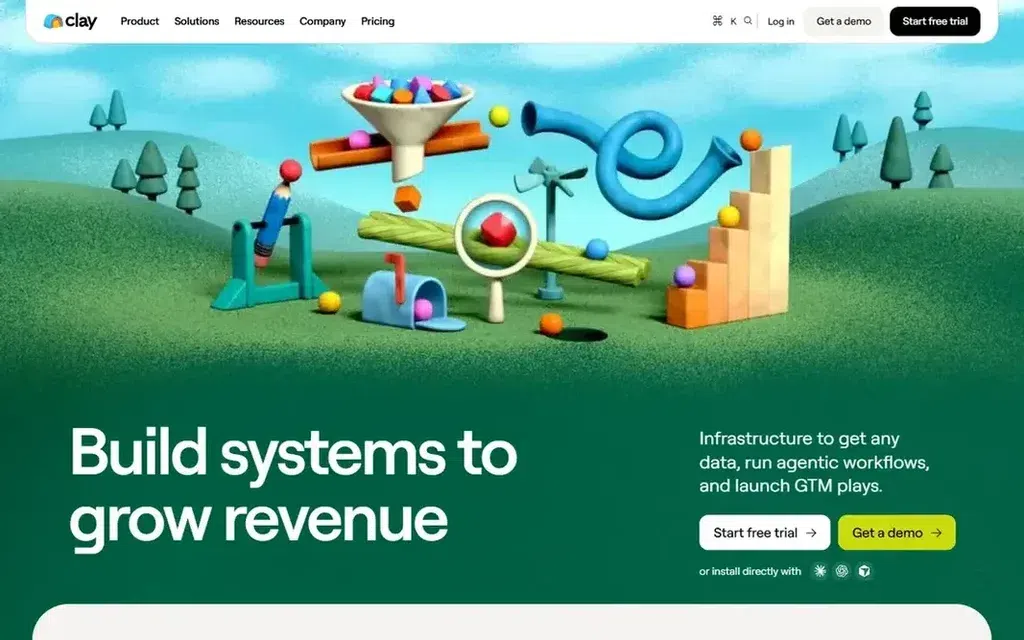
Clay is designed for data-driven go-to-market workflows. Clay describes itself as infrastructure to get any data, run agentic workflows and launch go-to-market plays.
It is less a classic contact manager and more a system for assembling data and automating outreach and research processes. More specifically, Clay assumes you are willing to design workflows and think for data sources, which can be a ramp-up time for small teams wanting a straightforward CRM. Clay pricing: $167 per month. Free access: Free trial.
Where it is weaker: Not a traditional CRM interface.
- Designed for launching GTM plays
- Pulls in data from numerous sources
- Needs comfort with workflow design
Streak makes the most sense for CRM work inside Gmail. Streak is a Gmail CRM for high-performing teams, letting you handle sales and customer relationships straight inside your inbox. That makes it a natural Folk alternative for teams that live in Gmail and want pipeline tracking without opening another tab or learning a separate interface.
From a buyer's view, since Streak is built around Gmail, its value relies on your team working primarily in Google email. Teams on other email systems or those wanting a broader data product should consider Attio, Airtable or Clay. On cost, Streak starts like this: $49 per user per month. Streak includes a free tier.
Drawbacks to consider: Tied closely to Gmail.
- Runs straight in Gmail
- Handles sales and relationships
- Less handy for non-email workflows
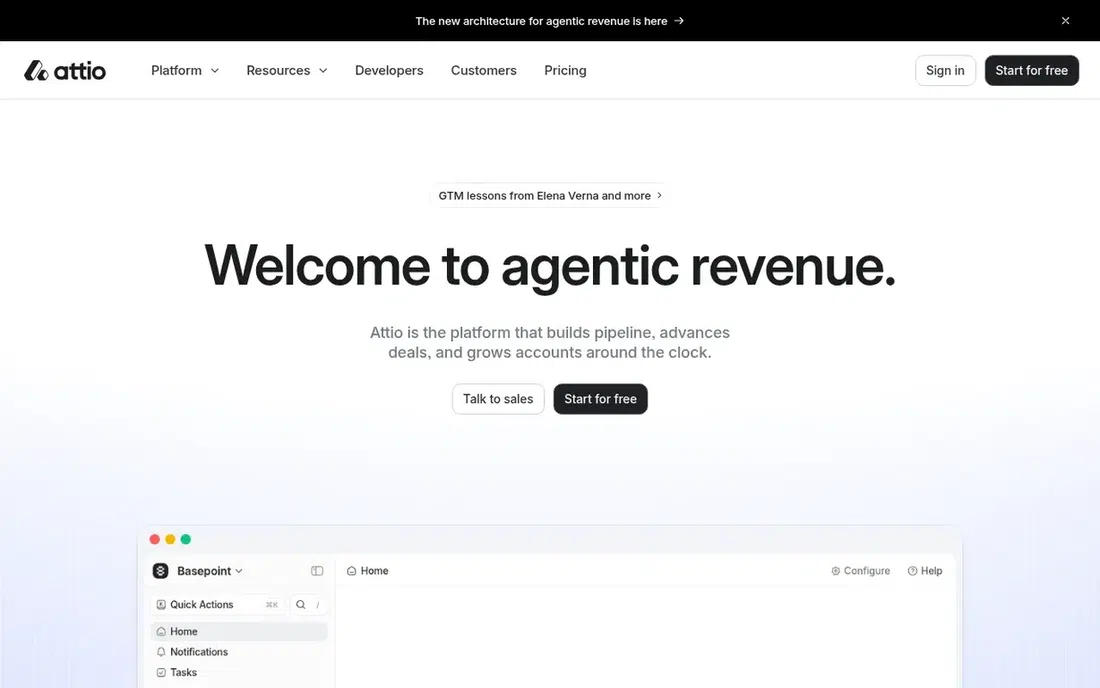
Attio is designed for modern revenue teams wanting adaptable CRM. Attio presents itself as a CRM for agentic revenue, pitched at revenue teams that want to build pipeline, accelerate deals and grow accounts continuously. From a buyer's view, instead of a static contact list, it frames the CRM as a working system for sales and account work.
Downsides: May be more CRM than some teams need.
Also, since Attio is purpose-built for revenue teams, it may feel heavier than a straightforward database for people who mainly want to organize notes and contacts. From a buyer's view, teams whose work is largely project tracking or content planning should look at Airtable or Notion instead. Attio cost at the entry level: $50 per workspace per month. Attio has a free plan.
- Adaptable data model
- Made for pipeline and account growth
- Not a spreadsheet-style database
For combining notes, docs and lightweight CRM, Notion is a natural candidate. Notion bills itself as the AI workspace that works for you, with custom agents, search across your apps and automation of busywork.
Watch-outs: CRM features are self-built.
Where Notion stands out: databases and agents together. Notion is a general workspace, so pipeline reporting and sales automation rely on how well you build them yourself. From a buyer's view, teams often build a light CRM inside it alongside notes, docs and project pages. Notion cost at the entry level: $10 per member per month. Notion has a free plan.
- Docs
- Automates busywork
- Less sales-specific than dedicated tools
How we built this list
Selection started from tools commonly considered for Folk, then narrowed to 5 that have clear pricing information or a clear quote process. Treat prices as a snapshot: vendors change plans often, so check the vendor site for the figure that applies today. The sequence is a judgement call: typical use case first, then pricing transparency, then free access. Use the profiles to check fit.
What to confirm before you sign up
- Confirm the entry price on the vendor page: Notion starts at $10 per member per month, but seat counts and billing terms change the total.
- Read the fine print on the free plans from Airtable, Streak, Attio and Notion; seat, project and feature caps differ.
- Use real work to test the free trial from Clay, rather than a demo project.
- Before choosing Airtable, weigh its main limit: needs setup to become a CRM.
- Total up the real monthly cost of Notion, including add-ons, extra users and usage-based fees.
- Check the integration list for Attio against the tools you run today, and note which ones need a higher plan.
FAQ
Which options for Folk have a free plan?
On this list, Airtable, Streak, Attio and Notion include a free plan. Caps on seats, usage or features are common, so test the free plan against your real workload. One other tool offers a trial instead.
What is the cheapest option for Folk in this list?
On published monthly entry prices, Notion is the lowest here at $10 per member per month. Entry price is only part of the cost, because seats, add-ons and billing terms can change the total. Prices, free plan details and limits for all 5 tools in this Folk alternatives roundup sit on the individual cards above.
How are the tools for Folk ordered?
Airtable sits first and Notion last because the order follows typical fit for Folk, then price clarity and free access. It is a judgement call, so read each profile for fit and limits.
Do these tools publish their prices?
Yes. Every tool from Airtable to Notion shows a starting price, though seats, add-ons and billing terms still change the final cost. Each of the 5 options in this Folk alternatives guide has its own card above with the price, free plan and limits.