Best Identity Resolution Software for Startups in 2026: Prices, Free Plans and 5 Picks
Weighing the best identity resolution software for startups? We lined up 5 products by cost, free access and fit. We note where every tool falls short. No hype.
- Editor's choice
 RudderStack
Warehouse-native teams with engineering ownership
Starts atPricing on requestVisit rudderstack.comFull review - Great alternative
 LiveRamp
Data collaboration across partners and systems
Starts atPricing on requestVisit liveramp.comFull review - Also consider
 Segment
Startups wanting one CDP for collection and identity
Starts atPricing on requestVisit segment.comFull review
Direct answer
Our first pick is RudderStack, best for warehouse-native teams with engineering ownership. Alternatives: LiveRamp for Data collaboration across partners and systems, and Segment for startups wanting one CDP for collection and identity. The full list of 5 tools follows, with free plan facts. None of these vendors publish plan prices, so pricing is on request for every option.
TL;DR:
- Top of the list is RudderStack, which targets warehouse-native teams with engineering ownership.
- RudderStack, mParticle and the 3 others all sell by quote; expect sales conversations before you see a price.
- None of the 5 tools, from RudderStack to mParticle, has a free plan, so budget for a subscription or use a trial.
- mParticle is the one to check for audience building and activation workflows.
- A fair warning about Treasure Data: Experience product scope may be broad for startups.
Last checked November 2026. Pricing on request: vendors did not publish plan prices when this guide was last checked (November 2026), so ask each vendor for a written quote.
Quick comparison
| Tool | Best for | Starts at | Free plan? | |
|---|---|---|---|---|
| RudderStack | Warehouse-native teams with engineering ownership | Pricing on request | Not stated | Visit |
| LiveRamp | Data collaboration across partners and systems | Pricing on request | Not stated | Visit |
| Segment | Startups wanting one CDP for collection and identity | Pricing on request | Free trial | Visit |
 Treasure Data | AI-driven customer experience programs | Pricing on request | Not stated | Visit |
 mParticle | Audience building and activation workflows | Pricing on request | Not stated | Visit |
Identity Resolution Software for Startups profiles
If you are comparing identity resolution software for startups, this page covers 5 tools in one place: what each is best for, what it costs to start, whether it has a free plan, and the main limit to know about.
RudderStack targets warehouse-native teams with engineering ownership. Startups with engineering-led data teams commonly prefer this model since identity logic lives close to the warehouse.
On top of that, marketing-led teams without engineering support may find a managed CDP simpler to adopt. Beyond that, the warehouse-native approach assumes you have a warehouse and the staff to maintain pipelines. Pricing for RudderStack is not stated here, so ask the vendor for current figures. On free options: Not stated.
Trade-offs to know: Warehouse dependency shapes architecture choices.
- Spans the full customer data lifecycle
- Contains governance alongside activation
- Engineering-heavy compared to marketing-led tools
For Data collaboration across partners and products, LiveRamp is a natural candidate. LiveRamp positions itself as a data collaboration network for the AI era, connecting signals, products, and agents to support intelligent marketing. In practice, the collaboration focus can exceed what an early startup needs for entry-level profile unification.
Trade-offs to know: May be broader than core startup identity needs.
In daily use, if your identity work is confined to your own product and marketing stack, a CDP-first choice is likely more straightforward. Startups that rely on partner data or cross-platform collaboration may find this orientation handy. LiveRamp does not show a starting price in this comparison, so check the vendor site for current pricing. Free options: Not stated.
- Links signals, systems, agents
- Designed for proving marketing impact
- Orientation toward partner data collaboration
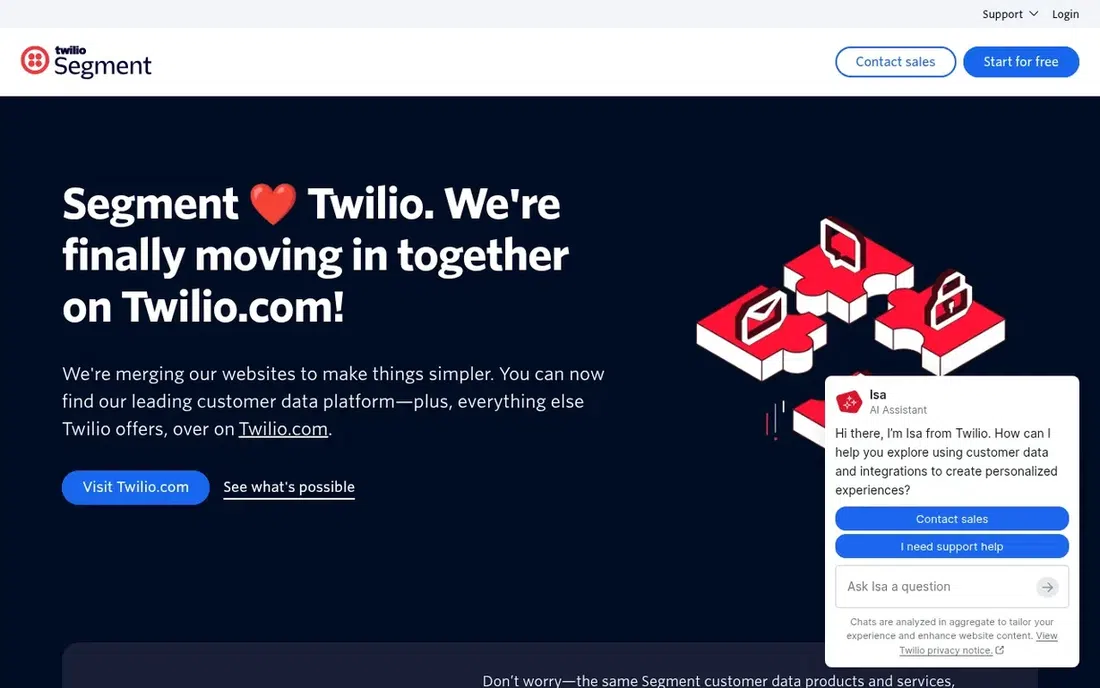
Segment makes the most sense for startups wanting one CDP for collection and identity. It suits product and marketing teams that want a shared customer profile feeding analytics and engagement systems.
If your priority is strict warehouse ownership of identity logic, a warehouse-native choice may suit you better. Segment does not show a starting price in this comparison, so check the vendor site for current pricing. Free plan details: Free trial.
Trade-offs to know: Feature depth can exceed early-stage needs.
- Backed by Twilio's broader communications system
- Collects and brings together data across apps and devices
- Identity logic still needs careful setup
Treasure Data serves AI-driven customer experience programs. An experience product orientation can be more than a startup needs when the immediate goal is simply stitching identities.
Upsides: Continuous.
Startups with a defined retention strategy can use it to unify customer context and act on it. More specifically, Treasure Data describes Treasure AI as an agentic experience system built to acquire, retain, and grow valuable customers, powered by AI and continuous context-driven action. No starting price is listed for Treasure Data here; confirm pricing on the vendor site. On free options: Not stated.
Honest limits: Needs clear retention goals to justify.
- Agentic experience system for marketers
- Context-driven action
- Experience system scope may be broad for startups
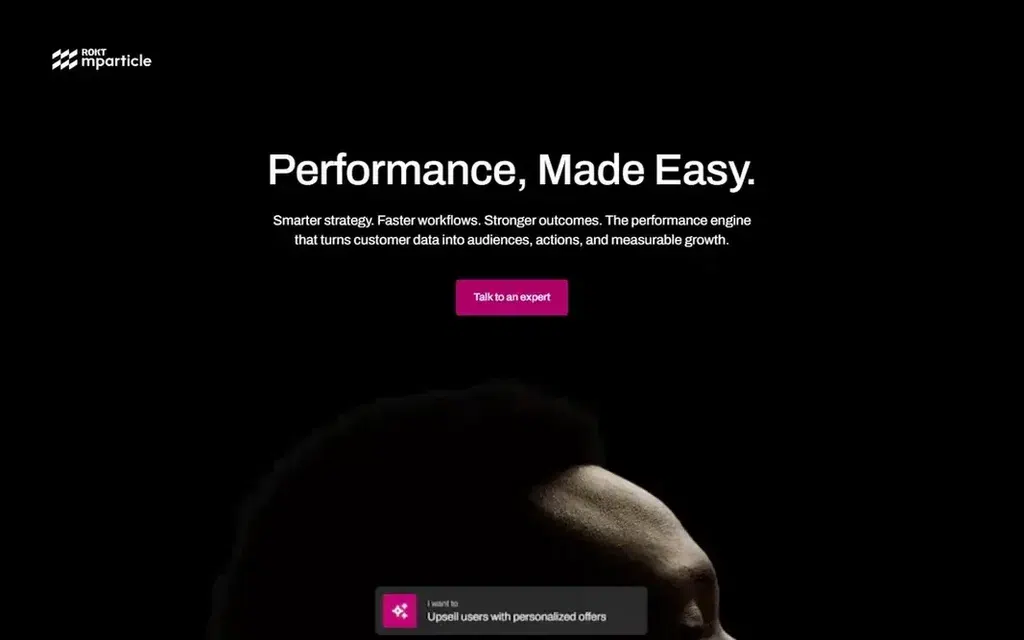
mParticle is designed for audience building and activation workflows. mParticle describes itself as a performance CDP that turns customer data into audiences, actions, and measurable growth.
Evaluate whether its audience workflows replace or duplicate tools you already run. Startups with active marketing motions can use it to unify customer signals and push audiences into the channels where they engage users. mParticle does not show a starting price in this comparison, so check the vendor site for current pricing. On free options: Not stated.
Downsides: Activation focus may overlap with existing tools.
- Turns customer data into audiences and actions
- Positioned around measurable growth outcomes
- Needs planning to avoid redundant integrations
What went into this list
For each of the 5 tools we noted price, free plan or trial, fit for identity resolution software for startups and the main limit, using vendor pages and documentation. Plan names, prices and limits change often. Treat the figures here as a starting point and verify them with the vendor. Order on the page follows fit for the typical buyer first, then price transparency and free access. Your own requirements should decide the final pick.
A buyer's checklist
- Confirm the entry price with every vendor: no tool from RudderStack to mParticle shows a fixed starting price.
- Use real work to test the free trial from Segment, rather than a demo project.
- Read the limits listed for RudderStack first: engineering-heavy compared to marketing-led tools.
- Make sure mParticle lets you export your data in a format another tool can read.
- Look at which plan of LiveRamp unlocks the features you need; entry tiers are often cut down.
FAQ
Does any tool for identity resolution software for startups here have a free plan?
A permanent free plan is not offered by RudderStack, mParticle or the other tools here. Segment offer a trial. Plan a short evaluation period instead.
How do warehouse-native and managed CDPs differ?
Warehouse-native systems keep collection and identity logic close to your own data warehouse, which fits engineering-led teams. Managed CDPs deal with more of the pipeline for you, which can be simpler for marketing-led startups without dedicated data staff.
Do these tools publish their prices?
No. None of the tools, from RudderStack to mParticle, shows a fixed starting price here, so budget time for quotes.
When should a startup invest in a CDP for identity?
Consider it once customer data is spread across multiple tools and manual stitching no longer works. A CDP becomes worthwhile when consistent profiles would boost reporting, targeting, or personalization across channels.
Is RudderStack the right pick for everyone comparing identity resolution software for startups?
No single tool suits every team. RudderStack comes first because it fits warehouse-native teams with engineering ownership, while LiveRamp suits Data collaboration across partners and platforms and Segment suits startups wanting one CDP for collection and identity. Match the tool to your own size, budget and workflow before deciding.
Can I try these tools before paying?
Often, yes. Segment offers a free trial. Use your own data and a real task during the test, and check what the free tier or trial limits before you rely on it. For the full picture, the cards above cover all 5 entries of this identity resolution software for startups list, including price, free plan and limits.
Sources
- https://www.rudderstack.com
- https://liveramp.com
- https://segment.com
- https://www.treasuredata.com
- https://www.mparticle.com