Best DSP Platforms in 2026: 9 Platforms Compared
Compare the best DSP platforms for 2026, from The Trade Desk and DV360 to Amazon DSP, StackAdapt, Yahoo DSP, Basis, Adform, Viant, and Microsoft Invest.
- Editor's choice
 The Trade Desk
Independent cross-channel buying
Starts atSee websiteVisit thetradedesk.comFull review - Great alternative
 Google Display and Video 360
Google ecosystem buying
Starts atSee websiteVisit marketingplatform.google.comFull review - Also consider
 Amazon DSP
Shopper-data buying
Starts atSee websiteVisit advertising.amazon.comFull review
TL;DR:
- The Trade Desk is our pick for independent, cross-channel programmatic buying at agency and large-brand scale, with strength in connected TV and audio.
- Google Display and Video 360 is the pick for teams already on the Google stack, with direct YouTube and Google Display access.
- Amazon DSP suits e-commerce brands that can use shopper data and Prime Video and Twitch inventory.
- StackAdapt is the most accessible self-serve DSP for mid-market buyers, with native, contextual, and connected TV buying in one dashboard.
- Basis, Yahoo DSP, Adform, Viant, and Microsoft Invest each serve a distinct niche, from unified planning to commerce media and connected TV focus.
Quick comparison
| Tool | Best for | Starts at | Free plan? | |
|---|---|---|---|---|
| The Trade Desk | Independent cross-channel buying | See website | No | Visit |
| Google Display and Video 360 | Google ecosystem buying | See website | No | Visit |
| Amazon DSP | Shopper-data buying | See website | No | Visit |
 StackAdapt | Mid-market self-serve buying | See website | No | Visit |
 Yahoo DSP | Omnichannel commerce media | See website | No | Visit |
 Basis Technologies | Unified planning and buying | See website | No | Visit |
 Adform | European and global buying | See website | No | Visit |
 Viant | Connected TV and household data | See website | No | Visit |
 Microsoft Invest | Microsoft and connected TV inventory | See website | No | Visit |
The best DSP platforms
A demand-side platform, or DSP, lets an advertiser buy digital ad inventory programmatically across many publishers through real-time bidding, instead of negotiating each placement by hand. The buyer sets audiences, budgets, and bids, and the DSP buys impressions that match those rules across display, video, native, audio, and connected TV. The platforms below all operate in 2026, but they differ sharply on minimum spend, inventory access, data, and who can sign up directly.
Budget is the first filter, not features. Enterprise DSPs often need five-figure monthly commitments or an agency contract, while self-serve DSPs let a mid-market team start smaller. Check access, minimums, and fee transparency before you compare feature lists, because a platform you cannot join cannot help your campaign.
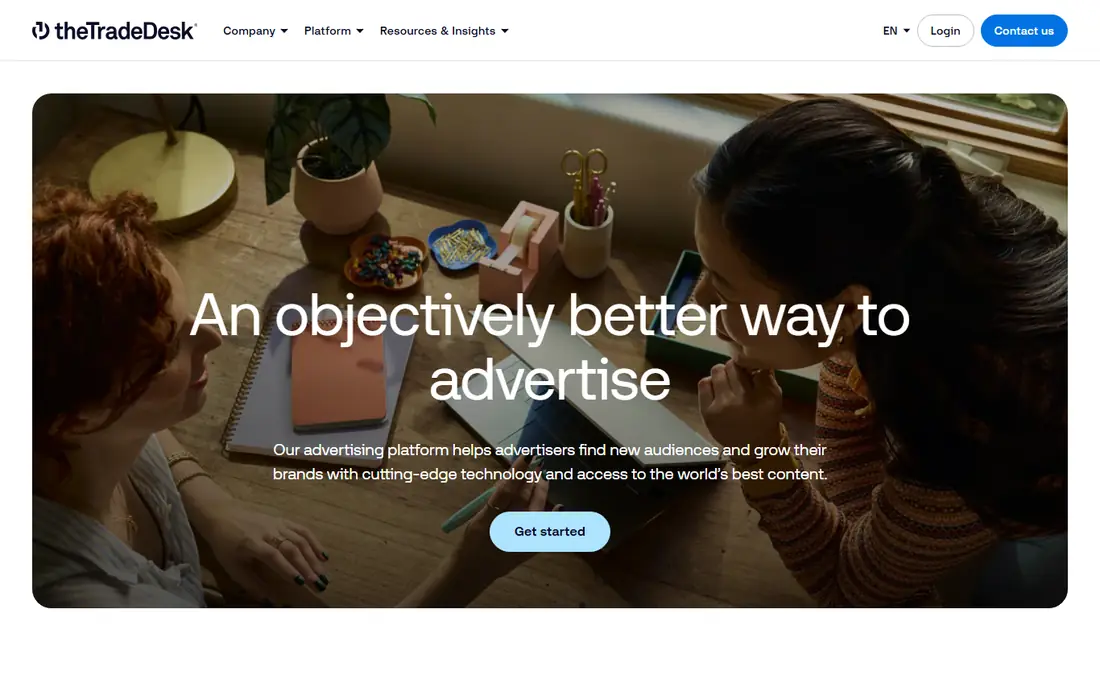
The Trade Desk is the leading independent DSP, meaning it is not owned by a publisher whose inventory it favors. Agencies and large brands use it to buy display, video, audio, and connected TV across exchanges, with tools for audience targeting, frequency control, and log-level reporting. Its identity work, including UID 2.0, helps buyers target in a cookieless environment, and its connected TV strength suits brands shifting spend from linear TV.
Access is the barrier. The Trade Desk works through contracts and, for many buyers, through an agency, with monthly commitments often in five figures. Small advertisers will find onboarding slow and minimums high. For an agency or large brand that needs independent, cross-channel scale with transparent reporting, The Trade Desk is our top pick. For a small test budget, start with StackAdapt or an agency partner.
- Broad open-web and connected TV reach
- Transparent bidding tools
- Identity and data options
- Enterprise onboarding
- Not built for small test budgets

Display and Video 360, known as DV360, is Google enterprise DSP. It gives direct access to YouTube, Google Display Network, and app inventory, plus open-web exchanges, all inside the Google Marketing Platform. Teams already using Google Analytics, Campaign Manager, and Search Ads gain from shared audiences and measurement, which is a real workflow saving for large advertisers.
Setup is complex, and most buyers access DV360 through a Google partner or a contract rather than a simple self-serve signup. Monthly minimums are high and partner-dependent. For a brand already committed to Google tools and YouTube, DV360 is the natural pick, because no independent DSP matches its YouTube access. For a brand that mainly needs open-web and connected TV without Google lock-in, The Trade Desk may fit better.
- Direct YouTube access
- Google Display and app inventory
- Deep Google measurement links
- Complex setup
- Usually needs a Google Marketing Platform partner or contract
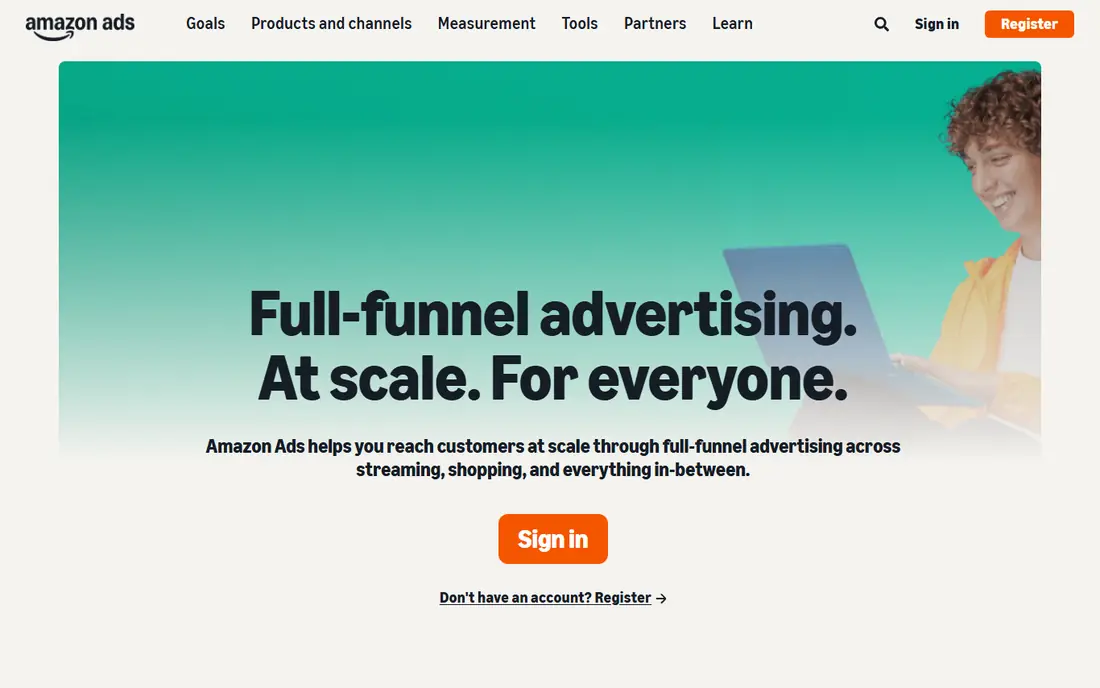
Amazon DSP lets advertisers buy ads on Amazon properties and across the open web, using shopper data built from browsing and purchase behavior. That data is the core appeal for e-commerce and consumer brands, because it targets people by what they actually buy, not only by what they read. Prime Video and Twitch inventory add video and connected TV reach that few other DSPs offer in one place.
Self-serve access has no single official floor, while managed service typically needs a much larger monthly commitment, often around $50,000 per month in published comparisons. Brands that do not sell on Amazon gain less from the shopper data, though they can still target Amazon audiences. For an Amazon seller or a consumer brand with a retail media goal, Amazon DSP is a strong pick. For a B2B brand, an independent DSP will usually fit better.
- Shopper behavior data
- Prime Video and Twitch inventory
- Amazon and open-web reach
- Most valuable for Amazon sellers
- Managed-service minimums are high
StackAdapt is the most accessible serious DSP for mid-market teams. It offers self-serve signup, native, display, video, and connected TV buying, with contextual targeting that works without third-party cookies. The dashboard is clearer than enterprise DSPs, and the platform suits performance buyers who want to launch, test, and optimize without an agency contract for every campaign.
Scale is the limit. International reach and premium publisher deals are thinner than The Trade Desk or DV360, and YouTube access is not direct in the same way. For a mid-market agency or brand that needs a working DSP this week, StackAdapt is our pick. For a global enterprise with complex data needs, pair it with an enterprise DSP or move up when volume justifies the contract.
- Self-serve signup
- Native and contextual strength
- Connected TV access
- Clear dashboard
- Thinner international scale than enterprise DSPs
- Less walled-garden inventory
Yahoo DSP, from Yahoo Advertising, offers omnichannel programmatic buying across display, video, native, and connected TV, with commerce media data from Yahoo properties and partners. In 2026 Yahoo has pushed mid-market agencies and added agentic buying tools that automate parts of campaign setup. For an agency that wants an independent DSP with a simpler contract path than the largest enterprise platforms, Yahoo is worth a demo.
Scale and direct access vary. Many buyers access Yahoo DSP through a contract or agency, and its exchange reach is smaller than The Trade Desk. Test it on a connected TV or commerce campaign where its data adds value, and compare cost per outcome with StackAdapt and The Trade Desk on the same brief. For commerce-led campaigns, Yahoo DSP is a credible alternative to the top two.
- Omnichannel display, video, and connected TV
- Commerce media data
- Mid-market push
- Contract access for many buyers
- Smaller scale than Trade Desk and DV360
Basis Technologies, formerly Centro, unifies programmatic buying with search, social, and direct media planning in one platform. Agencies value the single workflow: plan a campaign, buy across channels, and report results without stitching together three tools. That unity saves time for teams that run mixed media plans and need one budget view.
Basis is a contract platform, not a free self-serve signup, and the full suite takes training to use well. Small teams that only need programmatic display may find StackAdapt simpler and cheaper. For an agency that plans search, social, and programmatic together and wants one reporting layer, Basis is a strong pick. Ask for a demo on your exact channel mix before you sign.
- Programmatic, search, and social in one platform
- Planning and reporting unified
- Agency workflow tools
- Contract pricing
- Learning curve for the full suite
Adform is a European-founded DSP with an integrated ad server, giving buyers a single system for buying and serving ads. Its strength lies in European inventory, publisher deals, and data partnerships, plus transparency tools for supply path and fee reporting. Global brands with a European focus often pair Adform with a US-led DSP to cover both regions well.
US buyers gain less, because Adform scale in the US is smaller than The Trade Desk or DV360, and access is contract-based. For a brand with major European spend, Adform is a leading regional pick. For a US-only campaign, start with a US-led DSP and add Adform only when European volume justifies a second platform.
- Strong European inventory and data
- Integrated DSP and ad server
- Transparency tools
- US scale smaller than Trade Desk
- Contract access
Viant is a connected TV-first DSP built around household identity, letting advertisers target homes rather than only devices or cookies. That household view suits TV-led campaigns, where several people share a screen and a purchase decision. Viant also offers attention data and measurement options that help brands judge whether a connected TV ad was actually viewed, not only served.
Viant is less of a general open-web DSP than The Trade Desk, and access runs through self-serve plus managed options by contract. For a brand whose main channel is connected TV, Viant is a focused pick worth testing against The Trade Desk on the same TV brief. For a display-led campaign, a broader DSP will cover more inventory at lower setup cost.
- Connected TV focus
- Household identity data
- Attention measurement options
- Contract access
- Narrower open-web focus than Trade Desk
Microsoft Invest, formerly Xandr Invest, is Microsoft programmatic DSP, built from the Xandr platform. It offers display, video, and connected TV buying, with access to Microsoft properties and partner inventory. Brands already using Microsoft Advertising for search gain from shared accounts and data, and connected TV buyers value its premium video supply.
Access often runs through partners or contracts, and independent scale is smaller than The Trade Desk. For a Microsoft-centric advertiser or a connected TV buyer who wants Xandr supply, Microsoft Invest is a useful platform. For a buyer who needs the widest open-web reach with full independence, The Trade Desk remains the broader default.
- Microsoft and Xandr inventory
- Connected TV strength
- Links to Microsoft advertising data
- Access often through partners
- Smaller independent scale than Trade Desk
How we picked these
We compared DSP platforms active in October 2026, using vendor access pages, platform documentation, and published DSP comparisons. We required a current, buyable platform, and we left out platforms that shut down or showed no verifiable 2026 activity. We weighed access model, minimum spend, inventory breadth, data options, transparency, and brand-safety controls, with extra weight for platforms a real buyer can join today.
We did not claim hands-on media buying on every platform. Our comparison rests on vendor material and published comparisons, and minimum spends are often contract-based, so we list See website where a public price is not confirmed. Request a written access and minimum-spend quote before you plan a budget around any DSP here.
How to choose a DSP
Start with budget and access. If your monthly programmatic budget is under five figures, StackAdapt or an agency partner is the realistic route. If your budget is five figures or higher and you need cross-channel scale, The Trade Desk, DV360, or Amazon DSP enter the conversation. If your budget is tied to one channel, such as connected TV, a focused DSP such as Viant may beat a general platform on that brief.
Then test on one brief across two platforms. Run the same audience, creative, and budget on each DSP for two to four weeks, and compare cost per outcome, not only cost per thousand impressions. Check log-level data, supply paths, and brand-safety settings during the test, because a cheap impression on low-quality inventory is not a saving. Keep the winner, and revisit the test yearly as inventory and data rules change.
Finally, confirm data and measurement before you scale. Check whether your first-party data can be onboarded, whether the DSP supports your identity approach, and whether measurement matches your analytics. A DSP that cannot read your customer data or report in your measurement system will frustrate every campaign, no matter how broad its inventory looks on paper.
FAQ
What is the best DSP software?
The Trade Desk is the best independent DSP for large brands and agencies, DV360 is best for Google-stack teams, Amazon DSP is best for e-commerce brands, and StackAdapt is best for mid-market self-serve buyers. The best choice depends on budget, channels, and data needs.
What is a DSP platform?
A demand-side platform is software that lets advertisers buy digital ad inventory programmatically across many publishers through real-time bidding. It replaces manual placement deals with audience, budget, and bid rules applied across display, video, native, audio, and connected TV.
How much does a DSP cost?
Costs vary by platform and access. Self-serve DSPs may have no stated minimum, while enterprise DSPs often need five-figure monthly commitments or agency contracts. Platform fees, media costs, and data fees are usually separate, so ask for a full fee breakdown.
What is the difference between a DSP and an SSP?
A DSP serves advertisers buying inventory, while a supply-side platform, or SSP, serves publishers selling inventory. Exchanges sit between them, matching DSP bids with SSP supply in real time. A buyer needs a DSP, a publisher needs an SSP, and many firms use both sides through partners.
Can small businesses use a DSP?
Yes, through self-serve DSPs such as StackAdapt or through an agency that buys on an enterprise DSP on your behalf. Small budgets suit native, display, and connected TV tests on a self-serve platform, with clear cost-per-outcome goals before scaling.
Is Amazon DSP only for Amazon sellers?
No, but it is most valuable for Amazon sellers and consumer brands, because shopper data and Amazon inventory are its core strengths. Non-Amazon brands can still use it, but they should compare it with an independent DSP on the same brief to see whether the data premium pays off.