5 Cybersecurity Software for Government Contractors Worth Shortlisting in 2026
Searching for the best cybersecurity software for government contractors? Here are 5 options with prices and free plans. Short verdicts, no fluff. Facts only.
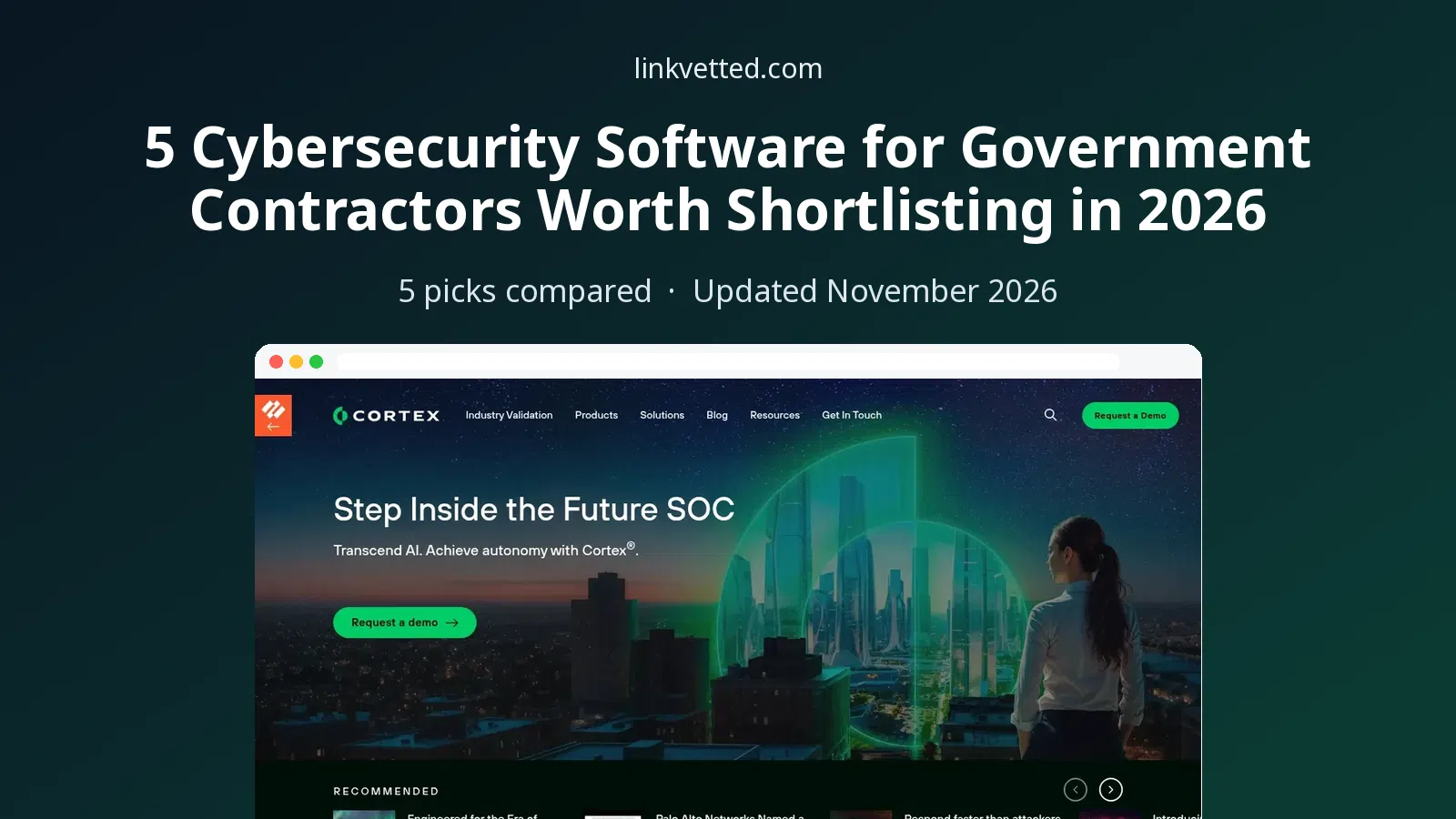
- Editor's choice
 Palo Alto Networks Cortex XDR
AI-driven security operations and SOC workflows
Starts atSee websiteVisit paloaltonetworks.comFull review - Great alternative
 Microsoft Defender for Endpoint
Microsoft-centric endpoint protection
Starts atSee websiteVisit microsoft.comFull review - Also considerTenable Vulnerability Management
Exposure and vulnerability management
Starts at$3,500 per yearVisit tenable.comFull review
Direct answer
Our first pick is Palo Alto Networks Cortex XDR, best for AI-driven security operations and SOC workflows. Listed starting prices: Tenable Vulnerability Management from $3,500 per year, Rapid7 InsightVM from $1.62 per asset a month and CrowdStrike Falcon from $7.99 per device a month. Microsoft Defender for Endpoint is better for Microsoft-centric endpoint protection, and Tenable Vulnerability Management is better for exposure and vulnerability management. All 5 tools are compared below on price, free plan and limits.
TL;DR:
- Palo Alto Networks Cortex XDR takes the first slot, best suited to AI-driven security operations and SOC workflows.
- The cheapest monthly starting price in the list is $1.62 per asset per month, offered by Rapid7 InsightVM.
- Rapid7 InsightVM comes with a trade-off: managed services change the operating model.
- None of the 5 tools, from Palo Alto Networks Cortex XDR to CrowdStrike Falcon, has a free plan, so budget for a subscription or use a trial.
Last checked November 2026. Prices and plan details were read from the vendors' own pages in November 2026; vendors change plans often, so confirm the current price on the vendor site before you buy.
Quick comparison
| Tool | Best for | Starts at | Free plan? | |
|---|---|---|---|---|
| Palo Alto Networks Cortex XDR | AI-driven security operations and SOC workflows | See website | Not stated | Visit |
| Microsoft Defender for Endpoint | Microsoft-centric endpoint protection | See website | Not stated | Visit |
| Tenable Vulnerability Management | Exposure and vulnerability management | $3,500 per year | Free trial | Visit |
 Rapid7 InsightVM | Unified visibility with managed security choices | $1.62 per asset a month | Not stated | Visit |
 CrowdStrike Falcon | Cloud-native endpoint and workload protection | $7.99 per device a month | Free trial | Visit |
Tool-by-tool breakdown
LinkVetted compared 5 cybersecurity software for government contractors. The goal is a practical shortlist: published prices, free plan facts, best-fit use cases and honest limits for every entry.
Palo Alto Networks Cortex XDR
Best for: AI-driven security operations and SOC workflows

For AI-driven security operations and SOC workflows, Palo Alto Networks Cortex XDR is a natural candidate. Palo Alto Networks Cortex XDR is positioned as an AI-driven product made for security operations center transformation. The product assumes a reasonably mature security operations function, so smaller teams without dedicated analysts may struggle to use it completely.
The main drawbacks: Concentrated on SecOps maturity.
From a buyer's view, organizations already running Palo Alto Networks security infrastructure may find the operational fit notably natural. Pick Cortex XDR when SOC transformation and AI-assisted investigation are central goals. No starting price is listed for Palo Alto Networks Cortex XDR here; confirm pricing on the vendor site. Free access: Not stated.
- AI-driven detection and response
- Suits teams formalizing SOC processes
- Needs skilled analysts to get full value
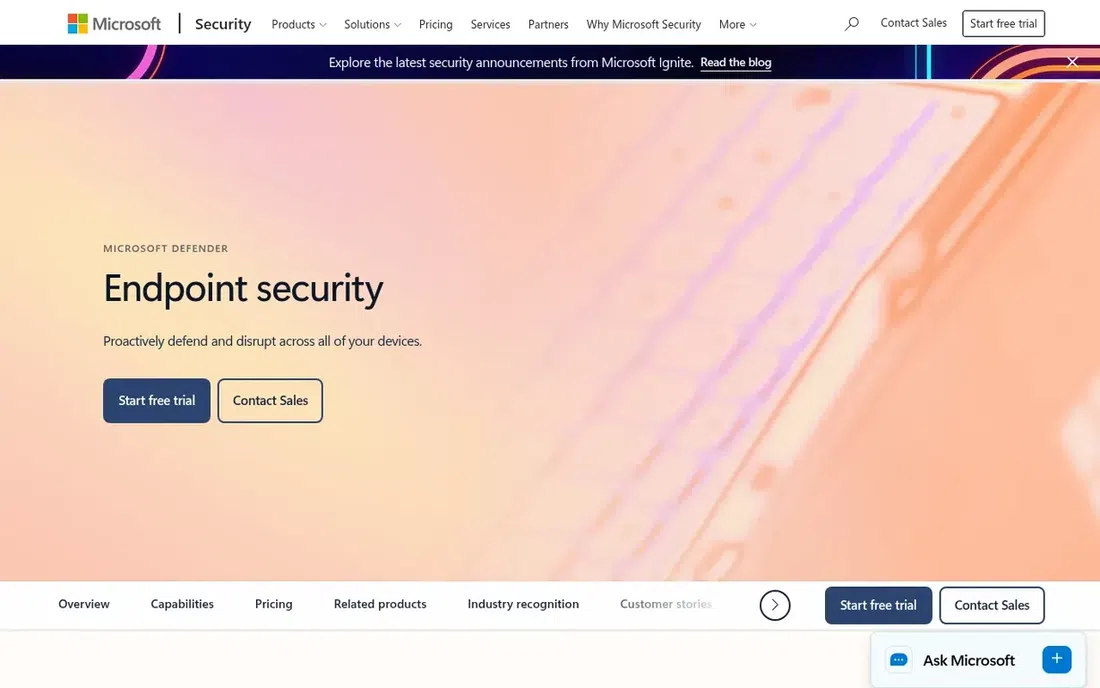
Where Microsoft Defender for Endpoint fits: Microsoft-centric endpoint protection. Choose Defender when endpoint security and existing Microsoft administration should stay unified.
In daily use, teams wanting endpoint protection without adding another vendor relationship commonly start here. Beyond that, the experience is most cohesive inside the Microsoft ecosystem, and mixed environments may need additional planning for policy consistency. No starting price is listed for Microsoft Defender for Endpoint here; confirm pricing on the vendor site. Trial and free access: Not stated.
Limits to weigh: Best value inside the Microsoft ecosystem.
- AI-assisted endpoint protection
- Geared toward stopping cyberattacks on devices
- Cross-platform tuning needs planning
Tenable Vulnerability Management
Best for: Exposure and vulnerability management
In short, Tenable Vulnerability Management is for exposure and vulnerability management. Tenable Vulnerability Management is part of a system centred on exposure management and AI security, reducing cyber risk across IT, OT, cloud, identity and hybrid attack surfaces. This is a visibility and exposure tool instead of a full endpoint detection and response system, so it normally pairs with an endpoint security product.
Worth adding: teams without a remediation workflow may see findings pile up. In daily use, choose Tenable when exposure management and risk reduction across mixed surfaces are the priority. Tenable Vulnerability Management pricing: $3,500 per year. Free plan details: Free trial.
Honest limits: Not a full endpoint response product.
What Tenable Vulnerability Management does well: AI security focus.
- Handles identity and hybrid attack surfaces
- OT and cloud
- Needs process for remediation follow-through
Rapid7 InsightVM targets unified visibility with managed security choices. The resilience framing supports leadership reporting.
Watch-outs: Needs clear ownership of findings.
Rapid7 InsightVM sits within a system described as endpoint to cloud unified cybersecurity, with expert-led managed detection and response available. From a buyer's view, bringing in managed services changes how your team operates and who owns response actions, so roles have to be agreed early. What you pay to start with Rapid7 InsightVM: $1.62 per asset per month. Trial and free access: Not stated.
- Endpoint to cloud unified system framing
- Managed detection and response available
- Managed services change the operating model
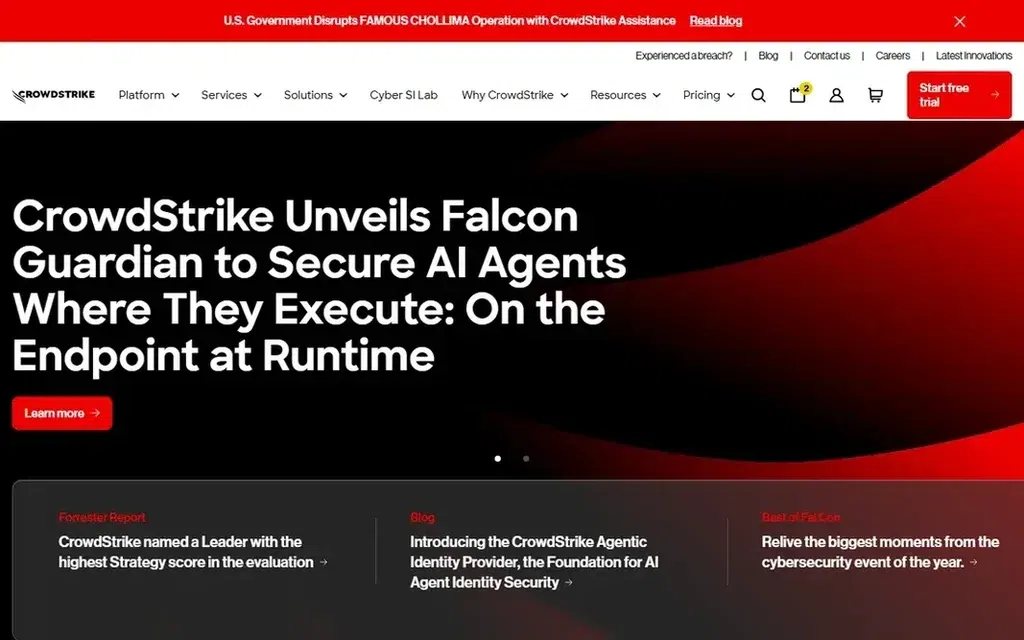
CrowdStrike Falcon makes the most sense for cloud-native endpoint and workload protection. CrowdStrike Falcon is a cloud-native cybersecurity system that guards endpoints, cloud workloads, identities and data.
Where it falls short: May overlap with existing endpoint tools.
The breadth of the system means configuration and tuning effort, and teams with straightforward endpoint needs may find it more than required. In practice, choose Falcon when consolidated, cloud-first protection is the priority. Starting cost for CrowdStrike Falcon: $7.99 per device per month. As for free access: Free trial.
Best features of CrowdStrike Falcon: identities and data.
- Cloud-native architecture
- Single product spans endpoints
- Wide product can take time to tune
What went into this list
What to check before you buy
- Ask Palo Alto Networks Cortex XDR and Microsoft Defender for Endpoint for a written quote, since no starting price is shown.
- Take the trial from Tenable Vulnerability Management and CrowdStrike Falcon and push a live task through it before you pay.
- Read the limits listed for Palo Alto Networks Cortex XDR first: concentrated on SecOps maturity.
- Map your must-have features to a specific Rapid7 InsightVM plan before you compare prices.
- Check the support hours and onboarding help Tenable Vulnerability Management offers; smaller vendors vary a lot here.
FAQ
Which tool should a government contractor start with?
CrowdStrike Falcon is a reasonable first look since it spans endpoints, cloud workloads, identities and data in one cloud-native system. The right start relies on which surfaces you most have to protect.
What should smaller security teams consider?
Smaller teams should weigh administrative overhead and whether managed support is available, as with Rapid7's managed detection and response framing. Match tool complexity to the staff you can dedicate.
How are the tools for cybersecurity software for government contractors ordered?
Palo Alto Networks Cortex XDR sits first and CrowdStrike Falcon last because the order follows typical fit for cybersecurity software for government contractors, then price clarity and free access. It is a judgement call, so read each profile for fit and limits.
Is Palo Alto Networks Cortex XDR the right pick for everyone comparing cybersecurity software for government contractors?
No single tool suits every team. Palo Alto Networks Cortex XDR comes first because it fits AI-driven security operations and SOC workflows, while Microsoft Defender for Endpoint suits Microsoft-centric endpoint protection and Tenable Vulnerability Management suits exposure and vulnerability management. Match the tool to your own size, budget and workflow before deciding.
Do these tools publish their prices?
Not all of them. Palo Alto Networks Cortex XDR and Microsoft Defender for Endpoint publish no starting price, so expect a quote request for those. The rest, Tenable Vulnerability Management included, show a starting price, though seats and billing terms still change the final cost.
How do these tools support compliance reporting?
Most systems emphasize detection, exposure tracking and remediation reporting that can feed audit evidence. The specific mappings and export formats vary by vendor.
Sources
- https://www.paloaltonetworks.com/cortex
- https://www.microsoft.com/en-us/security/business/endpoint-security/microsoft-defender-endpoint
- https://www.tenable.com
- https://www.rapid7.com
- https://www.crowdstrike.com
Related guides
- Best Access Management Software for Government Contractors for 2026: Our 5 Vetted Picks
- Best Analytics Software for Government Contractors in 2026: 5 Tools Compared
- The 6 Best Applicant Tracking System for Government Contractors in 2026, Ranked
- Top 5 Bug Tracking Software for Government Contractors for 2026 (Prices and Free Plans)