The 10 Best CTV Ad Platforms for Streaming TV Ads
We compared the best ctv ad platforms for reach, targeting, pricing, and reporting, to help advertisers run streaming TV ads with clear and measurable results.
- Editor's choice
 Roku Ads
Advertisers who want Roku home screen and Roku Channel reach
Starts atSee websiteVisit advertising.roku.comFull review - Great alternative
 Amazon DSP
Brands who want Prime Video and Amazon audience data
Starts atSee websiteVisit advertising.amazon.comFull review - Also consider
 The Trade Desk
Agencies and large advertisers buying across many CTV publishers
Starts atSee websiteVisit thetradedesk.comFull review
TL;DR:
- Self-serve platforms suit small budgets and fast tests, while DSPs suit larger teams buying across many publishers.
- Premium inventory and open exchange inventory differ in price, transparency, and brand safety controls.
- Measurement should include reach, frequency, and outcomes, not only impressions or completed views.
- Creative specs, approval time, and minimum spend can decide whether a platform fits a short campaign.
- A small test with a tight audience often teaches more than a broad launch with a large budget.
Quick comparison
| Tool | Best for | Starts at | Free plan? | |
|---|---|---|---|---|
| Roku Ads | Advertisers who want Roku home screen and Roku Channel reach | See website | No | Visit |
| Amazon DSP | Brands who want Prime Video and Amazon audience data | See website | No | Visit |
| The Trade Desk | Agencies and large advertisers buying across many CTV publishers | See website | No | Visit |
 MNTN | Performance marketers who want TV judged on visits and sales | See website | No | Visit |
 Vibe | Small businesses running a first CTV test | See website | No | Visit |
 StackAdapt | Agencies and brands who want CTV plus other programmatic channels | See website | No | Visit |
 Simpli.fi | Local and multi-location advertisers who want geo targeting | See website | No | Visit |
 Tatari | Brands who want linear TV and streaming planned together | See website | No | Visit |
 Disney Advertising | Brands who want Hulu, Disney Plus, and ESPN streaming inventory | See website | No | Visit |
 tvScientific | Performance brands who want outcome-based TV buying | See website | No | Visit |
The best CTV ad platforms for advertisers
Roku Ads
Best for: Advertisers who want Roku home screen and Roku Channel reach

Roku Ads gives advertisers direct access to a large streaming TV audience on Roku devices. Start with a clear goal, such as site visits, app installs, or store visits, because that goal decides which buying route makes sense. Its Ads Manager suits teams who want to buy Roku inventory without going through a separate DSP first.
Small advertisers often do best with a self-serve tool and a tight audience, while larger teams may need a DSP and deeper reporting. The honest trade-off is inventory is mainly Roku-focused, pricing needs a sales or platform check, so check that point against your own needs before you commit. For advertisers who want Roku home screen and Roku Channel reach, this is a practical shortlist option, and it is worth comparing it with one or two others on this list before you decide.
- Large Roku audience, home screen and channel inventory, self-serve Ads Manager
- Inventory is mainly Roku-focused, pricing needs a sales or platform check
Amazon DSP
Best for: Brands who want Prime Video and Amazon audience data
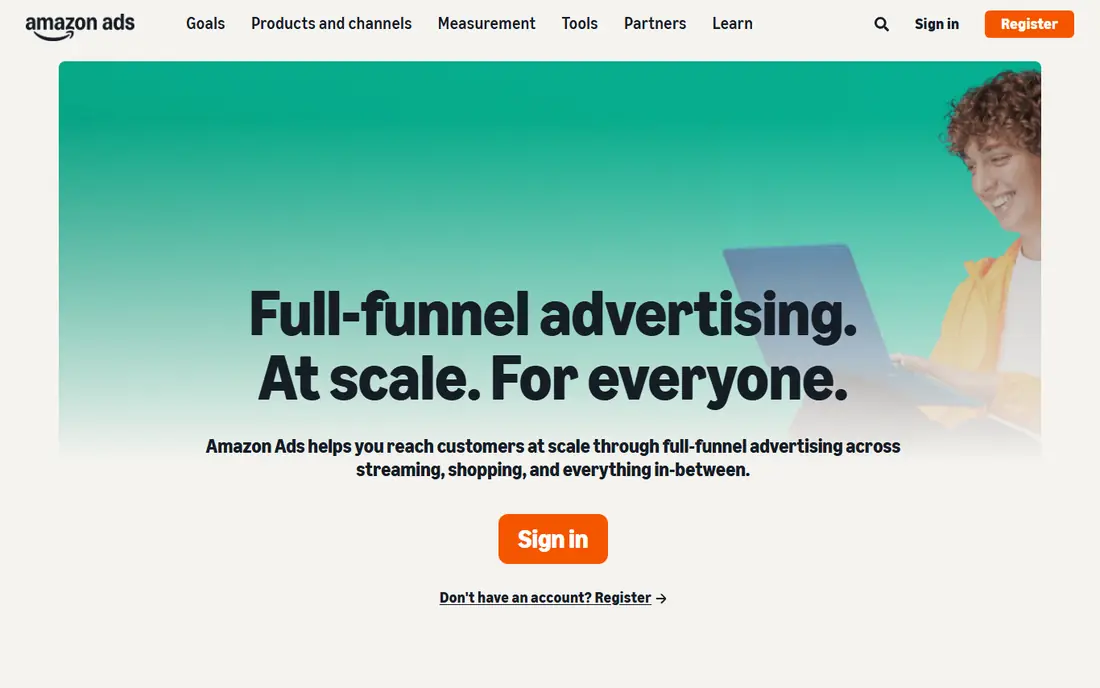
Amazon DSP is a strong pick for brands that sell on Amazon or want purchase-linked measurement. Ask how reach, frequency, and outcomes are measured, and whether you can see the apps and publishers where ads ran. Its Prime Video inventory and audience data help advertisers connect TV exposure with shopping behavior.
Creative quality matters on a TV screen, so budget time for a clear 15 or 30 second spot with readable text and a simple call to action. The honest trade-off is minimums and managed options can suit larger budgets, setup is more complex, so check that point against your own needs before you commit. For brands who want Prime Video and Amazon audience data, this is a practical shortlist option, and it is worth comparing it with one or two others on this list before you decide.
- Prime Video inventory, Amazon audience signals, closed-loop purchase measurement
- Minimums and managed options can suit larger budgets, setup is more complex
The Trade Desk
Best for: Agencies and large advertisers buying across many CTV publishers
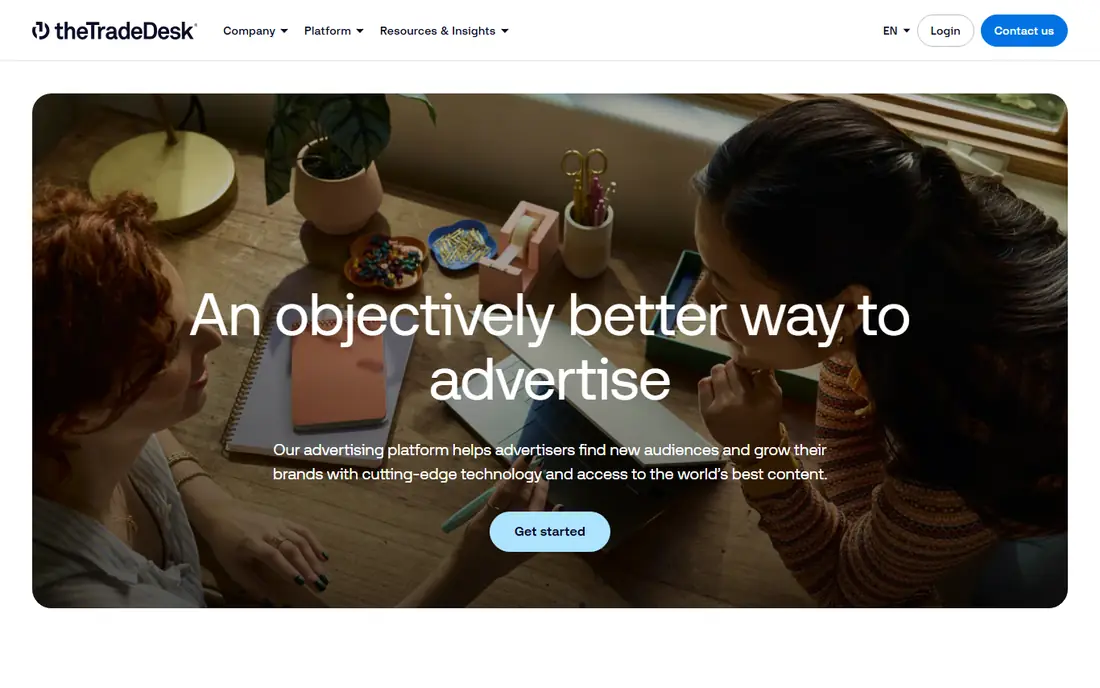
The Trade Desk suits teams who want to buy CTV across many apps and publishers from one platform. Check the minimum budget, creative specs, and approval time, since a long setup can delay a time-sensitive campaign. Its reporting and targeting depth help large campaigns, but small teams may need agency support to use it well.
Frequency control matters too, because showing the same ad too often can waste budget and annoy viewers. The honest trade-off is learning curve is steep, costs and minimums suit larger teams, so check that point against your own needs before you commit. For agencies and large advertisers buying across many CTV publishers, this is a practical shortlist option, and it is worth comparing it with one or two others on this list before you decide.
- Broad programmatic reach, strong targeting and reporting, many publisher connections
- Learning curve is steep, costs and minimums suit larger teams
MNTN frames TV as a performance channel, with reporting that links exposure to site visits and conversions. Compare the cost per completed view and the cost per outcome, not only the cost per thousand impressions. That approach suits direct response brands that want TV spend judged like digital spend.
Local businesses should test ZIP or metro targeting first, and only widen the area once results are clear. The honest trade-off is pricing and inventory details need a platform check, creative support varies, so check that point against your own needs before you commit. For performance marketers who want TV judged on visits and sales, this is a practical shortlist option, and it is worth comparing it with one or two others on this list before you decide.
- Performance reporting, self-serve setup, targeting tied to site and sales outcomes
- Pricing and inventory details need a platform check, creative support varies
Vibe is the easiest entry point for a small business that wants to test CTV without a large commitment. Test with a small budget first, then move spend to the audiences and publishers that show real results. Its daily budget model and simple setup let a local or niche brand launch quickly and learn from real results.
Agencies should check seats, permissions, and reporting exports, since client work needs clean, shareable results. The honest trade-off is smaller scale than large DSPs, targeting depth is more limited, so check that point against your own needs before you commit. For small businesses running a first CTV test, this is a practical shortlist option, and it is worth comparing it with one or two others on this list before you decide.
- Low daily budget options, self-serve setup, premium streaming app inventory
- Smaller scale than large DSPs, targeting depth is more limited
StackAdapt
Best for: Agencies and brands who want CTV plus other programmatic channels
StackAdapt suits teams who want CTV alongside other programmatic channels, with one reporting view. Start with a clear goal, such as site visits, app installs, or store visits, because that goal decides which buying route makes sense. Its platform depth helps agencies manage many clients, even if new buyers need time to learn the tools.
Small advertisers often do best with a self-serve tool and a tight audience, while larger teams may need a DSP and deeper reporting. The honest trade-off is pricing needs a quote, setup can be more involved for new buyers, so check that point against your own needs before you commit. For agencies and brands who want CTV plus other programmatic channels, this is a practical shortlist option, and it is worth comparing it with one or two others on this list before you decide.
- CTV plus display, native, and audio in one platform, strong reporting
- Pricing needs a quote, setup can be more involved for new buyers
Simpli.fi is a practical pick for local businesses and multi-location brands that need tight geo targeting. Ask how reach, frequency, and outcomes are measured, and whether you can see the apps and publishers where ads ran. Its tools help a business reach viewers near a store, rather than paying for broad national reach it does not need.
Creative quality matters on a TV screen, so budget time for a clear 15 or 30 second spot with readable text and a simple call to action. The honest trade-off is interface and pricing suit agency and local teams more than casual buyers, so check that point against your own needs before you commit. For local and multi-location advertisers who want geo targeting, this is a practical shortlist option, and it is worth comparing it with one or two others on this list before you decide.
- ZIP and metro targeting, local campaign tools, programmatic CTV buying
- Interface and pricing suit agency and local teams more than casual buyers
Tatari helps brands that still buy linear TV but want streaming added to the same plan and measurement. Check the minimum budget, creative specs, and approval time, since a long setup can delay a time-sensitive campaign. That combined view suits teams who want to compare TV channels on outcomes, not only on reach.
Frequency control matters too, because showing the same ad too often can waste budget and annoy viewers. The honest trade-off is minimums suit mid-size and larger brands, setup needs planning time, so check that point against your own needs before you commit. For brands who want linear TV and streaming planned together, this is a practical shortlist option, and it is worth comparing it with one or two others on this list before you decide.
- Linear and streaming planning in one place, measurement across TV types
- Minimums suit mid-size and larger brands, setup needs planning time
Disney Advertising
Best for: Brands who want Hulu, Disney Plus, and ESPN streaming inventory
Disney Advertising gives brands access to well-known streaming inventory, including Hulu and Disney Plus. Compare the cost per completed view and the cost per outcome, not only the cost per thousand impressions. Its live sports and entertainment content suits brands that want premium, brand-safe placements.
Local businesses should test ZIP or metro targeting first, and only widen the area once results are clear. The honest trade-off is premium inventory can cost more, access often needs a sales conversation, so check that point against your own needs before you commit. For brands who want Hulu, Disney Plus, and ESPN streaming inventory, this is a practical shortlist option, and it is worth comparing it with one or two others on this list before you decide.
- Premium Hulu and Disney Plus inventory, live sports options, audience targeting
- Premium inventory can cost more, access often needs a sales conversation
tvScientific suits performance brands that want to pay attention to outcomes, not only to views. Test with a small budget first, then move spend to the audiences and publishers that show real results. Its cost-per-outcome model can help direct response teams keep TV spend tied to measurable results.
Agencies should check seats, permissions, and reporting exports, since client work needs clean, shareable results. The honest trade-off is smaller inventory footprint than large DSPs, pricing needs a platform check, so check that point against your own needs before you commit. For performance brands who want outcome-based TV buying, this is a practical shortlist option, and it is worth comparing it with one or two others on this list before you decide.
- Outcome-focused reporting, cost-per-outcome options, CTV buying tools
- Smaller inventory footprint than large DSPs, pricing needs a platform check
How we picked these
We compared official platform pages, pricing and minimums, inventory descriptions, and public reviews, and we favored platforms with clear buying routes, targeting options, and reporting. We included self-serve tools, DSPs, and premium publisher platforms, so small and large advertisers can find a fit. We did not rank on audience size alone, since reach without targeting, frequency control, and measurement can waste budget.
How to choose a CTV ad platform for your budget
Pick the buying family first. Self-serve platforms suit a first test and a small budget, while DSPs suit larger buys across many publishers. Publisher platforms suit brands that want a specific audience, such as Prime Video or Hulu viewers, and are willing to pay a premium for it. Check measurement before you spend. Ask how the platform reports reach, frequency, site visits, app installs, or sales, and whether you can see where ads ran. A platform that only reports impressions will not tell you whether the campaign helped your business. Test creative and audience in small steps. Start with one clear audience, one strong 15 or 30 second spot, and a test budget you can afford to learn from. Move spend to the audiences and publishers that show real outcomes, and pause the rest.
FAQ
What is the best ctv ad platform for small businesses?
Vibe and MNTN are common starting points for small businesses, because they offer self-serve setup and performance reporting without a large agency process. Simpli.fi also suits local businesses that need geo targeting. Start with a small test, then scale only the audiences that show results.
How much does CTV advertising cost?
Costs vary by inventory, targeting, and season, and many platforms list daily budgets or campaign minimums on their pricing pages. Premium publisher inventory often costs more than open exchange inventory. Ask for the cost per completed view and cost per outcome, not only the cost per thousand impressions.
What is the difference between a DSP and a self-serve CTV platform?
A DSP buys across many publishers through auctions, which gives broad reach and more complexity. A self-serve platform often sells direct premium inventory with a simpler setup and faster launch. Large teams may use both, while small teams often start with self-serve.
Do I need a TV commercial to run CTV ads?
You need a video creative that meets the platform specs, usually 15 or 30 seconds, with clear audio and readable text. Many platforms offer creative guidance, and some offer production help. A simple, clear spot with one message often works better than a crowded ad.
How do I measure CTV results?
Good measurement includes reach, frequency, completed views, site visits, app installs, or sales, depending on your goal. Ask whether the platform can link exposure to outcomes, and whether you can export reports for your own review. Test with a control group or a geo holdout when you can, so results are easier to trust.
Sources
https://advertising.roku.com https://advertising.amazon.com https://www.thetradedesk.com https://mountain.com https://www.vibe.co https://www.stackadapt.com https://www.simpli.fi https://www.tatari.tv https://www.disneyadvertising.com https://www.tvscientific.com