Best Contract Analysis Software in 2026: 9 Tools Compared
Compare the best contract analysis software in 2026. We review 9 tools for clause extraction, redlining, playbooks and portfolio risk analysis work now.
- Editor's choice
 Kira by Litera
High-volume due diligence
Starts atSee websiteVisit litera.comFull review - Great alternative
 Luminance
Portfolio anomaly detection
Starts atSee websiteVisit luminance.comFull review - Also consider
 LawGeex
Playbook redlining
Starts atSee websiteVisit lawgeex.comFull review
TL;DR:
- Kira by Litera leads for high-volume due diligence because of its deep clause library and bulk extraction across thousands of documents.
- Luminance suits enterprise teams that need anomaly detection across a whole portfolio, not just single-contract review.
- LawGeex and LegalOn suit smaller teams that need fast playbook review and redlining in Word without enterprise implementation.
- Extraction, redlining and portfolio analysis are different jobs, so pick a tool built for your main workflow.
- Pricing is mostly quote-based, so confirm document limits, user counts and implementation costs before you sign.
Quick comparison
| Tool | Best for | Starts at | Free plan? | |
|---|---|---|---|---|
| Kira by Litera | High-volume due diligence | See website | No | Visit |
| Luminance | Portfolio anomaly detection | See website | No | Visit |
| LawGeex | Playbook redlining | See website | Free trial | Visit |
 Ironclad | Enterprise lifecycle plus review | See website | No | Visit |
 LinkSquares | Bulk review at scale | See website | No | Visit |
 SpotDraft | Mid-market legal teams | See website | Free trial | Visit |
 LegalOn | Small teams and fast triage | See website | Free trial | Visit |
 Evisort by Workday | Portfolio contract intelligence | See website | No | Visit |
 Spellbook | Solo lawyers drafting in Word | See website | Free trial | Visit |
The best contract analysis software
We compared official product pages, clause libraries, redlining tools, playbook features, Word integrations and pricing models for contract analysis software available in October 2026. Contract analysis here means AI-assisted review that extracts clauses, flags risks, compares terms to a playbook, and summarizes obligations across many contracts. This article is general information only and is not legal advice. Always have a lawyer review high-stakes agreements.
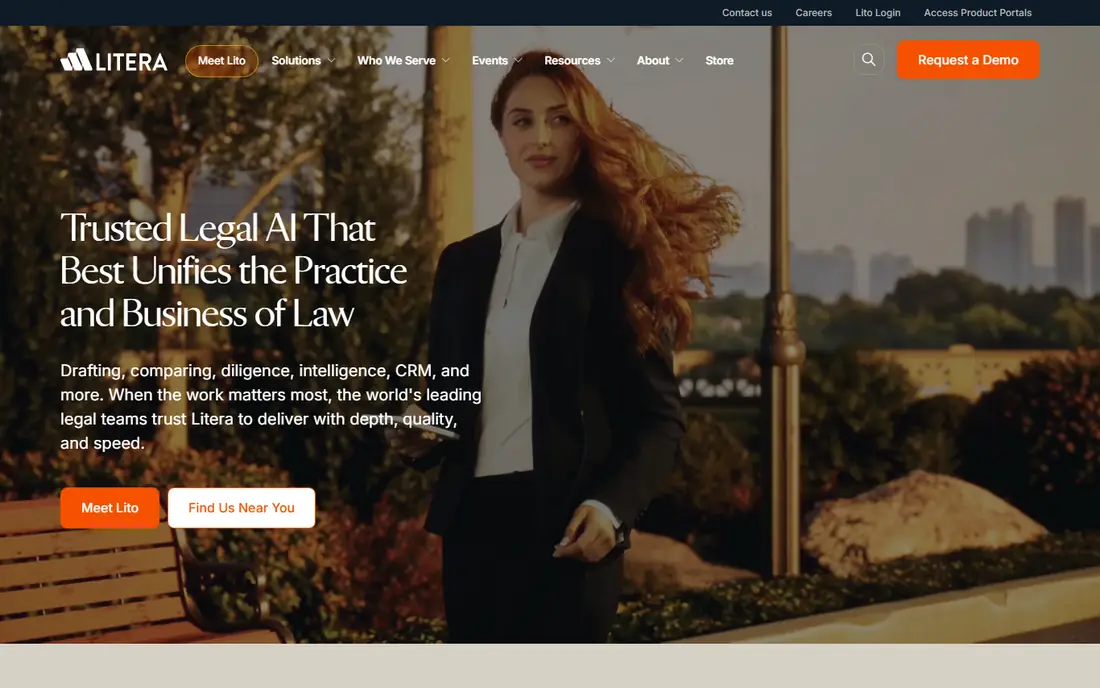
Kira, now part of Litera, is the industry standard for M and A due diligence. Its machine learning models identify and extract more than 1,000 provision types across thousands of documents, with custom training for deal-specific clauses. Results export to Excel for deal teams, which makes diligence summaries audit-ready.
The trade-off is enterprise scale. Pricing is quote-based and commonly reported from 30,000 dollars per year upward, with implementation taking weeks. For a firm reviewing a data room with hundreds of contracts, Kira is unmatched. For a small business reviewing a few vendor contracts a month, it is overkill.
- Deepest clause library for diligence
- Bulk analysis of thousands of documents
- Custom model training
- Enterprise quote-only pricing
- Built for diligence, not everyday negotiation
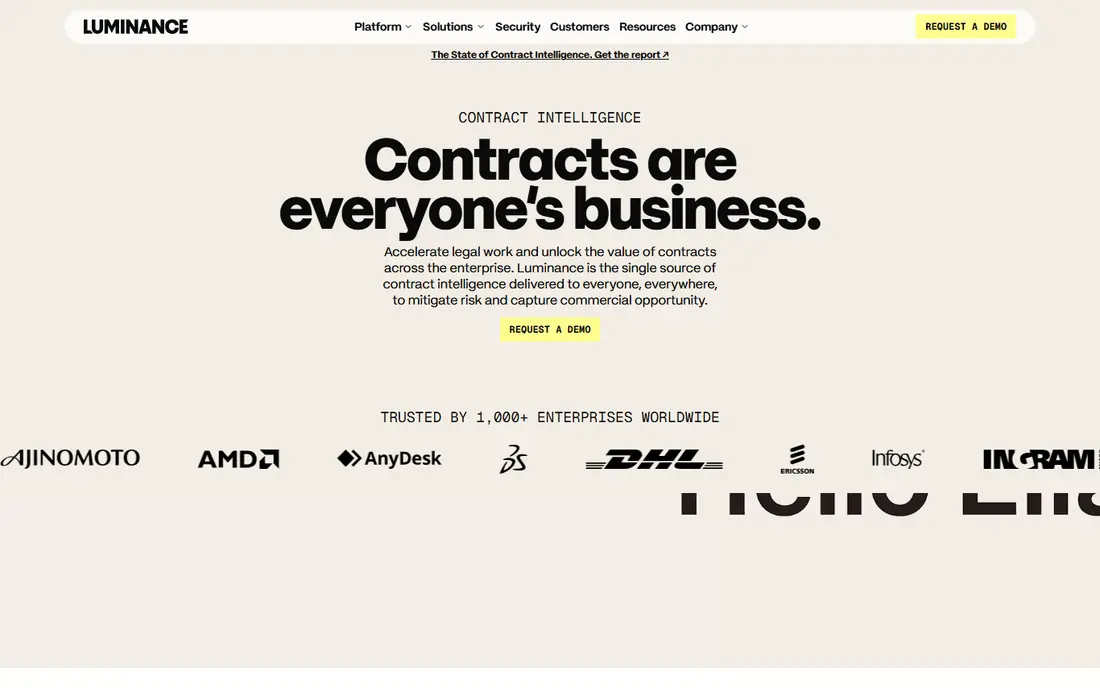
Luminance reads contracts the way a careful reviewer would: it learns what is normal for your agreements and flags deviations, missing clauses and unusual terms across a portfolio. Its model-opinionated approach picks the best AI model per task, and language support covers more than 80 languages for cross-border work. Products cover negotiation, discovery and automation.
Pricing is quote-based, with reported entry points around 30,000 dollars per year and higher for large deployments. Implementation, training and migration add cost and time. Luminance suits enterprise legal teams and M and A practices doing portfolio-scale work. Teams reviewing a handful of contracts a month will pay for capacity they rarely use.
- Anomaly detection across portfolios
- 80-plus languages
- Model-opinionated AI
- No public pricing
- Enterprise implementation is a project
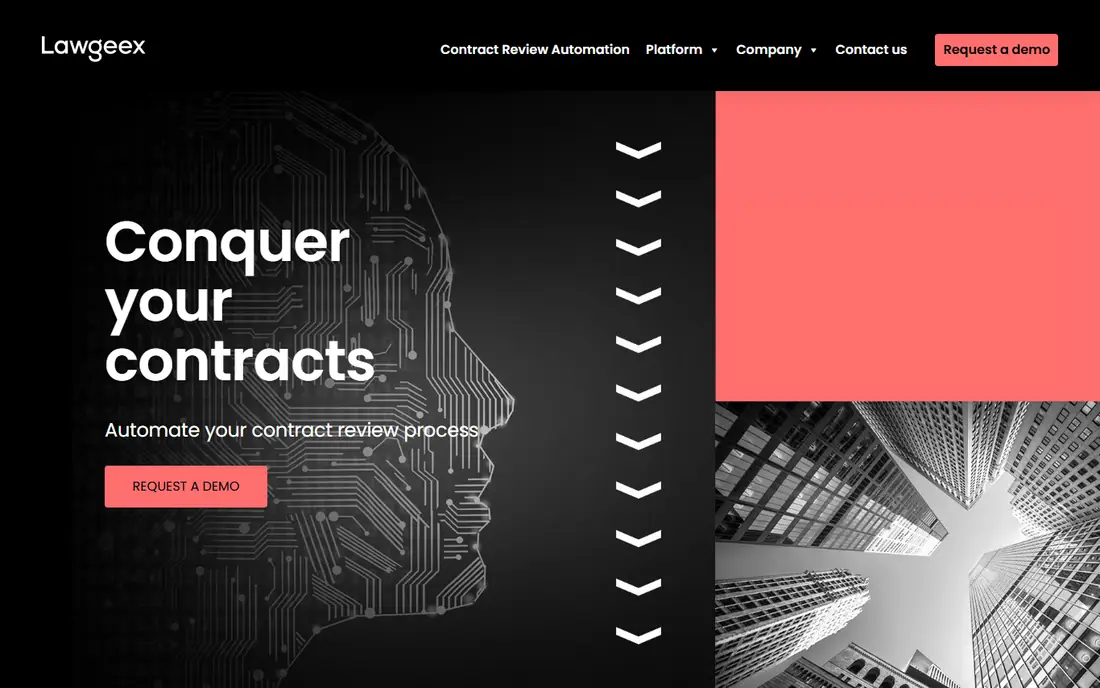
LawGeex focuses on a clear job: compare an incoming contract to your playbook and redline it in Word. It flags clauses that fall outside your accepted positions, explains each issue, and returns a marked-up draft for a lawyer to approve. That workflow speeds routine vendor, sales and procurement contracts without handing full negotiation to AI.
LawGeex is a pre-screening and redlining tool, not a full contract lifecycle platform, and it does not replace lawyer judgment on complex deals. Pricing is handled through sales on higher tiers, with a trial available. For legal teams drowning in routine contracts, LawGeex offers fast, consistent first-pass review.
- Playbook-based redlining in Word
- Fast triage
- Clear issue reports
- Focus is pre-screening, not full negotiation
- Enterprise pricing on higher tiers
Ironclad is a full contract lifecycle platform with AI review built into drafting, approval, signature and repository workflows. Legal, sales and procurement teams can route contracts, apply playbooks, track obligations and search a central repository, rather than reviewing documents in isolation. That breadth suits enterprises standardizing contracting across departments.
Implementation is a project, often taking months, and pricing is enterprise and quote-based. Small teams will find Ironclad heavy for simple review needs. Enterprises that want review plus lifecycle, approvals and a single source of truth for contracts will get more value from Ironclad than from a standalone analysis tool.
- Full contract lifecycle management
- AI review inside workflows
- Strong integrations
- Implementation takes months
- Enterprise pricing and complexity
LinkSquares combines contract analysis with a repository that legal teams actually search. Bulk review scores contracts for risk, extracts key terms and dates, and surfaces obligations across a portfolio. That mix helps in-house teams manage renewals, compliance and audit requests, not just one-off reviews.
Pricing is quote-based, and setup for a large portfolio takes weeks. Smaller teams may find the platform more than they need for occasional review. For a legal department managing hundreds or thousands of signed contracts, LinkSquares offers a strong balance of analysis and repository control.
- A to F risk scoring
- Bulk analysis
- Strong repository and search
- Quote-based pricing
- Setup takes weeks for large portfolios
SpotDraft targets mid-market legal teams that need AI review without enterprise implementation timelines. Its VerifAI feature reviews contracts inside Word, flags playbook deviations and speeds redlining, while workflow tools handle approvals and signatures. Setup is measured in weeks rather than months in many cases.
For very large diligence sets, Kira or Luminance offer deeper bulk extraction. SpotDraft is better for ongoing commercial contracting, where a team reviews vendor, customer and employment agreements every week. Mid-market teams that want a practical, Word-first tool should put SpotDraft on the shortlist.
- AI review inside Word
- Playbook automation
- Faster setup than enterprise CLM
- Less depth for very large diligence sets
- Pricing is quote-based
LegalOn, formerly LegalForce, is built for speed to value. More than 50 pre-built playbooks cover common contract types, so a small legal team can start reviewing on day one without building models from scratch. Review is fast, reports are clear, and pricing in recent guides starts lower than enterprise rivals, around a few thousand dollars per year.
Depth for huge portfolios and highly custom playbooks is thinner than Luminance or Kira. LegalOn suits small firms, startups and in-house teams with a steady flow of routine contracts and limited time for implementation. If you need enterprise portfolio analysis, look higher in this list.
- 50-plus pre-built playbooks
- Day-one usability
- Lower entry cost than enterprise tools
- Less suited to huge portfolios
- Advanced customization is limited
Evisort, now part of Workday, turns a signed contract repository into searchable intelligence. It extracts key terms, dates and obligations across a portfolio, so legal and finance teams can answer questions such as which contracts renew soon or which contain a specific clause, without opening each file. AI search and summaries speed audits and diligence preparation.
Standalone value outside Workday is less clear, and pricing is quote-based. Teams already in the Workday ecosystem will get the most benefit from integrations and shared data. For a company that needs portfolio intelligence over a large signed archive, Evisort is a strong enterprise option.
- Portfolio-scale intelligence
- Search across signed contracts
- Workday ecosystem link
- Pricing is quote-based
- Best value inside Workday environments
Spellbook is an AI assistant inside Microsoft Word for solo lawyers and small firms. It helps draft clauses, review language, suggest edits and flag risks while you work in the document, which fits a lawyer who lives in Word all day. Per-user pricing makes it accessible compared with enterprise platforms.
Spellbook is not a bulk portfolio tool. It will not analyze thousands of contracts for diligence, and playbook depth trails LawGeex and LegalOn for team-wide standards. For a solo practitioner or small firm that drafts and reviews contracts one at a time, Spellbook offers practical help at a manageable price.
- AI assistant inside Microsoft Word
- Drafting and review help
- Per-user pricing
- Drafting-focused, not bulk portfolio analysis
- Less playbook depth than rivals
How we picked these
We compared official product pages, clause libraries, redlining and playbook features, Word and repository integrations, and pricing models in October 2026. We kept only tools that analyze contract language with AI, not just store or sign documents, and that are live today. We favored tools with clear playbook controls, human review steps and security certifications, and we used See website wherever pricing was quote-based rather than inventing a figure.
How to choose contract analysis software
First, name your main job. For diligence, prioritize bulk extraction and clause depth. For routine commercial contracts, prioritize playbook redlining in Word and speed. For portfolio management, prioritize repository search, obligation tracking and renewal alerts. A tool built for one job will disappoint if you buy it for another.
Then test with your own contracts. Upload a set of real agreements, including a messy scanned PDF and a heavily negotiated draft, and check extraction accuracy, redline quality and how clearly issues are explained. Ask about data handling: which models process your contracts, whether your data trains models, and what security certifications apply. Confirm document limits, user counts and implementation costs in writing, and keep a lawyer in the loop for final approval on high-stakes terms.
FAQ
What are the best contract analysis software tools for small businesses?
LegalOn and Spellbook suit small businesses and solo lawyers because they start quickly and cost less than enterprise tools. LawGeex and SpotDraft suit small legal teams with steady routine contract volume. Avoid Kira and Luminance for occasional review, since their pricing and setup assume large portfolios.
What are the best contract analysis software solutions for M and A due diligence?
Kira by Litera and Luminance lead for M and A diligence because of bulk extraction and portfolio anomaly detection. Both are enterprise-priced and need implementation time. For a smaller deal, iDeals or a data room with built-in review may be enough, so match tool scale to deal size.
How much does contract analysis software cost?
Costs range from per-user plans for small tools to quote-based enterprise pricing commonly reported from 30,000 dollars per year upward for Kira and Luminance. Implementation, training and document limits add to total cost. Ask for a full quote tied to your contract volume and user count before you commit.
Does AI contract review replace a lawyer?
No. AI speeds first-pass review, extraction and redlining, but it can miss context, negotiation history and business risk. Use AI to flag issues and draft redlines, then have a lawyer approve high-stakes terms. For regulated, high-value or disputed contracts, lawyer review is essential.
Is my contract data safe with AI review tools?
Reputable tools publish security certifications, data processing terms and model training policies, but practices vary. Ask whether your documents train shared models, where data is hosted, and how long it is retained. Avoid uploading highly sensitive contracts to a tool whose data policy you have not read.