Best Construction Companies to Work For in 2026: 9 Employers Compared
Searching for the best construction companies to work for? We compare 9 large US builders on project types, career paths, and what to check before applying.

- Editor's choice
 Turner Construction
Large building projects across the US
Starts atSee websiteVisit turnerconstruction.comFull review - Great alternative
 Bechtel
Energy, infrastructure, and industrial careers
Starts atSee websiteVisit bechtel.comFull review - Also consider
 Kiewit
Roads, bridges, energy, and water work
Starts atSee websiteVisit kiewit.comFull review
TL;DR:
- Turner, Bechtel, and Kiewit offer the largest project range, from hospitals and data centres to roads and energy.
- DPR, Mortenson, and Hensel Phelps suit people who want healthcare, data centre, aviation, or renewable work.
- Clark, Gilbane, and McCarthy suit people who want public, education, and healthcare building work across many US regions.
- Pay, benefits, and project location vary by role and region, so check the official careers page for the specific job you want.
Quick comparison
| Tool | Best for | Starts at | Free plan? | |
|---|---|---|---|---|
| Turner Construction | Large building projects across the US | See website | No | Visit |
| Bechtel | Energy, infrastructure, and industrial careers | See website | No | Visit |
| Kiewit | Roads, bridges, energy, and water work | See website | No | Visit |
 DPR Construction | Technology, healthcare, and data centre building | See website | No | Visit |
 Skanska USA | Civil infrastructure and building projects | See website | No | Visit |
 Clark Construction | Government, airport, and university projects | See website | No | Visit |
 Gilbane Building Company | Schools, hospitals, and public buildings | See website | No | Visit |
 Hensel Phelps | Aviation, defence, and healthcare construction | See website | No | Visit |
 Mortenson | Sports, renewable energy, and data centres | See website | No | Visit |
The best construction companies to work for
These are employers, not products, so pricing does not apply in the usual sense. The table above uses See website for price and No for a free plan, stated plainly, because a job is not a subscription. What matters here is project type, career path, training, and where work is located. All nine are large US contractors with national reach, and all publish careers pages with current openings, so start there for pay and benefits for a specific role.
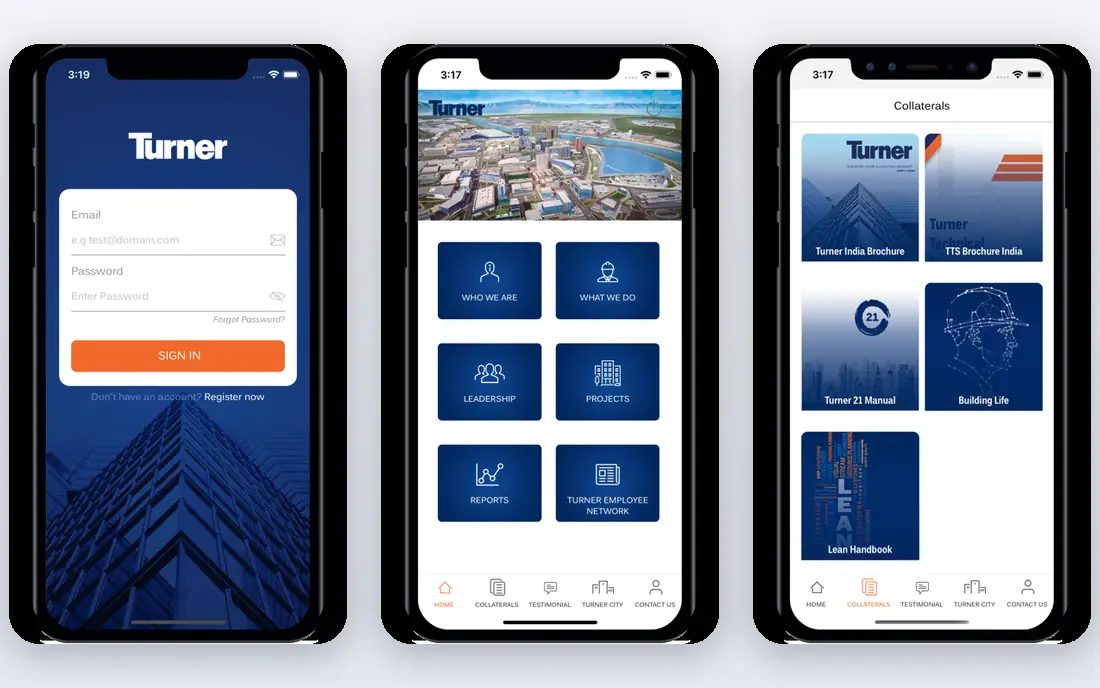
Turner is one of the largest builders in the US, with work in hospitals, stadiums, data centres, offices, and schools. That scale gives early-career staff exposure to complex projects and a national network of offices, which helps if you want to move regions later. Structured training and internship programs are a genuine strength for graduates and career changers. Scale also brings bureaucracy. Decisions can move slowly, and a project assignment may take you to a city you did not plan for. If staying in one city matters most, check which Turner offices and projects are hiring near you before applying, rather than assuming any role is local.
- Very large project range
- Offices nationwide
- Structured early-career programs
- Large-company processes can feel slow
- Project location may require relocation
Bechtel suits engineers and builders who want energy, natural gas, infrastructure, and large industrial work rather than commercial buildings. Projects are often large and technically demanding, and the company's global reach opens assignments beyond the US for experienced staff. For a civil or mechanical engineer, that project depth is hard to match. The trade-off is location and lifestyle. Some sites are remote, and assignments can run for months or years away from home. If you want steady work in one city, a building-focused contractor may fit better. Check the project location and rotation pattern for any Bechtel role before you apply.
- Major energy and infrastructure projects
- Global reach
- Strong engineering depth
- Project sites can be remote
- Work can involve long assignments away from home
Kiewit is a leader in heavy civil construction, including roads, bridges, energy, and water projects, alongside building work. Its employee ownership structure is often cited by staff as a reason to stay, and field leadership paths from craft and engineering roles into management are well established. For people who like outdoor, hands-on project work, that combination is appealing. Field life is the honest catch. Travel, weather, and project-phase hours are part of the job, and a role that looks office-based on paper may still involve regular site time. Ask about travel expectations, rotation, and site location in the interview, since those details vary sharply by project.
- Strong heavy civil portfolio
- Employee ownership culture
- Field leadership paths
- Field work can involve travel and outdoor conditions
- Hours vary with project phase
DPR Construction
Best for: Technology, healthcare, and data centre building
DPR has built a strong name in technology, healthcare, life sciences, and data centres, which are among the fastest-growing building sectors in the US. Its culture emphasises collaboration and self-management, and staff often point to team-based project delivery as a reason to join. For builders interested in clean rooms, labs, or data halls, DPR offers relevant, current work. That focus also concentrates work in tech hubs and major metros, so opportunities in smaller markets are thinner. Popular roles attract many applicants, so a strong application needs specific project relevance, not just general construction interest. Check regional office hiring, not just national headlines.
- Strong tech and life sciences portfolio
- Collaborative culture
- Data centre expertise
- Project concentration in tech hubs
- Competition for popular roles is high
Skanska USA covers both civil infrastructure, such as transport and public works, and building construction, which gives staff a wider choice of project types within one employer. Its sustainability work is a real focus, not just a slogan on a careers page, and that appeals to builders who want greener projects. The US business is large enough to offer movement between regions. Because Skanska USA spans several business units, the experience of working there varies by unit, office, and project. A civil role and a building role can feel like different companies, so research the specific unit hiring, talk to people in that unit, and do not judge the whole company by one office's reputation.
- Mix of civil and building work
- Sustainability focus
- Large US presence
- Structure spans several business units
- Experience varies by unit and region
Clark Construction
Best for: Government, airport, and university projects
Clark is known for government, airport, university, and large commercial projects, often at a scale few builders handle. That portfolio suits people who want complex, high-profile public work and long project timelines with deep planning. Early-career staff can learn procurement, security, and phasing requirements that apply across public building. Public work also moves at public pace. Approvals, funding, and phasing can stretch timelines, and Clark's strength is concentrated on the East Coast and in major metros. If you want fast, private-sector building cycles or work in a smaller market, another builder on this list may fit better.
- Major public and institutional portfolio
- Large project experience
- East Coast strength
- Public project timelines can be long
- Regional concentration on the East Coast and major metros
Gilbane focuses on schools, hospitals, and public buildings, which gives it steady work tied to community needs rather than market cycles alone. As a family-owned company, it emphasises long-term staff relationships and a culture many employees describe as personal for a firm of its size. National offices give some geographic choice. Its portfolio is narrower than a builder like Kiewit or Bechtel, so people who want roads, energy, or industrial work will find less of it here. Pay and benefits also vary by market and role, as with every builder, so compare the specific offer, not just the company name, when you have a choice.
- Strong education and healthcare portfolio
- Family-owned culture
- National offices
- Project types are narrower than a heavy civil builder
- Pay varies by market
Hensel Phelps is a strong choice for aviation, defence, and healthcare building, including airports and secure facilities that demand careful planning and compliance. Employee ownership is part of its structure, and complex project experience is a real career asset for project managers and engineers. Staff who stay often cite project quality and team stability. Secure and aviation work comes with restrictions. Some projects require clearance, background checks, or site rules that limit photography and access, and travel to project sites may be required. If those constraints do not suit you, a commercial or education builder may be a better fit.
- Strong aviation and defence portfolio
- Employee ownership
- Complex project experience
- Some projects need security clearance or site restrictions
- Travel may be required
Mortenson covers an unusually diverse mix: sports and entertainment venues, renewable energy, data centres, and healthcare. That range lets staff move between project types without changing employer, and its development arm adds a different career path for people interested in the business side of building. Safety is a stated priority across its work. Locations vary widely, and renewable energy sites in particular can be remote. A sports arena in a major city and a wind project in a rural area are very different daily lives, so check the project, not just the company, when weighing an offer. Benefits and culture also vary by office, so talk to the hiring team about the specific role.
- Diverse sports, energy, and data centre work
- Strong safety focus
- Development arm
- Project locations vary widely
- Renewable work can be remote
How we picked these
We compared large US contractors by project range, national presence, and career relevance, using industry rankings, company careers pages, and project portfolios. We kept builders with a national footprint and a clear hiring presence in 2026, covering building, civil, energy, and specialist sectors. Smaller regional builders can be excellent employers, but this list focuses on national firms where a reader in most US regions can find an opening.
What to check before you accept a construction job
Project type matters more than company size
A large builder can still assign you to a project type you do not enjoy for two years. Ask which projects the hiring office is actually staffing, what phase they are in, and how long the assignment is expected to last. A company with a great reputation in healthcare may still place you on an office fit-out if that is where the opening is.
Ask about travel, hours, and safety in plain terms
Construction work varies by season, project phase, and site. Ask how often you will travel, what a typical week looks like during peak phases, and how safety training and reporting work on site. A good employer will answer those questions directly and point you to current staff or a site visit.
Compare the full offer, not just the salary
Benefits, retirement matching, paid leave, training, and career progression differ by company and by role. A slightly lower salary with strong training and a clear path to project management can be worth more over five years than a higher starting salary with no progression. Get the offer details in writing and compare them side by side.
FAQ
Which construction company is best to work for?
There is no single best company, since fit depends on project type, location, and role. Turner and DPR suit large building work, Kiewit and Bechtel suit civil and energy work, and Mortenson suits sports and renewable work. Shortlist by the projects you want to build, then compare specific offers.
Do construction companies pay well?
Pay varies widely by role, region, experience, and whether work is field or office based. Large national builders generally offer competitive pay and benefits, but a project manager in one city and a field engineer in another can earn very different amounts. Check the official careers page and the specific job posting for current pay ranges.
Do I need a degree to work for these companies?
Not always. Many roles, including craft, field engineering, and project support, value trade qualifications, apprenticeships, and site experience alongside degrees. Project management and design roles more often require a degree or equivalent experience. Check the requirements on each posting, since they differ by role.
Which company is best for beginners in construction?
Turner, Kiewit, DPR, and Gilbane all run structured early-career and internship programs, which help beginners learn safely and progress. Look for a program with mentoring, site rotations, and formal training, rather than a role that leaves you to learn alone. Apply early, since graduate programs often close months ahead.
Is construction work safe?
Construction carries real risks, which is why safety training, site rules, and reporting culture matter so much. Large builders invest heavily in safety systems, but practices vary by site and subcontractor. Ask about safety training, incident reporting, and stop-work rights in your interview, and never accept a role where safety questions are brushed aside.