Best Companies for Owner Operators to Lease To in 2026: 9 Carriers Compared
best companies for owner operators to lease to, compared on pay, freight, fuel and support, so you can pick a carrier that fits your truck in 2026 for drivers.
- Editor's choice
 Landstar
Independent dispatch and freight choice
Starts atSee websiteVisit landstar.comFull review - Great alternative
 Schneider
Large network and steady freight
Starts atSee websiteVisit schneider.comFull review - Also consider
 Prime Inc
Lease purchase and company support
Starts atSee websiteVisit primeinc.comFull review
TL;DR:
- The best companies for owner operators to lease to pay a clear percentage or mileage rate, offer steady freight and explain deductions upfront.
- Landstar and Schneider suit operators who want a large network, while Mercer and Dart suit flatbed and specialized freight.
- Leasing to a carrier is not the same as owning your authority, so compare control, insurance costs and trailer options carefully.
- Ask about fuel surcharge, plate and insurance deductions, home time and dispatch style before you sign a lease.
- Talk to current leased operators, not just recruiters, and get the lease terms in writing before you commit your truck.
Quick comparison
| Tool | Best for | Starts at | Free plan? | |
|---|---|---|---|---|
| Landstar | Independent dispatch and freight choice | See website | No | Visit |
| Schneider | Large network and steady freight | See website | No | Visit |
| Prime Inc | Lease purchase and company support | See website | No | Visit |
 Mercer Transportation | Flatbed and specialized freight | See website | No | Visit |
 Dart Transit Company | Regional and dedicated options | See website | No | Visit |
 CRST Malone | Flatbed lease options | See website | No | Visit |
 Bennett Motor Express | Heavy haul and specialized | See website | No | Visit |
 Panther Premium Logistics | Expedited freight | See website | No | Visit |
 Roehl Transport | Van and flatbed lease programs | See website | No | Visit |
The best companies for owner operators to lease to
Leasing your truck to a carrier means you run under its authority, use its freight network and follow its lease terms, while keeping ownership of your truck. The carriers below all offer lease programs for owner operators in the US, with different freight types and pay models.
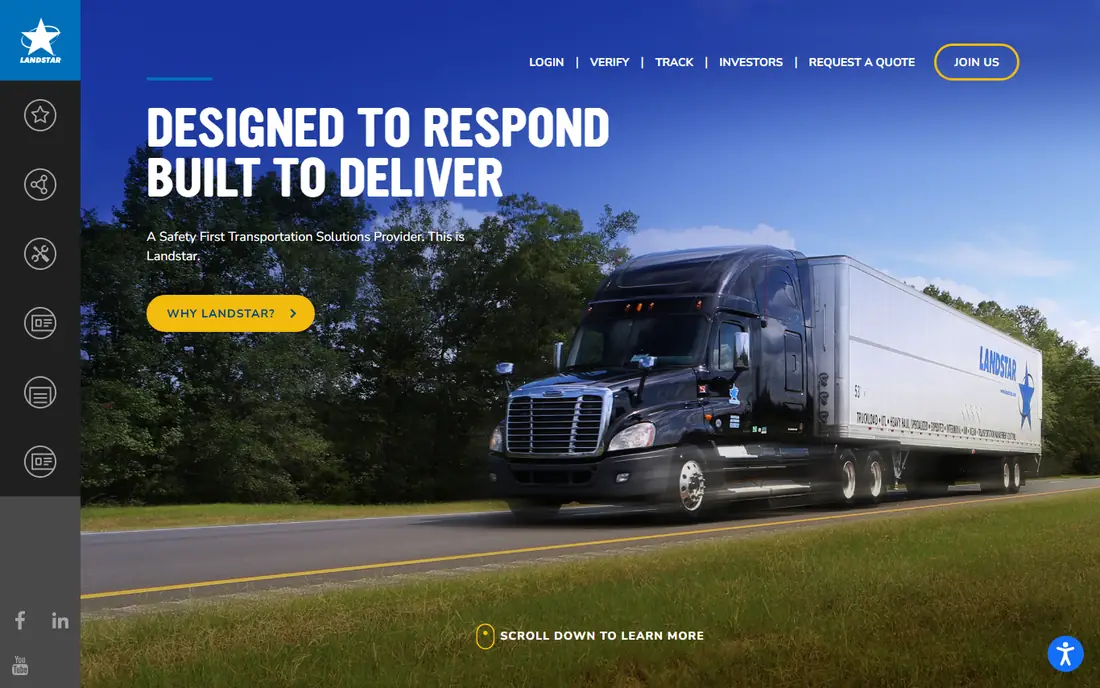
Landstar is a top pick for experienced owner operators who want control over load choice. Its business capacity owners, known as BCOs, can pick loads from a large network, set their own schedule and run largely as independent businesses under Landstar authority. Percentage pay, rather than a fixed mileage rate, can reward operators who choose high-value freight.
That independence has a cost. Landstar expects experience, a well-maintained truck and, in many cases, your own trailer. New operators or those who want a dispatcher to plan every load may find the model less supportive. For an experienced operator who values freedom, Landstar is hard to beat.
- Large load board
- Operator choice of loads
- Percentage pay model
- Requires experience and own trailer in many cases
- Support is less hands-on
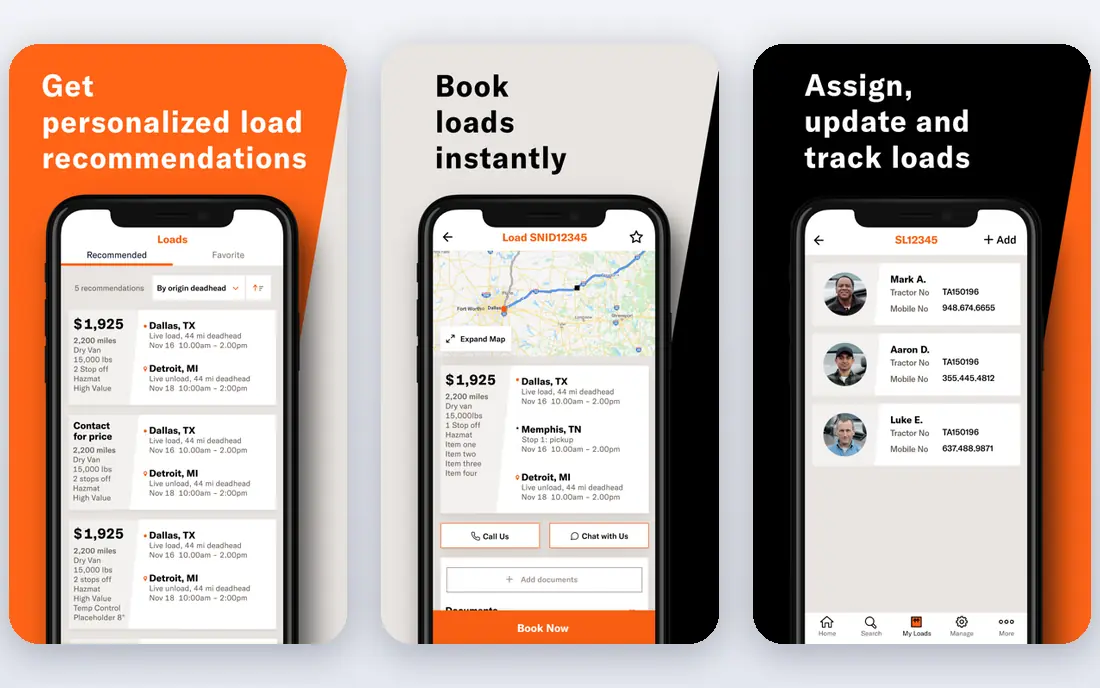
Schneider offers lease programs for owner operators across van, bulk, intermodal and dedicated divisions, backed by one of the largest freight networks in the US. That scale helps with steady freight and backhaul options, which matters for weekly revenue. Its lease pages outline pay, trailer options and support, so operators can compare divisions before applying.
Load choice is more structured than at Landstar, and terms vary by division, so read the division-specific lease carefully. Operators who want steady freight, a large support team and a well-known carrier name will find Schneider a practical choice.
- Large freight network
- Steady volume
- Clear lease program details
- Less load choice than Landstar
- Program terms vary by division
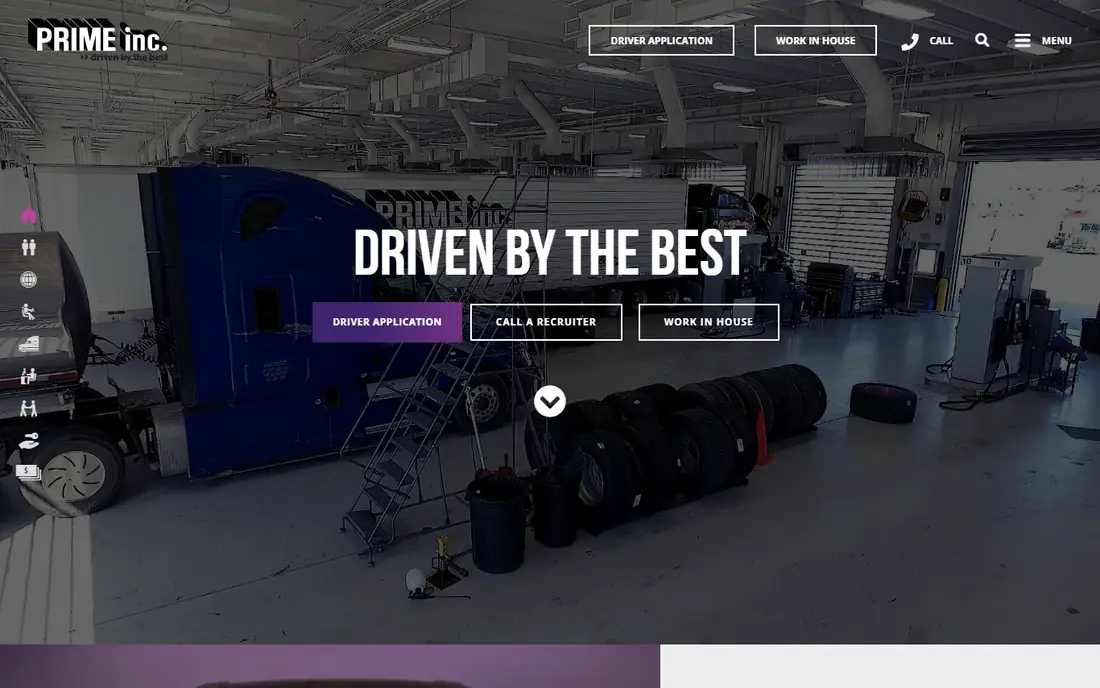
Prime Inc is known for refrigerated freight and for lease purchase programs that let drivers work toward truck ownership through the company. Its support structure, terminals and training suit operators who want more guidance than a fully independent model offers. Refrigerated freight also tends to offer steady demand year round.
Lease purchase deals deserve close reading, since weekly payments, maintenance reserves and mileage terms affect total cost. Operators who do not want refrigerated freight may prefer a van or flatbed carrier. For drivers seeking a supported path toward ownership, Prime is a leading option.
- Lease purchase path
- Training and support
- Refrigerated freight focus
- Lease purchase terms need careful review
- Refrigerated focus limits some operators
Mercer Transportation focuses on flatbed and specialized freight, with a percentage pay model and a reputation for treating leased operators as business partners. Its load board and agent network offer a range of flatbed loads, from standard steel to oversized freight for experienced operators. That focus suits drivers who like open-deck work and varied loads.
Flatbed work involves tarping, chaining and securement, which is more physical than van work. Operators without flatbed experience should plan for training time. For an experienced flatbed operator, Mercer offers a strong combination of pay model and freight type.
- Flatbed and specialized focus
- Percentage pay
- Operator friendly culture
- Flatbed work is physical
- Requires tarping and securement skill
Dart Transit Company offers lease programs with regional and dedicated options, which can help operators who want more regular home time. Its Midwest base and customer network suit drivers based in that region, though it also runs nationally. Dedicated routes, where available, offer predictable schedules that many operators value.
Network size is smaller than Schneider or Landstar, so freight options may vary by region. Ask about lanes from your home base before you sign, since a national average means little if your area has thin freight. For regional operators, Dart is a solid, practical choice.
- Regional and dedicated freight
- Lease options
- Midwest base
- Smaller network than national giants
- Freight mix varies by region
CRST Malone is the flatbed division of CRST, offering lease options for owner operators in open-deck freight. Its agent network provides load options across the US, and the wider CRST group adds scale for support and back office services. Flatbed operators who want a lease program inside a large carrier group will find this structure useful.
Because agents play a role in load and pay details, terms can vary, so get your specific lease in writing. Flatbed securement skill is also required. For flatbed operators comparing Mercer and CRST Malone, the choice often comes down to agent fit and lane options from home.
- Flatbed lease focus
- Large CRST network
- Agent support
- Terms vary by agent
- Flatbed skill required
Bennett Motor Express focuses on heavy haul, specialized and flatbed freight, which suits experienced operators with the right equipment and permits. Its loads include machinery, oversized freight and project work, offering higher revenue potential than standard van freight for the right operator. Support from a specialized carrier helps with permits and routing.
This is not a first-step lease for new operators. Equipment, securement and permit knowledge matter, and costs are higher. For an experienced specialized operator, Bennett offers freight that general carriers rarely provide.
- Heavy haul and specialized freight
- Experienced support
- Varied loads
- Specialized work needs experience
- Equipment demands are higher
Panther Premium Logistics focuses on expedited, time-critical freight, where shippers pay more for fast, reliable delivery. That model suits owner operators, including teams, who can accept urgent loads and flexible schedules. Rates on urgent freight can be higher than standard freight, though volume is less predictable.
The trade-off is schedule. Expedited work can mean waiting for the next urgent load, then running hard to meet a deadline. Operators who need a fixed weekly routine may prefer a dedicated program. For operators who like varied, urgent work and can handle flexible hours, Panther is a distinct option.
- Expedited and time-critical freight
- Team options
- Premium rates on urgent loads
- Irregular schedules
- Wait time between urgent loads
Roehl Transport offers lease programs across van, flatbed and refrigerated divisions, with home time options that appeal to operators who want regular time off. Its size gives it steady freight, while its division structure lets operators pick a freight type that fits their truck and experience. Training and support are also a strength for newer leased operators.
Terms vary by division, so compare pay, trailer and home time for your exact division. Operators who want maximum load independence may prefer Landstar. For a balanced lease with steady freight and clear home time, Roehl is a good fit.
- Van, flatbed and refrigerated divisions
- Clear home time options
- Training
- Program terms vary by division
- Less independent than Landstar
How we picked these
We compared official carrier lease pages, freight types and program descriptions for carriers that lease owner operators in the US. We favored carriers with published lease programs, a clear freight focus and a track record of leased operator work. We left out carriers that only hire company drivers, or that only offer lease purchase without a lease-on option, because this guide is about leasing your truck to a carrier.
How to compare a lease-on deal
Start with pay math. Ask whether pay is percentage of load revenue or per mile, how fuel surcharge is calculated, and what deductions come out before you are paid. Common deductions include insurance, plates, trailer rental, maintenance reserves and communication fees. A high headline rate with large deductions can pay less than a lower rate with fewer deductions.
Next, check freight and home time from your base. Ask for average weekly miles or revenue for operators in your division and region, and ask how dispatch works. Some carriers let you choose loads, others assign them. Also check trailer options, fuel discounts, maintenance support and what happens if you want to leave. A lease should have a clear exit path, not a penalty that traps your truck.
Questions to ask before you sign
Ask for a sample settlement sheet, so you can see real deductions. Ask who pays for tolls, scales and lumpers, and how detention pay works. Ask about insurance costs and coverage, cargo claims and maintenance reserve refunds. Talk to at least two current leased operators in your division, and have a transport attorney or experienced advisor review the lease if any term is unclear.
FAQ
What are the best lease owner operator companies?
Landstar suits independent operators who want load choice, Schneider suits steady large-network freight, and Mercer suits flatbed operators. The best lease owner operator companies for you depend on your freight type, home base and pay preference. Compare settlement sheets, not just recruiter promises.
How much do owner operators make when leasing to a carrier?
Income varies widely with freight type, miles, fuel costs and deductions, so no single figure fits all operators. Percentage pay operators may earn more on high-value loads, while mileage pay offers more predictability. Ask for division averages from your home region, and model fuel, insurance and maintenance costs before you decide.
Is it better to lease to a carrier or get your own authority?
Leasing to a carrier gives you freight access, back office support and insurance under its authority, with less admin work. Your own authority gives you full control and direct customer relationships, but adds compliance, insurance and sales work. Many operators start by leasing, then move to their own authority once they have customers and experience.
What does a lease-on agreement include?
A lease-on agreement covers pay, deductions, freight assignment, insurance, trailer use, home time, term length and exit terms. Read it in full before signing, and keep a copy. If a promise is not in the written lease, treat it as unconfirmed until it is added.
Do I need my own trailer to lease to a carrier?
It depends on the carrier and division. Some carriers, such as Landstar in many cases, expect you to bring a trailer, while others offer trailer rental or company trailers. Trailer rental is a deduction, so include it in your pay math. Check trailer type, age rules and maintenance responsibility for your division.
How do I leave a lease-on carrier?
Exit terms are in your lease, and usually require written notice and return of plates, permits and any rented equipment. Maintenance reserve refunds and final settlements should also be covered. Give notice as the lease requires, keep records of all settlements, and confirm in writing when the lease ends.