Best Companies for Mechanical Engineers in 2026: 8 Employers Compared
Compare the best companies for mechanical engineers, from aerospace and autos to energy and tech, with the kind of work and careers each one offers now.
- Editor's choice
 Boeing
Commercial and military aircraft design
Starts atSee websiteVisit boeing.comFull review - Great alternative
 Lockheed Martin
Defense and space systems engineering
Starts atSee websiteVisit lockheedmartin.comFull review - Also consider
 Tesla
Electric vehicles and energy hardware
Starts atSee websiteVisit tesla.comFull review
TL;DR:
- Aerospace and defense firms offer deep design work on aircraft, spacecraft and mission systems, often with clearance requirements.
- Auto and heavy equipment makers suit engineers who want hands-on product work, manufacturing and testing.
- Energy and industrial firms offer long projects in turbines, power and process equipment.
- Tech hardware roles at Apple and similar firms focus on product design, thermal work and precision manufacturing.
Quick comparison
| Tool | Best for | Starts at | Free plan? | |
|---|---|---|---|---|
| Boeing | Commercial and military aircraft design | See website | No | Visit |
| Lockheed Martin | Defense and space systems engineering | See website | No | Visit |
| Tesla | Electric vehicles and energy hardware | See website | No | Visit |
 GE Aerospace | Jet engines and aviation propulsion | See website | No | Visit |
 Siemens | Industrial, energy and automation engineering | See website | No | Visit |
 Caterpillar | Heavy machines, engines and mining equipment | See website | No | Visit |
 SpaceX | Rockets, spacecraft and rapid iteration | See website | No | Visit |
 NASA | Space research and mission engineering | See website | No | Visit |
The best companies for mechanical engineers
This list is about employers, not software, so we judged each company on the kind of mechanical work it offers, the industries it serves, and the career paths it opens. We compared public careers pages, job descriptions and company profiles for firms hiring mechanical engineers in the US in October 2026. Pay, benefits and open roles change often, so check each careers page for current listings before you apply.
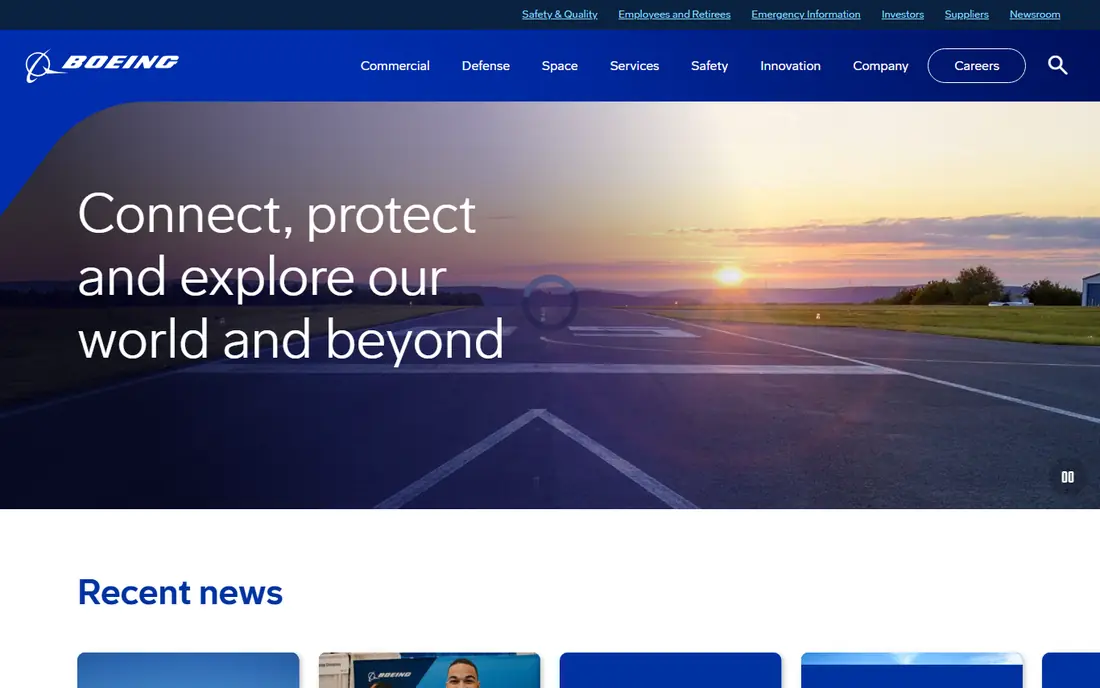
Boeing remains one of the largest employers of mechanical engineers in the US, with work spanning commercial jetliners, military aircraft, satellites and space systems. Mechanical engineers there work on structures, systems, propulsion integration, manufacturing and test, often on programs that run for years. That depth suits engineers who want to specialize and grow within one technical area, with formal training and mentoring for early-career staff.
The size that creates opportunity also creates bureaucracy. Decisions can move slowly, and hiring can tighten when a program changes pace. Engineers who want fast iteration or a startup feel may find Boeing frustrating. Engineers who want stable, large-scale aircraft work and a clear technical ladder will find few rivals.
- Huge range of aircraft programs
- Structured training for new engineers
- Many US locations
- Large-company bureaucracy
- Program cycles can shift hiring quickly
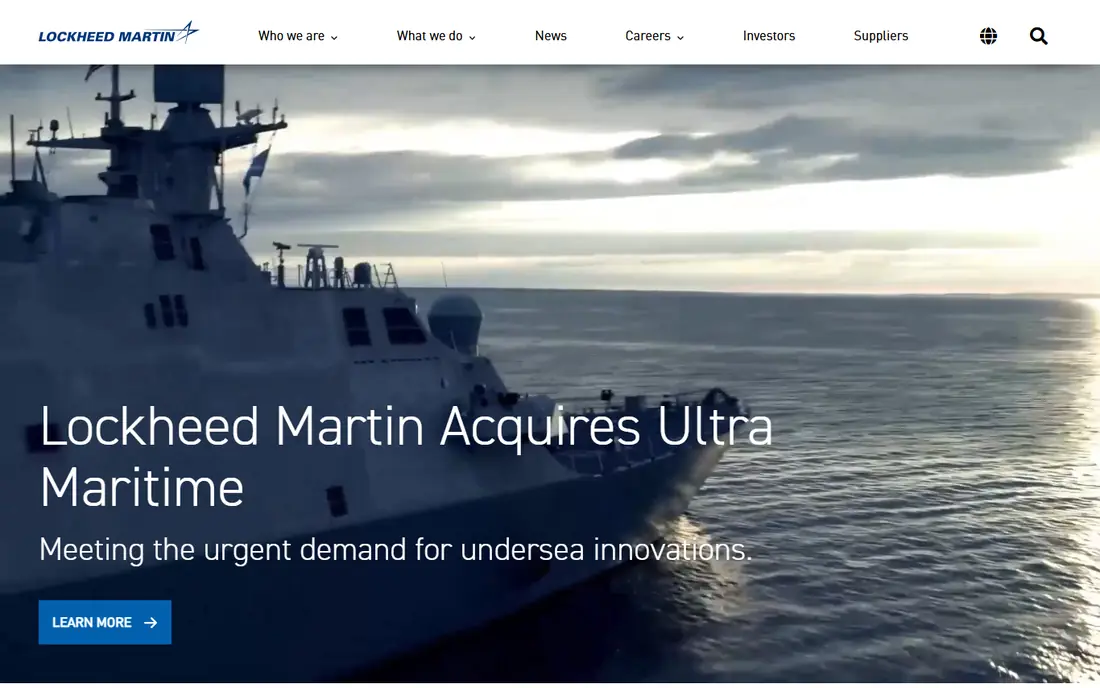
Lockheed Martin builds aircraft, missiles, radar, space systems and related defense technology, and mechanical engineers are central to design, development and testing across those programs. The work is often described by staff as challenging and purpose-driven, with a focus on systems that must perform in harsh conditions. For engineers interested in structures, thermal systems, mechanisms and test, the project variety is wide.
Access is the main barrier. Many roles require US citizenship and a security clearance, which limits who can apply and can slow the hiring process. Much of the work also cannot be discussed in public, which suits some engineers and frustrates others. If mission work and deep technical problems appeal to you, and you can meet clearance rules, Lockheed Martin is a strong long-term employer.
- Interesting, mission-driven projects
- Strong work in space and missiles
- Clear technical paths
- Many roles need US citizenship and clearance
- Work can be less public than commercial tech
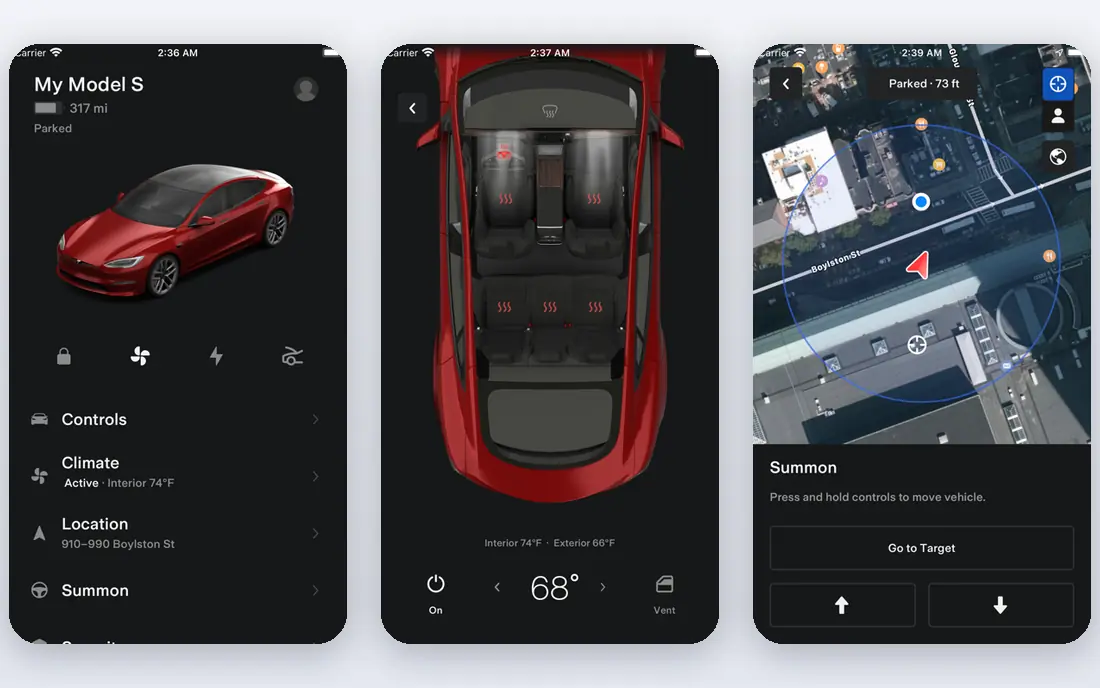
Tesla hires mechanical engineers for vehicles, batteries, energy storage, solar products and manufacturing systems. The scope is broad: the same engineer may work on design, analysis, prototyping and factory ramp, rather than staying in one narrow specialty for years. That breadth appeals to engineers who like seeing a product go from idea to production quickly.
The pace is the trade-off. Tesla is known for demanding schedules and high expectations, and that culture is not for everyone. Work-life balance reviews are mixed, and the company moves fast enough that priorities can change. Engineers who want speed, ownership and hands-on manufacturing experience often thrive there. Engineers who want a slower, more predictable pace should weigh that carefully.
- Fast-paced product work
- Broad mechanical scope from design to factory
- Energy and vehicle programs
- Demanding pace and hours
- Culture suits engineers who thrive under pressure
GE Aerospace focuses on jet engines, propulsion systems and related aviation technology, making it a natural home for mechanical engineers interested in turbomachinery, materials, thermal systems and manufacturing. The technical depth is exceptional: engine work demands precision, testing and analysis at a level few other products require. Engineers who specialize here build skills that stay valuable across aviation and energy.
The focus is also a limit. If you want to work on airframes, interiors or complete vehicles, a full aircraft maker offers more variety. Aviation is cyclical too, so hiring can follow airline and defense demand. For engineers drawn to propulsion and high-performance machinery, GE Aerospace offers some of the most respected work in the field.
- Deep expertise in engines and materials
- Long-running programs
- Strong technical community
- Narrower focus than a full aircraft maker
- Cyclical aviation market
Siemens is a broad industrial company, with work in energy, automation, transportation, building technology and healthcare equipment. Mechanical engineers can work on turbines, drives, factory automation, rail systems or medical devices, depending on the division. That breadth makes Siemens a good choice for engineers who are not yet sure which industry they want, since internal moves can open new paths without changing employer.
Breadth also means inconsistency. Your day-to-day experience depends heavily on which Siemens business you join, and some divisions feel more like separate companies than parts of one firm. Research the specific division and team, not just the Siemens name, before you apply. Done well, Siemens offers a long, varied career across industrial engineering.
- Very broad industrial portfolio
- Global roles
- Energy, health and automation paths
- Large and diverse, so experience varies a lot by division
Caterpillar designs and builds construction and mining machines, diesel and gas engines, and industrial turbines. Mechanical engineers there work on structures, hydraulics, powertrains, cooling and durability testing for machines that must survive brutal job sites. The work is tangible in a way software never is: you can see, touch and test what you designed, often at full scale.
The business follows construction and mining cycles, so hiring and overtime can rise and fall with those markets. Many engineering roles are centered around Peoria, Illinois, and other US manufacturing sites, which suits engineers happy to live near production. If you like heavy equipment, field testing and manufacturing, Caterpillar is one of the best names in the field.
- Hands-on product and manufacturing work
- Global dealer network
- Durable product lines
- Tied to construction and mining cycles
- Many roles centered in Illinois
SpaceX hires mechanical engineers for rockets, spacecraft, engines, structures and ground systems, with a design-build-test pace that is faster than traditional aerospace. Engineers often own hardware from concept through flight, which is rare in large aerospace firms. Programs such as Falcon, Dragon and Starship give mechanical engineers exposure to structures, propulsion, thermal protection and manufacturing at a scale few companies match.
The pace is intense, and SpaceX is upfront about high expectations. Long hours and rapid change are part of the culture, and not every engineer wants that trade. For engineers early in their careers who want maximum learning and flight hardware experience in a short time, SpaceX is hard to beat. For engineers who prioritize balance, a traditional aerospace employer may fit better.
- Fast design-build-test cycles
- Ownership of real flight hardware
- Ambitious programs
- Very demanding pace
- High pressure and long hours are common
NASA employs mechanical engineers across its centers for spacecraft, rovers, aircraft research, propulsion testing and mission operations. The work is mission-driven and often one of a kind, from planetary rovers to new aviation research. For engineers motivated by exploration and science, NASA offers projects that no private company can match in variety or public impact.
Government hiring moves slowly, and pay can lag private aerospace for similar roles, though benefits and stability are strong. Many engineers also work at NASA through contractors rather than as civil servants, so check whether a listing is a NASA job or a contractor role. If mission and research matter more than salary pace, NASA remains a top choice for mechanical engineers.
- Unique mission work
- Research depth
- Public service mission
- Government hiring pace
- Pay can lag private aerospace
- Many roles via contractors
How we picked these
We compared public careers information, job descriptions and company profiles for large US employers that regularly hire mechanical engineers and that cover different industries. We favored firms with a clear mechanical engineering identity, a range of US roles, and long-term programs rather than a single short-lived project. We did not rank on salary alone, because pay varies by location, level and specialty, and listings change frequently.
How to choose the right employer
Start with the work, not the brand. Decide whether you want aircraft, vehicles, energy, heavy machines, space or product hardware, then shortlist firms in that area. Next, weigh pace against stability: SpaceX and Tesla offer speed and ownership, while Boeing, Lockheed Martin and NASA offer longer programs and structure. Location matters too, since many of these firms cluster around specific sites.
Then read current job descriptions for the exact team, not just the company. A structures role and a manufacturing role at the same firm can feel like different jobs. Talk to engineers on the team if you can, ask about mentorship, rotation options and how much design work versus paperwork the role involves, and check clearance or citizenship requirements early so you do not waste time on roles you cannot take.
FAQ
What is the best company for a mechanical engineer?
There is no single best company, because the right fit depends on industry and work style. Boeing and Lockheed Martin suit aerospace and defense, Tesla suits fast-paced vehicle work, and Caterpillar suits heavy equipment. Pick by the kind of product you want to build and the pace you want to work at.
Which mechanical engineering companies pay the most?
Pay varies by location, experience and specialty, and private firms such as Tesla, SpaceX and tech hardware companies often pay more in cash than government roles. Aerospace and defense firms can close the gap with benefits, bonuses and stability. Check current listings for your city and level rather than relying on national averages.
Do I need a security clearance to work at Lockheed Martin or Boeing?
Many defense roles require US citizenship and a clearance, but not every role at these firms does. Commercial aircraft roles at Boeing, for example, often do not need clearance. Read each listing carefully and ask the recruiter early if clearance is a requirement for that team.
Is NASA or SpaceX better for a mechanical engineer?
NASA offers mission research, stability and unique science projects, while SpaceX offers faster iteration and direct ownership of flight hardware. Engineers who want research depth and public service often prefer NASA. Engineers who want speed and rapid learning often prefer SpaceX. Both look strong on a resume.
What is the best company for a mechanical engineer fresh out of college?
Boeing, Lockheed Martin, Caterpillar and Siemens all offer structured early-career programs, training and mentoring that help new graduates learn. Tesla and SpaceX offer faster learning through responsibility, but with less structure. New graduates should weigh mentoring and training against pace when choosing a first job.
Sources
- https://www.boeing.com/careers
- https://www.lockheedmartin.com/en-us/careers.html
- https://www.tesla.com/careers
- https://www.geaerospace.com/careers
- https://www.siemens.com/global/en/company/jobs.html
- https://www.caterpillar.com/en/careers.html
- https://www.spacex.com/careers/
- https://www.nasa.gov/careers/