Best Companies for MBA Graduates in 2026: 9 Employers Compared
Compare the best companies for mba graduates in 2026, from McKinsey to Google, with roles, culture, pay trade-offs, and honest limits for new MBAs today.
- Editor's choice
 McKinsey and Company
Strategy consulting at global scale
Starts atSee websiteVisit mckinsey.comFull review - Great alternative
 Bain and Company
Results-focused consulting culture
Starts atSee websiteVisit bain.comFull review - Also consider
 Boston Consulting Group
Strategy and transformation work
Starts atSee websiteVisit bcg.comFull review
TL;DR:
- Consulting firms still hire the most MBAs, with McKinsey, Bain and BCG leading campus recruiting.
- Finance, technology and corporate leadership programs offer strong alternatives with different lifestyles.
- Pay varies widely by industry and location, so compare total compensation, not just base salary.
- The best employer for you depends on the skills you want in five years, not just the first-year offer.
Quick comparison
| Tool | Best for | Starts at | Free plan? | |
|---|---|---|---|---|
| McKinsey and Company | Strategy consulting at global scale | See website | No | Visit |
| Bain and Company | Results-focused consulting culture | See website | No | Visit |
| Boston Consulting Group | Strategy and transformation work | See website | No | Visit |
 Goldman Sachs | Investment banking and finance careers | See website | No | Visit |
 JPMorgan Chase | Finance breadth and leadership programs | See website | No | Visit |
 Google | Tech product and operations roles | See website | No | Visit |
 Amazon | Operations and product leadership at scale | See website | No | Visit |
 Microsoft | Tech leadership with work-life balance | See website | No | Visit |
 Deloitte | Consulting breadth and industry depth | See website | No | Visit |
The best companies for MBA graduates
We compared employers with a proven record of hiring MBAs, structured post-MBA roles and clear advancement paths. Here are nine that cover consulting, finance, technology and corporate leadership.
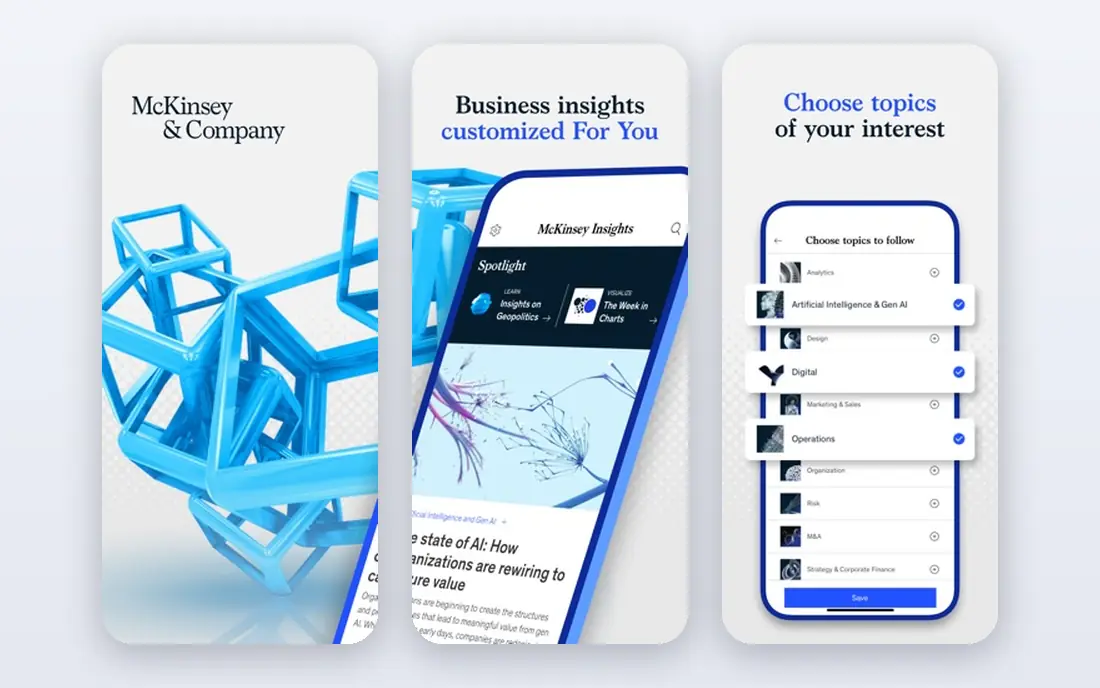
McKinsey remains the top MBA employer by hiring volume, taking large associate classes from business schools each year. New MBAs work on strategy, operations and transformation projects across industries, with staffing that can move them between sectors and countries. The training is structured, and the alumni network opens doors for years after leaving.
The honest catch is lifestyle. Hours are long, travel is common, and the up-or-out model means not everyone makes partner. Graduates who thrive on varied problems and fast learning tend to do well. Those who want predictable hours should weigh the trade carefully, since the exit options are strong but the day-to-day pace is intense.
- Largest MBA hiring pipeline in consulting
- Global staffing
- Strong alumni network
- Demanding hours and travel
- Up-or-out culture is not for everyone

Bain hires large MBA classes and is known for a culture that emphasizes client results over slide volume. Its private equity practice is especially strong, which appeals to MBAs interested in deals and portfolio work. Teams tend to be close-knit, and the firm invests in mentorship and training for new consultants.
The limit is the same as at any top consulting firm: demanding schedules and travel, plus performance pressure. Office and practice staffing also shape the experience, so two Bain consultants can have quite different first years. For MBAs who want consulting with a practical, results-first reputation, Bain is a top pick.
- Strong focus on measurable client results
- Collaborative culture
- Private equity expertise
- Hours and travel similar to other top firms
- Staffing depends on office and practice
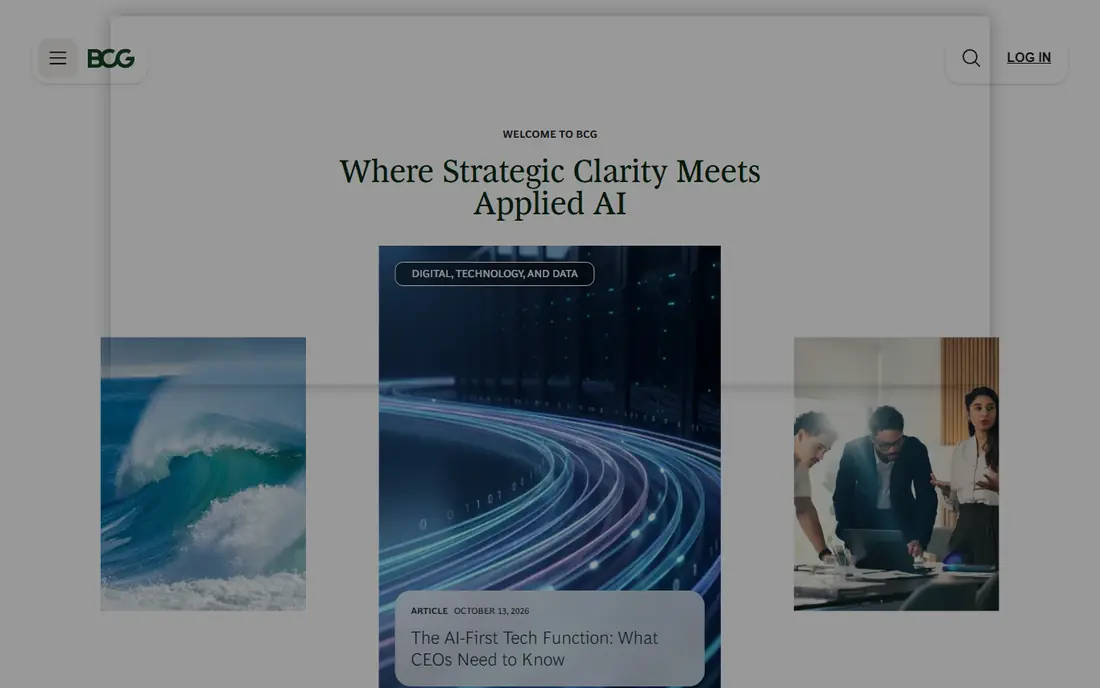
Boston Consulting Group, known as BCG, is the third member of the top consulting trio, with a long strategy heritage and growing practices in technology, climate and large-scale transformation. MBAs join as consultants and work on problems ranging from growth strategy to operating model redesign. The firm offers global mobility and strong training.
The trade is workload. BCG projects are demanding, and travel expectations depend on the office and practice. Some consultants love the variety, while others find the pace hard to sustain. For MBAs who want classic strategy work with a modern twist, BCG belongs at the top of the list.
- Strong strategy heritage
- Growing work in AI, climate and transformation
- Global offices
- Intense workload
- Staffing and travel vary by office
Goldman Sachs hires MBAs into investment banking, markets, asset management and other divisions, with its banking associate program the most famous route. New associates work on mergers, financings and corporate advisory, gaining deal experience that is hard to match elsewhere. The brand carries weight for future finance roles.
The honest catch is hours. Investment banking associates work some of the longest hours in any MBA career path, especially during live deals. The culture is competitive, and not every associate stays long-term. For MBAs who want finance depth and are willing to trade lifestyle for deal experience, Goldman remains a benchmark.
- Premier investment banking franchise
- Strong MBA associate programs
- Deal exposure
- Very long hours in banking
- Highly competitive culture
JPMorgan Chase offers MBAs a breadth that boutique firms cannot match, spanning investment banking, commercial banking, asset management, payments and corporate strategy. Its MBA programs include rotations and leadership tracks, which help graduates find the right division. Scale also brings stability and internal mobility.
The limit is size. A huge bank has bureaucracy, and the experience in one division can differ sharply from another. MBAs should target a specific team and manager, not just the brand. For graduates who want finance careers with room to move internally, JPMorgan is a strong, stable choice.
- Huge range of finance roles
- Structured MBA programs
- Global scale and stability
- Large-company bureaucracy
- Experience varies a lot by division
Google hires MBAs into product management, strategy, operations, marketing and partnerships, though in smaller numbers than its engineering hiring. The appeal is product scale, strong compensation and benefits, and the chance to move between teams over time. MBAs often join strategy and operations teams that shape how products reach users.
The catch is competition and role fit. Google's MBA hiring is selective, and the interview process favors analytical and product thinking. Roles also vary by team, so a strategy role and an operations role can feel quite different. For MBAs who want technology careers without consulting travel, Google is a leading target.
- Product, strategy and operations roles for MBAs
- Strong perks
- Large internal mobility
- Hiring is selective
- MBA roles are fewer than engineering roles
Amazon hires many MBAs into senior program management, product management and operations leadership, often through its MBA recruiting programs. The work touches logistics, retail, cloud and devices at a scale few companies can match. Amazon's leadership principles give new hires a clear, if demanding, operating system.
The honest limit is pace. Amazon teams move fast, expectations are high, and work-life balance varies sharply by team and manager. Graduates who like ownership and measurable results tend to thrive. Those who want a slower ramp should check team culture carefully during interviews.
- Large MBA hiring in operations and product
- Path to general management
- Ownership culture
- Fast pace and high bar
- Work-life balance varies by team
Microsoft hires MBAs into product management, finance, strategy and business development, and it is often cited by graduates for better work-life balance than other large tech firms. Its scale spans cloud, software, gaming and hardware, giving MBAs room to move. The company also invests in manager development and internal learning.
The trade is pace. Some Microsoft divisions move slower than a startup or a top consulting firm, which can frustrate MBAs who want rapid change. Processes in a company of this size take time. For graduates who want tech leadership with a more sustainable rhythm, Microsoft is a strong pick.
- MBA roles in product, finance and strategy
- Generally better balance than some tech peers
- Large scale
- Slower pace in some divisions
- Large-company processes
Deloitte hires MBAs across consulting, including strategy through its Monitor Deloitte practice, technology consulting and human capital work. That breadth lets graduates specialize in an industry such as health care, financial services or technology while staying inside one firm. Its global network also supports international work.
The limit is variation. Deloitte is enormous, so culture, hours and project types differ by practice and office. Graduates should evaluate the specific practice, not just the firm name. For MBAs who want consulting breadth with industry depth and a large alumni network, Deloitte is a reliable choice.
- Huge consulting practice with industry depth
- MBA hiring across strategy, technology and human capital
- Global network
- Experience varies by practice
- Large firm means varied culture by team
How we picked these
We compared MBA employment reports, campus recruiting data and public career pages for employers hiring MBAs in 2026. We favored firms with structured post-MBA roles, a track record of MBA hiring and clear advancement paths. We excluded companies that hire MBAs only occasionally and firms without a visible MBA program. Compensation varies by role, office and year, so we do not publish a single salary figure, and we advise comparing total compensation and lifestyle together.
How to choose among MBA employers
Start with the five-year question: what skills and options do you want after this job? Consulting builds problem-solving breadth and exit options, finance builds deal and markets depth, and tech builds product and operations skills. Each path opens different doors later, so the first job is really a choice about the second and third jobs too.
Compare lifestyle honestly
Ask current employees about hours, travel and manager quality in the specific team you would join. A firm's average lifestyle tells you little, since teams differ so much. Also ask about sponsorship, promotion timelines and what happens to people who leave. The best employers are honest about all three, and that honesty is itself a good sign.
FAQ
Which company hires the most MBA graduates?
McKinsey, Bain and BCG lead MBA hiring by volume, with Deloitte also hiring large classes. Technology firms and banks hire fewer MBAs per firm, but their roles are often larger in scope and pay.
Is consulting still the best path after an MBA?
Consulting offers the broadest exit options and the fastest skill growth, but it demands long hours and travel. Finance, tech and corporate leadership paths can be better for graduates who want depth, product work or a more stable lifestyle.
How much do MBA graduates earn at top firms?
Total compensation varies by industry, role and location, with consulting and finance usually leading on first-year pay. Compare base salary, signing bonus, performance bonus and stock together, since the mix differs a lot between firms.
Do I need a top MBA program to join these companies?
Top firms recruit most heavily at leading business schools, but they also hire experienced candidates from other programs. Networking, relevant pre-MBA experience and strong interview performance matter alongside school brand.
Should I choose a company or a role after my MBA?
Choose the role and team first, then the company. A great team inside a good company beats a weak team inside a famous company, since your manager and projects shape what you learn.