8 Best Ballistic Calculator Apps for Long Range Shooting
Compare the best ballistic calculator app options for long range shooting, with bullet libraries, wind and atmosphere inputs, and range tools for hunters.
- Editor's choice
 Applied Ballistics
Serious long range shooters who want custom drag curves
Starts at$29.99Visit appliedballisticsllc.comFull review - Great alternative
 Ballistic
A complete range companion with the JBM engine
Starts atSee websiteVisit ballisticapp.comFull review - Also consider
 Shooter
A proven Android solver with a loyal long range following
Starts atSee websiteVisit shooterapp.netFull review
TL;DR:
- Applied Ballistics and Ballistic suit serious long range shooters who want deep solvers and large libraries.
- Shooter and Strelok Pro offer strong calculations at lower cost and with simpler workflows.
- Hornady 4DOF and Kestrel Ballistics pair well with matching hardware and measured data.
- A calculator is only as good as its inputs, so chronographed velocity and true ballistic coefficients matter.
- Always follow local range rules and firearm safety practices, and verify solutions at known distances before relying on them.
Quick comparison
| Tool | Best for | Starts at | Free plan? | |
|---|---|---|---|---|
| Applied Ballistics | Serious long range shooters who want custom drag curves | $29.99 | No | Visit |
| Ballistic | A complete range companion with the JBM engine | See website | Yes | Visit |
| Shooter | A proven Android solver with a loyal long range following | See website | No | Visit |
 Strelok Pro | Reticle-based solutions across many scopes | See website | No | Visit |
 Hornady 4DOF | Hornady bullets with Doppler-verified drag data | Free | Yes | Visit |
 Kestrel Ballistics | Shooters who pair an app with a Kestrel weather meter | See website | No | Visit |
 SBC | Apple users who want range cards and Apple Watch support | Free | Yes | Visit |
 GeoBallistics | Web and mobile solving with map-based range tools | See website | Yes | Visit |
The best ballistic calculator apps
A ballistic calculator turns bullet, rifle, atmosphere, and range data into drop, wind drift, and scope adjustments. The best apps pair a trusted solver with a bullet library you can trust, plus tools for wind, angle, and truing to real impacts. We compared official feature pages, pricing pages, app store listings, and public reviews. Note that these tools support lawful range and hunting use, and results should always be verified at known distances.
Applied Ballistics
Best for: Serious long range shooters who want custom drag curves
Applied Ballistics is built around the solver by Bryan Litz and a bullet library with measured drag curves rather than generic G1 and G7 values alone. That detail matters at long range, where small drag differences grow into real misses. Truing lets you calibrate the solver to observed impacts, and support for spin drift, Coriolis, and aerodynamic jump covers effects that simpler apps ignore. Bluetooth meter pairing can feed atmosphere data automatically. The depth is also the barrier. New shooters may find the setup long, and the app rewards users who chronograph loads and record real data. Casual plinkers do not need this level of solver. For competitors and hunters shooting far, Applied Ballistics is a benchmark choice.
- Custom drag curves for specific bullets
- Truing calibration and advanced secondary effects
- Price and depth can overwhelm casual shooters
- Full features reward careful setup
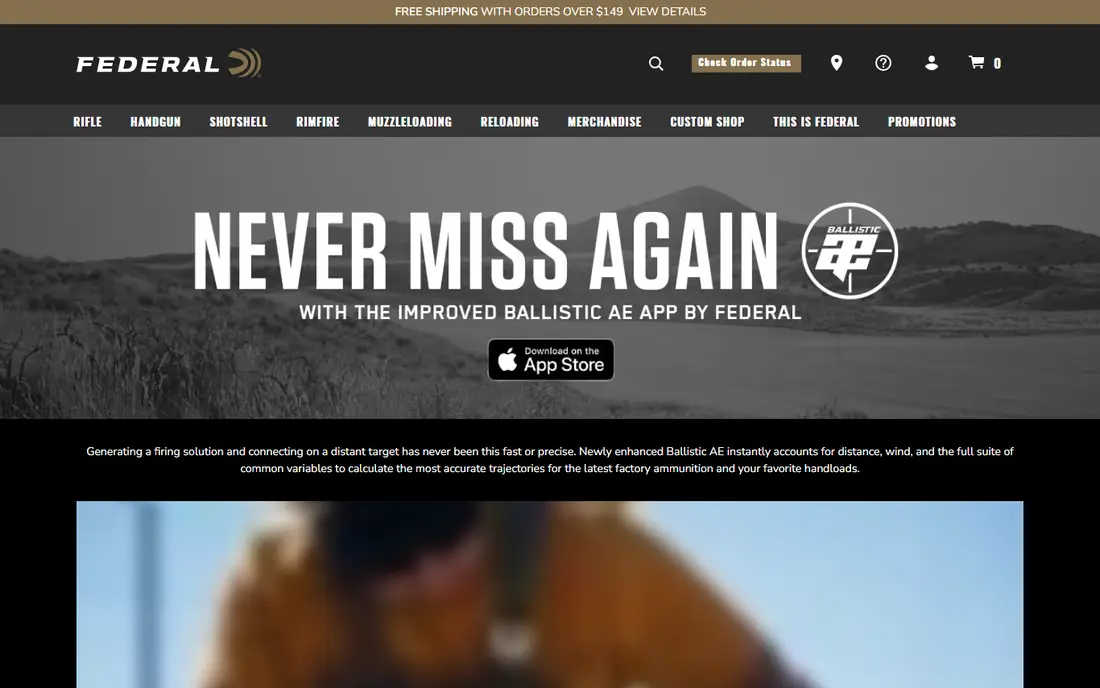
Ballistic pairs the well-known JBM engine with a library of nearly 5,000 projectiles and factory loads, plus a rangefinder, range log, and heads-up display. It calculates for atmosphere, Coriolis, spin drift, and more, and it presents results as tables, graphs, or a reticle view. That range of views helps at the bench and in the field, where a quick HUD reading beats a dense table. Some advanced features, such as Kestrel integration, sit in the Advanced Edition or as purchases. The interface is functional rather than modern, but it is fast once learned. For shooters who want one app for calculations, logging, and range use, Ballistic remains a strong pick.
- Large library of projectiles and factory loads
- Heads-up display, range log, and charts
- Advanced edition features cost extra
- Interface reflects a long-lived app
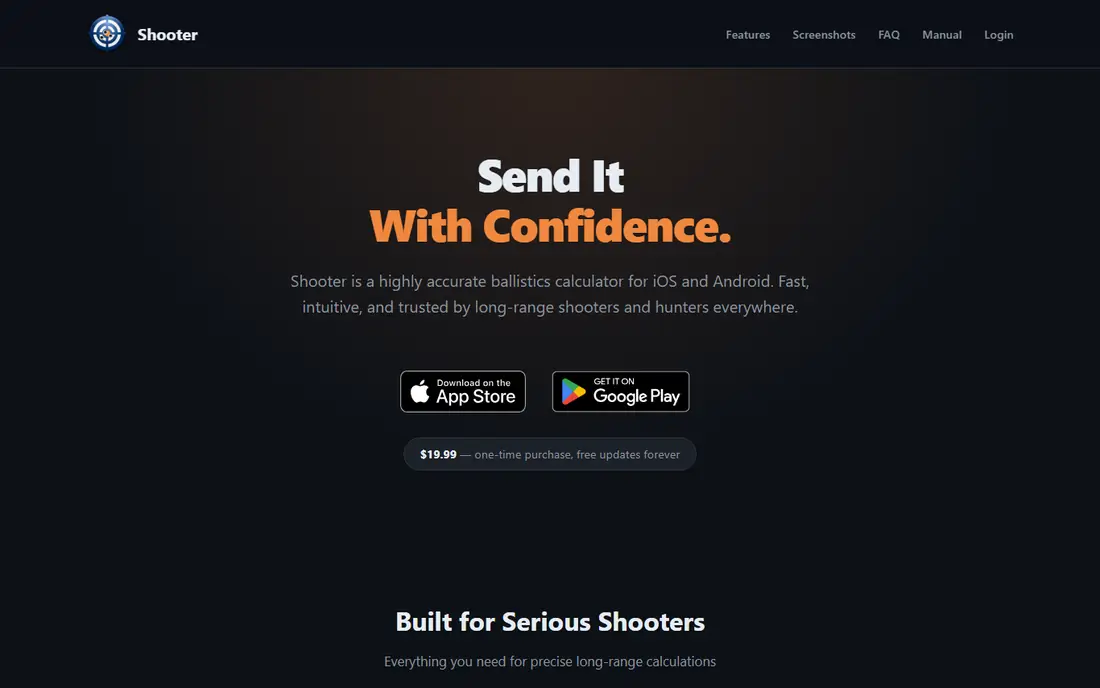
Shooter has been used by long range hunters and competitors for years, and many users report solutions that match real impacts out to long distances. It supports multiple rifles, calibers, and loads per rifle, which suits shooters who rotate guns across seasons. The solver covers the core inputs well, including atmosphere and angle, without burying them in menus. Critics note that the bullet library needs more frequent updates and that some newer rounds require manual entry. The interface also looks dated next to newer apps. Shooter still earns its place for Android users who want a proven, no-frills solver with a long record.
- Long track record with hunters and competitors
- Multiple rifle and load profiles
- Bullet library updates draw some criticism
- Interface is dated
Strelok Pro stands out for its reticle library. Instead of only giving click values, it can show holdovers on your actual scope reticle, which helps shooters who hold rather than dial. It supports a wide range of rifles, airguns, and crossbows, plus a large bullet database. That breadth makes it useful for shooters with several platforms. Setting up a reticle correctly takes care, and beginners should verify the reticle match before trusting holds. Platform features differ slightly between Android and iOS. For shooters who value reticle views and broad scope support, Strelok Pro is a distinctive choice.
- Huge reticle database and scope support
- Works for rifles, airguns, and crossbows
- Learning curve for reticle setup
- Some features vary by platform
Hornady 4DOF uses Doppler radar data to model drag more precisely than a single ballistic coefficient, at least for Hornady bullets. The app is free and straightforward, with profiles, atmosphere inputs, and range tools that cover common shooting needs. For Hornady shooters, the matched bullet data is a real advantage. Shooters using other brands can still enter custom data, but the 4DOF advantage narrows. Advanced secondary effects and truing are thinner than on Applied Ballistics. As a free, accurate solver for Hornady loads, 4DOF is easy to recommend.
- Free solver with 4DOF drag modeling for Hornady bullets
- Clean interface
- Best results focus on Hornady projectiles
- Fewer advanced features than Applied Ballistics
Kestrel Ballistics
Best for: Shooters who pair an app with a Kestrel weather meter
Kestrel Ballistics pairs with Kestrel weather meters to feed live wind, temperature, pressure, and humidity into calculations. That live data removes manual entry errors in changing conditions. Some versions use the Applied Ballistics solver, which brings custom drag curves and truing into the same workflow. Range cards and target tools round out field use. The catch is hardware cost. Without a Kestrel meter, much of the advantage fades, and app tiers vary by device. Shooters who already own a Kestrel will get the most from this app. For field shooters in variable wind, live meter pairing is a genuine benefit.
- Direct pairing with Kestrel meters for live atmosphere data
- Applied Ballistics solver options
- Full value needs Kestrel hardware
- Pricing varies by meter and app tier
SBC is a recreational long range calculator for Apple devices, with the notable bonus of Apple Watch support. It covers imperial and metric units, Mil and MOA adjustments, range cards, reticles, and Coriolis correction. That makes it useful for shooters who want a quick solution on the wrist without pulling out a phone at the firing line. Full features need a premium subscription, and the bullet library is smaller than Ballistic or Applied Ballistics. SBC suits Apple users who want convenience and range cards more than the deepest solver. Check the subscription terms before relying on premium tools for a match.
- Works on iPhone, iPad, and Apple Watch
- Range cards, reticles, and Coriolis correction
- Premium subscription needed for full features
- Smaller bullet library than leaders
GeoBallistics offers a solver on web and mobile, with map-based tools that help plan ranges and targets. That cross-platform access suits shooters who plan at a desk and shoot with a phone. The solver covers core trajectory needs, and profiles save rifles and loads for repeat use. Depth varies between platforms, and some advanced features sit behind paid tiers. Shooters who need custom drag curves or deep truing should compare it with Applied Ballistics first. For a flexible solver with map planning, GeoBallistics is a useful option.
- Web access plus mobile apps
- Map tools for range and target planning
- Feature depth varies between web and mobile
- Advanced tools may need a subscription
How we picked these
We compared official feature pages, pricing pages, app store listings, and public reviews. We favored apps with trusted solvers, usable bullet libraries, atmosphere and wind inputs, and tools for range cards or logging. We also weighed platform support, hardware pairing, and whether free tiers cover real shooting needs. No app paid for placement, and we did not claim hands-on testing.
What to check before you choose
Start with your bullet and scope. A solver is only useful when its library covers your loads or lets you enter custom ballistic coefficients easily. Check reticle support if you hold rather than dial, and confirm Mil or MOA matches your scope. A mismatch here causes more errors than any solver difference. Next, verify inputs and outputs at known distances. Chronograph your loads, record true muzzle velocity, and compare predicted drops with real impacts before trusting a solution far downrange. Atmosphere inputs matter too: temperature, pressure, and wind change results, so a meter pairing helps in variable weather. Finally, follow range rules and safe firearm handling at all times, and never use a calculator as a substitute for training and verification.
FAQ
What is the best ballistics calculator app for beginners?
Hornady 4DOF and SBC are good starting points, since they are free and cover core inputs without overwhelming menus. Shooter and Ballistic suit beginners who want to grow into deeper features. Start simple, verify at known distances, and move up when you need truing or custom drag curves.
How accurate are ballistic calculator apps?
Accuracy depends on input quality more than brand. Chronographed velocity, correct ballistic coefficients, and current atmosphere data matter most. Even good solvers need verification at known distances, since rifle, scope, and ammunition variation all affect real impacts.
What is truing in a ballistic calculator?
Truing adjusts the solver to match observed impacts at known distances, usually by refining velocity or drag values. It helps when predicted drops differ consistently from real shots. Record impacts carefully and true at distances that reflect your actual shooting.
Do I need a weather meter for ballistic calculations?
A meter helps, especially in changing wind and temperature, but manual inputs work when conditions are stable. Kestrel pairing automates atmosphere data and reduces entry errors. For casual range use, phone weather data and careful manual entry are often enough.
What is the difference between G1 and G7 ballistic coefficients?
G1 and G7 describe drag models for different bullet shapes, with G7 fitting modern long range bullets better. Custom drag curves go further by modeling a specific bullet across velocities. Using the wrong model can shift long range predictions, so match the model to your bullet.
Can a ballistic app replace range practice?
No, an app supports practice but never replaces it. Live fire confirms zero, scope tracking, wind reading, and shooter skill. Use the app to plan and record, then verify every solution on the range before relying on it in the field.
Sources
https://appliedballisticsllc.com https://ballisticapp.com https://shooterapp.net https://www.strelokpro.com https://www.hornady.com https://kestrelinstruments.com https://gv-apps.com https://geoballistics.com