Best App for Selling Stuff in 2026: 8 Apps Compared
Best app for selling stuff, compared across 8 selling apps for fees, buyer reach, shipping, and ease, so you can pick the right place to list items in 2026.

- Editor's choice
 eBay
Widest general reach
Starts atFree to listVisit ebay.comFull review - Great alternative
 Facebook Marketplace
Local sales
Starts atFree to listVisit facebook.comFull review - Also consider
 Mercari
Simple phone selling
Starts atFree to listVisit mercari.comFull review
TL;DR:
- eBay gives the widest buyer reach for general items, while Facebook Marketplace is often fastest for local, bulky goods.
- Mercari and Poshmark suit sellers who want simple shipping, with prepaid labels and clear fee structures.
- Etsy works best for handmade, vintage, and craft supplies, where buyers already search for those categories.
- Swappa stands out for phones and tech, thanks to stricter listing checks and a focused buyer pool.
- Fees, shipping costs, and return rules change the final payout, so compare them before you list.
Quick comparison
| Tool | Best for | Starts at | Free plan? | |
|---|---|---|---|---|
| eBay | Widest general reach | Free to list | Yes | Visit |
| Facebook Marketplace | Local sales | Free to list | Yes | Visit |
| Mercari | Simple phone selling | Free to list | Yes | Visit |
 Poshmark | Fashion and closet cleanouts | Free to list | Yes | Visit |
 OfferUp | Local deals and delivery | Free to list | Yes | Visit |
 Etsy | Handmade and vintage | $0.20 per listing | No | Visit |
 Craigslist | Local no-fee listings | Free to list | Yes | Visit |
 Swappa | Phones and tech | Free to list | Yes | Visit |
The best apps for selling stuff
Selling from your phone is now a normal way to clear a closet, fund an upgrade, or run a small side business. We compared official fee pages, shipping options, buyer protections, and app store listings to find apps that fit different kinds of sellers.
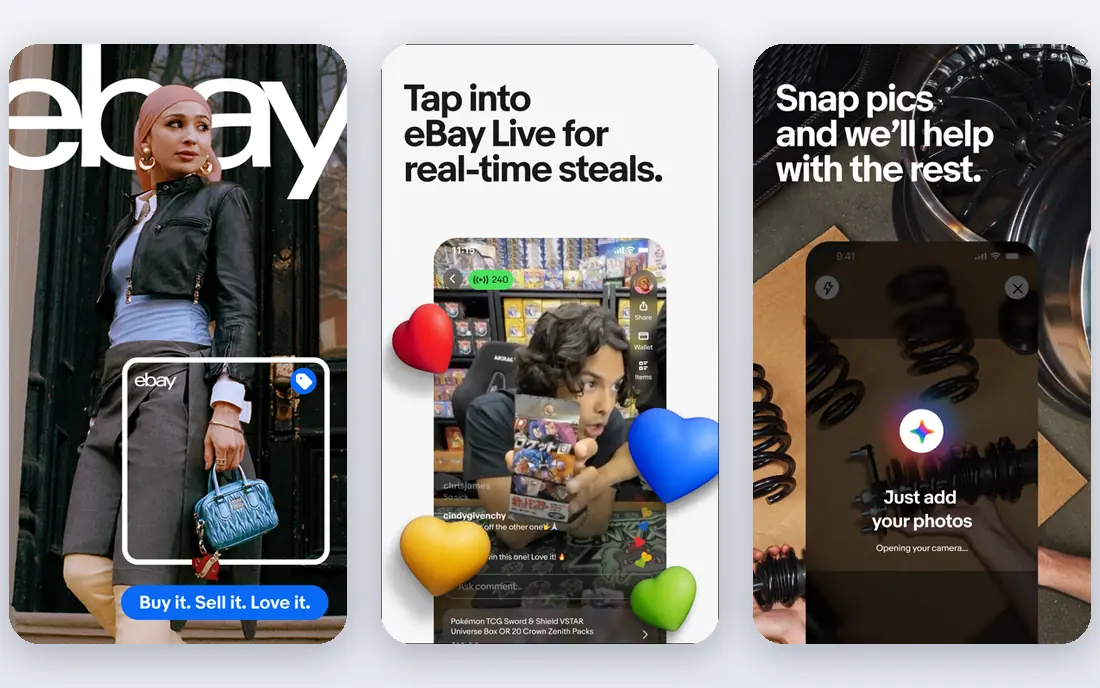
Few selling apps match eBay for sheer reach. Buyers search here for almost anything, from vintage cameras to car parts, and that demand helps unusual items find a buyer. Sellers can run an auction when demand is uncertain or set a fixed price when they know the value.
The trade-off is cost and effort. eBay charges a final value fee when an item sells, and shipping, packaging, and customer messages all take time. For high value items, the buyer pool and seller protections often justify those costs. For low value local goods, a local app may leave more money in your pocket.
- Huge buyer pool
- Auction and fixed price options
- Seller protections on many sales
- Final value fees reduce payouts
- Returns can be time consuming
Facebook Marketplace is our pick for furniture, appliances, and anything awkward to ship. Buyers browse by location, so a sofa or a bike can sell to someone nearby without boxing or postage. Listing takes a few photos, a price, and a short description.
Local selling does need some patience. Messages may come from buyers who never turn up, and sellers should meet in a safe public place. Shipped sales through Marketplace checkout have their own fees and rules, so read those before you offer shipping.
- Large local audience
- No listing fee for most local sales
- Easy chat with buyers
- No-show buyers are common
- Shipping sales carry selling fees

Mercari keeps the selling process short. You photograph an item, add a title and price, and the app generates a prepaid shipping label when it sells. That simplicity appeals to people clearing a drawer or a closet in an evening.
Fees are the main thing to check. Mercari applies a service fee to completed sales, so the listed price is not the payout. Pricing a little above your target can help, but overpricing slows sales. Overall, it is a strong middle ground between a general marketplace and a niche fashion app.
- Prepaid shipping labels
- Simple listing flow
- Wide range of categories
- Service fee applies to sales
- Buyer ratings affect visibility
Poshmark was built for clothes, shoes, and accessories, and its social features reflect that. Sharing listings, following sellers, and joining themed parties can bring extra views to a closet cleanout. The app also supplies prepaid shipping labels for many sales, which removes one hassle.
The fee structure matters most here. Poshmark takes a flat fee on smaller sales and a percentage on larger ones, so sellers should price with that in mind. If your items are mostly non-fashion goods, a general marketplace will usually fit better.
- Social sharing helps listings get seen
- Prepaid labels for many sales
- Active fashion community
- Commission is high on larger sales
- Fashion focus limits other categories
OfferUp blends local selling with shipped sales. Many sellers start locally, then turn on shipping for items that do not sell nearby. In-app messaging keeps negotiation in one place, and profile verification can help buyers trust a new seller.
Reach is the honest limit. OfferUp is popular in many US cities, but it does not match eBay for national demand on niche items. For everyday goods, electronics, and home items, it is a practical second listing spot alongside a larger marketplace.
- Local focus with shipping options
- In-app messaging
- TruYou verification for some users
- Smaller reach than eBay
- Shipped sales carry fees
Etsy is not a general selling app, and that focus is its strength. Buyers arrive looking for handmade jewelry, vintage decor, printables, and craft supplies, so a well-made shop can find repeat customers. Shop pages, reviews, and search tools help small makers look professional.
Costs need careful tracking. Etsy charges a listing fee, a transaction fee, and payment processing, and optional advertising can add more. Sellers who price only for materials often undercharge. With realistic pricing and clear photos, Etsy remains a top choice for makers.
- Buyers seek handmade and vintage goods
- Shop branding tools
- Strong search for craft niches
- Listing and transaction fees add up
- Competition is intense in popular niches
Craigslist still works for local sales, especially furniture, vehicles, rentals of equipment, and free items. There is no commission on a typical local cash sale, and a listing can go live in minutes. For sellers who want the full sale price, that simplicity is hard to beat.
Safety and payment need more care here than on apps with checkout systems. Sellers should avoid shipping items to strangers, avoid payment links from unknown buyers, and meet in public. Used well, Craigslist is a useful no-cost channel rather than a full selling platform.
- Free listings in most categories
- No commission on local sales
- Fast local reach
- No built-in payment protection
- Scam messages are common
- Basic interface
Swappa suits anyone selling a phone, laptop, camera, or game console. Listings go through a review step, and buyers come specifically for used tech, which can mean fewer lowball messages than on a general app. The focused audience also helps fairly priced devices sell at sensible values.
The category limit is the catch. Swappa is not the place for clothes, furniture, or household goods. Sellers must also meet listing standards for condition and photos. For a single tech sale, though, that extra care often pays off in a smoother transaction.
- Focused tech buyers
- Listing review checks
- No selling fee on many listings
- Limited to tech categories
- Stricter listing rules take time
How we picked these
We compared official fee pages, shipping options, category coverage, buyer protections, and app store listings for general and niche selling apps. We favored apps that are active in the US in 2026, that let an individual seller list without a business account, and that publish clear fee information. Apps with unclear ownership, dead listings, or no working checkout were left out.
What to check before you list
Fees decide your real payout, so start there. A free listing does not mean a free sale. Check the final value fee, transaction fee, payment processing fee, and who pays for shipping. Then subtract packaging and your time. An app that charges more may still win if it sells faster or at a higher price.
Photos and honest condition notes matter more than clever titles. Use daylight, show flaws, and state what is included, such as a charger, box, or accessories. For electronics, note battery health or known faults where the app asks for it. Clear listings reduce returns and disputes.
Shipping or local pickup
Local pickup suits bulky items and saves packaging costs, but it needs safe meeting habits. Shipping suits small, valuable items and widens the buyer pool. Prepaid labels help new sellers, while self-shipping gives more control over carrier choice. Pack fragile items well, keep tracking, and photograph the packed item for higher value sales.
Payments and safety
Use the app checkout system where one exists, since it usually carries payment and dispute protections. Avoid payment methods that cannot be reversed when a buyer asks to move off the app. Keep messages inside the app, watch for overpayment stories, and never share verification codes. If a deal feels rushed or odd, pause and check the app help pages.
FAQ
What is the best app for selling stuff for beginners?
Mercari and Facebook Marketplace are good starting points because listing is simple and the audience is large. Mercari handles shipping labels for many sales, while Marketplace suits local pickup. Start with one or two items to learn fees and messaging before listing a whole closet.
Which selling app has the lowest fees?
Craigslist has no commission on most local sales, but it offers no payment protection. Among apps with checkout, fees vary by category and sale price, so check the current fee page for your item type. Low fees help only if the item actually sells, so reach matters too.
Is it better to sell locally or ship items?
Local pickup works best for furniture, appliances, and heavy goods. Shipping works best for clothes, electronics, and small items with national demand. Many sellers use both, listing locally first and turning on shipping if an item does not sell.
How do I price items to sell on these apps?
Search sold listings for the same item and condition, then price near recent sales rather than original retail. Factor in fees and shipping before setting the price. A fair price with clear photos usually sells faster than a high price with vague details.
Do I need a business account to sell on these apps?
No, most of these apps let individuals sell as private sellers. Etsy shops and high-volume eBay selling may need extra tax or business details depending on sales volume and location. Check the app help pages and local tax rules if sales grow into a regular income.
What should I avoid when selling online?
Avoid moving payments off the app, accepting overpayments, and shipping before payment clears. Avoid sharing codes sent by text or email, and avoid meeting buyers alone at home for high value items. Report suspicious messages through the app rather than engaging further.